Sofa Buying Guide for Singapore Homes
A sofa labelled “display only” or “not for sitting” can still be a sensible purchase, but only when its purpose is clear. In a compact Singapore home, it may serve as a visual anchor beside a window, divide an open dining area from a television corner, or provide a surface for lamps and books. It may also be a temporary showpiece while you wait for a usable sofa with a longer lead time. The mistake is treating an untested seat as if it were built for years of daily use.
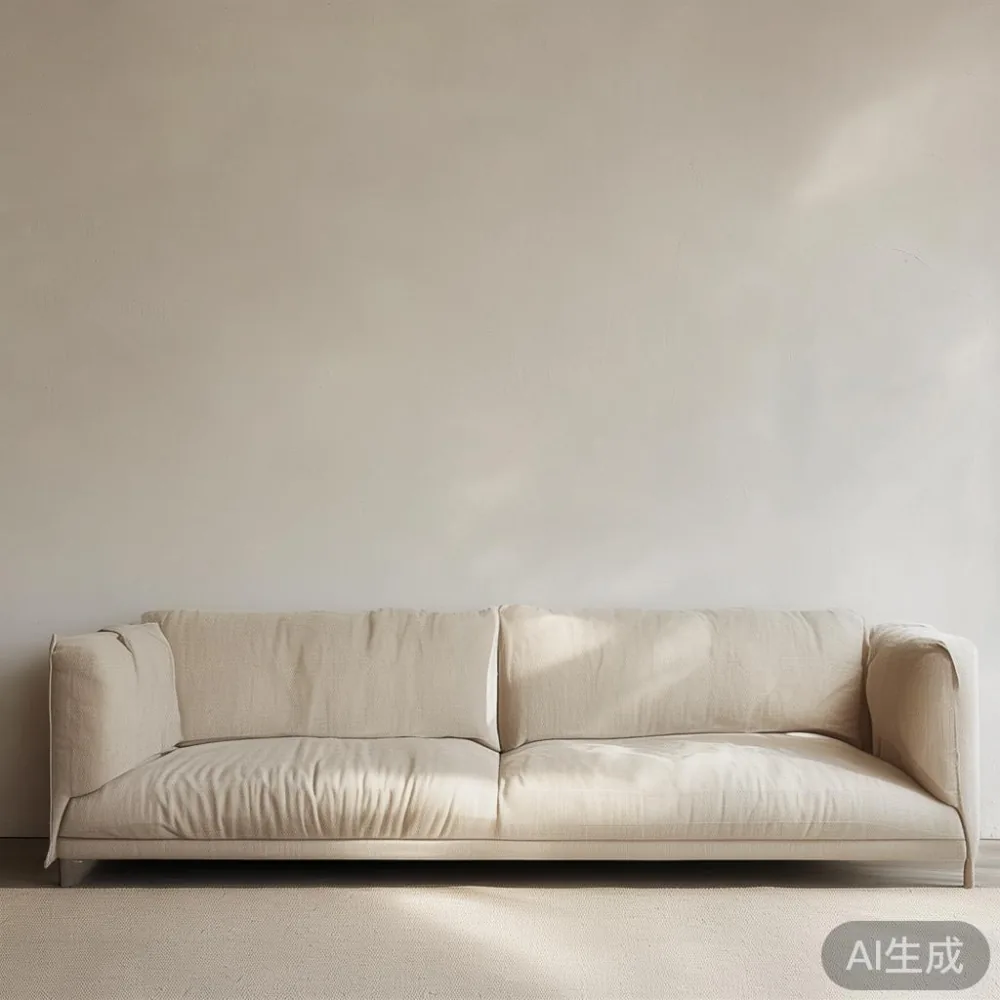
Before buying, I would measure the room, delivery route, seat construction, frame, suspension, finish, and return terms. A display sofa that passes these checks can complement minimalist furniture without undermining comfort elsewhere. At MIDHILL, practical specifications matter even when the brief is decorative, and Singapore homeowners often need tighter measurements than many overseas showrooms suggest.
Is a sofa that cannot be sat on really useful?
It can be, provided you define its role before payment. A sofa used mainly as a display piece should not be described as a solid wood sofa for everyday lounging unless the manufacturer confirms that its frame, joints, suspension, and cushions can support normal use. Ask for the exact reason it cannot be sat on. The answer might be a showroom-only finish, an untested prototype, a display model with minor wear, or a product intended strictly as decor.

Record the answer in writing. A seller saying “display only” and a written specification saying “not for seating” are not the same thing. If the item was previously sat on, ask for photographs of the seat, arms, back, and underside, including any repaired or replaced parts. Display furniture often spends 6 to 12 months under showroom lighting, so fading, frame movement, cushion compression, and scuffing deserve inspection.
Use the sofa only for what its construction supports. A low console-like sofa can hold magazines, framed art, or a plant, but a 40 kg arrangement of books would be inappropriate unless the top is rated for that load. Keep fragile objects off surfaces with sharp contact points, and avoid placing hot ceramic lamps directly on untreated timber. The point of a display piece is visual calm, not load-bearing improvisation.

Will it fit through your HDB flat or condo?
Measure the sofa at its widest and deepest points, then measure the complete route from the loading point to its final position. Do not measure only the living room. For a Tampines or Bedok HDB flat, include the ground-floor entrance, lift opening, lift car, corridor turns, and the door into the unit. Punggol homes may have narrower approaches or more awkward turns, particularly where the sofa has fixed legs and cannot be disassembled.
A practical rule is to allow at least 5 cm of clearance on the tightest dimension, although 10 cm is safer when turns are tight. A sofa measuring 210 cm wide, 92 cm deep, and 78 cm tall will not pass through a lift opening of 105 cm simply because it is narrower than the corridor. Diagonal movement can help, but only if the arms, legs, and back do not catch on handles or lift panels.
For a condominium, obtain the building’s moving-in rules. Some require booking the service lift, a $100 to $300 refundable deposit, protective floor coverings, or a delivery slot between 9.00 a.m. and 5.00 p.m. The delivery company may also impose a second lift or corridor fee. A 10 kg sofa can be easy to carry, while a 65 kg three-seater may need two people and a lifting strap.
Before approving delivery, photograph every bottleneck with a ruler or tape measure in frame. Give the driver the sofa’s total weight, removable parts, and turning dimensions. For stairs, count the rise, landing width, handrail clearance, and number of carriers needed. In Singapore, lift capacity commonly starts around 450 kg to 1,000 kg, but the car’s posted limit governs.
What should you inspect in the frame and suspension?
Solid timber is only one part of a sofa’s structural quality. Check whether it is kiln-dried hardwood, plywood, or another engineered material, and ask for the species. For example, a frame using 18 mm plywood, solid oak rails, corner blocks, and glued-and-screwed joints may be more stable than a visually similar frame with thin panels and only a few screws.
Look underneath for warped rails, loose joints, exposed nail heads, unfinished wood, or uneven leg attachment. A frame should sit level within about 3 mm across its width. Tap the corners and rails: a hollow or dull sound can indicate cavities or poorly secured panels, although sound alone is not proof of failure. Flexing should be limited; a pronounced bend suggests weak construction.
For a seat intended for occasional use, the suspension may consist of webbing, springs, or a combination. Webbing should be tightly secured and free from cuts, while springs should be evenly spaced and attached without sharp edges. Check that the deck beneath loose cushions is sound. If the seat has a reinforced deck and the seller permits light use, a fabric weight of no more than 15 kg is a reasonable starting limit, subject to written approval.
Ask whether the sofa qualifies for MIDHILL’s 10-year structural warranty. A warranty that covers frame or joinery failure for 10 years gives more confidence than a vague verbal promise. Confirm whether showroom pieces, display items, or modified products are included. Lifetime refinishing may be available for eligible solid wood components, but confirm the scope, exclusions, labour charges, and turnaround period.
How should the finish and materials be checked?
Examine the finish under daylight as well as warm indoor light. Run your hand over the surface and look for checking, open pores, bubbles, color variation, and areas that feel sticky. On a solid wood sofa, distinguish natural variation from defects. Grain lines and mild color shifts can be expected; cracks crossing the grain, flaking lacquer, or lifting veneer should be documented.
Check the colour against your walls, flooring, and curtains. A display sofa in stark white can look severe in a north-facing HDB room, while pale oak may suit a Bedok condo with warm afternoon light. Bring a 10 cm paper sample when possible, and test it at several times of day over 2 or 3 days.
Upholstery needs close attention. Inspect seams at the front edge, corners, and cushion joins. Pull the fabric gently in four directions; it should return without permanent distortion. Look for thread pulls, color abrasion, dye transfer, and compressed foam. A cushion that has lost more than about 15 mm of height may have been used repeatedly. For pets, request a fabric with at least 50,000 Martindale rubs and test colourfastness where possible.
Light-luxury positioning should guide the style, not conceal weak specifications. A French light luxury sofa may use pale upholstery, refined proportions, and subtle curves. An American light luxury sofa may have broad cushions, relaxed comfort, and a more generous scale. Post-modern light luxury often pairs clean geometry with one controlled design accent. Each approach can work in minimalist furniture when the dimensions and construction remain disciplined.
What do delivery, GST, returns, and warranty mean in Singapore?
Confirm the quoted price in SGD and whether 9% GST is included. A $2,650 sofa before GST becomes $2,888.50 after GST. Delivery may be free above a stated order threshold; for MIDHILL, free shipping applies over US$350, but the checkout should still show any Singapore freight, lift, and installation charges separately.
Ask for the estimated delivery period in days, not just “within a month.” A reasonable made-to-order estimate might be 35 to 60 days, while an in-stock item may arrive in 7 to 14 days. Display pieces can be available sooner, but they should not be rushed onto a truck before inspection.
Read the return policy as a Singapore consumer would. MIDHILL provides a 14-day returns window on eligible products, yet display furniture, custom finishes, and large items may have exceptions. Confirm whether the sofa must be unused, whether original packaging is required, and who pays return freight. If the sofa cannot legally be sat on, the returns policy should be explained before purchase rather than after delivery.
Also obtain a written warranty summary. The 10-year structural warranty should define “structural,” while lifetime refinishing should identify eligible wood and components. Photograph the sofa on arrival, check for transit damage immediately, and retain packaging for at least 14 days.
Which details make a display sofa worthwhile?
A worthwhile display sofa has a clear visual function, a compatible scale, a traceable construction method, and a realistic after-sales plan. Its price should also reflect its condition. A showroom piece with 3 to 5 years of use should be priced below a new comparable item by a meaningful amount; otherwise, it offers little practical benefit. Ask for the display period, repair history, seat-use restriction, and original retail price.
I tested one such decision last month with a colleague in a compact Tampines flat. The sofa measured 198 cm wide and 87 cm deep, with 64 cm-high arms and solid ash legs. The lift opening measured 102 cm, and the corridor turned through 115 cm. After removing the legs, the frame just cleared the opening, but a loose front rail caught on the door handle. The retailer replaced the rail, added corner protection, and booked a 45-minute delivery slot. The arrangement looked striking beside a 140 cm dining table, yet the team agreed it should never carry a 20 kg lamp or support routine sitting.
The same standards apply when comparing related furniture. A bed frame requires exact mattress dimensions and headboard clearance. A dining table needs at least 75 cm around its occupied edges for chairs and circulation. A wardrobe must fit the opening and account for hinged doors. A nightstand should align with the bed frame and avoid blocking a 90 cm path. A marble table needs appropriate support, level floors, and careful handling because stone is unforgiving of impact. This disciplined approach to minimalist furniture keeps every piece proportionate.
What questions should you ask before paying?
Ask: “Is this sofa approved for any sitting?” “Which components are solid wood?” “What are the frame dimensions and suspension details?” “How much clearance is needed on the delivery route?” “Is 9% GST included?” “How many delivery days are required?” “Does the 10-year structural warranty apply?” “Can this item be returned within 14 days?” “What does lifetime refinishing cover?”
Also request the finish code, upholstery composition, cushion density, total weight, removable-part list, and care instructions. A seller who can answer all of these in writing has usually considered the sofa beyond appearance. A seller who cannot may be relying on the showroom label.
Design vocabulary can still help. Comparing a European light luxury sofa vs Mid-century modern sofa involves more than shape: check scale, frame quality, cushion recovery, and maintenance. Questions such as how to style Japandi bed in apartment and Japanese bed vs Modern bed concern bed frames rather than sofas, but the same measurement discipline prevents an attractive object from becoming an unusable one. For vintage-inspired pieces, a search for the best Vintage bed for 2026 should include provenance and condition, not merely a trend label.
Buyers comparing wholesale Mid-century modern furniture should request solid wood sofa specifications, joinery, and finish details comparable to retail items. Used or display stock may carry a different warranty from new production. The seller should disclose whether the piece is refurbished, untouched, or reconstructed.
Ultimately, judge a sofa you cannot sit on as furniture with a restricted role. Confirm that it fits through every doorway, is structurally sound, suits the lighting, can be maintained, and has a warranty that matches its condition. If it fails the fit, finish, or paperwork checks, walk away. If it passes them, the sofa can become a purposeful architectural element in minimalist furniture rather than an expensive mistake.