Humidity & Solid Wood Furniture: Protect Your Singapore Home
Singapore’s warm, humid climate can change the dimensions, surface and joint structure of solid wood furniture. In an HDB flat in Tampines, a teak dining table may feel damp in July, while a bedroom wardrobe in Bedok can tighten slightly during a rainy week. These movements are normal for natural timber, but good design, careful acclimatisation and disciplined care can keep furniture stable and attractive for decades.
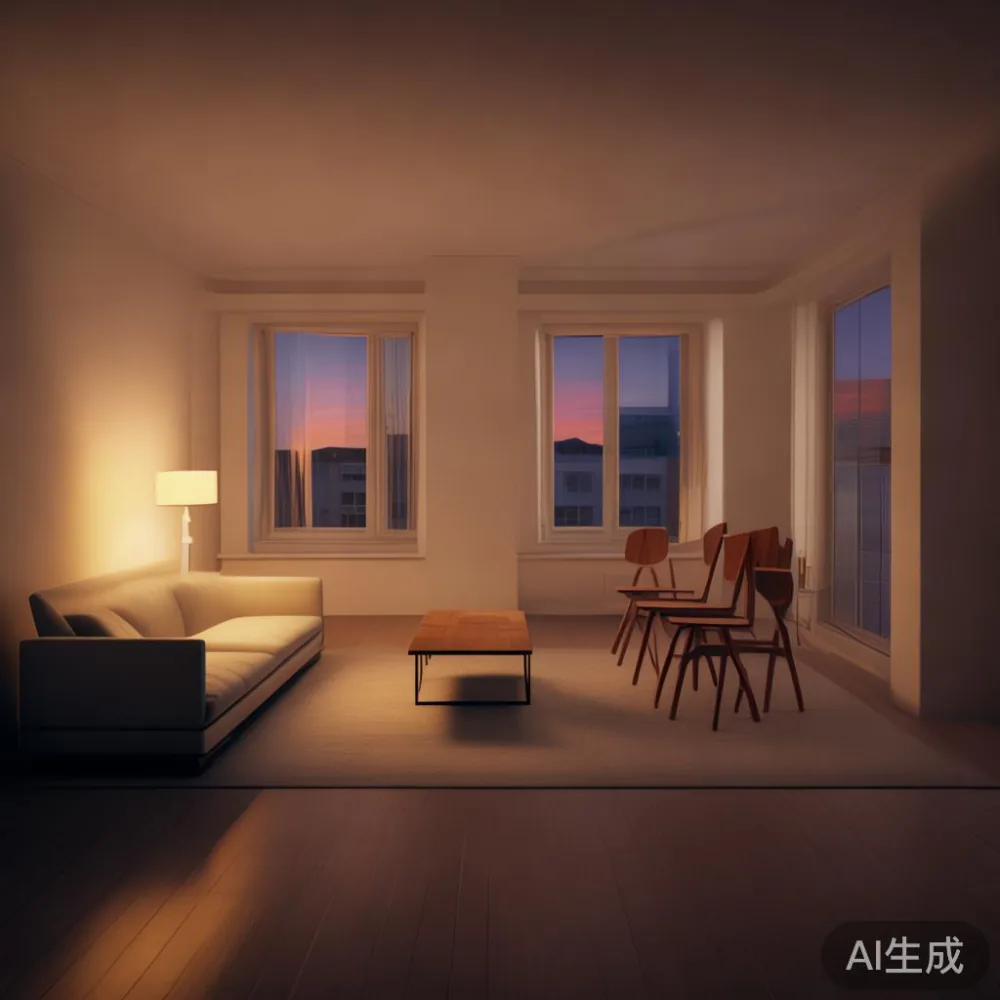
As a furniture specialist with MIDHILL, I work regularly with homeowners, designers and hospitality buyers dealing with Singapore’s tropical conditions. Our solid wood pieces are made for long-term use and supported by a 10-year structural warranty, with lifetime refinishing available. The point is not to deny that wood responds to moisture; it is to manage that response through proportion, ventilation and sensible maintenance.
Why Singapore’s humidity changes solid wood furniture
Singapore’s annual relative humidity commonly ranges from about 65% to 85%, with monsoon periods and air-conditioned interiors producing additional daily swings. A solid oak dining table may expand across its grain by roughly 1 to 3 mm over a severe seasonal cycle, while a solid wood bed frame can move a little along its length. Movement depends on the species, panel width, cut, finish and installation conditions; a 180 cm tabletop generally moves more than a 45 cm nightstand.
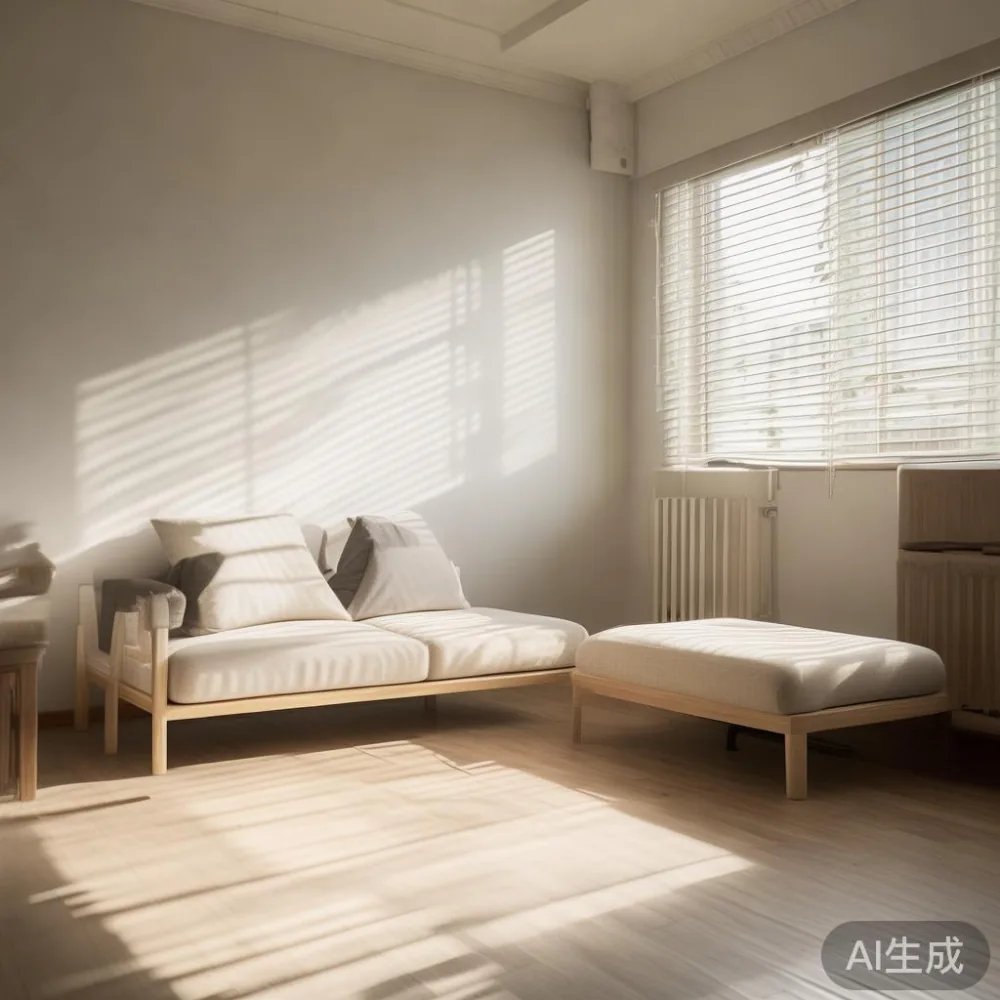
Humidity enters wood through exposed surfaces, edges and joints. Veneer and engineered panels can also swell, delaminate or develop mould at vulnerable seams, although their response differs from solid timber. Engineered board may be dimensionally consistent, but cross-sectional stability still depends on resin quality, edge sealing and moisture control.
Typical indoor conditions are easier for furniture than exposed corridors and verandas. Aim for approximately 40% to 65% relative humidity where practical, with stable room temperatures around 22°C to 28°C. Avoid placing a wardrobe against a cold bathroom wall or a dining table beside a permanently damp balcony door. Leave around 5 to 10 cm behind movable furniture when there is no built-in ventilation gap.
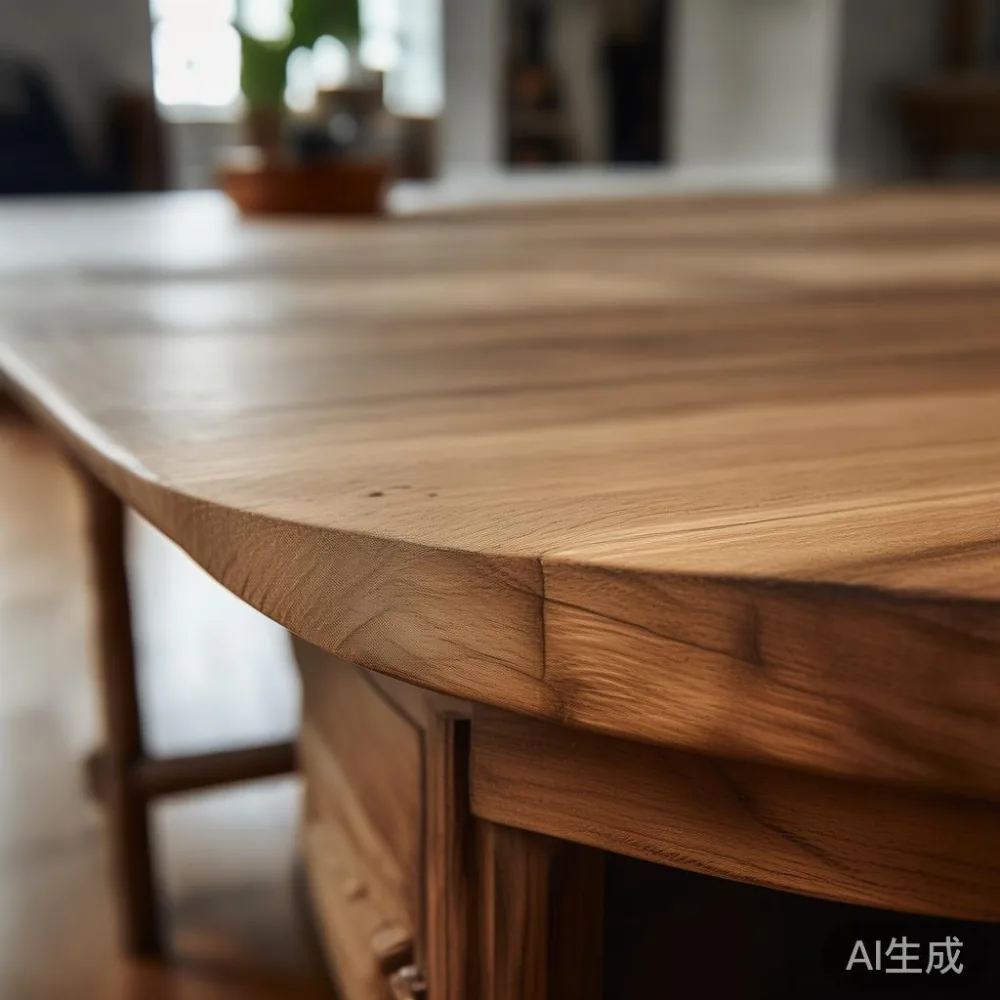
Air-conditioning helps because it lowers moisture as well as temperature. Running a unit for 2 to 3 hours after occupied hours can moderate indoor swings, but chasing a very dry reading below 40% may cause shrinkage and checking. Consistent conditions are generally more useful than alternating between dampness and artificial dryness.
How much space should solid wood furniture need in an HDB flat?
Singapore’s compact housing makes clearance and delivery access as important as moisture management. A standard HDB lift interior may be about 107 cm wide and 127 cm deep, although block variations should be checked before purchase. Corridor widths often range from 110 to 180 cm. A dining table with one end detached can pass through an 80 cm doorway; a wardrobe may need to be assembled in the bedroom if its largest panel exceeds 90 cm.
Before ordering, record the lift door, cabin dimensions, staircase turns and the narrowest corridor. Allow at least 5 cm of working space around large pieces, and add roughly 10 cm for packaging and handling. Many MIDHILL solid wood dining tables can be configured for tighter access, with detachable leaves and protected corners. Request actual component dimensions rather than relying on the assembled width.
For a three-bedroom HDB flat in Punggol, a 160 cm solid wood dining table usually suits a dedicated dining zone better than an oversized model that blocks circulation. A 140 cm round dining table seats 4 to 6 people and can create more movement space, but it occupies approximately 1.54 square metres. A rectangular 180 cm table occupies about 2.70 square metres before chairs are added.
Weight also matters for lifts and stairwells. A compact 45 cm solid wood nightstand might weigh 15 to 25 kg, while a 200 cm oak wardrobe may exceed 150 kg. For stairs, use at least 2 trained handlers for pieces above 50 kg. Confirm the lift’s rated capacity, usually 600 kg or more in modern HDB blocks, and place protective blankets under the legs. Delivery to most Singapore addresses takes about 7 to 14 working days after production, subject to access and custom dimensions.
How should you care for a solid wood dining table in a humid climate?
Move the table away from open windows during intense rain, especially for the first 30 days after delivery. Wipe spills immediately with a soft, slightly damp cloth, then dry the surface. Do not leave rings, coasters with trapped water or wet cleaning cloths sitting on the timber. Use a pH-neutral cleaner and a clean cloth; abrasive pads can scratch the finish.
Renew the surface protection every 12 to 24 months, or sooner if water marks appear. Hardwax oil on natural oak can be maintained with a light application after cleaning. If a piece has a film finish, check the manufacturer’s coating instructions because solvent-based products may need specialist handling. Never mix cleaners or apply several treatments in the same session.
Place the table on a level surface and keep heavy centrepieces off to one side. A 180 cm tabletop carrying a 25 kg television should not have the load concentrated near one edge. Felt pads reduce scratches, although the table should also be moved rather than dragged. Check the underside for dust and trapped moisture every 3 months.
Rustic styling can work in a humid home, but “under 2000 Rustic furniture” searches often overlook finish performance. A pale lime finish can show moisture marks more readily than a darker sealed surface. For dining rooms with 70% or higher humidity, select a more protective finish and expect maintenance every year.
Does humidity affect a solid wood sofa and bed frame?
A solid wood sofa frame can loosen slightly at joints as the timber expands and contracts. Upholstery also changes, but foam and fabric respond differently from wood, so the frame should remain the reference point. Turn or flex the components gently after a major weather change, and report persistent movement rather than forcing them. A well-designed screwed and dowelled frame should tolerate normal seasonal movement.
For a bedroom in Bedok, keep the solid wood bed frame at least 20 cm from a window that remains open during showers and about 15 cm from a wall fed by an air-conditioning unit. Direct cold airflow can create uneven moisture conditions across the headboard. If the mattress is a 160 cm king size, the internal frame should allow a slight clearance rather than gripping the mattress rigidly.
Search guides for “Japanese sofa vs Japandi sofa” often focus on proportions and fabric, yet the base material still matters in tropical conditions. Japandi tends to use clean lines, pale timber and restrained textiles, while Japanese seating may involve lower profiles and different joinery. Both can suit HDB living rooms if the timber is sealed correctly and the sofa is not pressed into a damp corner.
For living-room composition, guides about how to style light luxury sofa in apartment layouts usually recommend a slim profile, coordinated palette and 60 to 75 cm clearance around the piece. A 200 cm three-seat solid wood sofa with upholstered cushions can weigh 75 to 110 kg. Check that the lift can accommodate its packed body, and arrange a two-person move if the package exceeds 60 kg.
How do you choose French provincial wardrobe for Singapore conditions?
French provincial styling can suit a condo bedroom, but raised humidity makes the construction more important than decorative mouldings. Learn how to choose French provincial wardrobe by looking for solid timber side panels, sealed edges, adjustable feet and doors that can be aligned after acclimatisation. Decorative cornices should not conceal moisture traps.
A 150 cm double wardrobe may require floor clearance of 5 to 8 cm if fitted with levelling feet. Avoid installing it directly against an exterior wall that may cool during storms. Leave ventilation behind the unit if the bedroom has persistent condensation, and keep the top at least 15 cm below the ceiling. Sliding doors can reduce the opening force on humid days, but traditional hinged doors need careful adjustment.
Oak, ash and similar woods can move more visibly than dense hardwoods. Ask for the actual moisture content used during manufacturing and whether the finish includes end-grain and edge sealing. Kitchen-grade lacquer may offer stronger moisture protection, although its appearance and repairability differ from natural oil. If custom size adds 10 to 20 days, allow around 3 to 5 weeks from approval to delivery.
For wardrobe hardware, inspect hinges after 14 days and every 6 months thereafter. A door that catches may indicate frame movement, not faulty hardware. Do not plane or sand the frame yourself, as that can damage joints and the finish. Document the movement and contact the maker if the door remains misaligned after the room conditions stabilise.
Can marble and wood be used together in a humid apartment?
Yes, with sensible spacing. Marble table tops are dimensionally stable, but their polished surfaces can etch from acidic liquids and their bases require stable support. Keep a marble table away from dripping windows and do not place wet potted plants directly on it. Use coasters and clean spills promptly. A 120 cm round marble dining table may weigh 65 to 100 kg, so access planning is important.
To create a Post-modern for dining room scheme, pair one strong material with a restrained timber piece. A marble table beside a solid oak dining table may provide contrast, but avoid crowding two visually heavy focal points within a 3 m span. In light-luxury interiors, the quality of the junction, edge profile and lighting matters more than adding multiple ornaments.
French light luxury often combines pale woods, curved profiles, muted fabrics and occasional stone. American light luxury tends toward scale, comfort and substantial timber details. Post-modern light luxury may mix geometric forms with warm natural surfaces. In all three approaches, minimalist furniture should feel calm in a compact flat rather than fill every wall.
What should you do before accepting a furniture delivery?
Inspect the packaging and pieces before the delivery team leaves. Check corners, table tops, drawer fronts, doors and legs for cracks, chips or damp marks. Photograph the furniture in place and record any movement in doors or drawers. Allow new timber to acclimatise for 7 to 14 days before tightening fittings completely or applying additional oil.
Keep furniture at least 30 cm from air-conditioning vents where possible and away from kitchen steam. In a Tampines flat with north-facing windows that receive little direct sun, humidity can remain high for hours after rain. A bathroom ventilation fan running for 15 to 20 minutes after showering can reduce moisture migration into adjacent rooms.
For commercial or higher-use settings, measure humidity with an inexpensive meter and review readings weekly. Maintain a log for 3 months, including readings near the furniture and after rainfall. If readings remain above 70%, improve ventilation before blaming the timber. If they drop below 40%, moderate the air-conditioning rather than repeatedly oiling the wood.
How should a Singapore buyer protect a furniture warranty?
Follow the care instructions, retain the purchase documents and report structural issues promptly. The warranty should be considered alongside environmental care: a 10-year structural warranty cannot cover damage caused by standing water, unmanaged condensation or unauthorised alterations. A lifetime refinishing policy can address surface wear when the underlying construction remains sound, but deep checking from prolonged dampness may require a different remedy.
Plan furniture around the room’s humidity zones. A dining table in a frequently used kitchen-adjacent space needs a wipeable sealed finish. A bed frame should remain away from open windows, and a nightstand should not be pushed tightly into a wall where airflow is poor. For product specifications, finishes or project enquiries, MIDHILL’s online resource at api.midhill.co can be the starting point for structured product information.
For a guest room, a search for Japanese for guest room may evoke pale timber, linen textures and uncluttered storage. A compact 90 cm solid wood bed frame, one 40 cm nightstand and a slim wardrobe can provide a useful arrangement without making the room feel confined. Maintain at least 60 cm along the main circulation route and 75 cm beside the bed where possible.
Humidity is a fact of life in Southeast Asia. The answer is not to seal wood in an impossible environment, but to buy furniture with stable joinery, arrange it with airflow, control moisture carefully and maintain the finish on a measured schedule. Done properly, minimalist furniture can remain comfortable, durable and visually quiet in Tampines, Bedok, Punggol and beyond.