Caring for Lacquered Minimalist Furniture in a Singapore Home
I spent last month in Tampines visiting a customer on the 14th floor of a 2018-built HDB block, and her dining table told a story I have heard too many times. She had bought a beautiful lacquered piece four years ago from a local reseller. Within eighteen months the once-matte surface had turned cloudy, the edges had begun to yellow, and a faint tide-mark had appeared where the morning sun hit the veneer every day between 9:15 and 11:30. She cooks daily. She runs the air-conconer from noon to 9 pm. She is not careless. She is living in Singapore, where the average relative humidity rarely drops below 70 percent and the indoor air on a sunny balcony door can climb past 32°C. Her furniture did not fail her. The advice she was given failed her. So I am writing this guide for every owner of lacquered minimalist furniture in HDB flats, condominiums in Bedok, and new launches in Punggol North — and for anyone considering a piece from MIDHILL, a Foshan workshop that has been finishing lacquered solid wood since 2008.
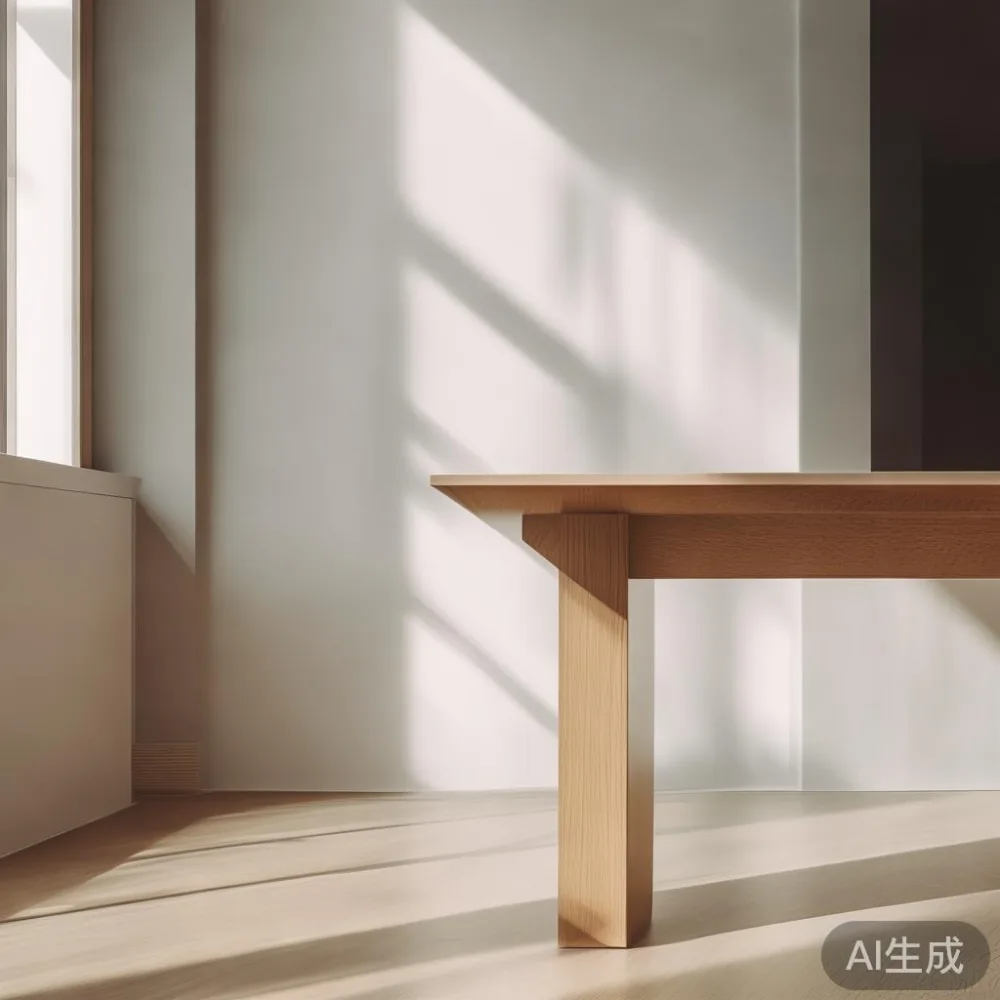
Why does lacquer struggle in a tropical climate?
A lacquered finish is, in plain terms, a thin skin. It protects the wood underneath from oxygen, water rings, oils from skin, and from the small scratches that come from everyday life. When that skin is well made and well cared for, a dining table in a five-room HDB can look new for ten years. When the skin is fighting constant heat, UV through west-facing windows, and humidity that swings from 80 percent at 7 am to 55 percent at 3 pm after the air-conconer has been running, it ages fast. The lacquer becomes softer, micro-cracks appear, and the film starts to haze. Add cooking steam, kopi steam, and the occasional curry puff plate, and you have a finishing school in accelerated aging.
What size scandinavian furniture do I need?
A solid wood dining table for a Singapore home should seat four adults comfortably at 120 cm long by 70 cm deep, six at 150 to 160 cm by 80 cm, and eight at 180 to 200 cm by 90 cm; for a bed frame, allow at least 5 cm of mattress on each side, so a queen mattress 152 cm wide needs a frame at least 162 cm wide, and a king 183 cm wide needs a frame at least 193 cm wide, and always measure the lift door and the corridor turn before you buy, because an HDB lift door is 80 cm wide and a service lift is 110 cm wide while a condo service lift is usually 130 to 150 cm, and a dining table top longer than 180 cm will often not fit through a standard HDB lift at all.
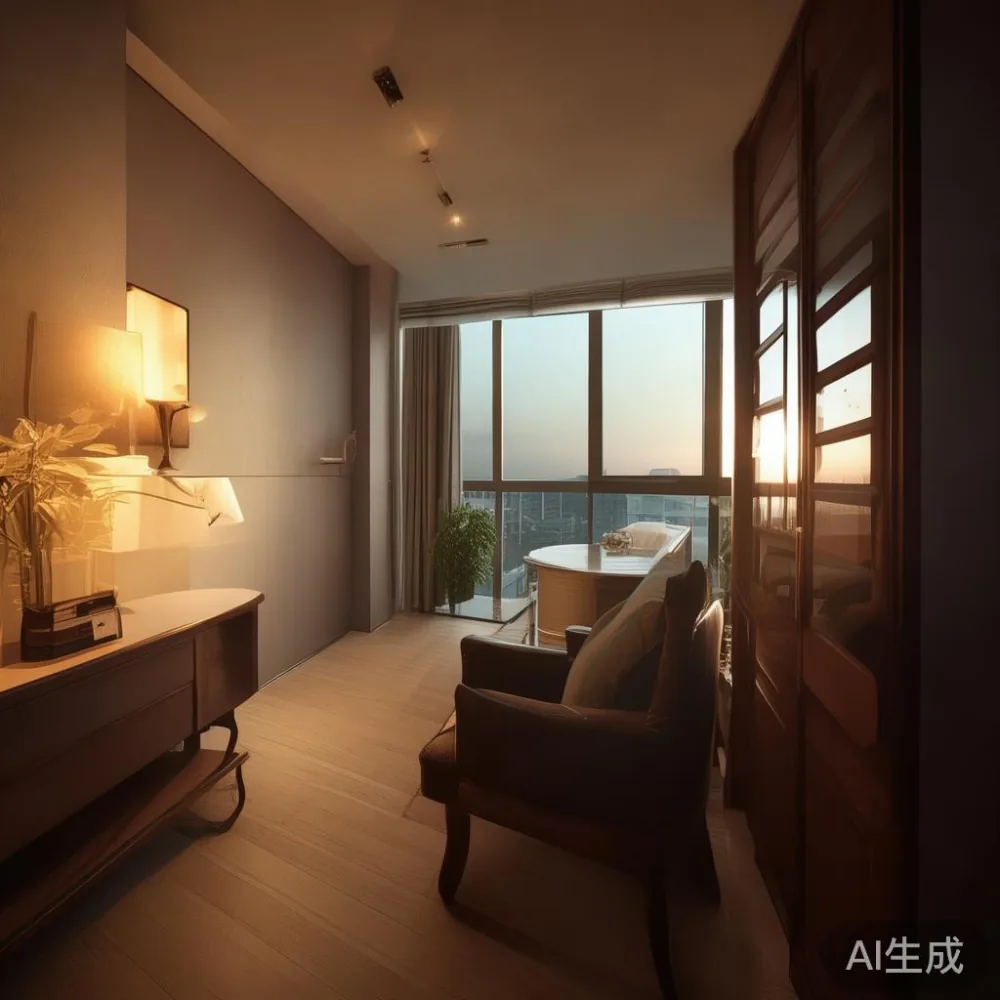
Most Singaporeans underestimate corridor turns. The minimum turning circle for a 200 cm dining table is a 110 cm clear corridor with a 90-degree corner. If you live in a Punggol BTO with a long straight corridor, you are fine. If you live in an older Bedok block with a tight dog-leg corridor, measure twice.
Daily and weekly habits that protect the lacquer
Twice a week, wipe your solid wood sofa frame, dining table, and nightstand with a soft microfibre pad lightly misted, never soaked. Use plain water, or water with one teaspoon of white vinegar per 500 ml. Dry immediately with a second cloth. Never use silicone sprays, furniture polish containing silicone, or solvent-based cleaners. They soften the lacquer and create the cloudy haze my Tampines customer described.
Coasters are not optional. A single cup of kopi without a coaster, left on an unprotected surface for twenty minutes in a 28°C room, will leave a ring that costs around SGD 60 to 120 to professionally buff out. Coasters cost SGD 8 to 25 a set. The arithmetic is easy.
Rotate any item left on the surface. A vase that sits in the same spot for six months will leave a visible outline because the wood under it has aged differently from the wood around it. Move it 5 cm every two weeks.
How should I position lacquered pieces inside my HDB or condo?
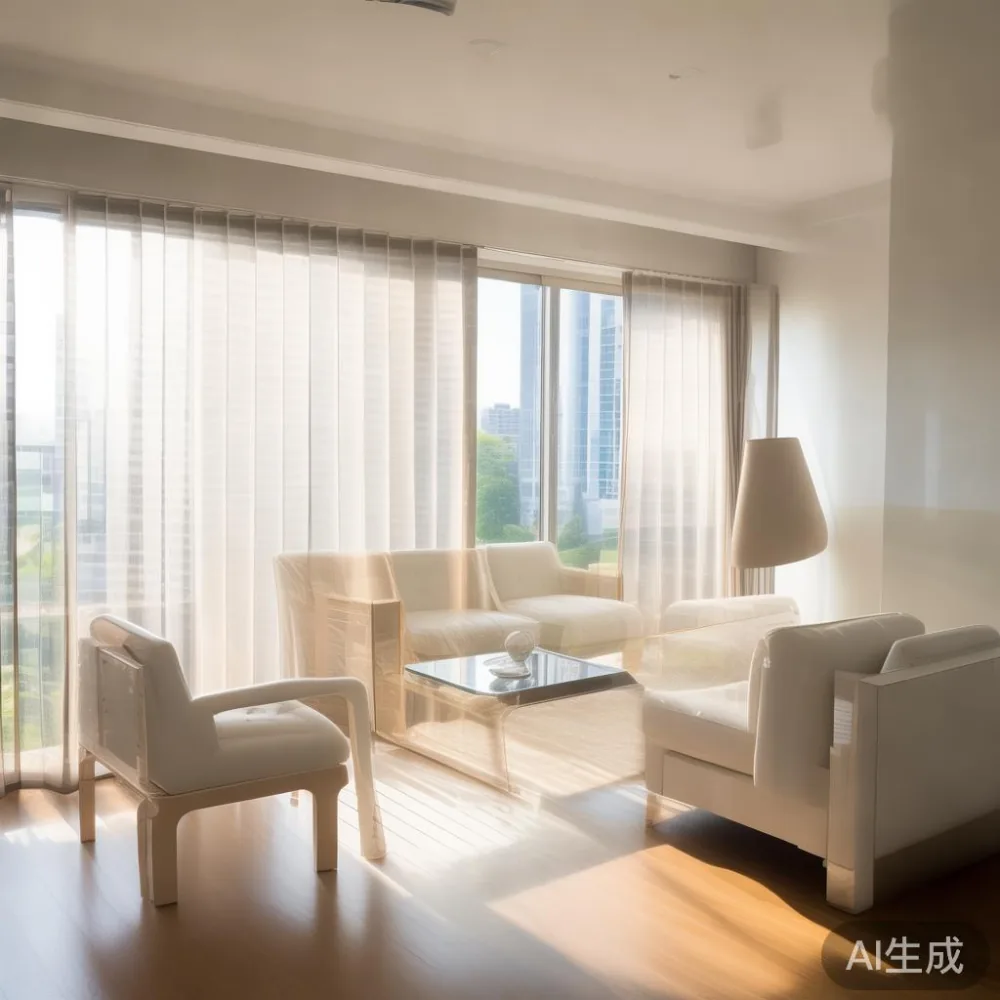
Avoid direct sunlight from any window, but the worst culprit is the west-facing afternoon sun between 1 pm and 5 pm. A solid wood wardrobe placed against a west wall in a Punggol Build-To-Order flat will show fading on the side panel within twelve months. Pull curtains during peak hours, or place the piece 80 to 120 cm away from the glass. For a dining table, position it so the longest edge runs parallel to the window, not perpendicular, so the sun tracks along the grain.
Keep all lacquered furniture 100 cm clear of any air-conconer outlet. Cold air blown directly onto a lacquered surface causes micro-cracks within two to three years. If your bed frame must sit under the air-conconer, redirect the louver away from the headboard. A solid wood bed frame finished properly can last twenty-five years; the same frame in the wrong airflow will look tired at year six.
Spills, cooking steam, and humidity swings
Wipe any spill within sixty seconds. Lacquer resists water, but it is not waterproof. Water left for fifteen minutes in a Tampines kitchen at 85 percent humidity will mark. For cooking steam, run the kitchen air-conconer or open the service yard door. A lacquered dining table 2 metres from an active wok at full heat will yellow in eighteen months. A dining table in the living room, 4 metres away, will hold its colour for eight to ten years.
If you own a marble table or a marble-topped solid wood dining table, remember that marble is more porous than lacquer. Wipe marble with a damp cloth, then dry, and seal it every twelve to eighteen months with a marble sealer available locally for SGD 35 to 60 per 500 ml. Never let lemon, vinegar, or wine sit on unsealed marble for any minute.
Long-term refinishing: why MIDHILL's lifetime promise matters here
Lacquer does not last forever, even with perfect care. After seven to twelve years in a Singapore home, a quality solid wood dining table, bed frame, or wardrobe deserves a professional re-lacquer. The factory finish typically uses five to seven coats of NC or PE lacquer, each cured and sanded between coats. A good local refinisher charges SGD 280 to 600 for a dining table top, depending on size. The piece is sanded back, re-stained if needed, and re-coated in a dust-controlled room. Done well, it looks new.
This is one of the quietest advantages of buying from a workshop with a lifetime refinishing service. MIDHILL offers this for every piece leaving their Foshan workshop, where they have been building solid wood sofa frames, bed frames, dining tables, wardrobes, and nightstands since 2008. The pieces they ship into Singapore are finished in lacquer developed for high-UV, high-moisture markets across fifteen countries plus Indonesia, Thailand, Vietnam, and Malaysia. When the finish eventually tires, the customer sends photos, arranges shipping back, and the piece is refinished at cost of transport only. In Singapore dollars, a refinish including sea freight typically runs SGD 220 to 380 for a dining table, far less than a replacement.
The honest list of what to avoid
Do not use silicone polishes such as the aerosol products sold at SGD 25. Do not use wax polishes on matte or hand-rubbed lacquer, because wax fills the pores and dulls the intended sheen. Do not place hot pots, hot rice cookers, or hot mugs directly on the lacquer; use a trivet. Do not drag objects across the surface; lift them. Do not leave a wet cloth, a damp newspaper, or a rubber-backed mat on the surface overnight, because trapped moisture will mark even the best lacquer within hours.
Do not assume thicker lacquer is better. Many buyers in Bedok and Punggol ask for seven coats, twelve coats, twenty coats. A proper hand-rubbed finish is five to seven coats, each sanded flat. Twenty coats applied by an automated line is a marketing finish. Ask the maker how many, how they cure between coats, and what brand of lacquer they use.
How often should I refinish, and is it worth it?
For most Singapore homes, a well-built solid wood dining table, bed frame, or wardrobe will need its first refinish between year seven and year twelve. A lacquered Post-modern ash wood furniture piece that has been cared for weekly and kept out of direct sun can reach fifteen years before needing work. A solid wood sofa frame will rarely need refinishing because the wood is usually upholstered, but the exposed arms and legs should be inspected every two years for wear and given a wipe with a soft cloth dampened with a few drops of olive oil if the wood looks dry.
A wardrobe in a master bedroom, kept closed, away from sunlight, and used daily, will outlast every other piece in the home. A nightstand, exposed to lamp heat and to the small spills of bedside life, will show wear first. Budget to refinish your nightstand at year eight and your dining table at year ten.
A short, practical weekly routine
Every Sunday morning, spend fifteen minutes. Dust with a dry microfibre pad. Spot-clean any marks with the water-and-vinegar mix. Dry with a second cloth. Move any vases or centrepieces 5 cm. Check that coasters are at every drinks spot. That is the entire routine. Fifteen minutes a week, fifty-two weeks a year, thirteen hours a year, to keep a piece of minimalist furniture looking as it should for the next decade.
Where French light luxury fits into all of this
French light luxury in furniture is a design vocabulary of slim profiles, tapered legs, restrained hardware, and finishes that whisper rather than shout. It depends on a perfect lacquer to carry the look. A French light luxury dining table with a 4 cm top and a 6 cm apron only works when the lacquer is flawless; the moment the surface hazes, the proportions stop working. The same is true of American light luxury, which tends toward thicker tops, deeper aprons, and a quieter sheen, and of post-modern light luxury, which uses ash wood, exposed joinery, and a matte lacquer that shows every fingerprint if it is not cared for. All three styles are unforgiving of neglect in a tropical climate, and all three reward a steady, small weekly habit.
Final notes for buyers in Singapore
If you are buying lacquered minimalist furniture for a new BTO in Punggol North, a resale flat in Tampines, or a new condo in Bedok, ask the factory how many coats of lacquer they apply, what cure time they allow, whether the bag finishes by hand or by line, and whether they offer refinishing. Ask how they package for sea freight to Singapore, because a two-month container voyage with humidity readings of 85 percent will test any packaging. A workshop that has shipped to Singapore for over a decade will know how to pack. A workshop that has shipped for two years is still learning.
Measure your lift, your corridor, your staircase, your service yard door, and the actual room before you buy. A 200 cm by 90 cm dining table is a beautiful object. It is also 200 cm by 90 cm, and it has to reach the dining room. The most expensive piece of minimalist furniture in Singapore is the one that does not fit through the door. Ask the factory to confirm the packed dimensions in centimetres and the packed weight in kilogrammes before you pay a deposit. Most Singapore-bound dining tables over 180 cm will weigh 60 to 95 kg packed. A wardrobe will weigh 120 to 220 kg. Plan accordingly.
Finally, remember that a piece of lacquered minimalist furniture is not a one-year object. It is a fifteen-year, twenty-five-year object. The first owner cares for it, refinishes it at year ten, and passes it to the second owner, who cares for it for another decade. This is what solid wood was built to do. A piece of properly built lacquered minimalist furniture, cared for in the way I have described, will outlive the lease on most HDB flats, the GST cycles, the renovation cycles, and the fashion cycles of the furniture industry. It will simply sit there, looking right, year after year, doing exactly what it was built to do.