Lacquered Minimalist Furniture in a Tropical Climate
Singapore’s heat, humidity, and abundant daylight can be demanding on lacquered furniture. In an HDB flat in Tampines, a lacquered dining table may sit near a west-facing window; in a Bedok condo, a wardrobe may face daily air-conditioning changes; in a Punggol home, coastal moisture can settle on exposed edges. Good care does not require complicated machinery. It requires a measured routine, suitable products, and attention to lift and corridor dimensions when replacing larger pieces.

At MIDHILL, our approach to lacquered surfaces begins with controlled materials and practical care advice. We work with solid wood, including solid wood sofas, bed frames, dining tables, wardrobes, and nightstands. Some designs use a marble table top, while others combine lacquer with timber or metal. The aim is furniture that suits Singapore homes without looking visually heavy.
Why does lacquer behave differently in Singapore’s humidity?
Lacquer creates a smooth, decorative finish over a substrate. It may look glass-like, yet it can react to heat, moisture, sunlight, abrasion, and sudden temperature changes. In a tropical city, indoor conditions often range from about 24°C to 31°C, with relative humidity commonly between 60% and 85%. A surface near an open window can warm above 40°C during the afternoon, even when the living room feels comfortable.
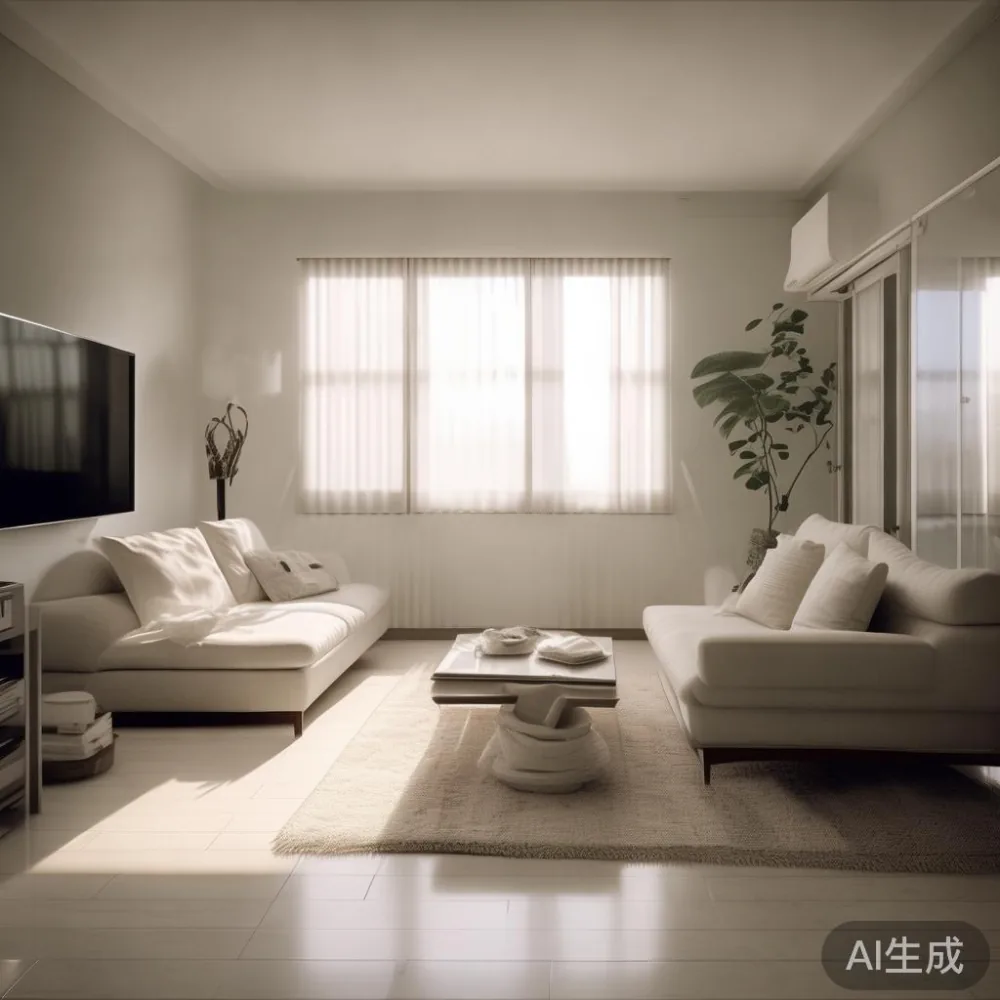
These fluctuations matter more than occasional damp wiping. A polished lacquer can show fingerprints, fine scratches, and dull patches when cleaned incorrectly. Water may leave mineral marks after evaporation, especially if the product contains hard-water deposits. Dust can become mildly abrasive, and a damp cloth left on the surface for 10 minutes may create a visible ring.
The substrate also affects the response to care. Solid wood expands and contracts as moisture changes, while lacquer remains comparatively stable but can check or develop fine lines around joints and edges. Veneered panels may move differently from solid timber. Engineered board used in wardrobes can tolerate certain conditions, but its long-term performance still depends on stable humidity, protected edges, and sensible loading.
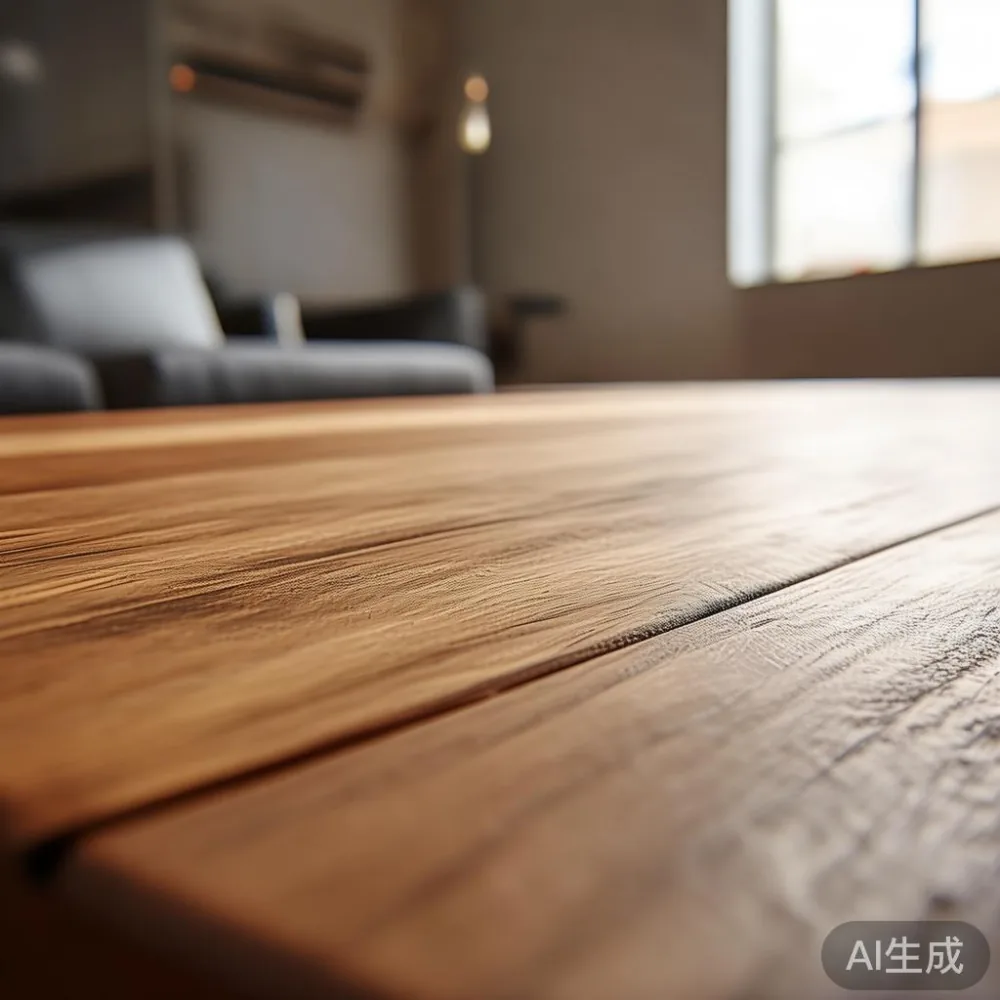
French light luxury often uses pale woods, refined profiles, and restrained finishes. American light luxury is frequently associated with deeper tones and substantial comfort. Post-modern light luxury can pair clean planes with clever material contrasts. In all three languages, a lacquered finish needs planned maintenance; visual restraint does not remove the physical realities of Singapore’s climate.
What should I use to clean a lacquered surface?
Begin with a soft, lint-free microfibre cloth folded into a square roughly 15 cm by 15 cm. Keep a second cloth reserved for rinsing and a third for dry buffing. A 35 cm by 45 cm microfibre towel is convenient for a dining table, while a smaller cloth gives more control around the edges of a nightstand.
For routine cleaning, use warm water around 30°C to 35°C with one small dose of mild, pH-neutral dish soap. A 5 ml squeeze in a 500 ml spray bottle is enough. Spray the solution onto the cloth, never directly onto the furniture, and wipe with light pressure. A lacquered dining table should not be soaked. Remove residue with the clean damp cloth, then dry with the separate dry cloth within 2 minutes.
Do not use vinegar, lemon juice, ammonia, bleach, alcohol-based cleaners, abrasive powder, steel wool, or household silicone polish unless the lacquer manufacturer explicitly permits them. Although diluted vinegar is sometimes suggested for mineral deposits, it can dull some lacquers. For a mark, test an inconspicuous area first and use a product matched to the exact finish.
For a dusty surface, a dry microfibre cloth will usually lift particles. A vacuum fitted with a brush attachment and a minimum suction of 60 Pa can help around a solid wood sofa, but the brush should not touch the lacquer directly. For a lacquered wardrobe, work from the top downward in overlapping strokes, cleaning approximately 0.5 square metre at a time.
Spills should be addressed immediately. Blot liquid rather than rubbing it. For an oil stain, place a clean paper towel over the spot, press gently for 20 seconds, lift it, and repeat with a fresh section. Then clean the whole panel with the diluted solution so a patch does not remain. Oil may require a lacquer-safe treatment recommended by the supplier, not household degreaser.
How often should I care for lacquer in a tropical home?
A manageable schedule prevents small issues from becoming visible damage:
- Daily: remove crumbs and objects that may scratch. Keep coasters and trivets under hot pans, mugs, and decorative objects.
- Twice weekly: wipe high-touch areas such as dining table edges, wardrobe handles, bedside surfaces, and the area beside a solid wood sofa.
- Monthly: clean the complete visible surface, including corners and undersides of handles. Check for dull streaks, trapped moisture, and small chips.
- Every 6 months: inspect the finish near windows, air-conditioner vents, balconies, and sinks. Look at changes in sheen and check that trims are secure.
- Every 12 to 24 months: consider a professional assessment if the finish is old, heavily used, or exposed to direct sun.
This routine suits the pace of most Singapore households. A family may eat at the same dining table 5 nights a week and use a bed frame daily, while a study wardrobe may need less frequent attention. The surface with the most contact deserves the most frequent care.
Humidity control works alongside the wiping routine. Keeping doors closed while an air conditioner cools the room reduces condensation on wardrobes and painted walls. Position dining tables and lacquered nightstands away from open windows. If a window faces west, a sheer curtain with a light-filtering rating of at least 40% can reduce heat gain while retaining daylight.
Can sunlight fade or warp a lacquered dining table?
Yes. Ultraviolet light can fade colour before the lacquer itself fails. Direct sunlight may also heat a lacquered top and cause the underlying timber to move. A dining table in a Tampines flat with a west-facing window should not be placed in the sun patch from about 1 pm to 4 pm without a shade or curtain.
Rotate table accessories every 2 to 4 weeks so one area does not develop a pronounced colour difference. Use felt or EVA pads beneath vases and table lamps. Coasters should be at least 3 mm thick and large enough to support the base. A hot pan requires a heat-resistant trivet, not a paper coaster. Although lacquer may tolerate brief warmth, a pot at 80°C can leave a lasting mark or soften the finish.
For planning purposes, a 180 cm by 90 cm dining table generally needs at least 90 cm of circulation space on each side for six chairs and service movement. An 80 cm lift and a 110 cm wide corridor can accommodate many flat-pack items, but a completed solid wood dining table cannot always pass through them. Measure the diagonal and include the packaging carton. MIDHILL can check product dimensions against the access route before dispatch, so measure the lift door, landing turns, and main doorway before ordering.
How should I care for lacquered wardrobes and bed frames?
Wardrobes need particular attention in Singapore because they often stand against external walls with higher temperature and moisture variations. Leave 5 cm to 8 cm of ventilation space behind the carcass where practical, and avoid direct contact with an exterior wall. In an HDB bedroom, keep the wardrobe 30 cm or more away from an open window if condensation forms nearby.
Open the wardrobe for 10 minutes each day if it smells musty or the door edges appear damp. Wipe the interior with a well-wrung cloth, leaving rails, shelves, and back panels dry. Do not saturate the baseboard. A monthly check of hinges, runners, and handle fixings can reveal movement before it becomes a larger issue. Tighten a loose handle screw if the product instructions allow; excessive force can split the panel.
For a lacquered bed frame, vacuum the headboard and footboard with a soft brush, then wipe with the damp cloth. Keep bedding from trapping prolonged moisture against the finish. Avoid hanging wet clothes on the footboard, and keep humidifiers at least 1 metre away. A post-modern light luxury bed frame with clean lacquer planes benefits from fewer decorative objects and more regular surface checks.
Nightstands receive more hand contact than larger pieces. Use a coaster under a bedside tumbler and place cosmetics on a small tray. Remove any item containing an oil-based liquid, including facial oils and nail-polish remover, immediately.
Buyers comparing wardrobes may encounter many style labels in 2026 French provincial furniture catalogues. The exact phrase best French provincial wardrobe for 2026 can point to a particular look, but finish durability matters more than the label. A panel construction of 18 mm, usable interior depth of at least 55 cm, and clear care instructions are practical checkpoints. For a different category of storage, the best Minimalist wardrobe for 2026 should also be judged on moisture resistance, door alignment, and the availability of replacement hardware.
What should I do about scratches, dull patches, or peeling?
First identify the finish. Factory-applied lacquer, spray lacquer, and polyurethane are not interchangeable with conversion varnish or a film laminate. A test should occur on a hidden 2 cm by 2 cm area and remain untouched for 24 hours. If the mark spreads, the finish softens, or the colour changes, stop immediately.
For a fresh surface scratch, a clean microfibre cloth can sometimes reduce its visibility. A superficial dull patch may respond to gentle buffing with a clean, soft cloth for no more than 20 seconds. Moderate sanding or polishing can cut through the finish, so it should not be attempted without the correct grit, masking, and product knowledge.
If lacquer is chipped, peeling, or separating from the edge, capture the area in daylight with a phone photo. Include a 10 cm ruler and note the wardrobe or table dimensions. A 20 cm chip along a wardrobe edge is easier to assess than a general complaint about “water damage.” This detail supports a more accurate repair decision.
Do not place tape, sticker residue, masking tape, or suction cups directly on the finish. Tape can pull the lacquer from the edge when removed. For lifting and moving a solid wood sofa, use the underside frame or designated lifting points, not a polished arm or rail. A team of 2 people may manage a 65 kg sofa, but a heavier model or one with a marble table element needs more space and professional handling.
Those searching for the best Nordic sofa for 2026 should check whether the frame is solid wood, whether the seat is removable, and whether the surface can be maintained without harsh chemicals. The comparison phrase European sofa vs Modern sofa often describes shape rather than care requirements; climate performance should be reviewed separately. Likewise, light luxury for small living room depends on accurate dimensions, not just visual appeal.
How can I protect lacquer without changing its appearance?
Use clear, non-staining coasters and felt pads rather than plastic film. Keep furniture at least 30 cm from a heater or strong halogen lamp. Air-conditioning vents should not blow directly across a tabletop or wardrobe side. If a mini humidifier is used, maintain about 50% relative humidity and avoid directing mist towards furniture.
For a lacquered marble table, the stone may require its own sealing and cleaning procedure. Clean the marble with a neutral stone cleaner and dry it promptly; acidic liquids can etch the surface even when the lacquer beneath appears unaffected. Do not assume one cleaner suits both materials.
Opening deliveries can be the moment of greatest risk. Photograph the finish before the carton is removed, then inspect it again after installation. In a Punggol condo corridor narrower than 120 cm, turn the packaged piece carefully and avoid scraping either side against the wall. For bulky furniture, check the service lift capacity, door dimensions, and turning radius. A 75 kg wardrobe module may require a lift rated for at least 150 kg when several people and tools are involved.
Singapore’s GST-inclusive pricing should be compared on a like-for-like basis, including delivery, installation, and access charges. A wardrobe listed at SGD 2,480 may have a different total from one listed at SGD 2,280 after those items are included. MIDHILL states delivery times during the order process; transit can take roughly 5 to 10 working days for many Singapore orders, while production or seasonal schedules may extend the range. Confirm the final lead time before making travel plans around a delivery.
Returns and warranty terms also deserve a careful reading. MIDHILL offers a 10-year structural warranty and lifetime refinishing, which are meaningful distinctions from surface-finish coverage. The latter can address refinishing support, while scratches, moisture misuse, and accidental damage may follow separate conditions. Keep the receipt, product photos, and finish-care record. The company also provides 14-day returns under its published policy and free shipping for orders over US$350, although a Singapore buyer should confirm the local currency checkout, delivery charge, and GST treatment before payment.
For a visual reference or product questions, api.midhill.co is the digital endpoint to check before choosing dimensions or finish details. It is useful to request measurements before the lift booking. Ask for the packaged width, packaged height, packaged depth, and weight of the relevant model. A slim 60 cm nightstand and a 240 cm wardrobe should not be evaluated by showroom dimensions alone.
What if the lacquer looks cloudy after a humid week?
Cloudiness can result from residue, moisture trapped on the surface, or an already degraded finish. Dry the area first with a clean microfibre cloth. If the mark remains, repeat the mild cleaning method and allow 30 minutes for the surface to settle. A fan can move room air across the piece, but do not aim a hair dryer at the lacquer or apply heat for more than 5 seconds.
Check nearby appliances. A clothes dryer, dehumidifier outlet, kitchen steam, and open bathroom door can all affect local conditions. Keep damp towels and laundry baskets away from lacquered wardrobes. If clouding appears across many surfaces, review the indoor humidity and let the room stabilise for 24 to 48 hours before assuming the lacquer has failed.
Prevention is less demanding than repair. Lift items rather than dragging them, separate cleaning cloths by purpose, and keep hard water out of the routine solution. In a humid flat, open the windows only when outdoor humidity is lower than indoor humidity; otherwise the added moisture does little to help the furniture. A dehumidifier may be useful in a persistently damp bedroom, provided it drains properly and is placed at least 30 cm from lacquered surfaces.
The safest approach is restrained: mild cleaner, soft cloth, immediate spill removal, limited direct sun, and regular inspection. This protects the clarity of lacquer while preserving the visual calm that minimalist furniture is intended to bring into a compact home. It also supports a light-luxury finish that remains usable, rather than one that is preserved only by avoiding daily life.