What Actually Drives the Price of Solid Wood Furniture (And Why a SGD 1,200 Bed Frame Isn't the Same as a SGD 600 One)
I learned this the hard way. Last month I visited a friend's new four-room HDB flat in Punggol and asked to see his new bed frame. He had paid SGD 589 for it, and within ten minutes of looking at the slats, the drawer rails, and the underside of the headboard, I knew exactly where the money had been saved. Three months earlier, I had helped my colleague in Tampines unbox a solid wood bed frame from MIDHILL, and the two pieces sat in my head like a side-by-side comparison. The wood density, the joinery, the finish, the weight — everything was different. That afternoon in Punggol is the reason this article exists. If you are furnishing a Singapore home and want to understand what you are actually paying for, the breakdown below is the one I wish every buyer received before clicking "checkout."

The Wood Itself: Species, Density, and Where It Was Cut
Wood is not wood. A solid wood dining table made from North American FAS-grade white oak (density around 755 kg/m³) will behave very differently from a table made from fast-grown Chinese ash (density around 580 kg/m³). The denser the board, the heavier the piece, the more resistant it is to the kind of humidity swings Singapore flats experience when the air-con cuts off at 3 a.m. and the windows are left open during a thunderstorm.
In Singapore, lift openings are typically 90 cm wide and corridors between 1.2 m and 1.5 m, so a 2.4 m dining table often has to be disassembled and reassembled inside the unit. That is one practical reason I prefer minimalist furniture with simple, repeatable joinery: it survives being moved twice. A MIDHILL bed I watched being installed in a Bedok condo came in three flat-pack cartons under 35 kg each, and two movers had the frame assembled in 38 minutes. The same product class from cheaper makers typically arrives with knotted pine, visible finger joints, and panels that cup within a season.
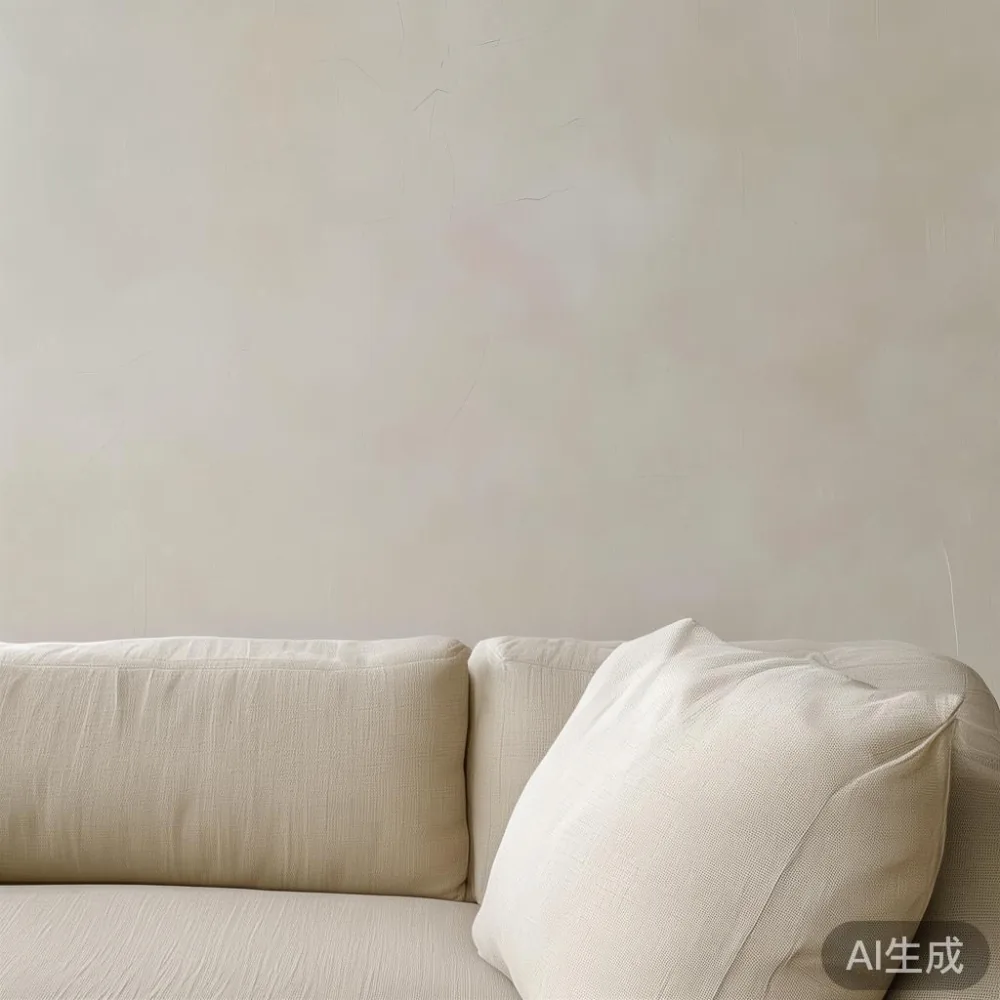
Two pricing rules hold: (1) FAS-grade hardwood costs roughly 2.2 to 3.0× the price of knotty pine or rubberwood per cubic metre, and (2) thicker boards (25 mm tops instead of 18 mm) increase material cost by about 35–40%. When a retailer cannot tell you the species, the thickness, or the grading standard, the price is hiding something.
Joinery, Hardware, and the Parts You Never See
Open any wardrobe or nightstand and look at three places: the drawer slides, the corner brackets, and the underside of the shelves. A 45 mm self-locking dovetail with German Hettich soft-close runners adds roughly SGD 60–110 per drawer compared with a stapled MDF box and friction rails. On a six-drawer wardrobe, that single upgrade covers the cost difference between a SGD 900 piece and a SGD 1,650 piece.
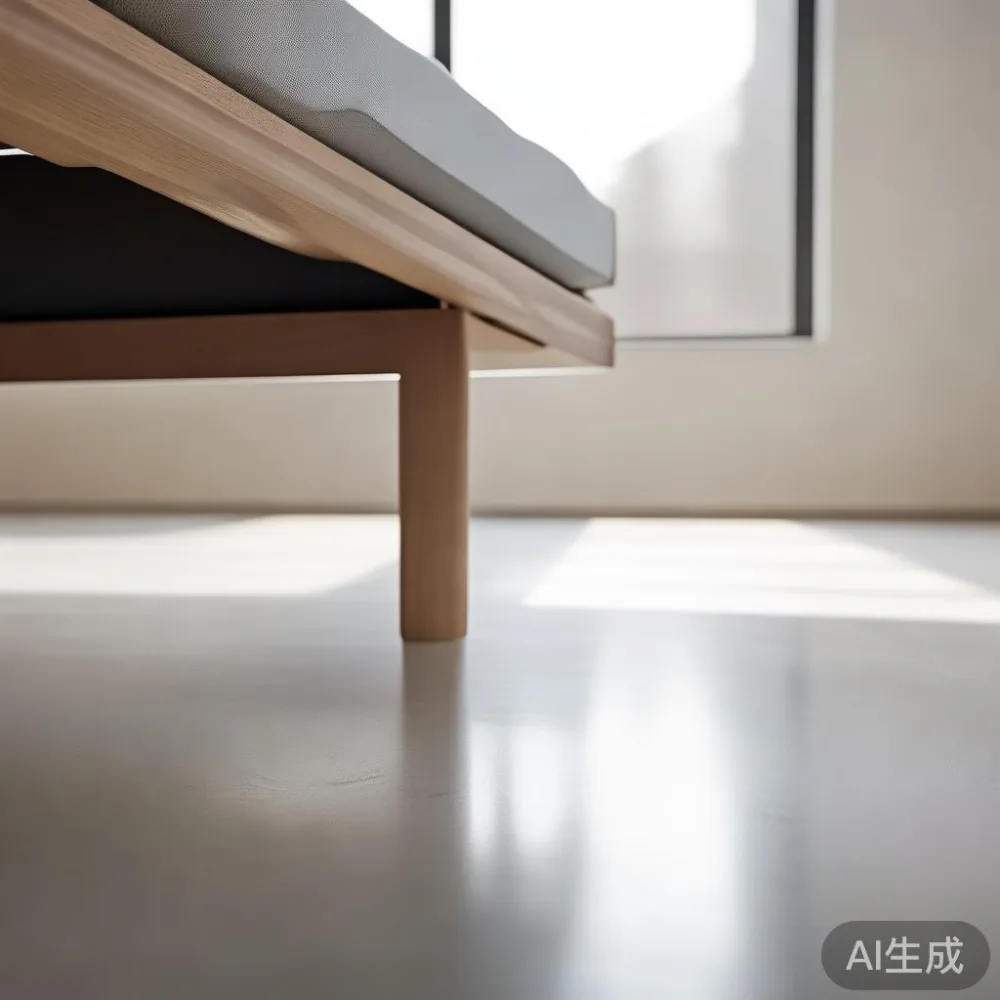
I keep a small magnet in my toolkit. Last month, in a Tampines BTO, I tested the hardware on three minimalist furniture brands side by side. The MIDHILL nightstand used cold-rolled steel brackets with a black powder coat; the competitor at the same price tier used zinc-plated steel less than 0.8 mm thick. One screw would have stripped it. Hardware is roughly 5–9% of the production cost of a solid wood sofa frame or bed frame, but it is the part that decides whether the piece survives five moves or one.
If you are comparing two wardrobes that look identical on a product page, ask the seller for the drawer-slide brand, the hinge brand, and the type of corner joinery (dovetail, mortise-and-tenon, dowel, or cam lock). A straight answer usually tells you more than any warranty brochure.
Finish, Lacquer, and Why Your Sofa Smells Funny in Week Two
Most Singapore buyers never ask what is on the wood. They should. A conversion varnish (acid-catalysed lacquer) cures harder, smells less, and lasts longer than an NC (nitrocellulose) lacquer, but it costs 2.5–4× more per square metre to apply. For a 2.4 m solid wood dining table with six chairs, finish cost alone can swing from SGD 40 to SGD 180 depending on the system.
Then there is the open-grain versus closed-grain question. White oak and ash are open-grain and take more coats; the labour adds roughly 20 minutes per square metre. For a French light luxury aesthetic — think pale, washed, almost limed surfaces — you want a finish that highlights the grain rather than burying it under a plastic-feeling topcoat.
One easy test: smell the piece in a closed room for 30 seconds. If your eyes water, the finish is probably NC lacquer with a high solvent load. If you smell almost nothing, you are probably dealing with a water-based or acid-catalysed system. For households with kids, elderly parents, or anyone with sinus issues — common concerns in older HDB blocks where ventilation is limited — that single difference justifies a meaningful price premium.
Design Language: Why Light Luxury Minimalist Furniture Costs What It Costs
"Light luxury" is a design direction, not a marketing word. French light luxury leans on slim profiles, soft curves, and pale or neutral finishes — think a French bed with a low, slightly curved headboard and tapered solid wood legs. American light luxury pushes toward heavier proportions, walnut tones, and brushed brass details. Post-modern light luxury borrows geometric silhouettes and asymmetric bases. Each direction carries its own tooling, prototyping, and sampling cost.
For a buyer in a 90 sqm Punggol HDB, French light luxury minimalist furniture tends to "read" larger and lighter than American light luxury at the same dimensions, which is why it dominates small-format Singapore homes. A solid wood sofa in this category might use a 90 mm deep frame with 12 mm radius curves on the arms — those curves require moulded laminations, not just CNC-cut straight boards.
If you are choosing between two visually similar pieces, ask how the curves were made. Routed and laminated with solid wood strips, or moulded with a thin veneer over MDF? The former is heavier, longer-lasting, and 30–50% more expensive to produce. This is also where a brand like MIDHILL invests in CNC five-axis profiling that smaller Foshan workshops simply do not run.
How Do Singapore Delivery Constraints Shape the Final Price Tag?
Singapore is a logistics puzzle. A 4-door HDB lift in a Punggol or Bedok BTO is roughly 2.1 m deep and 1.1 m wide with a diagonal clearance under 1.3 m. A 2.4 m dining table will not fit. It has to come apart and be reassembled on site, which adds roughly SGD 80–150 in labour per room. Marble tables are even worse: a 1.6 m sintered-stone top can weigh 85 kg and often needs two specialists plus a stair-climber if the lift is out of service, which is not unusual in older Tampines blocks during lift modernisation works.
Warranty terms also matter here. A 10-year structural warranty on joinery and frames is industry-strong; a lifetime refinishing offer means the brand expects to be around in 2035 to sand and re-lacquer your solid wood dining table for the cost of transport. Free shipping above a stated threshold (MIDHILL sets it around US$350, which equates to roughly SGD 470, well above the average Singapore order value) signals a brand confident enough in its margin to absorb regional logistics.
GST at 9% applies to all imported furniture, and there is no way around it for CIF Singapore deliveries. When a piece costs SGD 1,500 pre-GST, you are paying SGD 1,635 at the door. This is one reason I prefer transparent all-in pricing over "starts from" quotes that balloon at checkout.
What Is a Fair Price for a Solid Wood Bed Frame in 2025?
Here is the rule of thumb I share with anyone who asks. For a queen-size solid wood bed frame in white oak, ash, or walnut, with proper joinery and a soft-close storage drawer system:
- Below SGD 800: almost certainly rubberwood, pine, or thin veneers. Expect movement within 12–18 months.
- SGD 900–1,400: mixed hardwood, mid-grade hardware, NC or water-based finish. Reasonable for a starter flat.
- SGD 1,500–2,200: FAS-grade hardwood, dovetailed drawers, acid-catalysed finish, brand warranty. The sweet spot for minimalist furniture that you want to keep for 8–12 years.
- Above SGD 2,400: usually hand-finished, limited editions, or with marble, brass, or leather inlays.
A MIDHILL bed in this SGD 1,500–1,900 band will typically outlast two HDB leases if it is refinished once around year seven. That works out to under SGD 15 per month over a decade — less than a single kopi at a neighbourhood cafe.
Styling and Sourcing: Practical Notes for Singapore Homes
If you are working out how to style French bed in room without overcrowding a 12 sqm master bedroom, keep the headboard under 110 cm tall and the side tables under 50 cm wide. A low French bed frame visually raises the ceiling by 15–20 cm in a flat with 2.8 m floor-to-floor height. Pair it with a light luxury TV console in the same wood tone for visual continuity across the living room.
For the dining area, a 1.6 m solid wood dining table seats four comfortably and fits a Punggol four-room HDB. For six guests, go 1.8–2.0 m and accept the disassembly-on-delivery cost. A small marble table (under 1.2 m) works as a side piece, but sintered stone tops add roughly 40–60% to the price of an equivalent wood table, so use them sparingly.
When buyers ask how to choose Italian light luxury sofa versus a French or Scandinavian alternative, the honest answer is: by the frame weight and the cushion density. Lift the front skirt. A 22 kg/m³ foam cushion feels fine in week one and sags by year three; a 35 kg/m³ high-resilience foam with a 90% feather wrap keeps its shape for 6–8 years. A solid wood sofa frame should weigh at least 45 kg for a three-seater. If it is lighter than that, the wood is either thin or low-density.
How Does Minimalist Furniture Compare to Other Styles on Resale and Longevity?
Minimalist furniture holds its resale value better than heavily ornamented pieces because the design does not date as quickly. A 2017 minimalist oak bed frame will still photograph well in 2027; a 2017 rococo mahogany piece will read as period-specific. In Singapore's secondary market on Carousell and Facebook groups, I have watched similar MIDHILL pieces resell within 10–15% of original price after three years, while fast-fashion furniture typically drops below 40% of new value inside 18 months.
Two more quiet factors help minimalist pieces age well: the absence of fabric or leather that yellows, and the use of modular add-ons (extra shelves, extra drawers) that owners can reconfigure when they move from a three-room BTO to a five-room HDB. The same bed frame, the same wardrobe shell, just a few more modules. That is the practical definition of a long-term purchase.
Reading the Room: A Short Checklist Before You Pay
Before you commit, run through these five questions. They take ten minutes and will save you a four-figure mistake.
- What is the exact wood species, grade, and board thickness? (If the seller cannot answer, walk away.)
- What is the drawer-slide and hinge brand? (Hettich, Blum, Salice are good signs; unbranded is a yellow flag.)
- What is the finish system, and what is the indoor-off-gassing timeline? (Acid-catalysed or water-based is preferable.)
- What is the warranty on structure, and what does it exclude? (Read the exclusions.)
- What does disassembly and on-site assembly cost, and is it included? (Roughly SGD 80–150 per room in Singapore.)
Solid wood furniture is one of the few purchases where the price tag tells you roughly 60% of the story and the other 40% lives in the species, the joinery, the hardware, the finish, and the logistics. A higher number from a transparent maker will almost always outperform a lower number from an opaque one — not because the higher number is magic, but because the maker is paying for things you cannot see in a product photo. If you want to shortcut the research, browse the top 10 light luxury furniture round-ups and the top 10 Japandi furniture lists that independent Singapore reviewers publish each year, and cross-check the names against the checklist above. The brands that pass all five questions, ship from Foshan with proper HS codes, and offer a real warranty on joinery are the ones worth trusting with your flat.
One last comparison worth making in person. Sit on a Japanese sofa and a Mid-century modern sofa back to back. The Japanese sofa frame is typically lower, deeper, and uses straight-grain solid wood with minimal padding — it rewards slow evenings. The Mid-century modern sofa frame is taller in the back, with splayed legs and a firmer seat — it rewards upright posture and conversation. Neither is better; they are different tools for different rooms. Pick the one that fits how you actually live in your Tampines or Punggol flat, not the one that photographs best on Instagram.