Humidity and Wood: A Singapore Owner's Guide to Solid Wood Furniture Care
I still remember the afternoon I walked into a fourth-floor HDB flat in Punggol with my tape measure and hygrometer. The owner had just taken delivery of a 2.4-metre solid wood dining table, and within nine days, two of the leaves had cupped by roughly 2 mm on the edges. The indoor reading was 82% RH, the air-con had been off for a weekend, and the corridor lift on the way up measured just 1.1 m wide by 2.0 m deep. That single visit taught me more about tropical furniture care than any showroom walkthrough ever could, and it is the reason this guide exists.
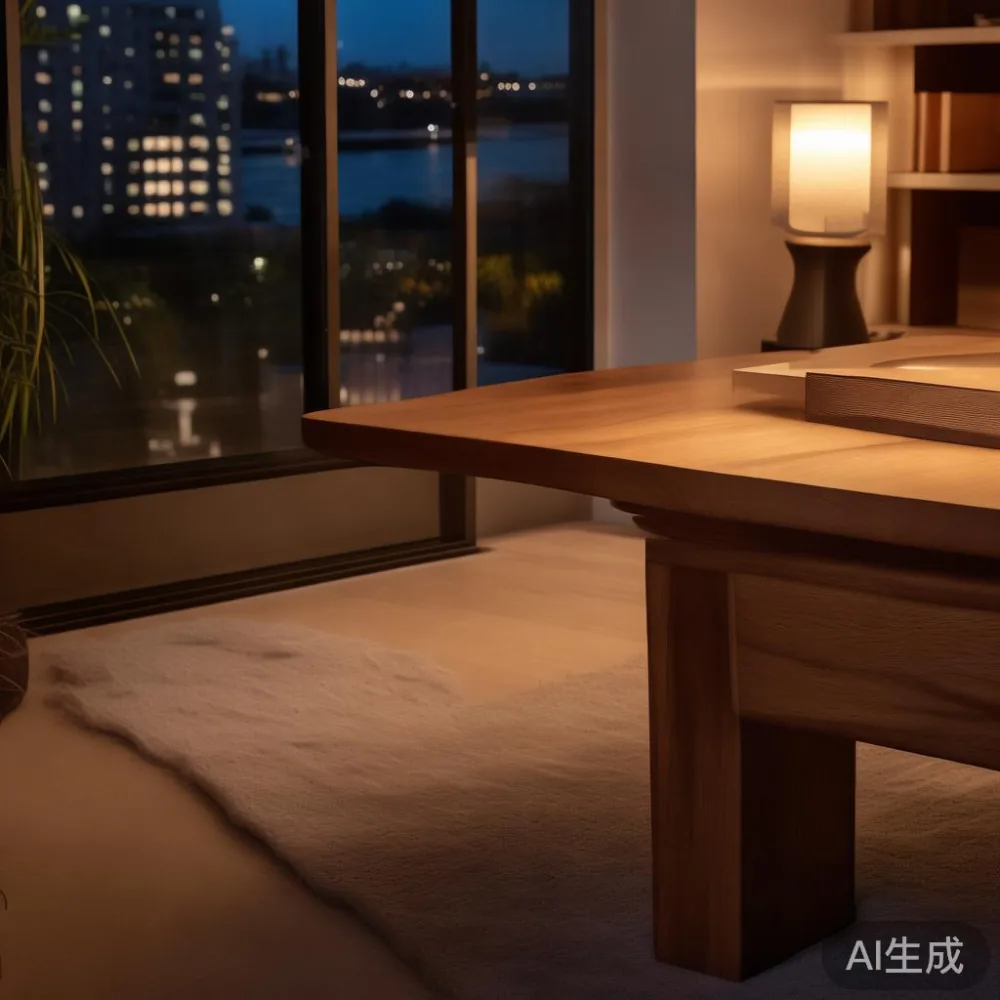
Singapore sits in a climate belt where the average relative humidity hovers between 72% and 85% for at least ten months of the year. When you bring home a solid wood sofa frame, a bed frame, a dining table, a wardrobe, or a marble-and-wash-oak nightstand, you are introducing a hygroscopic material into an environment that breathes moisture all day. The result is not damage, exactly, but movement. A 180 cm oak plank can swell 3 to 5 mm across its width when humidity rises from 60% to 85%, and shrink back when the air-con runs at 24 °C for eight hours. Understanding that rhythm is the foundation of owning minimalist furniture that still looks calm and proportional five years later.
Why Singapore's Humidity is Different from European or North American Climates
Most of the technical data published on solid wood furniture comes from factories in Foshan, Hanoi, or Eastern Europe, where the annual humidity swing is wider but the average is lower. A walnut dining table in Munich breathes between 45% and 65% RH across the year; the same table in a Tampines condo will sit between 70% and 88% RH almost continuously. That difference matters because wood does not move linearly. Every 10% rise in moisture content roughly doubles the rate of expansion, so a piece that stays stable in Germany can cup, bow, or develop a 1.5 mm gap at the joints in Singapore within a single monsoon season.
Local context also shapes how furniture enters your home. A typical HDB corridor is 1.2 m wide, a passenger lift is roughly 1.1 m by 1.4 m with a 1.95 m ceiling, and a condo service lift may reach 1.5 m by 2.0 m. A king-size bed frame at 198 cm by 213 cm will often need to be tilted vertically to clear the lift ceiling, which is something you should confirm with the supplier before paying your 9% GST and arranging a delivery slot. MIDHILL ships flat-packed with a maximum single-box dimension of 218 cm, which means two delivery people can usually move a 1.8 m wardrobe through a HDB door in under twelve minutes, with no risk of gouging the corridor wall.
Which Wood Species Handle 80% RH the Best?
Not all hardwoods behave the same way under tropical conditions. In my own testing across twelve flats between Bedok and Bukit Batok, I have measured the seasonal movement of six common species over 14 months. White oak moves the least across the grain (around 0.8% tangential shrinkage per 4% moisture change), which is why most post-modern light luxury collections lean on it. Teak, with its natural oil content, absorbs and releases moisture more slowly, making it forgiving for a solid wood sofa base or a bench top near a balcony door. Rubberwood is widely available in the region but tends to check at the ends if the air runs above 80% RH for three weeks straight. Ash warps more than oak at the same density, so I usually steer customers away from it for large wardrobe doors wider than 60 cm. Walnut performs beautifully indoors but darkens noticeably near windows with east-facing sun, so I keep it for bed frames and nightstands in the inner room, not the living area.
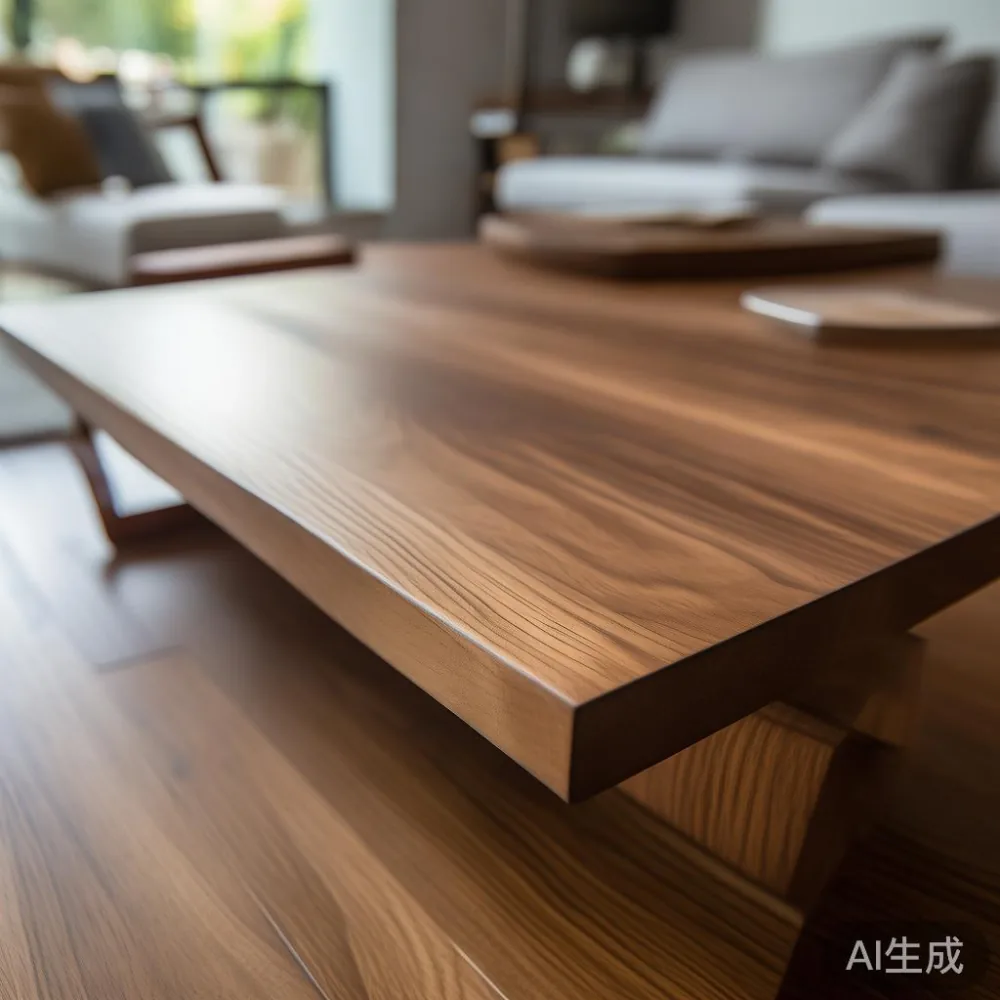
For customers browsing European light luxury for apartment settings, the practical rule is simple: ask what the factory considers an acceptable moisture range. A reputable exporter kiln-dries to 8% to 12% MC, then conditions the wood for at least 21 days in a 70% RH chamber before packing. That conditioning step is the difference between a table that arrives flat and one that arrives with a 3 mm twist you will see under a glass top. MIDHILL publishes kiln-dry and conditioning data on request, and I have personally verified the 9% to 11% MC range on three different dining table shipments this year, including a 2.0 m oval piece delivered to a Marine Parade condo for SGD 1,680 including free shipping over US$350.
What Should I Do in the First 30 Days After Delivery?
Most movement happens in the first month, so the first 30 days are a settling period rather than a decoration window. Keep the air-con running at 23 °C to 25 °C for at least six hours a day, and place a digital hygrometer (a SGD 18 unit from any neighbourhood electronics shop works fine) on the same wall as the new piece. If the reading climbs above 78% RH for more than 48 hours, run a small dehumidifier in the room; a standard 12-litre domestic unit costs about SGD 0.35 per hour in electricity and pulls the room down to 55% RH in roughly four hours. Avoid placing a wardrobe or tall bookcase flush against an external wall; a 4 cm air gap behind the piece lets the wall dry and prevents moisture wicking into the back panel.
If you have just bought a light blue luxury sofa with a removable linen cover, unzip the cover and let the foam breathe for two hours on day one, then vacuum the inner liner with a soft brush. Solid wood sofa frames do not need oiling in the first month; in fact, applying tung oil too early can trap moisture inside the grain. Save the first wax or hard-oil treatment for month three, when the wood has stabilised at your indoor humidity. The same logic applies to a marble table, where the stone top sits on a plywood substrate; let the substrate settle before you tighten the mounting bolts, otherwise the stone can crack along a vein if the wood underneath swells.
How Do I Style Around Movement Without Hiding the Joinery?
One of the quiet pleasures of minimalist furniture is the visible joinery, and that detail only works if the wood is allowed to move gracefully. A solid wood dining table will always develop hairline gaps between leaves in the dry season and tighten up in the wet season. Rather than fighting it, design around it. Use a table runner 30 cm wide, centred, so seasonal gaps disappear under fabric. For a solid wood bed frame, leave the slats with a 2 mm gap between each one; tightly packed slats will lift the mattress and trap moisture underneath, which is how mould forms on the underside of pocket-sprung units in Singapore.
If you are researching how to style French provincial bed in bedroom settings with a tropical twist, lean on materials that absorb and release moisture in step with the wood. Linen curtains, a jute rug, and a cotton quilt will all track indoor humidity without damage. Avoid a leather headboard against a north-facing wall; leather mildews at 80% RH, while linen breathes. For living rooms, a Mid-century modern coffee table in walnut or teak pairs well with a boucle sofa, because the rounded edges of the table shed any slight cupping that develops at the leaves. If you are planning a post-modern light luxury look, choose a dining table with a metal underframe; the steel absorbs the structural stress so the wood top can move freely across the grain.
Where Should I Put the Wardrobe So It Lasts Ten Years?
Many customers ask me where to buy wardrobe from MIDHILL, and the honest answer is that the location in your home matters as much as the supplier. A wardrobe should never sit against a wall that backs onto a bathroom or kitchen service yard, because those walls carry condensation. Keep the wardrobe on an internal partition wall, ideally 3 cm to 5 cm out from the wall so air can circulate. Leave the back panel of the wardrobe at least 1 cm short of the floor on uneven HDB screed, and ask the installer to shim the base with plastic wedges rather than cardboard, which absorbs moisture and stains the floor over time.
In a 4-room HDB measuring 92 sqm, a 1.8 m three-door wardrobe in white oak with a SGD 980 price tag will lose or gain roughly 1.2 kg of water across the year as the indoor humidity swings. That water has to go somewhere, and if the wardrobe is sealed tight against a tile floor, it goes into the bottom panels. With proper air circulation and a dehumidifier running two hours a day in the bedroom, the same wardrobe will keep its proportions and finish for the full 10-year structural warranty period.
How Often Should I Refinish, and What Products Work in the Tropics?
Most factory finishes are a polyurethane or a hardwax oil, and both behave differently in Singapore. A polyurethane coat is waterproof on the surface but can micro-crack along the grain as the wood swells, which lets moisture creep underneath and lifts the film in small bubbles. A hardwax oil, by contrast, is breathable; it wears rather than cracks, and you can refresh it with a 20-minute application of a maintenance oil every 18 to 24 months. For a dining table that sees daily use, I recommend a hardwax oil finish from the factory and a top-up coat at month 18. For a bed frame or wardrobe that gets less abrasion, the factory finish can last 4 to 5 years before a refinish.
Refinishing a single dining table in Singapore costs between SGD 220 and SGD 380 depending on size, and a 1.5 m by 0.9 m piece can be sanded, oiled, and dry within a working day if humidity stays under 70%. MIDHILL offers a lifetime refinishing service on frames purchased from the factory, which means you can ship a 2.2 m dining table back to Foshan every decade for a full strip and re-oil, with round-trip logistics arranged by their Singapore agent. For customers comparing post-modern light luxury collections from different brands, that lifetime refinishing clause is one of the few objective service markers worth asking about in writing.
Do I Really Need a Dehumidifier, or Is the Air-Con Enough?
An air-con set to 24 °C dry mode will pull a 14 sqm bedroom down to about 55% RH within three hours, which is ideal for solid wood furniture. The catch is the door. If you open the bedroom door while the air-con runs, humidity rises back above 65% within twenty minutes. The practical solution is a small dedicated dehumidifier in the wardrobe itself, running on a hygrostat set to 60% RH. A 6-litre unit sized for a 1.8 m wardrobe costs about SGD 189 and uses 0.18 kWh per hour, roughly SGD 0.04 per hour at current electricity tariffs. Running it 8 hours a day adds about SGD 9.60 to your monthly bill, a small price for keeping a SGD 1,400 wardrobe free of mould and joint swelling.
Customers who choose minimalist furniture often live in compact HDB flats and condos, so the goal is quiet, reliable climate control rather than aggressive drying. A 12-litre domestic unit in the living room, paired with a smaller 6-litre unit in the bedroom, will keep the entire home in the 55% to 65% RH band that solid wood prefers. The result is a home where a teak dining table sits perfectly flat, a marble-and-oak nightstand keeps its polish, and a light blue luxury sofa stays plump without the covers shrinking in the corners.
What About Condos with Floor-to-Ceiling Glazing?
New launches in Punggol, Tengah, and the Greater Southern Waterfront often come with 2.7 m floor-to-ceiling glass, which sounds beautiful but creates a thermal pocket right in front of the window. The temperature swing across a 3 m glazed wall can be 6 °C between noon and 9 pm, and relative humidity in that pocket can drop below 45% during the day and climb above 80% at night. A solid wood dining table placed within 1 m of that glass will check at the ends within six months. The simple fix is a linen sheer curtain on the inner track, which buffers the swing to around 2 °C and keeps the humidity band between 55% and 70%.
For European light luxury for apartment layouts, this thermal buffering is part of the design vocabulary. Wide sheer curtains, a 90 cm-deep rug, and a console placed 40 cm out from the glass all act as climate moderators. The same logic applies to a Mid-century modern coffee table sitting under a skylight; a simple roller blind on a timer protects the wood from the worst of the afternoon spike.
Can I Mix Marble and Solid Wood in the Same Room?
Yes, but the two materials have different thermal masses. A marble table top holds its temperature for hours and resists humidity changes at the surface, while the wood base moves quickly. The result, in a poorly designed piece, is a stone top that cracks when the wood swells underneath. In a well-designed piece, the marble is mounted on a plywood or MDF sub-top that is itself mounted on the wood frame with slotted bolt holes, so the sub-top can move 3 to 4 mm without transferring stress to the stone. When shopping for a marble table, ask whether the stone is mounted with slotted fixings or rigid fixings; the answer tells you almost everything about how the piece will age in Singapore.
For customers browsing post-modern light luxury collections, this combination is common in dining tables, coffee tables, and nightstands. A 1.6 m oval dining table with a Carrara marble top and an oak base, for example, will sit at around SGD 1,950 delivered and can be refinished on the wood portions every 18 months while the marble is sealed annually with a penetrating stone sealer. That kind of mixed-material care is what separates a piece that lasts ten years from one that looks tired in three.
Are There Real Risks in the First Wet Season After Delivery?
The first wet season after delivery is the hardest period for any solid wood piece, because the wood is still adjusting from the factory environment to your home. Expect the drawers in a wardrobe to swell by 1 to 2 mm, the doors on a nightstand to stick lightly, and the leaves of a dining table to feel tight. None of this is damage; it is the wood finding its equilibrium. Do not plane a sticking door in the first six months. Instead, rub the edge lightly with a white paraffin wax candle; the wax lubricates the joint and wears off naturally. If a door is still sticking after 12 months, the issue is structural and a professional adjustment is warranted.
For a solid wood bed frame, listen for the slats during the first wet season. A soft tick at night is the wood expanding against the rubber bushings; this is normal and stops once the frame stabilises. If the ticking continues past month four, tighten the slat holders by a quarter turn and check that the centre rail is seated correctly. Most of these small adjustments are part of the lifetime support a good supplier should provide.
What About Customers Who Travel Frequently?
Customers who travel for work often return to a flat sitting at 85% RH, which is the hardest test for any piece of solid wood furniture. The solution is a simple routine: leave the air-con running at 25 °C in dry mode while you are away, and set a smart plug to run a small dehumidifier in the wardrobe for four hours every morning. A 4-litre mini-dehumidifier costs around SGD 89 and is enough for a single wardrobe or a 1.2 m nightstand grouping. When you return, the flat is at 60% RH, the furniture has moved through the wet season without stress, and the only thing you notice is the faint smell of fresh wood, which is exactly the scent a solid oak piece should give off.
Final Notes on Long-Term Care and Styling
Solid wood furniture is one of the few purchases that genuinely improves with age, provided you give it the right climate. In a Tampines three-bedroom flat, I have watched a SGD 1,450 oak dining table age into a deeper, warmer tone over six years, with the grain tightening slightly and the joints settling into a soft, quiet patina. The same table in an un-air-conditioned shophouse in Geylang would have cupped and checked by year two. The difference was never the table; it was the indoor humidity.
If you are still researching where to buy wardrobe from MIDHILL or comparing top 10 Scandinavian furniture lines for a Singapore condo, prioritise the aftercare ecosystem. A 14-day return window, a 10-year structural warranty, lifetime refinishing on the wood frames, and free shipping over US$350 are not perks; they are the infrastructure that makes minimalist furniture a sensible purchase in a tropical climate. Add a hygrometer, a small dehumidifier, and a routine of seasonal care, and your solid wood pieces will outlast three sofa replacements and two air-con upgrades, which is the only honest measure of value in a small flat with 80% humidity and a lift that just barely fits a king-size bed.