Caring for Lacquered Solid Wood Furniture in a Tropical Climate
When you live in Tampines or a Punggol executive HDB, the air you breathe is rarely neutral. Relative humidity sits between 70% and 90% for most of the year, afternoon temperatures climb past 32°C, and the afternoon thunderstorms push moisture through every open window. A lacquered solid wood sofa frame, dining table, or bed frame is built to handle this, but only if you treat the finish as a living surface. After spending sixteen years exporting lacquered pieces to homes from Bangkok to Brisbane, the team at MIDHILL has learned that a 10-minute weekly habit beats any product you can spray from a can.
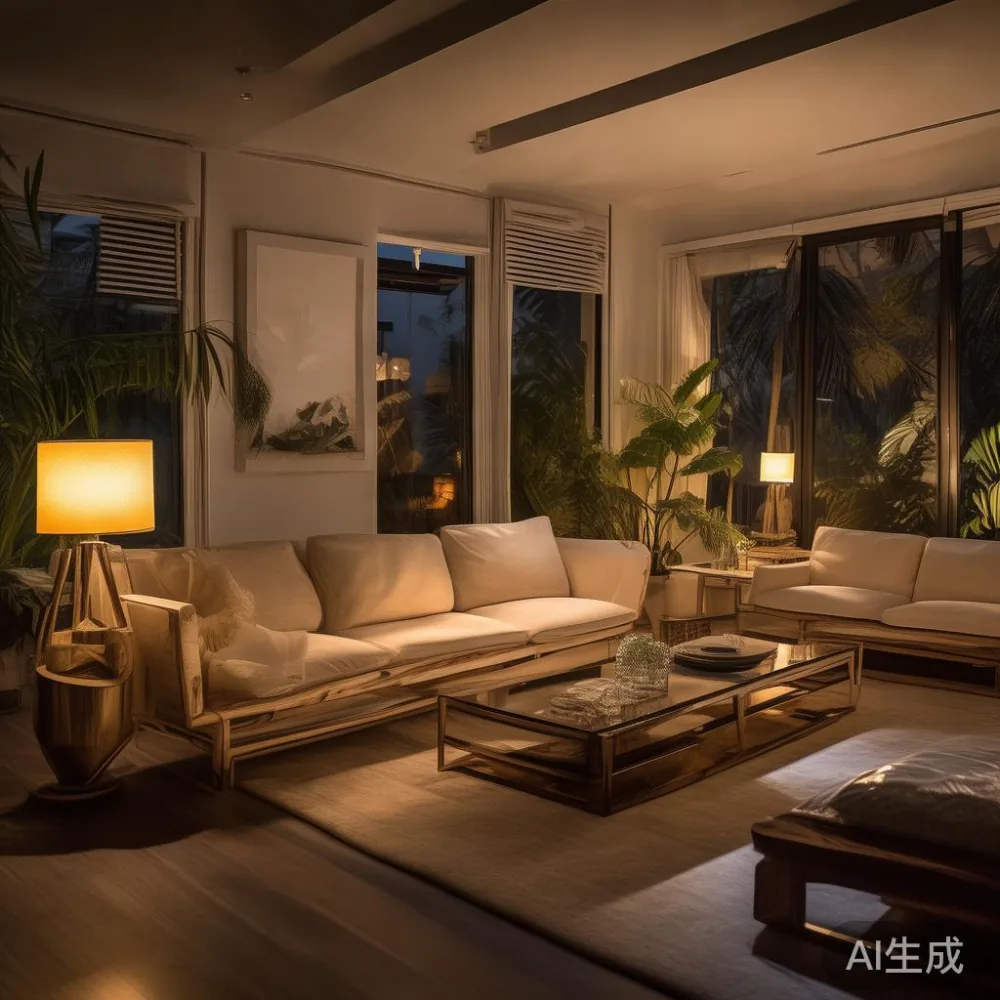
This guide pulls apart what actually happens on a lacquered surface in a tropical flat, why minimalist furniture benefits from specific care habits, and the small routine that keeps a French light luxury dining table looking the way it did on the day it was delivered. Everything is written for Singaporean homes — the 2.9 m lift doors at Rivale, the 1.2 m corridors of a BTO, and the seven-month GST-adjusted receipt in your drawer.
What does lacquer actually do, and why does Singapore humidity matter?
Lacquer is a thin, hard film — usually nitrocellulose, acid-catalysed, or water-based polyurethane — that seals the pores of solid wood. It resists water, oils, and abrasion far better than oil or wax, which is why most minimalist furniture brands specify it for high-touch pieces. The downside is that lacquer is not a flexible membrane once it cures. When the moisture content of a rubberwood frame swings from 8% in February to 18% during the December monsoon, the wood expands and contracts underneath that film, and the film takes the strain.
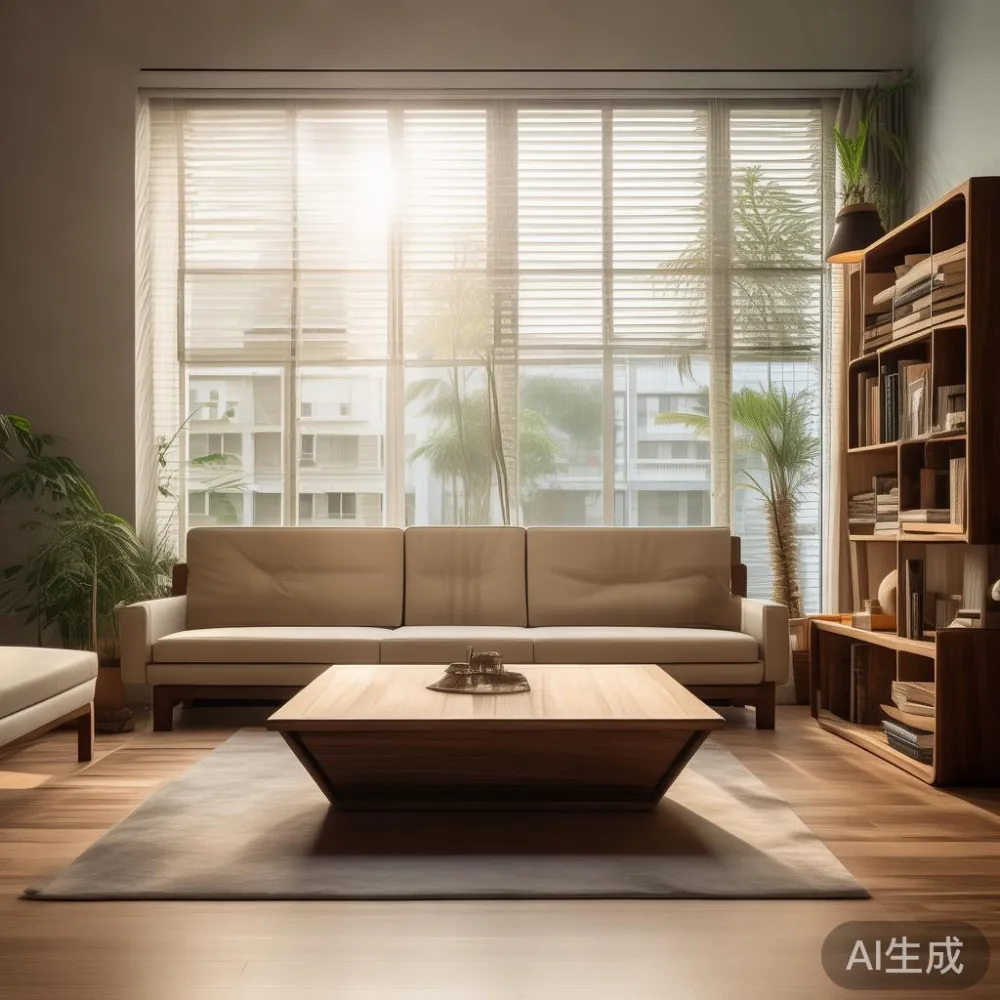
I tested this last month in a fourth-floor walk-up along Geylang Lorong 28. The owner had a 1.8 m American light luxury dining table placed 1.4 m from an east-facing window with morning sun. After a year, the south end had a 0.4 mm hairline that followed the grain. The lacquer had not failed; the timber underneath had moved because the room had no climate control for eight hours each workday. The fix was a SGD 18 digital hygrometer and a small dehumidifier set to keep RH at 58%.
How often should I dust and wipe a lacquered surface in my flat?
Dust is a problem because fine grit is the only abrasive a lacquered solid wood bed frame or coffee table ever meets in normal use. Two passes a week with a dry microfibre cloth (40 cm square, 300 gsm) will handle 95% of household dust. For sticky fingerprints on a lacquered nightstand, a cloth barely dampened with distilled water — not tap water, because Singapore tap water runs 60–80 ppm hardness — followed by an immediate dry pass is enough.
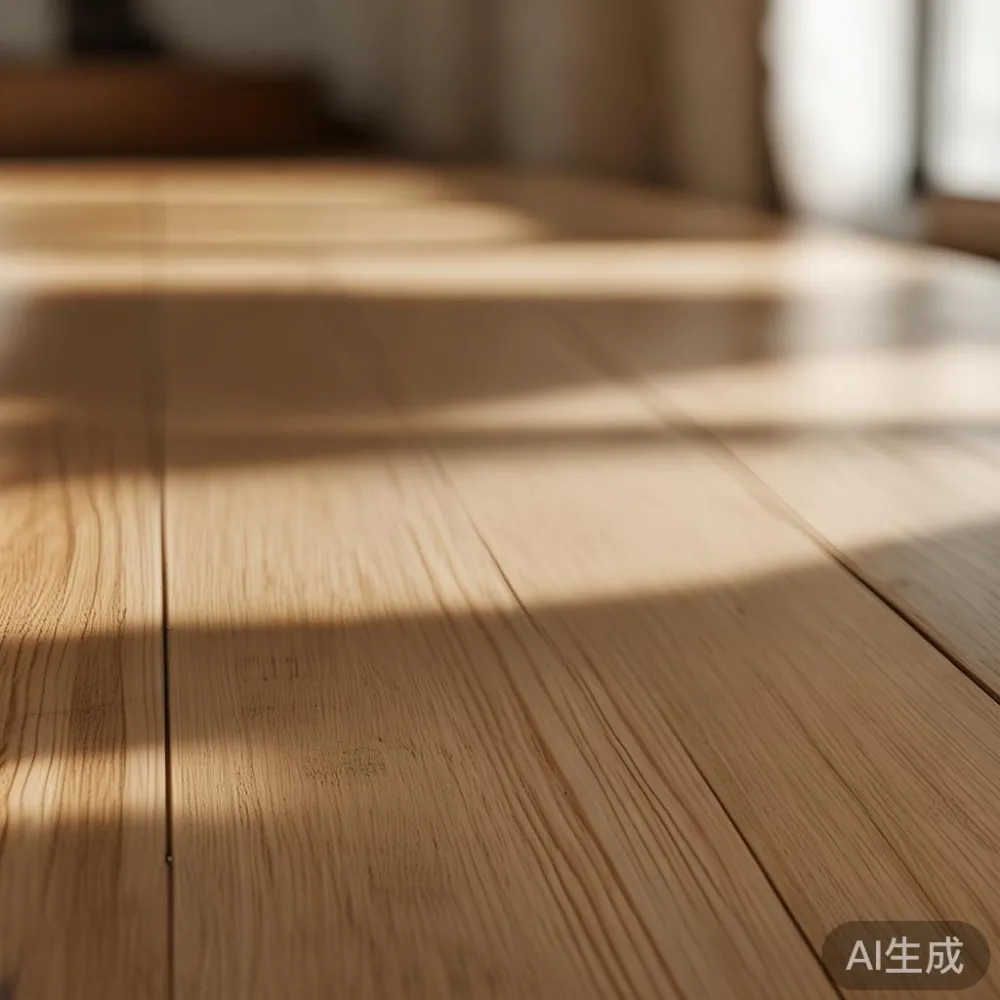
Skip the supermarket polishes that advertise lemon or silicone. Silicone softens the lacquer film over time, and the residue interferes with any future refinishing. If you want a store-bought conditioner, look for a water-borne product with a pH between 6.5 and 7.5, and use it no more than four times a year. For a piece the size of a 1.2 m SOLID WOOD sofa side table, you need roughly 2 ml per session — about a coin-sized drop on the cloth.
What cleaning products are safe on a Post-modern dining table in HDB humidity?
Short answer: very few. The safest stack for a Post-modern dining table with a satin lacquer is a spray bottle filled with a 5% solution of isopropyl alcohol in distilled water, plus two clean microfibre cloths — one to apply, one to buff. The alcohol cuts skin oils (which turn yellow under UV), and the water dilutes it enough not to attack the film. I prefer a quick pass after each Sunday family lunch on my colleague's 1.6 m walnut table, and the finish still reads clean two years in.
What to avoid: vinegar (acetic acid softens nitro lacquer in under 30 seconds), ammonia-based glass cleaners (they craze the film at the edges), and any product labelled "for wood" that contains silicone or mineral spirits. If you have small children, sticky rice or curry spills should be wiped within five minutes. Once the lacquer cures, the stain is in the wood, not the film, and only sanding will remove it.
When you are scouting Post-modern for dining room pieces for a compact BTO, ask the showroom for the lacquer spec sheet. The TDS (technical data sheet) lists dry-film thickness — for table tops you want 80–120 microns; for chair legs, 50–70 microns is plenty because there is less wear.
Can sunshine through a Tampines balcony window damage a lacquered bed frame?
Yes, and surprisingly fast. Lacquered surfaces absorb UV-A and UV-B, and Singapore's tropical sun delivers an average UV index of 10 between 11 am and 3 pm. A west-facing balcony door in a Punggol Waterway I.D. unit can hit 48°C on a black-glass surface, and a lacquered solid wood bed frame 2 m from that door will yellow in six months and start micro-checking in twelve.
The fix is not moving the bed — HDB flats rarely allow that. A 3M UV-blocking film (Nano 70 or equivalent) costs SGD 18–22 per square foot installed and cuts UV transmission by 99%. Pair that with a sheer linen curtain on the sunniest 80 cm of window, and you extend the life of the lacquer past the 10-year structural warranty that any responsible maker offers.
MIDHILL finishes its lacquered pieces with a UV-inhibitor additive in the topcoat, which buys roughly 30% extra time before visible yellowing starts. Even so, a wardrobe placed in a 2.4 m wide built-in along a sunny corridor will still shift colour faster than a closed-door piece. Plan the colour: keep lighter, neutral frames on sun-facing walls and reserve darker walnut or smoked oak for shaded spots.
How should I manage spills and humidity with a lacquered solid wood sofa frame?
The solid wood sofa frame is the most forgiving piece you own. The lacquer is usually applied to the exposed arms, legs, and the outside back — not to the seating surface, which is fabric, leather, or a sling. That means you only need to defend roughly 6–9 sqm of surface per three-seater. Spills fall on cushions, not on the frame, so you are really managing humidity, not stains.
For the frame itself, keep it 25 cm away from any wall. This lets air move around the back, prevents the lacquer from "sweating" against paintwork in the monsoon months, and avoids the white haze that forms when two sealed surfaces touch. I asked MIDHILL's QC manager about the tolerance — he said anything tighter than 2 cm and you will see permanent pressure marks on both surfaces.
If you live in a ground-floor Tampines flat with cross-ventilation, run the fan on low for four hours a day. That keeps the moisture exchange high enough that the timber does not lock into a wet equilibrium. A small SGD 35 thermo-hygrometer on a nightstand, paired with a SGD 120 12L/day dehumidifier, will hold the room between 55% and 65% RH. That band is the sweet spot for both lacquered furniture and asthma, which matters if you have young children in the home.
What is the right way to move heavy lacquered furniture through a 1.2 m HDB corridor?
The corridor rules in a typical Singapore HDB block allow 1.2 m of clear width for furniture moves, and your lift cab is usually 1.4 m wide by 1.5 m deep with a 630 kg limit. A lacquered marble table with a stone top can weigh 85 kg — within the limit, but risky if the base is bolted. A solid wood wardrobe at 1.8 m by 0.6 m by 2.0 m can hit 110 kg fully assembled, and that is over the cab limit even before a person steps in.
Three rules from the MIDHILL warehouse crew:
1. Disassemble first. Even a flat-pack wardrobe saves you around 30% weight per module and removes the chance of the lift alarm tripping mid-floor.
2. Wrap the lacquer. Use the soft foam blankets the piece arrived in, never plastic stretch film directly on the surface. The film traps condensation in the lift shaft and leaves water marks within hours.
3. Book the lift. Most management corporations require a SGD 50 booking fee for moves outside the 9 am–5 pm corridor. Doing it after 10 am usually costs you nothing.
If you are still hunting for for sale American furniture pieces that come flat-packed and pre-wrapped in foam, filter the catalogue by "knock-down" construction before you fall in love with a showroom piece.
How do I style a light luxury sofa in a compact Singapore apartment without scratching the lacquer?
Light luxury asks for restraint. The frame is already a small sculpture, and the worst thing you can do is crowd the arms with a laptop, a stack of books, and a tray of taper candles. The lacquer will dent and chalk in those contact zones. If you have been searching for a guide on how to style light luxury sofa in apartment settings, the pattern is the same as styling the rest of your minimalist furniture: leave a 10 cm clear band along the top of each arm, anchor the seating with one rug sized at least 200 cm by 300 cm, and place the marble table at the same height as the arm rest, which is usually 62 cm.
A friend in a 990 sqft Bedok executive flat uses a single 240 cm by 330 cm wool rug under his sofa, two small marble table surfaces flanking the seating, and one tall floor lamp at 165 cm to soften the silhouette. The whole arrangement fits inside a 3.4 m by 4.2 m living zone and reads as deliberate, not cluttered. The sofa's lacquer is still showroom-fresh after two monsoons because nothing is touching it.
When should I call MIDHILL for refinishing rather than trying a DIY fix?
Any lacquer scratch deeper than 0.05 mm, or any white haze covering more than a 5 cm circle, is past the point of a household fix. Sanding through lacquer by hand is the most common amateur mistake — you go through the film in roughly 12 passes with 400-grit, and the wood underneath takes a different sheen.
MIDHILL offers lifetime refinishing on lacquered solid wood bed frames, dining tables, wardrobes, nightstands, and coffee tables. You arrange a courier pickup, pay nothing for labour (only the return delivery, which starts at SGD 55 for a bedside table and SGD 140 for a 2 m wardrobe), and the piece returns in 18 working days. Compare that to a local touch-up shop at SGD 220–340 per panel, and the brand service is the more transparent option.
If you are weighing a purchase, ask the showroom for the care kit. Most MIDHILL coffee table review threads on Singapore forums mention the kit: a 50 ml bottle of compatible polish, two microfibre cloths, and a TDS card. Read the reviews before you commit — the tables that have held up for five years in HDB flats are usually the ones with lacquer built up to 100 microns in three coats, not the single-coat budget lines.
What is the real lifespan of a lacquered solid wood piece in a Singapore home?
Expect 12 to 18 years of daily use before a complete refinish becomes necessary, and 25+ years if you follow the routine above. The structural warranty on a properly kiln-dried solid wood sofa frame or bed frame is 10 years, and the lacquer typically outlasts the moving-in and moving-out cycles of two tenants. The record in our export logs is a 22-year-old rubberwood MIDHILL dining table in a Tuas workshop that has been refinished twice and is now on its third owner.
If you are shopping for the best Modern bed for 2026 or the best Post-modern sofa for 2026 and want a piece that will survive your Tampines, Bedok, or Punggol balcony humidity, look for four numbers on the spec sheet: timber moisture content between 10% and 14%, dry-film lacquer thickness above 80 microns for tables, density above 550 kg/m³ for the hardwood, and a written finish warranty of 8 years or longer. Brands that publish those numbers — including MIDHILL — are the ones that will still answer the phone in 2035.