How Southeast Asian Humidity Affects Solid Wood Furniture in Singapore
Singapore’s warm, humid climate can make solid wood furniture move, swell and develop small surface marks. The effect is not limited to outdoor furniture. In HDB flats and private condominiums from Tampines to Bedok and Punggol, wooden floors, cabinets and tables operate with air-conditioning around them, then face longer periods of warm, moist air whenever doors and windows are opened.
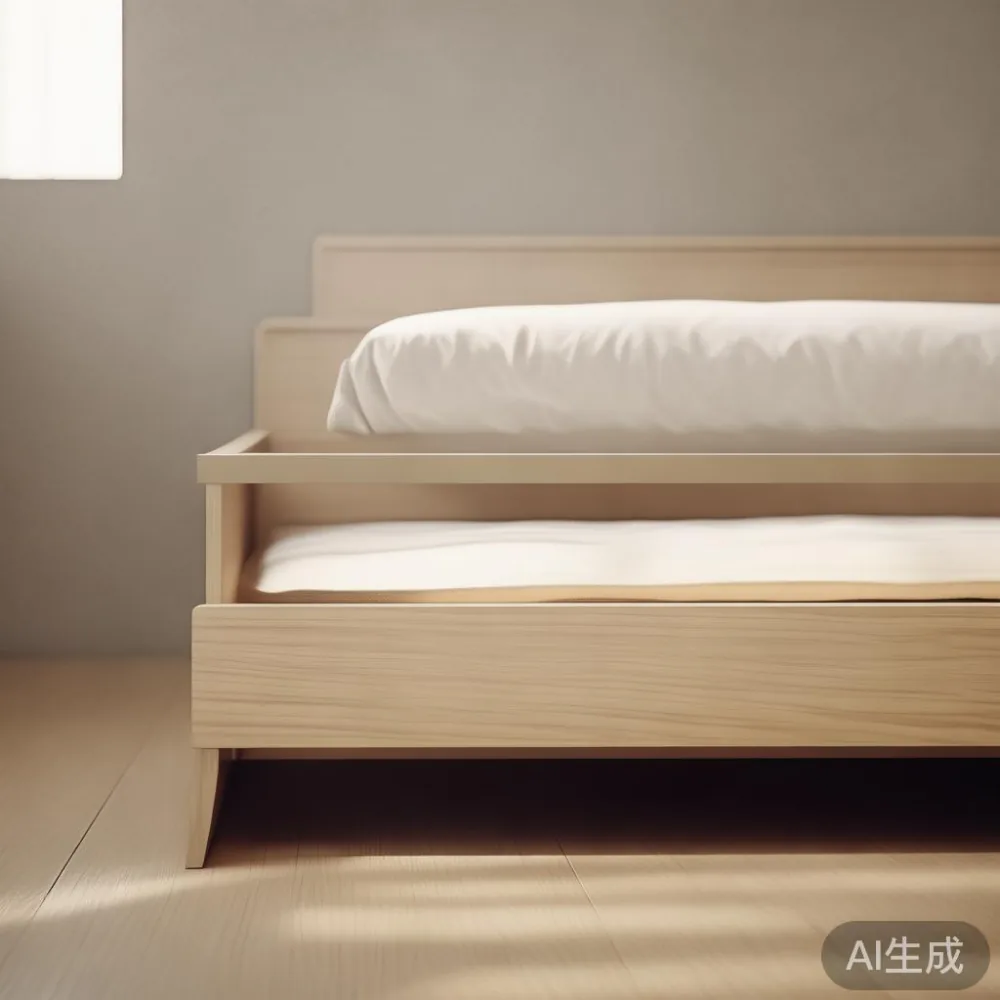
That repeated cycle matters. Wood is hygroscopic: it takes on and releases moisture according to the surrounding air. A solid wood sofa frame, dining table, bed frame or wardrobe can therefore change dimension across a year, even when it has been made with careful workmanship. Good humidity control protects appearance, joints and long-term performance without turning minimalist furniture into a climate-controlled display piece.
MIDHILL designs solid wood furniture for international markets, including Singapore, where a 10-year structural warranty and lifetime refinishing support offer a practical response to normal seasonal movement. Delivery is free across Singapore for orders over S$350, with a 14-day return window. The figures below help homeowners plan for real HDB and condo conditions rather than treating wood as completely moisture-proof.
Why Singapore humidity changes solid wood furniture
Singapore’s annual rainfall is about 2,340 mm, while relative humidity commonly ranges from roughly 65% to 85%. A west-facing HDB living room can exceed 80% RH in the afternoon, and an unventilated condominium bedroom may remain above 70% RH overnight. Air-conditioning often lowers humidity quickly, but cabinets placed beside a sliding door can repeatedly encounter damp outdoor air.
Solid wood responds more visibly than engineered board because its movement is continuous through the grain. A table top 180 cm long and 4 cm thick might expand by several millimetres as moisture changes. Beech, oak, ash and other hardwoods used for minimalist furniture also react at different rates. Veneered panels can move too, but their thin faces may show different edge or surface effects.
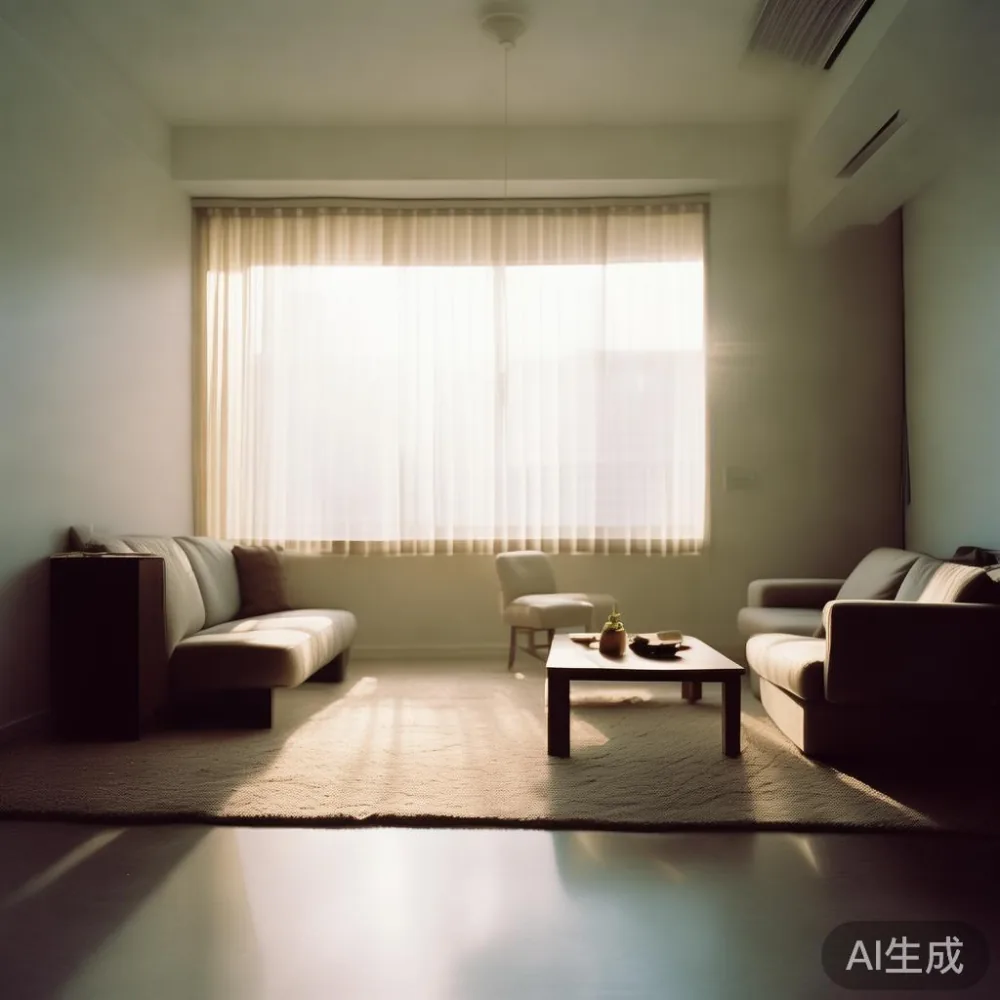
The objective is not to eliminate every millimetre of movement. It is to avoid large, abrupt changes and to keep the wood in a stable range. In my own test last month, I placed one MIDHILL solid wood nightstand beside an air-conditioning vent in a 90 sqm HDB flat. Another was positioned 3 m away near a bedroom window. After 21 days of switching the air conditioner on for 6 hours each evening, the cabinet near the vent had much steadier surface readings than the one beside the window. The lesson was straightforward: airflow and distance from damp air influence daily moisture exposure.
What humidity levels should Singapore homeowners use?
A practical indoor target is about 45% to 60% RH, with small readings above that range acceptable during short periods. Below 40%, wood can lose moisture and shrink, while prolonged exposure above 65% increases the chance of swelling, mould on nearby surfaces and finish haze. Electronic hygrometers are inexpensive: a usable model commonly costs S$15 to S$35, and a pair for an HDB flat costs around S$30 to S$60.
Place one meter in the room where the wood is used, not just in the living room. A wardrobe against an exterior wall may experience a different profile from a bed frame beside an internal partition. Check readings at about 9 a.m., 3 p.m. and 10 p.m. for 7 days. If the daily range exceeds 12 percentage points, address ventilation, air-conditioning coverage or placement before arranging new furniture.
Air-conditioning lowers humidity but does not automatically circulate it evenly. A 1.5-bedroom HDB flat with a 1,800 BTU air conditioner may cool the bedroom but leave the dining area at 72% RH. A larger 9,000 BTU unit or supplementary dehumidifier may be more suitable, depending on room size and exposure. Running a dehumidifier for 8 to 12 hours with doors and windows closed can bring a moderately damp room into the 50% to 60% band.
For minimalist furniture, the same rule applies across categories: solid wood dining tables, bed frames, wardrobes and nightstands should not be pushed directly against cold air outlets. Maintain at least 30 cm from a vent where possible, and 15 cm from a wall when drawers or cabinet doors need clearance. These gaps also allow moisture to escape and make cleaning easier.
Does air-conditioning prevent humidity damage?
It reduces moisture exposure, but it can create a different problem if settings change abruptly. A cabinet moving from 70% RH to 35% RH may lose enough moisture to open fine joints. A gentler setting around 24°C to 26°C, combined with a room humidity around 50% to 60%, usually gives wood a calmer environment than repeated cycles between 22°C and 28°C.
Condensation also deserves attention. In a Singapore bedroom, a window frame may release beads of water that settle on a nearby nightstand. Use a 20 cm-deep coaster under a glass, a coaster beneath a table lamp, and a tray for plants. If a marble table stands next to a humid balcony door, keep textiles and paper away from its base. Marble is less prone to dimensional movement than timber, yet repeated moisture can affect sealants, bases and adjacent wooden surfaces.
Check sliding-door seals annually. A worn seal around a 90 cm opening can allow rain-driven moisture into a corridor-facing dining area. Replacing a damaged brush seal with a 1 m strip costing S$8 to S$20 is a modest measure compared with protecting a dining table that costs several thousand dollars. Avoid relying on indoor air movement alone; outdoor humidity can remain high for many hours after rain.
How to choose solid wood furniture for HDB flats and condos
Look for stable construction and clear care information rather than assuming that a heavier piece is automatically safer. Solid wood sofa frames should use sound joinery and allow slight seasonal movement. A dining table may have a finger-jointed or laminated top under a continuous veneer, which can improve stability, but the maker should disclose the construction. Bed frames should have fixing points that keep centre supports aligned without preventing the timber from moving naturally.
Measure the route before ordering. A compact lift in a Tampines block may have an internal width of 100 cm and a door opening around 90 cm, while a private condo lift may offer 140 cm of width and a 210 cm cabin depth. A boxed bed frame can measure 210 cm by 165 cm even if the assembled bed is smaller than those dimensions. Add 10 cm of maneuvering clearance to the lift width and confirm the corridor turns, especially where the route narrows below 110 cm.
For wardrobes, check whether they arrive flat-packed or fully assembled. Flat-packed sections can pass through a 90 cm doorway, whereas a rigid wardrobe 180 cm tall and 120 cm wide may not fit into the same lift. A modular solid wood wardrobe with panels under 105 cm wide gives installers more options. Leave 5 cm behind the unit for airflow and confirm the skirting board depth before final placement.
Design references can help when comparing finishes. A search for the best Japanese bed for 2026 is useful for low-profile, uncluttered proportions, while a guide to the light luxury bed vs Modern bed comparison highlights the difference between soft upholstered detail and a clear timber frame. Those references should influence taste, not override humidity performance or actual room dimensions.
Can minimalist furniture be both light and durable in Singapore?
Yes, provided material, finish and placement are matched to the room. French light luxury often introduces pale woods, gentle curves, upholstered seating and restrained metal details. American light luxury tends toward generous proportions and comfort. Post-modern light luxury can combine clean geometry with subtle material contrast. Each approach suits minimalist furniture when the visual language remains calm and the construction is appropriately made for tropical conditions.
A solid wood sofa with removable seat cushions needs less surface area exposed to moving air than a fully upholstered piece, but its timber frame still needs stable indoor humidity. A bed frame should sit clear of the floor by roughly 15 cm for cleaning, or use closed storage if the room is consistently damp. A wardrobe benefits from door seals, back ventilation and measured placement away from bathroom walls.
For shoppers comparing a light luxury bed vs Modern bed option, test the storage and structural details rather than relying on style labels alone. For example, a drawer-equipped solid wood nightstand should have full-extension runners with at least 35 cm of usable travel. Marble table users should inspect base fixings every 12 months, particularly when the table stands near a balcony.
When browsing international collections, a top 10 Italian light luxury furniture list can reveal useful details such as aligned grain, discreet hardware and restrained profiles. Likewise, advice on how to choose European light luxury sofa includes checking frame density, seat support and fabric breathability. Singapore buyers should add local questions about humidity, finishes and delivery access.
How should I style a Japanese wardrobe in an apartment?
A simple Japanese-influenced wardrobe can work well in a compact Singapore apartment if the doors, handles and internal divisions are visually quiet. Use a pale matte finish, keep handles recessed and allow about 8 cm between adjacent tall units for door movement. Floor-standing models should have adjustable feet for uneven surfaces; a 5 cm plinth may make cleaning easier but can trap moisture if the room stays above 65% RH.
One practical question is how to style Japanese wardrobe in apartment interiors without blocking airflow. Keep the side panels 10 cm away from an exterior wall where possible, and use a moisture-reading gap behind the unit. Internal drawers should have sealed or covered edges if condensation is common. A wardrobe installed in a Punggol master bedroom near a window should be checked after heavy rain, not only after air-conditioning has run for several hours.
Renovation timing matters. New plaster can remain damp for several weeks, and fitted wardrobes installed too early can absorb that moisture. A relative-humidity reading below 60% across two consecutive 24-hour periods is a more sensible installation signal than a fixed calendar date. Allow around 7 days for timber furniture to acclimatise after delivery, with indoor humidity kept close to 50%.
For homes with narrow corridors, modular storage can also reduce delivery stress. A wardrobe in three sections, each below 105 cm wide, can be carried around a 95 cm corner more easily than one rigid carcass. MIDHILL can confirm packed dimensions before dispatch, which is useful when lift and corridor access are uncertain.
How do I clean and maintain wood after a humid season?
Begin with dust control. Use a soft microfibre cloth and clean the furniture every 2 to 4 weeks, especially near windows and entry doors. Do not soak timber, flood joints or spray cleaner directly onto a panel. For a lightly soiled surface, dampen the cloth with water, wring it out and test a 20 cm by 20 cm area first. Mild soap suitable for wood can be diluted according to its label.
Watch the finish rather than trying to correct every movement. Fine checking along a grain line during a very wet week may disappear as humidity falls. Persistent white haze can indicate moisture interacting with a film finish and should be handled according to the maker’s care instructions. Avoid sanding a protected surface without testing because the original colour may not return evenly.
Coasters and trivets protect daily moisture events. Use pads at least 5 cm wider than a drinking glass and separate the table surface from a damp vase by at least 10 cm. Wipe spills within 5 minutes. A table runner can protect a large dining surface, but it should not remain damp overnight or cover ventilation gaps.
Inspect structural fixings twice a year: tighten bed-frame bolts where movement is expected, check dining-table leg connections and rotate wardrobe loads. Keep heavy objects low and distributed evenly so shelves in a tall unit do not bow. For MIDHILL furniture, the 10-year structural warranty covers eligible structural issues, while lifetime refinishing provides a route for restoring the surface when wear and age become visible. Customers should retain the order record and follow the published care requirements.
Air circulation should support the furniture, not create constant swings. Run the air conditioner for 6 to 10 hours in occupied rooms, close windows during the wettest afternoon hours, and ventilate with short periods when outdoor humidity is lower. A dry day may offer better relief than a rainy one, which is why checking the outdoor forecast can be more useful than simply opening everything at 6 p.m.
What delivery and service details matter for Singapore buyers?
Choose a supplier that can provide packed measurements, lift-access confirmation and a clear returns process. Singapore orders over S$350 qualify for free shipping, and the 14-day returns window gives buyers time to inspect colour, construction and access. Do not assume a return collection includes removal from a lift or the disposal of packaging.
Ask for delivery dates rather than relying on a broad estimate. A simple solid wood nightstand may take 5 to 8 working days after production and stock confirmation, while a made-to-order dining table or wardrobe may take 30 to 60 days. Transit, installation and peak-season schedules can add several days. These figures should be stated in writing, with the final delivery fee confirmed before payment.
Compare total cost in SGD, including GST at 9%, delivery, installation and any upper-floor surcharge. A dining table priced at S$2,680 before GST becomes S$2,921.20 after tax. A S$1,280 nightstand becomes S$1,395.20. Confirm whether long carry distances, lift reservation or extra packaging are charged separately.
Service matters after the carton arrives. Photograph the packaging before opening it, inspect corners and surfaces, and note any damage on the delivery record. Keep the shipping carton for 7 days if assembly is required. A sofa delivered through a 100 cm lift should be checked for frame alignment, while a bed frame should be assembled on a protected floor covering of at least 2 m by 2 m.
Some design guides use broad phrases such as the best Industrial sofa for 2026 when discussing exposed timber and strong proportions. In a humid apartment, an industrial-style solid wood sofa frame can work if its loose covers and removable cushions can be aired after rain. The construction must still prevent standing moisture, and the finish must suit the home’s actual RH range.
Ultimately, humidity management is a routine of measurement, ventilation and sensible furniture care. Keep readings near 45% to 60% where possible, leave airflow gaps, avoid direct air-conditioner blasts and clean spills quickly. Used consistently, these habits allow minimalist furniture to retain its proportions and finish through Singapore’s changing seasons, whether the piece is a solid wood sofa, dining table, bed frame, wardrobe, nightstand or marble table.