Minimalist Furniture: Warranty Reading Guide in Singapore
A furniture warranty can look reassuring on a product page and still leave you with a difficult claim. The wording may promise coverage for “defects,” while excluding movement in timber, uneven floors, commercial use, or damage caused by another supplier. In a Singapore home, even a small interpretation can matter: a 4 cm gap beside a wall, a 90 cm corridor, and a 220 cm lift turning the delivery problem into part of the furniture problem.

I learned this while helping a friend move a solid wood dining table into a HDB flat in Tampines last month. The table fitted the lift door at 78 cm, but the carton was 220 cm long and the lift was only 140 cm deep. We angled it through the opening, but the new oak top had already picked up a 3 mm edge mark from the corridor. The supplier initially called it “minor cosmetic damage,” even though the table arrived with visible chips before any assembly. Taking photographs, keeping the delivery note, and checking the written claim terms settled the issue. That experience changed how I now read warranties: I look for specific exclusions, evidence requirements, deadlines, and remedies before I pay.
This guide applies to minimalist furniture purchased for Singapore HDB flats and condos, including a solid wood sofa, bed frame, dining table, wardrobe, nightstand, and marble table. It also explains why a French light luxury direction, American light luxury styling, or post-modern light luxury appearance does not guarantee a long service life. The warranty is only one layer of protection.

What exactly is covered by a furniture warranty?
Start by separating three ideas that are often blurred together: a warranty, a return policy, and ordinary wear. A warranty covers a defined manufacturing or structural failure during a stated period. A return policy allows a buyer to withdraw or cancel under specified conditions. Wear describes expected changes such as small scratches, colour variation, cushion compression, and timber movement caused by humidity.
Read the opening paragraph for the promised scope. “10-year structural warranty” sounds substantial, but check whether it covers only the frame or also joints, drawer runners, surfaces, hardware, and components supplied by other makers. Ask for the document in PDF or as a photographed page attached to the order. A verbal assurance from a salesperson is difficult to enforce later.
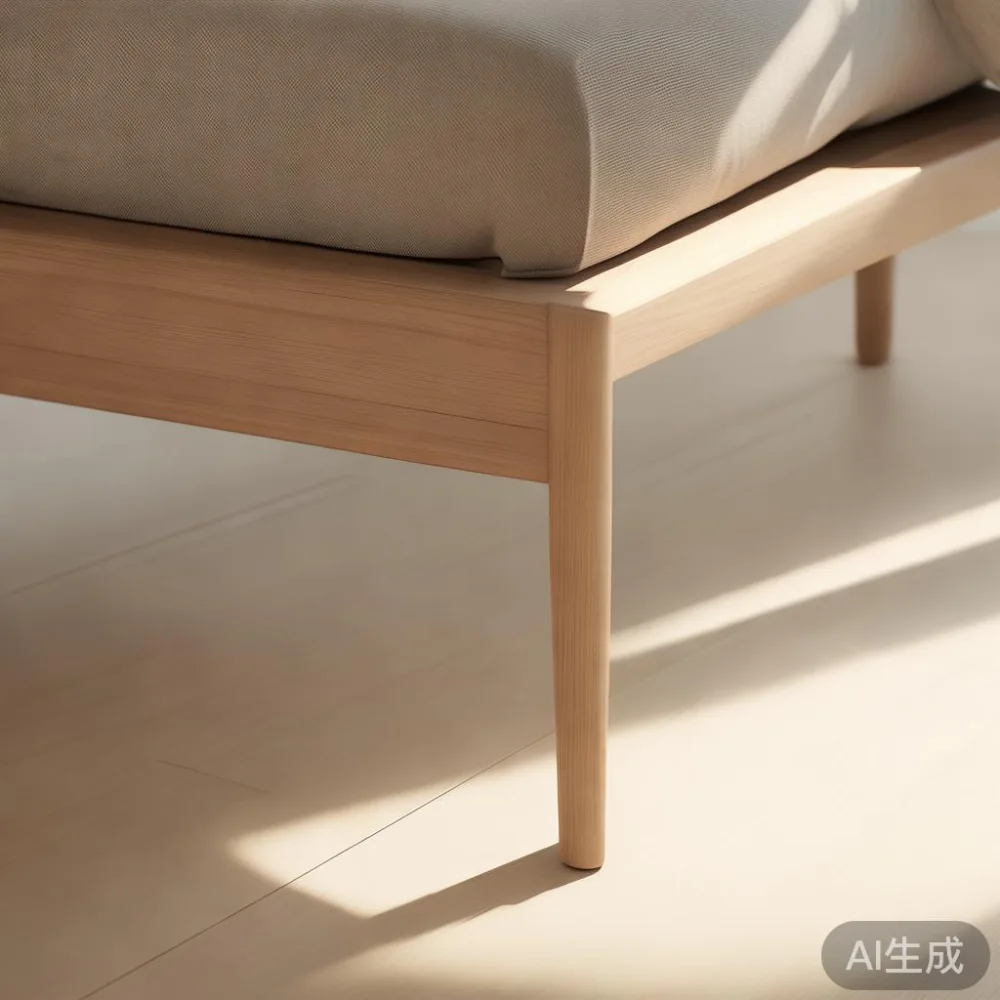
For example, a 10-year structural warranty on a bed frame may apply to the timber frame and welded joints. It may not apply to a slat supplied separately, squeak caused by an uneven installation, a damaged mattress edge, or a finish worn away by daily contact. A 5-year warranty on a marble table may exclude chipping from a dropped object, incorrect sealing, or a base that was not level. If the marble table has a 2 cm thickness, the document should distinguish a crack through the slab from a superficial scratch.
Look for the legal entity named in the warranty. It should identify the seller or manufacturer, the duration, the product category, and the claim route. If MIDHILL issues the terms for a particular order, the name and contact details should be clear. A brand founded in 2008 and exporting to 15 or more countries may have a structured process, but the particular terms attached to your invoice remain the document that matters.
Are all defects and damages covered for 10 years?
No. A 10-year period is a maximum window for covered failures, not automatic coverage for every problem for 10 years. Structural terms commonly focus on defects in materials and workmanship. Cosmetic damage, accidental damage, misuse, and gradual deterioration often receive different treatment.
Check the list of exclusions line by line. Common exclusions include:
- Water, heat, sunlight, or moisture exposure beyond the product’s stated use.
- Movement, cracking, or joint movement caused by seasonal humidity changes.
- Damage from overloaded shelving, for example more than 30 kg on one wardrobe shelf.
- Wear from placing a 75 kg person on a dining chair arm or hanging heavy items on a nightstand.
- Changes caused by unsuitable cleaning chemicals, bleach, abrasive pads, or steam.
- Damage during assembly, relocation, or installation by a third party.
- Commercial use in a café, office, rental property, or shared lobby.
Ask how “structural” is defined. Is a split in a solid wood dining table top covered? Is a loose mortise-and-tenon joint covered? Is a bowed wardrobe side covered after 18 months? A useful warranty states what the company will inspect, repair, replace, or refund and whether the buyer must pay delivery or labour.
One less obvious point is that an exclusion can depend on proof of installation. A solid wood sofa may be covered against a broken frame, but not against sagging springs after 4 years of use. A bed frame may have a 10-year frame warranty while its slats, centre support, and fasteners are covered for 3 years. Ask for the hierarchy in writing rather than assuming every component shares the longest period.
How long do I have to make a claim?
Check four dates: the purchase date, the delivery date, the inspection period, and the claim deadline. These dates may not be identical. A 14-day return window could begin when the furniture is delivered, while a warranty claim may be valid for 10 years from the invoice date. If furniture is held for 6 weeks before delivery, clarify whether the return window starts at order or delivery.
Photograph the furniture as soon as it arrives. Take at least 8 images: the full item from 4 angles, close-ups of joints and surfaces, packaging, the delivery note, and any existing damage. Include a ruler or tape in scale images where useful. A 5 mm scratch needs to be recorded as 5 mm, not simply called a “mark.”
Record the delivery date and keep the serial number, invoice, order confirmation, warranty, and assembly instructions. For a wardrobe, photograph the wall fixings and levelling feet. For a marble table, photograph the slab edges and protective packaging. If something is wrong, notify the supplier in the stated channel within the required number of days. Last month, my friend’s timely photographs and delivery note turned an ambiguous “cosmetic” argument into a straightforward replacement.
Also check whether the owner must move the item for inspection. A 12-month-old dining table stored in a 220 cm high HDB utility room may require dismantling for access. Some terms make the buyer responsible for returning an item that weighs 85 kg or has a 210 cm tall wardrobe carcass. Clarify who pays for collection, stair carries, and return delivery.
Does the warranty cover solid wood movement, fading, and scratches?
Not automatically. Solid wood changes with its environment. Singapore’s humidity, air-conditioning, direct sunlight, and ventilation can cause expansion and contraction. A dining table may develop fine checks in the grain, while a bed frame may move slightly as timber adjusts. This is why good terms distinguish a manufacturing crack from natural checking.
Ask what maintenance instructions accompany the warranty. Many suppliers require dusting with a soft cloth, immediate removal of spills, and controlled indoor use. Keep furniture at least 30 cm from exterior walls in a high-rise flat where direct sun and rain exposure are possible. Use coasters and felt pads rather than decorative mats that trap moisture. For a nightstand, do not place a cup of hot coffee directly on the finish.
Colour variation is another issue. Solid wood, veneer, stone, and even marble are not photochemically identical. A warranty may exclude ordinary tonal differences between pieces or between a display sample and your item. Ask for a physical sample, a finish code, and a photograph of the actual batch where possible.
Scratches are usually judged by cause. A scratch appearing on a wardrobe through daily use is wear. A deep gouge present on delivery is a different matter. The key evidence is not simply the depth but whether the damage existed before ownership. Use the unboxing photographs and timestamps to establish that.
Is French wardrobe worth it?
That depends on construction, dimensions, and the written terms rather than the label alone. A French-inspired wardrobe can suit a post-modern light luxury bedroom with curved profiles, fluted panels, or a softer profile than severe Scandinavian minimalism. For an HDB bedroom measuring 3.2 m by 3.6 m, a 240 cm wide unit with 58 cm depth may fit while leaving only 80 cm for circulation and door swing. Measure skirting, sockets, the open-door projection, and the bedroom door before ordering.
For anyone comparing how to choose European wardrobe, inspect the carcass, back panel, hinges, drawer boxes, hanging space, and adjustment features. The warranty should say whether drawer runners, hinges, and interior fittings have the same 10-year coverage as the carcass. A French provincial accent chair, by contrast, is a seating item: check its frame warranty separately from fabric or leather upholstery. European light luxury bed language can sound broad, but a bed’s structural coverage may still exclude a damaged headboard joint or mattress.
The market has plenty of attractive options in editorial lists of the top 10 Nordic furniture, yet design reputation does not replace measurable standards. Confirm the load rating for hanging rails, shelf spacing, wall anchoring, and service access. A lifetime refinishing service can be helpful, but ask whether it applies to solid wood doors only, whether colour matching is guaranteed, and whether transport is included.
What should I check before signing a delivery and installation clause?
Delivery terms often sit outside the warranty, but they determine whether damage is attributed correctly. Note the delivery days, access conditions, and any lift restrictions. In a Bedok condo, a professional movers’ lift may be 210 cm high and 160 cm deep, while an HDB lift in Punggol may have a 140 cm door and a smaller turning depth. A 180 cm wardrobe pack may enter the lift but still be difficult to rotate towards the flat corridor.
Ask whether the supplier checks the building’s lift dimensions, whether stairs add a fee, and who is liable if the carton is damaged in transit. Specify the delivery date in writing, the number of attempts, and whether repeated failed delivery affects the return period. In some orders, failed delivery due to access issues starts storage charges after 7 days.
Installation is equally important. Does the 10-year warranty continue if a third party assembled the furniture? Are wall anchors and anti-tip fittings required? A 190 cm tall wardrobe with a 45 kg door must be fixed appropriately. A dining table levelling on a floor with a 4 mm slope needs adjustable feet or shims; forcing the frame flat can create a joint issue that a later claim may dispute.
For insured and high-value orders, ask for the declared value, replacement process, and excess. A SGD 2,500 dining table should not have the same claim procedure as a SGD 90 nightstand. Confirm that GST is shown as a separate line if the quoted price excludes tax. Singapore’s prevailing GST rate should be confirmed at the time of purchase rather than assumed.
How do returns differ from warranty claims?
A return usually asks: “Do I want to keep this?” A warranty asks: “Has a covered failure occurred?” They have different tests, timelines, and remedies. A 14-day return for an undelivered or materially faulty item can be more straightforward than a claim after the 14-day period.
Check whether returns require the original packaging, whether custom dimensions are excluded, and whether the item has been assembled. A custom 260 cm wardrobe may have a non-returnable section because it cannot be resold. A marble table may need special packing, so return freight can be substantial. Ask whether the refund includes the original delivery charge and GST.
Some policies offer replacement rather than a refund. A solid wood sofa may have a new frame supplied while the buyer pays delivery and collection. A bed frame may be repaired if the defect is minor. A wardrobe may require a technician’s visit, with a diagnostic fee deducted from any repair charge if the claim is valid. Get the possible outcomes written down.
Also confirm what happens when a covered part cannot be repaired. Does the company replace the whole item, the component, or issue a credit? Can the value depreciate after 5 years? A warranty that promises “repair, replacement, or refund at company discretion” is less precise than one with a defined sequence and response period.
Can I see the real sample and the full terms before paying?
Yes, and you should. Request the complete warranty and the finish sample before the balance is paid. For a MIDHILL coffee table, ask about the base material, tabletop thickness, stone or timber variations, load expectations, and the claims contact. The product name alone does not reveal whether the surface is marble, sintered stone, or timber.
Inspect joints under good light and operate every drawer, door, lift-up compartment, and hinge. Check running clearance for a nightstand, stability for a marble table, and side clearance for a solid wood sofa. If your HDB flat has a 90 cm hallway, a sofa box longer than 95 cm may require turning it on its side; confirm that the supplier permits that handling.
Ask how long a quote is valid, what deposit means, and whether changes to size or finish affect the 10-year structural warranty. A retailer may substitute timber or stone batches, but your rights should remain clear. The supplier’s delivery promise, free shipping threshold, and return period should all appear in the order documents rather than only in a website banner.
Design language is not proof of durability, but it can guide a coherent room. American light luxury often uses clean proportions and warm materials; French light luxury leans toward softer profiles and decorative detail; post-modern light luxury may combine geometry with tactile finishes. In each case, minimalist furniture succeeds when scale, function, and construction support the visual idea.
What red flags should make me slow down?
Be cautious if the warranty begins with a broad promise but omits a duration, product scope, claim procedure, or responsible company. Other warning signs include terms that disappear after checkout, requests to pay through an unrelated personal account, and pressure to waive the return period before delivery. A legitimate supplier should allow reasonable time to read the terms.
Check whether key numbers conflict. A “10-year warranty” on the product page but only a 2-year clause in the order file is not acceptable. A written “lifetime refinishing” promise with no exclusions for stone, veneer, or previously repaired areas needs clarification. “Lifetime” may refer to the original purchaser’s ownership rather than the product’s total useful life.
Look at how the company handles small claims, not just large projects. A clear process might confirm receipt within 2 business days, request photographs within 7 days, and provide an inspection outcome within 15 business days. These numbers need not be universal, but concrete service targets are more useful than vague statements.
Finally, confirm the practical scope of any service. Does lifetime refinishing include sanding, staining, sealing, collection, and return delivery? Can it be used once, or every 5 years? Is there a fee for colour changes? A service that excludes transport may have limited value for a 70 kg marble table.
What should I keep after the furniture arrives?
Create one digital folder with 6 sets of documents: the order confirmation, invoice, warranty, delivery note, assembly guide, and claim correspondence. Save the unboxing images with dates. Keep packaging for at least 14 days if a return is possible, then store useful hardware and fixings for future reassembly.
For a solid wood sofa, note the care products approved for its finish. For a bed frame, photograph slat spacing, centre supports, and wall fixings. For a dining table, record the batch number and finish code. For a wardrobe, document hanging-rail loads, wall anchors, and levelling feet. For a nightstand, keep a record of heat exposure and cleaning. For a marble table, retain the sealing instructions and use pH-neutral cleaners rather than vinegar, which can etch some stone.
Review the warranty after 3 months, again at 12 months, and annually. A warranty should not be treated as a substitute for sensible care or realistic maintenance. Ask about the availability of replacement hardware after 7 years, because a 2-year-old nightstand drawer runner may be needed long before the frame reaches the end of its life.
What questions should I ask before paying?
Put these answers into the order file:
- Which company provides the 10-year structural warranty, and which components does it include?
- Which defects are excluded, especially movement, fading, scratching, and commercial use?
- Does coverage extend to drawer runners, hinges, slats, fixings, finishes, and stone surfaces?
- When does the return period begin, and are custom or assembled items excluded?
- Who pays for collection, diagnosis, repair, return delivery, and reinstallation?
- What are the response times for photographs, inspection, and repair scheduling?
- Does installation by a third party affect coverage?
- Are transit and assembly damage covered separately from defects found after use?
- What does lifetime refinishing include, and what are its limits?
- Can the order be cancelled if the building access or lift dimensions are unsuitable?
If a sales reply is too general, request a sample sentence. For example: “A 2 cm split through the dining table top is treated as a structural defect within 10 years, excluding checks less than 2 mm wide caused by normal timber movement.” Specific wording reduces dispute. It also lets you compare a European light luxury bed or another product on construction rather than prestige alone.
Do not let a trend label replace the product specification. Even a French provincial accent chair, a solid wood sofa, or a marble table needs suitable dimensions, realistic care, and a fair claim route. A warranty becomes meaningful when the supplier explains what it covers, responds within stated deadlines, and stands behind the furniture for ordinary residential use.
Before signing, spend 10 minutes with the terms and a tape measure. Confirm the furniture fits the lift, corridor, doors, stairs, and room. Photograph the delivered item. Save the documents. Those steps may prevent more trouble than any marketing phrase, and they turn a long warranty from a slogan into a usable protection plan.