Warm Minimalism: Matching Furniture for Singapore Interiors
A warm minimal interior is not an empty room. It is a space with careful proportions, tactile materials and enough breathing room for daily life to feel relaxed. In a Singapore HDB flat or condo, that balance matters because windows, corridors and lifts influence how much furniture a home can comfortably hold.
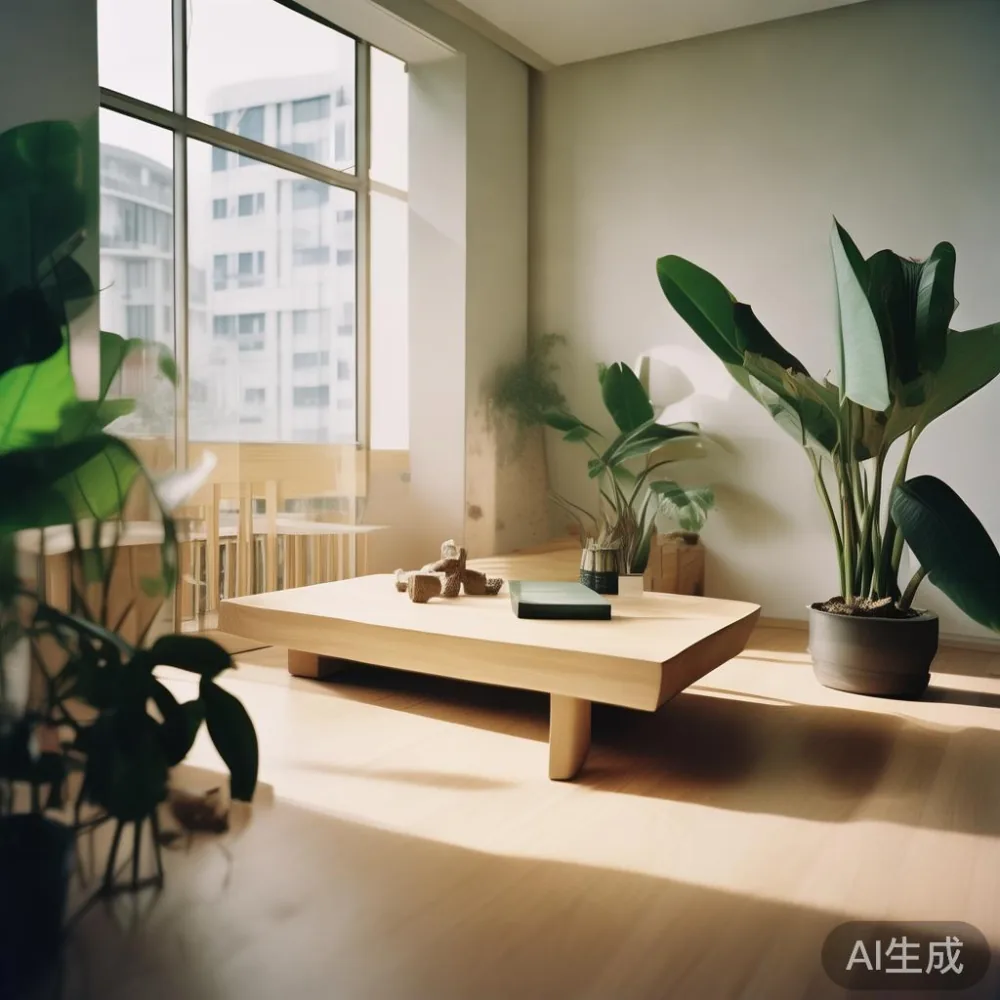
For residents of Tampines, Bedok and Punggol, minimalist furniture should feel practical rather than precious. Light-toned timber, restrained profiles and measured spacing can make a 900 sq ft flat appear more open, while warmer lighting and textured textiles keep the room from becoming clinical. The right approach begins with dimensions, continues with materials and ends with how each piece behaves at night.
What makes minimalist furniture feel warm rather than stark?
Minimalism works through reduction: fewer visible objects, cleaner lines and a limited palette. Warmth comes from contrast in texture rather than an abundance of decoration. A pale oak dining table can sit beside matte black metal, while a solid wood sofa in oatmeal or sand brings softness across the room. Natural grain remains visible, edges are not excessively ornate, and room temperatures of approximately 24–27°C are supported by materials that do not feel cold to the touch.
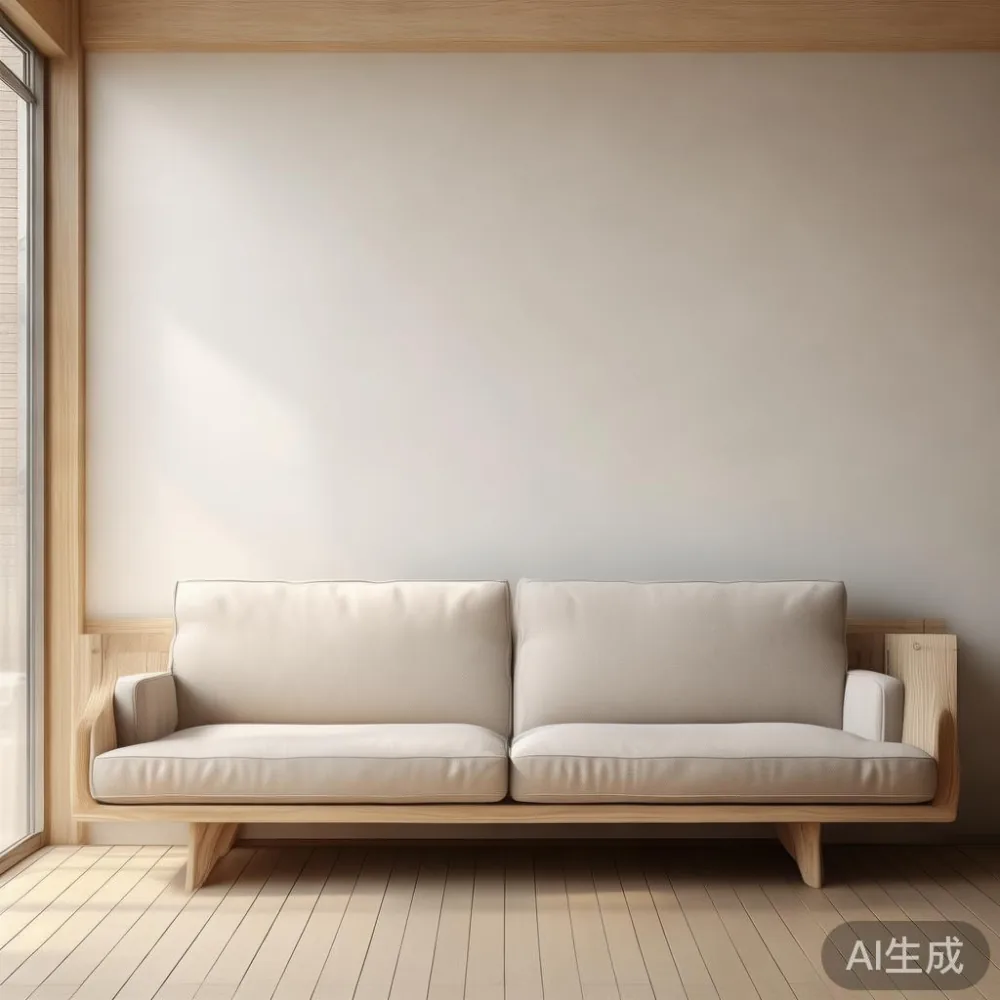
French light luxury often combines delicate proportions with upholstered surfaces, muted creams and gentle curves. American light luxury tends toward broader silhouettes, deeper comfort and more generous cushions. Post-modern light luxury allows a sculptural lamp, an eccentric chair or a marble table to interrupt an otherwise disciplined arrangement. Whichever direction you prefer, the discipline is the same: every piece should earn its place through proportion, function or material quality.
Think of minimalist furniture as a neutral framework. Warmth is added through a rug, curtains, ceramics and lighting, not through filling every gap. For a compact living room, two or three seating zones may be enough. A 200–220 cm solid wood sofa offers useful seating without consuming the full width of a 3.2–3.6 m HDB living room, leaving at least 80 cm for circulation.
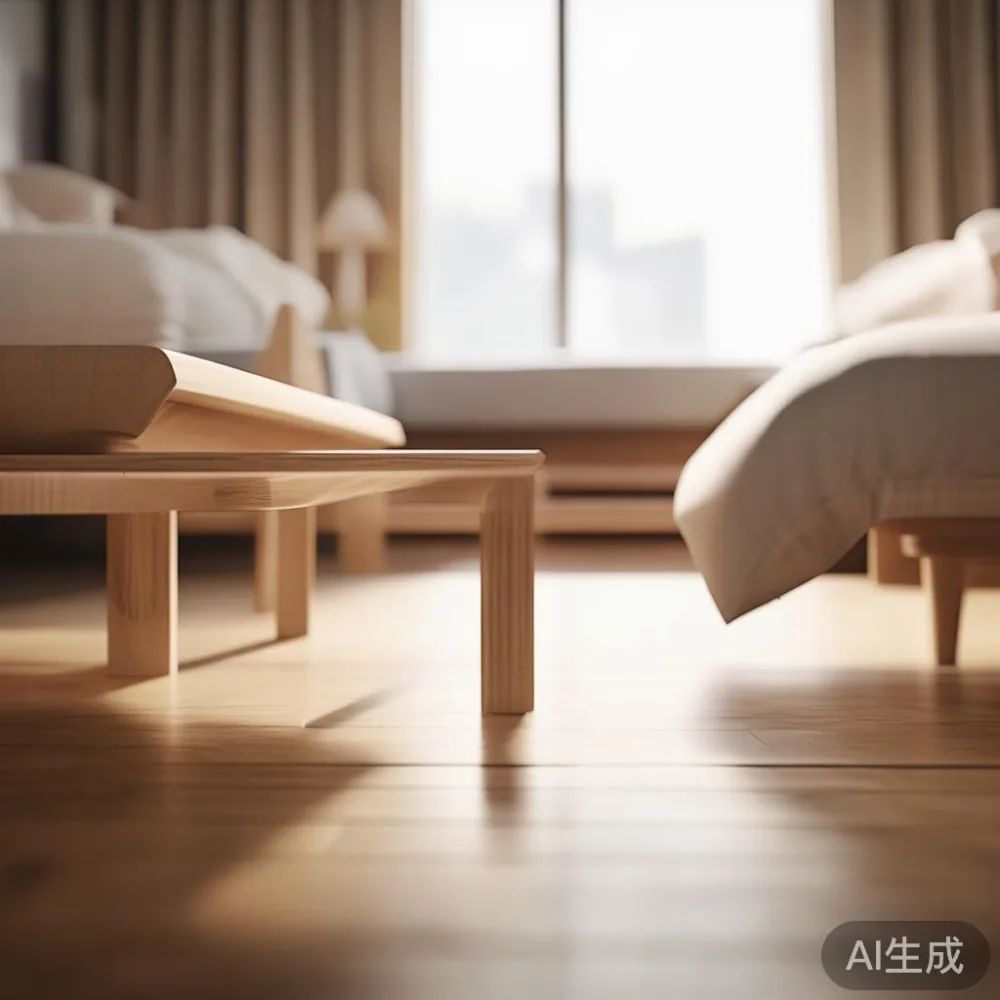
My colleague visited a Punggol condo last month to compare several oak finishes in afternoon light. The pale samples looked flat under ceiling LEDs, while a slightly honey-toned timber retained more depth near a west-facing window. That observation shaped my own method: check samples beside your actual lights at 7 p.m. before deciding.
How do you measure a Singapore home before choosing furniture?
Begin with a tape measure, a floor plan and the route from your front door to the intended room. HDB corridors and common areas can be narrow, and lift doors may restrict the size of a boxed bed frame or dining table. Do not rely on a photograph alone. Record the door opening, corridor turns, stair width, lift car dimensions and lift door height, then add handling allowance.
Typical HDB entrance doors measure about 80–90 cm wide, while lift doors in many blocks are around 80–90 cm. A wardrobe wider than 100 cm may still enter if it is disassembled, but its panels must fit through the route. For a solid wood bed frame, compare the largest panel with the narrowest lift door rather than with the lift car. Allow at least 10 cm of clearance for turning angles and protective packaging.
Also map circulation inside the room. Leave 75–90 cm beside a dining chair when it is occupied, 60 cm along a wardrobe front when doors are open, and about 80 cm between a sofa and coffee table. A nightstand needs roughly 40–50 cm of usable width, and the bed should have 60–70 cm of access on at least one side. These numbers make a warm interior easier to use, not merely easier to photograph.
Delivery planning should include GST. If a dining table is quoted at SGD 2,400 before GST, the total is SGD 2,568 at the current 7% rate. Confirm whether installation, assembly and lift-to-door delivery are included. MIDHILL offers free shipping for orders over US$350, but local terms should still be checked because the threshold is denominated in another currency.
Which wood tones work best in a warm minimal home?
Warm minimal interiors usually begin with light to mid-tone wood: natural oak, ash, beech, warm walnut or a pale finish with visible grain. Dark walnut can work in a larger room, but it should occupy less than about 25% of the visible surface in a compact flat. Too much dark timber can reduce the sense of openness, especially without strong daylight.
Choose one dominant wood tone and allow variation between pieces. A solid wood bed frame in natural oak, a dining table in a slightly deeper honey finish and painted storage can feel connected without looking matched to the millimetre. If you want a French light luxury mood, select slender frames, softly rounded corners and cream upholstery. For American light luxury, consider a deeper solid wood sofa, wider arms and cushions with a relaxed profile. Post-modern light luxury might pair a simple timber bed with a circular marble table and one graphic artwork.
Consider sheen as carefully as colour. Matte wood absorbs light and suits warm minimal rooms; high-gloss lacquer reflects more brightness but can create visual clutter. A good compromise is a lightly textured finish on large pieces and satin hardware on smaller items. Avoid mixing more than three prominent finishes—wood, metal and stone will usually provide enough variation.
Each large item should also make practical sense for Singapore’s humidity. Ask about solid wood construction, joinery, moisture control and finish coverage. Sealed undersides and properly finished edges reduce the risk of swelling or staining. A 10-year structural warranty gives useful protection, while lifetime refinishing can extend the appearance of properly cared-for pieces, although indoor placement and cleaning guidance still matter.
How do you style a light luxury sofa in bedroom without overcrowding it?
For many Singapore bedrooms, the sofa is either a compact occasional seat or part of a combined study-and-sleeping area. The answer to how to style light luxury sofa in bedroom is to keep it visually quieter than the bed. Choose a solid wood sofa with a low back, no loose skirt and a restrained colour such as oatmeal, mushroom, pale taupe or warm grey. Its width should match the available wall rather than the bed, and it should not block a window or wardrobe access.
In a 3.6 m wide bedroom, a 140–160 cm sofa may fit, leaving about 100 cm for a narrow desk or a 120 cm bed depending on the layout. A sofa with a 75–85 cm seat depth feels substantial without becoming an accidental bed. Style it with one 40 × 60 cm cushion and a folded throw; avoid placing three small tables within reach, as each interrupts the clean floor line.
A slim floor lamp can provide warm light at 1,350–1,700 K. Keep the shade at least 20 cm from fabric and use dimmable LEDs below 800 lumens for bedtime. This is also where French light luxury works well: curved arms, fine legs and linen-like upholstery add softness without dense carving. For a more American light luxury result, use a broader seat, a stronger cushion and a supportive lumbar form.
For a guest room, a solid wood sofa can become a daytime bed, but check its usable sleeping width before purchase. A 180 cm model may sleep one adult comfortably and may suit a child or occasional overnight guest. A fabric seat that can be cleaned is more useful than a pale loose-weave material beside a bed.
What is the difference between European and Italian bed designs?
The comparison of European bed vs Italian light luxury bed is partly about silhouette and partly about visual weight. Contemporary European frames often use clean rectangular forms, integrated headboards and restrained details. Italian light luxury beds tend to feature upholstered headboards, curved edges, generous padding or more sculptural bases. Both can suit a warm minimal bedroom when the surrounding elements remain simple.
For a typical HDB bedroom, a bed frame around 160 × 200 cm or 180 × 200 cm is common. Measure the room before assuming the largest mattress will fit. Leave 60 cm on one side, or preferably on both, for drawers, bedding and daily movement. A queen frame may fit tightly across the wall but become frustrating if the wardrobe door opens into the same space.
This is also where light luxury bed vs Japandi bed becomes a useful decision. A light luxury bed offers upholstered softness and a more finished bedroom appearance; a Japandi bed usually emphasises pale timber, visible joinery and a quieter connection to natural materials. For a warm minimal interior, a simple solid wood bed with an oatmeal headboard can borrow the softness of light luxury while preserving Japandi restraint.
Check the installation method and package size before delivery. A low platform frame may arrive in 2–4 panels, while an upholstered headboard may require a separate carton. For narrow HDB corridors, flat-pack construction can make the difference between a smooth move and a difficult one. Allow 7–14 delivery days for made-to-order pieces and confirm the exact day before the van arrives.
How should a dining table connect to the rest of a warm minimal room?
A dining table often anchors a Singapore home because meals, work and conversations share the same surface. Choose a shape according to circulation: a rectangular table suits a narrow dining area, a round table softens corners and preserves movement, and an oval table works well in a room with an irregular wall. For four diners, allow at least 75 cm of table edge per person. A 140 × 80 cm table handles four place settings; 180 × 90 cm gives six people more elbow room.
When comparing MIDHILL dining table options, pay attention to the clear dimensions beneath the top, leg spacing and stability. A table that looks generous in a showroom may feel cramped if a sideboard reduces usable clearance. Keep at least 90 cm between the table edge and a wall or cabinet when chairs need to be pulled back. In an open-plan HDB flat, the dining table can visually continue the living room if it shares the same timber family, but a slightly different tone may establish the zone more clearly.
For Boho for guest room ideas, do not force the same decorative language into every area. A guest room can use a woven headboard panel, a clay vase and a warm cream blanket while the dining area remains clean and architectural. If you are comparing cheap Modern light luxury furniture by price, treat the whole purchase rather than one item. A table with sound joinery, a durable finish and accurate delivery planning may cost more initially yet suit the room for many years.
A marble table introduces another useful layer. Use it in a compact living room as a 80–100 cm side table beside a solid wood sofa, provided the colour contrast remains gentle. Warm beige or cream stone works with oak; charcoal stone is stronger and benefits from pale upholstery. Marble is hard and cool, so pair it with textiles rather than surrounding it with more hard surfaces.
How do you create a Modern light luxury wardrobe that does not dominate the room?
A wardrobe is usually the largest fixed object in a bedroom, so its height, colour and door rhythm determine the room’s character. A Modern light luxury wardrobe can use flat fronts, slim handles, warm timber frames and carefully aligned gaps. Avoid full-height mirrored panels if they reflect clutter or visually reduce the room; instead, use one narrow mirror section beside the door.
For internal planning, allocate hanging space for the clothes actually worn. A 150 cm wide wardrobe can be divided into approximately 80 cm for long hanging, 50 cm for folded items and 20 cm for internal shelving, although the maker’s dimensions should take precedence. In Singapore’s humidity, leave ventilation gaps where instructed and avoid compressing tightly packed clothes against solid timber surfaces.
Finish and scale are more important than decorative detail. A 240 cm tall wardrobe in a bedroom with a 260 cm ceiling can feel proportionate, while a darker unit in a low-ceiling room may feel heavier. If the bedroom is less than 10 sq m, light fronts and a wall-mounted nightstand can preserve visual space.
The same restraint applies to storage elsewhere. A 120–160 cm low sideboard can conceal cables and small objects while providing a display surface. Keep it 10–15 cm off the wall if cables need routing, and limit the objects above it to 3–5 pieces of different heights. This is how minimalist furniture remains practical rather than looking showroom-perfect but difficult to maintain.
How do nightstands, lighting and colour finish the room?
A nightstand should support 3 things: a lamp, a book and a glass of water. For most compact bedrooms, a width of 40–50 cm and depth of 35–45 cm is enough. Match the height close to the mattress top so the surface is easy to reach. Floating models save floor space, while a small drawer should open without hitting the bed frame.
Warmth comes from layered light. Use one ceiling fixture at roughly 2,700–3,000 K, bedside lamps at 2,200–2,700 K and an optional dimmable indirect light near the ceiling. A practical scheme uses 3 light layers with about 150–250 lux for general circulation and 300–500 lux for reading. Avoid a single cold overhead light, which flattens timber grain and makes neutral upholstery appear grey.
Set the palette with 60% warm neutrals, 25% wood and stone, and 15% accent colours such as rust, olive or muted blue. This is a decorating guideline, not a requirement for every room. It helps maintain calm while preventing a minimalist scheme from becoming visually cold.
Finally, check each object against a real need. Replace a crowded nightstand with a 30 cm wall shelf, remove duplicate accessories and leave some surfaces clear. If a piece can be moved easily, test it for 14 days. Singapore’s frequent humidity and limited storage make flexibility more valuable than a rigid arrangement.
How can you buy large furniture without regretting the delivery?
Make a buying checklist before payment. It should include exact product dimensions, packaged dimensions, weight, lift-route measurements, delivery timing, installation requirements, return terms and warranty coverage. For a wardrobe or bed frame, photograph the route and share it with the supplier if access is unusual.
MIDHILL’s 14-day returns policy provides a useful window for checking scale and finish, subject to the stated conditions. Inspect visible surfaces under daylight and evening lighting, test doors and drawers, and confirm that the piece feels stable in its final position. Do not wait until the final evening to discover that a chair blocks the corridor or a marble table is too cold in the bedroom.
Delivery commonly takes 7–14 days for standard in-stock items and 21–45 days for made-to-order furniture, so obtain a firm estimate before purchase. Lift access should be reconfirmed close to the delivery date. If assembly is included, ask whether the team will remove packaging; if it is not included, budget about SGD 80–200 for common flat-pack assembly in Singapore.
A warm minimal interior succeeds when the measurements support movement, the timber feels inviting and the accessories remain restrained. Start with one anchor piece—perhaps a solid wood dining table or solid wood sofa—then coordinate the bed frame, wardrobe and nightstand around it. Add a marble table only when its scale and contrast have a purpose. The result should look composed in a photograph and remain comfortable at 7 a.m., during a family meal and late at night.