Tropical Home Care: Lacquered Furniture Tips
Lacquered furniture can give a Singapore home a calm, precise finish, but humidity, sunlight, salt air and frequent cleaning can slowly dull the surface. For a solid wood sofa, bed frame, dining table, wardrobe or nightstand, good care means controlling moisture, using the right cloth and understanding which damages can be repaired. This guide focuses on lacquered pieces from a minimalist furniture collection and explains how to protect them in HDB flats and condos across Tampines, Bedok and Punggol.
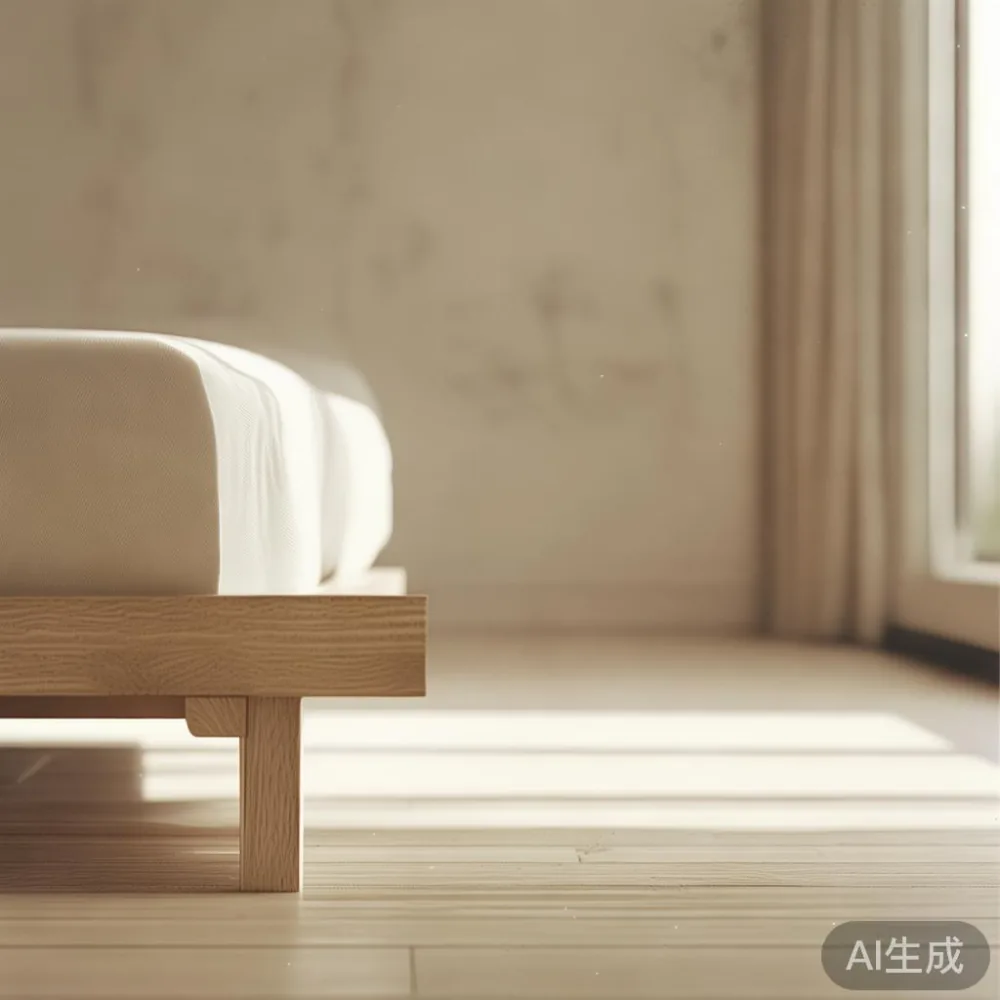
Singapore’s relative humidity commonly ranges from about 60% to 85%. That moisture can enter lacquer through scratches, standing water or poorly sealed joints. A dining table near an open kitchen is also exposed to steam, grease and food spills, while a wardrobe beside a bathroom window may encounter condensation. The maintenance routine should suit these conditions without stripping the finish or making the timber underneath vulnerable.
At MIDHILL, lacquer is treated as part of the furniture’s long-term use rather than a disposable surface coating. The company has operated since 2008, exports to more than 15 countries, provides a 10-year structural warranty and offers lifetime refinishing. That support matters in a humid city, where minor surface wear can occur around handles, cabinet edges and frequently touched rails.
What Is Lacquer, and Why Does Humidity Affect It?
Lacquer is a thin, durable finish applied over prepared wood. It may be solvent-based or water-based, and it creates a smooth surface that is easier to wipe than untreated timber. Nevertheless, lacquer is not waterproof. Prolonged humidity, heat and standing liquid can cause softening, clouding, bubbling or lifting, especially if the coating is old or scratched.
The wood underneath can also move as its moisture content changes. In Singapore, an interior air conditioner may lower humidity to 45% by day, while an un-air-conditioned corridor remains closer to 80%. Repeated cycles can make lacquer expand and contract faster than sound factory finishing can tolerate. Keep the piece away from direct air-conditioner vents, about 60 cm, and leave 10 cm between the back of a wardrobe and the wall where ventilation is practical.
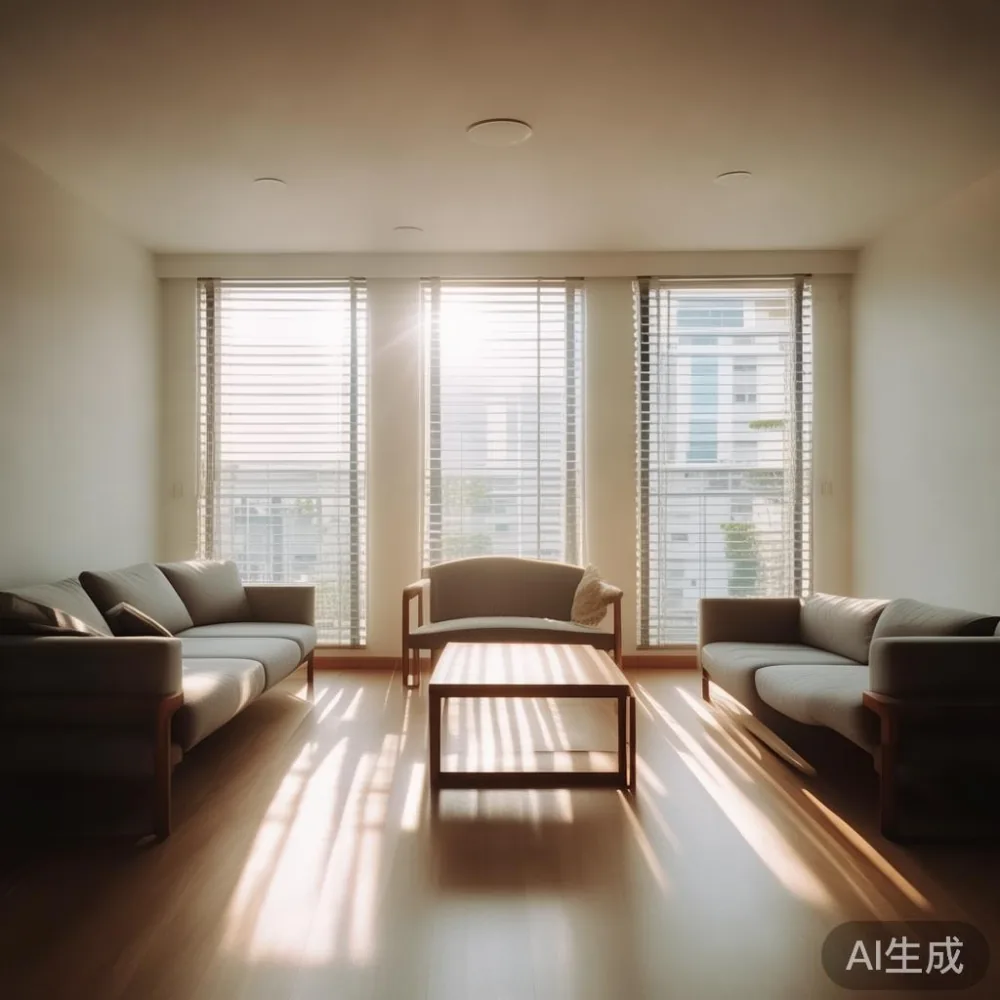
Acidic substances need attention too. A glass of tomato juice left on a nightstand for 30 minutes can leave a mark that ordinary dry wiping will not remove. Coffee, red wine, soy sauce, perfume and hand sanitiser can all stain or chemically attack lacquer. Wipe spills promptly rather than waiting for them to dry.
Lacquer quality also affects results. Inspect the surface under daylight and at a shallow angle. A properly finished panel should have consistent colour, no ripples and no visible pinholes. Lift the top of a dining table and check the underside, edges and joint areas. These are the places where a thinner film or trapped moisture often appears first.
How Should I Clean a Lacquered Surface?
Start with the mildest method. Use a clean, white or pale microfibre cloth, lightly dampened with lukewarm water. Wring it until no water drips out, then wipe in the direction of the grain or along the panel. A second dry cloth removes moisture and reduces streaking. Clean only a 1 square metre section at a time so moisture does not linger across the whole panel.
For ordinary dust, a dry microfibre cloth is usually enough. If a slightly stronger cleaning is needed, add one drop of mild, pH-neutral dishwashing liquid to a bowl containing about 500 ml of water. Mix it, dampen the cloth and test an inconspicuous 10 cm by 10 cm area. Dry immediately with a separate cloth.
Never soak the surface. Do not use steel wool, scouring pads, abrasive powder, bleach, ammonia, alcohol, acetone, thinner, furniture polish or silicone spray unless the lacquer manufacturer expressly permits it. These products can strip the coating, leave oily residues or make future refinishing harder. Avoid spraying cleaner directly onto a wardrobe or solid wood sofa, because overspray can reach timber joints or nearby textiles.
Cleaning frequency depends on use. Wipe a frequently handled dining table every 7 days, a kitchen-adjacent bed frame every 14 days and a wardrobe once every 2 to 4 weeks. During the 5 pm to 8 pm cooking period, remove spills immediately. If a household has children or pets, keep a dry microfibre cloth and coasters within reach, perhaps in a 30 cm-wide caddy beside the table.
Will Sunlight Fade the Finish?
Yes. Ultraviolet light can fade both lacquer and the timber beneath it. An east-facing Tampines flat may receive direct morning sun for 2 to 3 hours, while a west-facing Bedok condo balcony can be intense in the late afternoon. Place a solid wood sofa or bed frame at least 1 metre from a window, or use a sheer curtain with a high UV-blocking rating. For a dining table, position it perpendicular to the window where possible.
Check the UV protection level of curtains. A good sheer curtain should block at least 80% of harmful UV rays while allowing daylight through. Avoid placing a black lacquered nightstand beside a window because dark colours show fading more clearly. Natural oak and warm walnut also change colour under strong light, though their grain often disguises gradual variation.
Heat is another concern. A recessed downlight can raise the surface temperature by several degrees, and a table lamp placed directly on lacquer can create a visible ring. Leave 15 cm between a lamp base and the surface, or use a lamp with a protective underside. Singapore’s outdoor humidity should not be brought indoors on damp furniture either; allow a newly delivered piece to acclimatise for 24 to 48 hours before wiping it.
How Do I Prevent Scratches, Rings and Water Damage?
Use felt or cork pads beneath coasters, table lamps and decorative objects. A coaster should be at least 8 cm across for a water glass and 12 cm for a mug or small bowl. Do not slide objects across the finish; carry them instead. Felt pads should be replaced every 6 to 12 months, since embedded grit can scratch the lacquer.
For a solid wood sofa, check that cushions and decorative items do not press hard against a lacquered frame. Vacuum upholstery with a brush attachment every 2 weeks, and keep the sofa at least 30 cm from balcony doors. In a high-rise corridor, avoid damp mops splashing the lower panels when cleaning outside the unit. A 20 cm barrier around the furniture base can reduce accidental contact during mopping.
Water rings form when heat and moisture combine. Blot a fresh spill with paper towel rather than rubbing it. If a ring remains, use a lightly damp cloth and mild soap, then dry with pressure. Persistent marks may need professional assessment. Do not try sanding a lacquered panel yourself; removing 0.1 mm of finish can expose timber and create a more obvious patch.
For bathroom-adjacent furniture, inspect silicone joints every 6 months. A wardrobe installed in a Punggol condo near an en-suite bathroom should have a moisture-resistant finish and at least 10 cm of ventilation space where design allows. If condensation develops on the wall behind it, address the source rather than repeatedly wiping the furniture.
Can Hot or Cold Drinks Damage a Lacquered Dining Table?
Yes, but temperature changes can be managed. A drink at 70°C can leave a ring or soften a thin finish within minutes. Put a trivet under a hot pan and a coaster beneath every cup. Wait about 15 minutes before placing a chilled glass directly onto a surface that has been heated by direct sun.
Do not place plastic wrap directly on lacquer. It can stick to the finish when the surface warms, and adhesive residue may require specialist treatment. For craft work or children’s activities, use a separate protective mat measuring at least 40 cm by 30 cm. For meal preparation, use chopping boards rather than cutting directly on the dining table.
Grease needs a different response. If a butter smear appears, lift the solid residue gently with a soft cloth and clean the remaining film with the mild soapy solution described earlier. Avoid heat guns and hairdryers, which can drive oils deeper into the coating.
When researching designer French provincial furniture, look for examples with restrained profiles and carefully finished edges rather than relying on a style label alone. The same inspection applies to a refined solid wood sofa, contemporary wardrobe or marble table: check how the finish meets the timber, and ask for care instructions specific to lacquer.
How Often Should the Furniture Be Inspected?
A monthly walk-through takes about 10 minutes. Check lacquer under daylight for dull patches, lifting edges and pale rings. Look along the top of a wardrobe, around handles, beneath a bed frame’s side rail and at the front edge of a nightstand. These contact points show wear sooner than flat panels.
Inspect every 3 months for insects, particularly around movable joints and storage cavities. In Singapore’s warm climate, small insects can enter through gaps in timber, though a factory-sealed lacquered piece should be less exposed. Tap gently and listen for movement inside a wardrobe. If you hear scratching, remove stored items carefully and check the internal panel.
Check door and drawer movement every 6 months. A solid wood bed frame may settle slightly as timber adjusts to indoor humidity; a drawer that binds by 2 mm may need minor adjustment rather than immediate refinishing. Do not force it. For a dining table, ensure it is stable and not wobbling before tightening fittings by a quarter-turn.
Look for these signs each year: lacquer lifting over 5 mm, deep scratches exposing timber, persistent white haze after cleaning, or swollen joints. Such symptoms deserve professional attention before moisture reaches the wood. Smaller cosmetic marks can sometimes be treated without replacing the finish.
What Should I Ask Before Buying Lacquered Minimalist Furniture?
Ask the seller for the lacquer type, cleaning instructions, repair process and expected furniture tolerances. A reputable answer should distinguish between structural movement and a finish defect. It should also explain whether touch-ups are completed in the workshop or at the property.
Measure the delivery route before ordering. A sofa may fit through a 90 cm doorway after tilting, but a rigid wardrobe may not fit into a lift with a 100 cm door and a 110 cm diagonal depth. Provide the lift dimensions, corridor widths, turning points and door measurements to the supplier. In many Singapore homes, the narrowest point is not the apartment entrance but a corridor bend or lift lobby.
Review after-sales terms in writing. MIDHILL offers a 10-year structural warranty, lifetime refinishing, a 14-day return period and free shipping above US$350, equivalent to about SGD 460 at a conversion rate of roughly SGD 1.32 per US$1. Local prices should still be confirmed in SGD, and the delivery estimate should be stated in days rather than a vague period.
For larger pieces, confirm whether delivery includes carrying, unpacking, assembly and placement. A common service window is 7 to 14 delivery days after production, but stock availability and building access can change the timing. For a condo, book the lift with the management office at least 48 hours in advance, where required.
How Do I Style Lacquered Furniture Without Overlooking Maintenance?
Minimalist furniture works well in Singapore interiors when the proportions are disciplined and materials are limited. Keep a palette to 3 main colours, such as warm white, pale oak and matte black. Avoid placing every lacquered object against the same wall. Leave 15 to 20 cm between a wardrobe and a bed frame where circulation requires it, and around 75 cm beside a sofa for a practical walkway.
Balance reflective and matte surfaces. A marble table with a pale, veined top can sit near a dark lacquered nightstand without making the room feel crowded. Keep food and fragrance away from the stone and lacquer separately. Marble may need its own pH-neutral cleaner, while lacquer should not receive marble polish.
When considering american sofa set design, focus on frame dimensions, seat height and clearances rather than matching every element. A solid wood sofa with a low profile can maintain visual lightness in a compact HDB living room. Use one cushion rather than five, and select washable covers where children are present.
If you are exploring for sale Modern furniture, inspect each listing for finish condition, seller documentation and delivery terms. A discounted piece with lifting lacquer may cost more to restore than its original purchase price. Clear photographs of the underside, edges and joints can reveal poor preparation or water exposure.
For bedroom planning, the question of how to style European bed in bedroom is partly about circulation. Leave 60 cm beside a double bed and 75 cm along the main access side where possible. A pale lacquered bed frame can visually widen a 10 m by 11 m HDB bedroom, but direct afternoon sun should be filtered with curtains.
French provincial furniture often suits a warm, layered approach rather than a strictly minimal one. If you admire designer French provincial furniture but prefer a more restrained Singapore home, choose one curved silhouette, such as a modest headboard or an oval dining table, and keep the remaining pieces plain. For a small apartment, a round dining table measuring 110 cm or 120 cm in diameter can accommodate 4 or 6 people while preserving a 75 cm passage.
Wardrobes deserve the same practical thought. If you are searching for guidance on how to choose light luxury wardrobe, compare the interior fittings, door clearances, ventilation and finish care before the decorative profile. A light-luxury wardrobe with integrated handles reduces protruding hardware, while a French or post-modern light luxury direction can use slim trim without making the storage unit appear bulky.
What Should I Do When Damage Has Already Occurred?
Identify the damage before choosing a treatment. A superficial mark may respond to mild cleaning, while a scratch through the lacquer needs a resin touch-up or professional refinishing. If the timber is swollen, brown or soft, moisture control should come before cosmetic repair. Reduce humidity with air conditioning or a dehumidifier and keep the affected area dry for 24 to 48 hours.
For minor scuffs, use a clean, soft cloth and follow the product supplier’s approved touch-up procedure. Test any colour-matched product on a hidden 2 cm area and allow 24 hours to dry. Deep scratches, lifting, burns and large water marks are better handled by specialists. Avoid online solvent kits that can dissolve lacquer, dull a neighbouring panel or leave a repair that stands out under daylight.
Photograph the damage in daylight and at night. Include a ruler, the piece and a close-up, then send the images to the supplier. Clear documentation helps the assessment and supports warranty service if the issue relates to construction. Keep the furniture protected with breathable fabric, not plastic sheeting, while repairs are arranged.
One practical lesson came from my colleague’s visit to a client’s Bedok condominium last month. A lacquered solid wood dining table had a dark ring after a hot mug stood on a damp coaster. We placed a clean cloth over the area, pressed it gently with a warm, not hot, towel for 60 seconds, and dried the surface. The mark became much less visible within 5 minutes. A nearby wardrobe, however, showed lifting along one lower edge after repeated corridor mopping. The correct response there was not polishing but keeping the panel dry, improving ventilation and arranging a finish repair.
For long-term care, wipe lacquered surfaces gently, control humidity, block UV exposure and respond to spills within minutes. Use padded coasters, inspect high-contact areas every 3 months and obtain specialist help when lacquer has lifted or timber has swollen. These habits preserve the clean character of minimalist furniture while helping a solid wood sofa, bed frame, dining table, wardrobe, nightstand or marble table remain suitable for everyday Singapore life.