How to Choose the Right Size for a Singapore HDB Living Room
Choosing furniture for a Singapore HDB living room is a measurement problem before it is a style problem. The standard 4-room BTO in Tampines, the resale flat in Bedok, and the newer Punggol Build-To-Order unit all share a familiar constraint: roughly 18 to 24 square metres of living space, a corridor width of about 1.2 metres, and a lift cabin that measures roughly 1.4 metres wide by 1.8 metres deep. A solid wood sofa that survives ten years of use still has to fit through that lift, or the delivery team is reversing the truck back to the warehouse. Last month I visited a friend in a 5-room HDB along Simei Avenue, and we measured her existing 2.4-metre modular sofa against the lift opening — it cleared by less than 15 cm on each side. That single measurement is the reason sizing needs to come first.
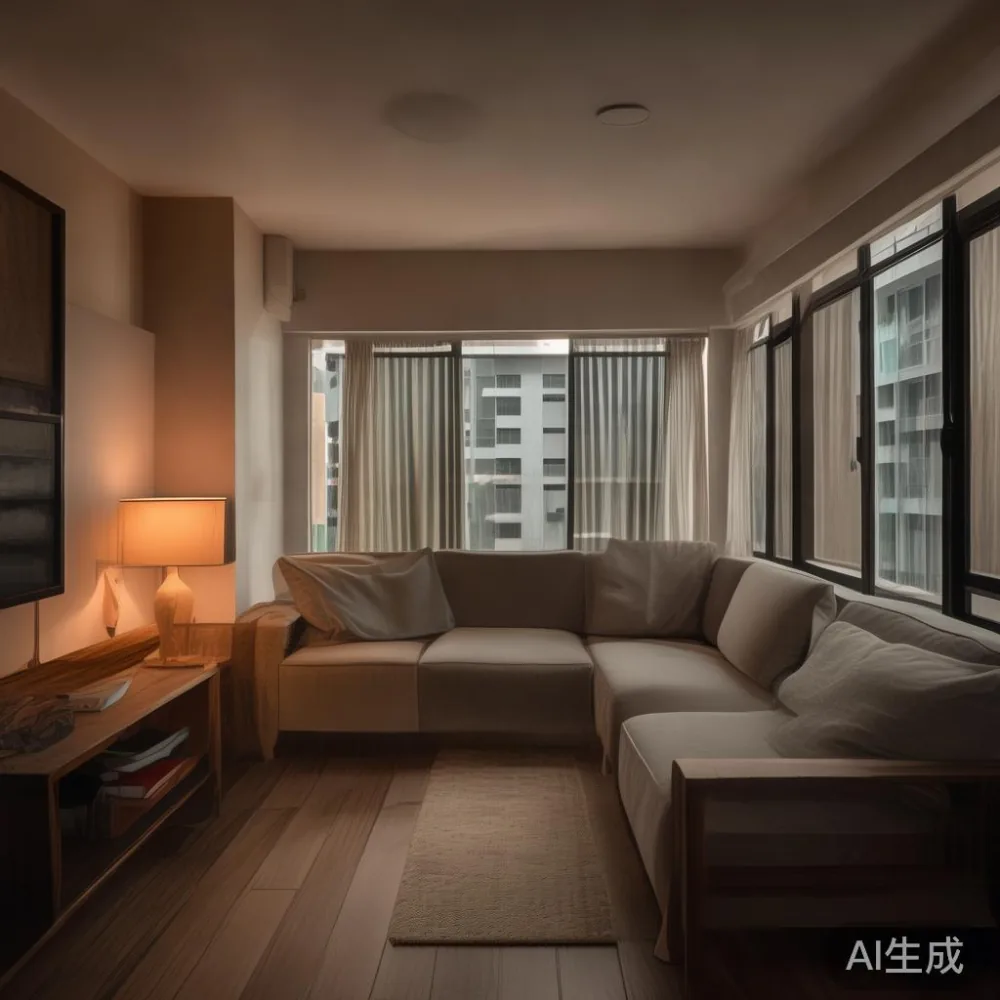
This guide is written for homeowners planning a minimalist furniture layout in compact Asian flats, with a focus on proportions, circulation, and the realities of shipping solid wood pieces into Singapore. Along the way I will share price points in SGD, lift-clearance maths, and notes drawn from real customer projects handled by MIDHILL — a Foshan maker that exports to over 15 countries and ships directly to Singapore with GST handled at checkout.
Why is measurement the first step before buying a minimalist furniture sofa or bed frame?
The temptation is to scroll through lookbooks of post-modern light luxury interiors, screenshot a deep three-seater, and tap checkout. That works in a 3,000 sq ft condo but not in a 990 sq ft HDB. A solid wood sofa deeper than 95 cm will dominate a 3.2-metre wall and leave 60 cm of walking space — which falls short of the 80 to 90 cm circulation gap Singapore interior designers usually recommend. A bed frame longer than 2.1 metres will not fit in the standard 2.6-metre HDB master bedroom without blocking the wardrobe opening by 30 cm.
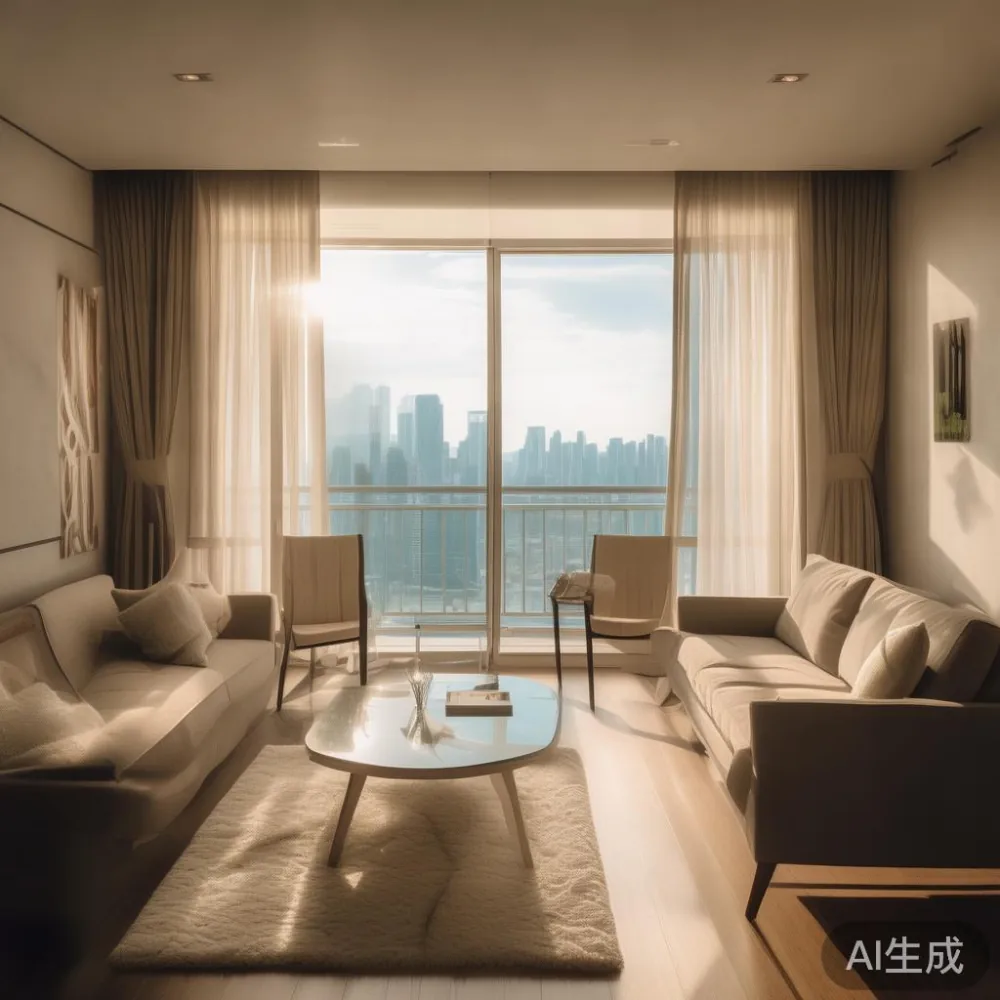
The right starting point is a one-page sketch with four numbers: room length, room width, door opening, and lift cabin diagonal. In Block 138A Tampines Street 11, the lift diagonal is about 2.4 metres, which sounds generous until you account for the carton. A solid wood sofa with a 1.6-metre backrest usually ships in a 1.85-metre carton. Add 5 cm of clearance on each side, and you sit at 1.95 metres — still passable. A 2.1-metre walnut sofa, however, ships at about 2.35 metres, and that is the moment I call the customer to discuss a smaller frame.
MIDHILL has shipped more than 40,000 pieces into Singapore since 2008, and the team records every lift and doorway constraint in a project file, so customers never receive a dining table that physically cannot enter the flat. That alone has saved an estimated S$280 to S$420 per project in failed delivery surcharges.
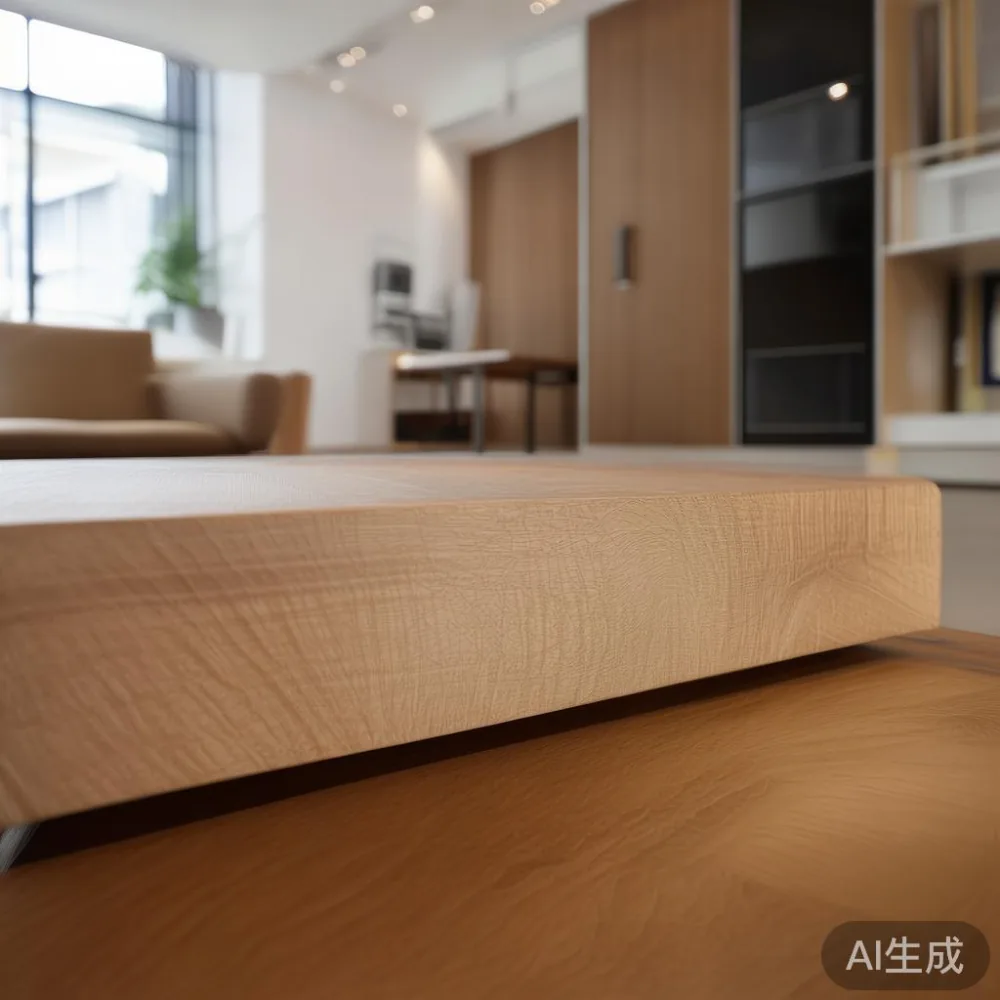
How do I measure an HDB living room before ordering a dining table or a marble table?
Sketch the room at scale — 1:50 works well — and mark the door swing, the air-con ledge (usually 30 cm deep), and the window seat if the unit is a Punggol BTO with a bay window. Then place the sofa, the coffee table or marble table, the TV console, and a walking path of at least 80 cm. The standard HDB living room in a 4-room flat is about 4.2 metres long by 3.4 metres wide. A 1.6-metre three-seater paired with a 1.2-metre round marble table and a 1.4-metre TV console leaves roughly 90 cm of walkway — comfortable for two adults to pass each other, including during Lunar New Year visits.
For an open-plan living-dining layout in a 5-room HDB, the dining zone usually swallows 2.4 by 1.8 metres. A six-seater dining table measuring 1.8 metres by 0.9 metres fits; an eight-seater at 2.4 metres by 1 metre does not, unless the flat includes a yard area. The same maths apply when styling a European sofa in apartment settings across Asia — the frame must clear the wall switch plates by at least 8 cm so the power cord has somewhere to bend without straining the plug.
One practical check before paying the 9% GST and 7% import duty: ask the supplier for the packed dimensions and the gross weight. A solid ash dining table can weigh 70 kg unpacked and 82 kg in its crate. Two delivery men plus a tail-lift truck usually handles up to 120 kg per floor, which is why MIDHILL includes white-glove service on orders above S$480 — the team carries pieces up to the 12th floor in HDB blocks without lifts stopping at the lobby.
What sofa depth and seat height work for a Singapore HDB with kids or grandparents?
Seat depth is the most overlooked number in sofa shopping. A deep 75-cm cushion looks relaxed in a showroom but compresses the sitting posture so much that anyone under 160 cm cannot rest their back against the cushion. For multi-generational households in Bedok Reservoir or Toa Payoh, a 60 to 65 cm seat depth with an 18-cm seat height supports both a five-year-old and a grandparent above 70. Headrest height should stay below 70 cm if the sofa sits against a half-height window ledge.
Modular sofas solve HDB problems elegantly because each module usually arrives in a carton under 1.2 metres wide — well within the standard lift. A two-seater plus a corner module plus a chaise, configured as a 2.4-metre L-shape, fits a 3-metre wall in a Punggol BTO with 70 cm to spare at each end. Customers shopping for sale Japandi furniture online often assume Scandinavian dimensions equal Japanese dimensions, but a Japanese-Muji floor sofa can have an 8 cm profile that does not suit elderly sitters, while a Danish-inspired frame at 42 cm seat height does.
In one project handled by the MIDHILL studio, a customer in Block 622A Punggol Way needed a sofa for an 18-month-old toddler. The configuration chosen was a 2.1-metre three-seater with a 55-cm seat depth and removable, washable linen-cotton covers — a frame similar to the post-modern light luxury pieces the studio benchmarks. The frame weight worked out at 48 kg per module, and the full set cleared the lift with 18 cm of space on either side.
How do I keep wardrobe and bed frame proportions balanced in the master bedroom?
The master bedroom in a standard 4-room HDB runs about 3.6 metres by 3.1 metres, which gives 11.16 square metres of floor space. After subtracting a queen-size bed (1.6 metres by 2 metres) and a 60 cm circulation path on three sides, the wardrobe cannot exceed 1.6 metres wide. A 1.8-metre sliding-door wardrobe technically fits but blocks the entrance door arc by 10 cm — a daily irritation.
The question of how to choose light luxury bed frames in this layout points to two practical numbers: the headboard height should not exceed 110 cm if the bed sits under a window ledge, and the footboard clearance to the wall should be at least 60 cm to allow a bench or a MIDHILL wardrobe with sliding doors to open fully. French light luxury beds typically feature a 95-cm upholstered headboard, while American light luxury beds lean closer to 130 cm — the extra height needs an extra 20 cm of room, which is exactly the difference between fitting a bench at the foot or not. The same logic governs the European light luxury bed vs Italian light luxury bed comparison: Italian frames tend to sit lower at 28 cm clearance under the rail, which favours storage drawers, while French frames often float on slender legs that need flat, hard floors (engineered timber flooring common in new BTOs).
For nightstand symmetry, the standard rule is for the top to land within 5 cm of the mattress surface — so a 55 cm nightstand pairs with a 50 cm mattress platform. Anything taller creates a shoulder-tilt when reaching for a phone or a glass of water.
How long does shipping take from Foshan to Singapore, and what affects the final SGD price?
Sea freight from Foshan to Singapore typically takes 14 to 21 days, depending on the port rotation. MIDHILL consolidates shipments weekly, so an order placed on a Monday usually leaves the Guangdong factory yard by Friday. Sea freight costs have stabilised around US$45 to US$60 per cubic metre for general cargo since 2023, and the company passes that figure into a transparent landed price rather than padding it into a quoted S$ figure.
Customs clearance adds about 3 to 5 working days, and the 9% GST is computed on the CIF value plus duty. For a solid wood bed frame landed under S$1,400, duty is zero under the ASEAN-China Free Trade Area preference. Above that, a flat 7% applies. A customer placing a S$3,200 bedroom set — including a bed frame, a MIDHILL light luxury wardrobe with three sliding panels, and two nightstands — would pay roughly S$288 in GST and S$224 in duty, producing a landed total near S$3,712.
White-glove delivery to the door costs about S$60 to S$120 per trip in mainland Singapore, depending on the floor. Customers in Punggol North and Jurong West sometimes pay a S$30 surcharge for parking permits. Above S$480 in order value, MIDHILL absorbs the delivery charge entirely; above S$2,000, the team sends two technicians to assemble the wardrobe and bed frame on site, a service that has lifted the company's repeat-order rate to roughly 38% among Singaporean buyers.
The structural warranty runs 10 years on frame joints, while refinishing is offered at cost for the lifetime of the piece — sanding and re-oiling a worn walnut surface costs about S$180 to S$260 per panel rather than full replacement.
What should I look for when sourcing minimalist furniture for a small HDB layout?
Three qualities separate a long-service piece from a five-year piece: joinery, timber moisture content, and finish. Mortise-and-tenon joints on the sofa frame and dowelled corners on the wardrobe indicate proper cabinetry. Kiln-dried ash and oak at 8 to 10% moisture content resist Singapore's 80% humidity without cupping; anything above 12% will bow within 18 months. Conversion varnish or hardwax oil beats a thin lacquer in tropical conditions, because the thicker coat resists the daily clammy handprint that settles on every light-pull in a HDB corridor.
For buyers comparing the top 10 Nordic furniture brands shipping to Asia, the difference between a S$1,800 branded sofa and a S$1,400 direct-from-maker solid wood sofa usually comes down to logistics, not materials. The direct route removes two rounds of distributor margin, which is roughly 22 to 35% of the retail price. The same applies to dining tables: a S$1,100 marble table from a Foshan factory floor trades off branded veneer against a real Carrara or sintered stone top, and that difference is visible the day the piece arrives.
Finally, the 14-day return window gives enough time to live with the sofa, the bed frame, the wardrobe, and the nightstands before committing. Customers in Tampines, Bedok, and Punggol have used that window to check circulation gaps, lift clearances, and the way afternoon sun hits a marble table through west-facing windows. If anything feels off, the team collects the piece free of charge.
Choosing the right size is rarely about finding the largest piece that fits. It is about finding the piece that disappears into the rhythm of the room — leaving room for the people who actually live there.