Evaluating Sofas: Key Factors Before Purchase
A sofa may look ideal in a showroom, yet become impractical in a Singapore home once its true dimensions, material details, and delivery route are understood. The phrase “a sofa you cannot sit on” usually describes a display model, a made-to-order piece, or a sofa chosen purely for its appearance. It can also refer to a sofa whose comfort, support, and proportions have not been assessed before payment.

For HDB flats and condos in Tampines, Bedok, and Punggol, the questions are practical: Will the package fit through the lift? Can the sofa turn at the corridor corner? Is the seat height manageable for an older parent? And can the finish be maintained in Singapore’s humid climate? This guide examines those checks while placing the sofa within the wider category of minimalist furniture, where measured proportions and clear functions matter more than decoration alone.
MIDHILL makes solid wood furniture and has exported to more than 15 countries since 2008. Its 10-year structural warranty, lifetime refinishing service, 14-day return window, and free shipping above US$350 provide useful reference points, although every sofa still needs individual inspection. Prices discussed here are in SGD and include Singapore GST where applicable.
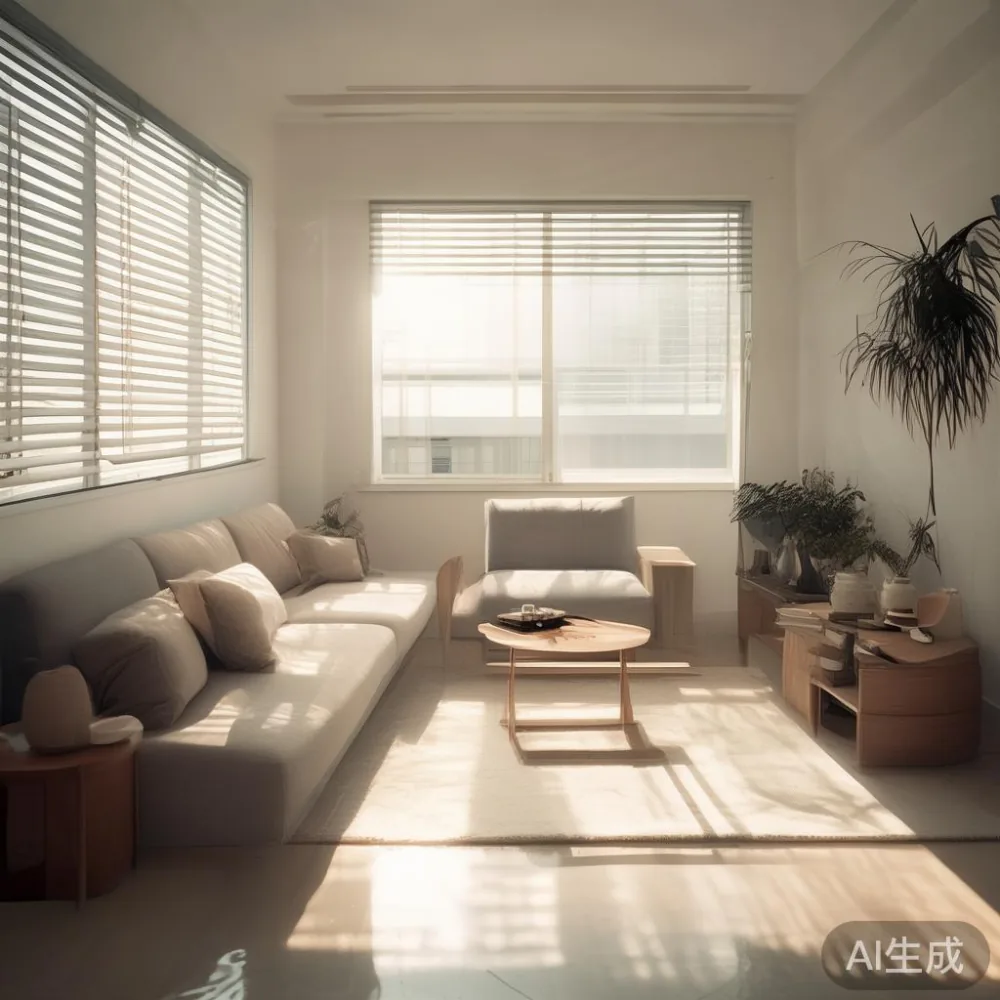
Why would a buyer choose a sofa that cannot be sat on?
A non-seatable sofa is often a showroom display kept for visual presentation. Its cushions may be closed, firm, or arranged to preserve shape. It may also be a photographic prop used for a catalogue image, with the seat covered so the wood frame, proportions, and finish remain visible.
Buyers who see such a piece in a catalogue can misunderstand its role. A solid wood sofa may be sold primarily as an architectural object, with loose upholstered pads placed on a rigid timber platform. That can still make an excellent minimalist furniture design, but the customer should know whether the cushions are included and whether the platform is intended for sitting.
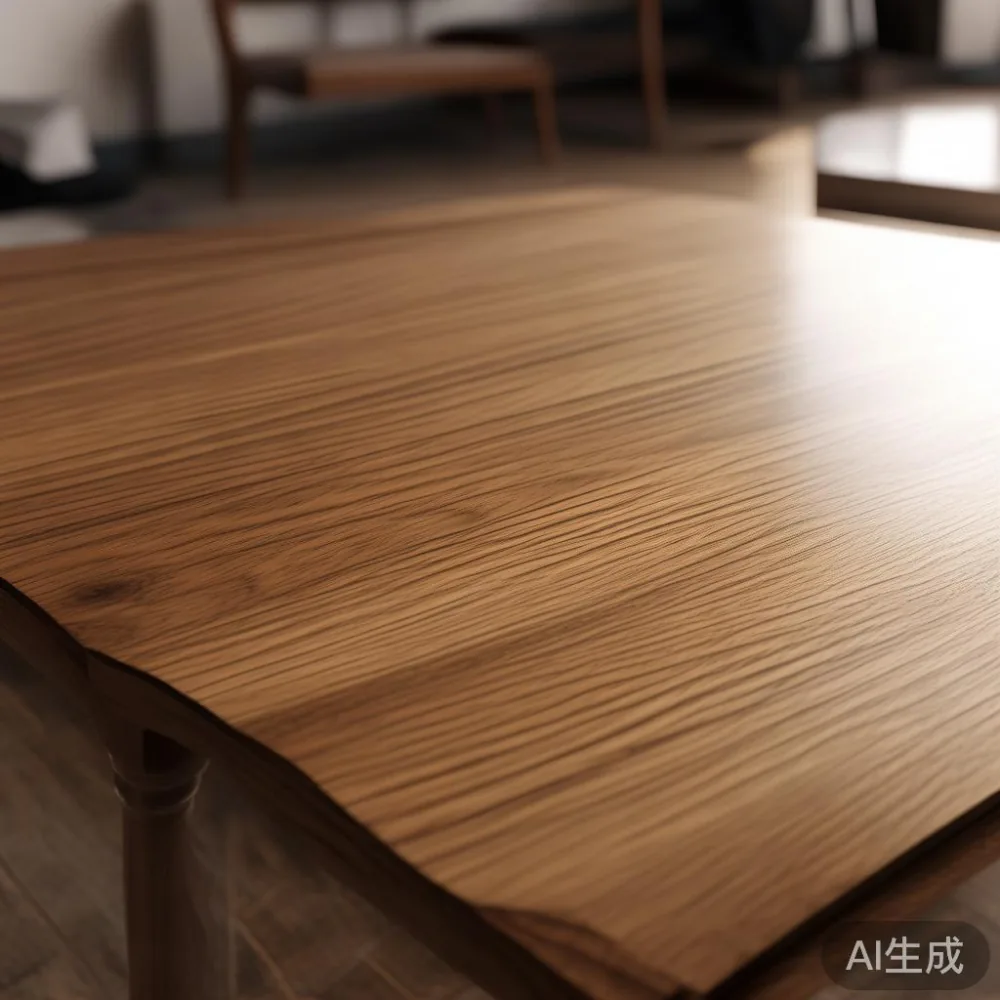
There is another explanation: the “sofa” may actually be a bench, daybed, or low lounge seat. Before paying, ask the retailer for a seat-comfort specification. Request the cushion thickness, internal filling, frame material, and a clear sitting photograph. For a display item, request an upholstery sample and a written confirmation of the completed seating surface.
I experienced this distinction during a recent supplier visit. A pale timber sofa looked convincingly comfortable in the showroom, but lifting one loose cushion revealed a rigid support board and a foam pad only 5 cm thick. The piece was attractive as a decorative bench, yet misleading as a family sofa. After trying a 7 cm cushion with a softer centre, I understood which version would work for daily use. This is precisely why appearance alone is not enough.
How do I confirm that the sofa is actually made for sitting?
Ask for five numbers before ordering:
1. Seat height: A useful family seat height is generally 40–45 cm from the floor. A 38 cm seat may suit younger adults, while 46–48 cm can be difficult for someone with limited knee mobility. Test with the actual shoes normally worn at home.
2. Seat depth: A depth of 50–58 cm supports the thighs without making the user lean forward. A 45 cm depth can work in a compact HDB living room, but may feel less relaxed during long evening use.
3. Cushion thickness: Look for a usable cushion of at least 15 cm, preferably 18–22 cm, if the sofa is expected for daily sitting. Confirm whether the stated thickness includes a rigid base pad, since that changes the comfort calculation.
4. Back height: Measure from the top of the seat cushion to the top of the backrest. A back height of 55–65 cm gives more lumbar support than a low 35–40 cm back.
5. Weight capacity: Request a stated limit, such as 120 kg per seat. If no limit is published, ask for the frame and suspension specifications rather than assuming a solid-looking base can carry any load.
The construction should be visible in the product information. Look for kiln-dried hardwood, mortise-and-tenon or dowelled joints, corner blocks, and a suspended webbing or spring system. A solid wood sofa should not rely on a thin decorative shell that can flex under a 75 kg adult. If the supplier cannot explain the internal structure, treat that as a reason to postpone payment.
In American light luxury, generous cushions and deep seating often create a relaxed look. Post-modern light luxury can pair an exposed timber frame with compact, squared cushions. French light luxury tends toward refined upholstery and softer profiles. Those styles can all be comfortable, but the hidden construction still determines whether the appearance is supported by real usability.
Will the sofa fit through my HDB flat or condo entrance?
Measure the complete route, not merely the door. For each Singapore home, record the lift opening, lift car dimensions, corridor width, corner clearances, staircase landings if relevant, and the final doorway. A common HDB lift opening may be about 90 cm wide and 200 cm deep, but buildings vary, and service lifts may be narrower.
Ask the supplier for the sofa’s packed dimensions. Then add at least 5 cm of working clearance on the narrowest dimension. If the packaged width is 88 cm, it may enter a 90 cm lift opening with little tolerance for turning or for protective wrapping. A sofa can fit into the lift car yet still fail to rotate towards the corridor door.
For corner turns, the diagonal relationship matters. A rigid frame with a width of 210 cm and depth of 92 cm may be manageable in a broad corridor but awkward around a right-angled turn. Disassemble the legs and remove the cushions if possible. Confirm whether the backrest or arms detach, and whether the manufacturer permits assembly outside the room.
In a Tampines HDB flat, a compact 180 cm sofa with a 42 cm arm depth may be more practical than a 230 cm model with wide 18 cm arms. Punggol and Bedok condos often have longer corridors and larger lifts, yet the route from the car park may include glass doors or security corners. Delivery staff should measure before carrying rather than improvising after reaching the lift.
Also calculate the lift load. A solid timber three-seat sofa may weigh 65–95 kg, while a larger hardwood frame can reach 110 kg. Confirm the lift’s posted capacity and the service elevator’s booking rules. Check that the corridor does not contain fire hose reels, signboards, or shoes that reduce the usable passage.
How should I check materials, finishes, and humidity performance?
For a solid wood sofa, identify the wood species rather than accepting “wood” as a description. Rubberwood, ash, oak, beech, and walnut differ in hardness, price, and response to humidity. The product should state whether the timber is solid throughout the frame or only the visible rails and panels are solid wood.
Check the finish for water resistance, repairability, and colour consistency. In Singapore’s climate, relative humidity commonly ranges around 55–80% through the year. A sealed lacquer or properly applied hardwax oil can tolerate seasonal movement, but a poorly sealed surface may collect moisture and show rings or uneven colour.
Ask whether minor scratches can be repaired and whether refinishing is included. MIDHILL offers lifetime refinishing for its covered range, which can be valuable for long-term ownership, but the service terms should still be confirmed in writing for the exact model. Take photographs before delivery, including the underside, joints, back panels, and legs.
The same discipline applies to related pieces. A solid wood dining table needs tabletop expansion clearances, usually around 5–10 mm depending on the design and timber. A bed frame should be checked for centre support over spans above 150–180 cm. A wardrobe needs panel stability and a verified internal hanging width. A nightstand should have stable joinery and a flush-fitting drawer. A marble table needs weight handling, edge protection, and an accurate top thickness. Even an Italian light luxury dressing table should be checked for drawer travel and moisture resistance rather than judged by its mirrored front alone.
Minimalist furniture often exposes more timber, so finish consistency becomes part of the design. Inspect for filler, mismatched grain direction, cracks, and visible glue marks. A restrained design should not conceal poor workmanship.
What does the price actually include in Singapore?
Compare the quoted total, not just the product figure. A sofa listed at SGD 2,680 may become SGD 2,886 after 8% GST. Confirm whether delivery, assembly, lift booking, and removal of packaging are included. A Singapore sofa around SGD 1,800–3,200 is a common working band for a three-seat solid wood or mixed-material piece, although design, timber, and upholstery can move the price well beyond this range.
MIDHILL’s free shipping threshold is stated as US$350, which converts to roughly SGD 470 at an illustrative rate of SGD 1.34 per US$1. Exchange rates change, so the checkout should confirm the current Singapore threshold and any local delivery charge. This distinction prevents confusion between an overseas freight offer and a fully delivered price in Singapore.
Ask when payment becomes non-refundable. The 14-day return period is useful, but made-to-order sofas may have different conditions. Confirm whether returns include the original delivery fee, who arranges collection, and whether the item must be unassembled. The 10-year structural warranty should identify what counts as structural damage, such as joint failure, versus ordinary surface wear.
Keep the quotation, technical drawing, material list, warranty, and delivery terms together. A clear sales record is more valuable than a temporary promotion. For furniture designed around minimalist furniture principles, provenance and serviceability should be part of the purchase, not an afterthought.
How do style and scale affect the sofa’s practical use?
The correct style does not determine comfort, but it shapes expectations. Nordic for small living room styles often use pale timber, clean lines, and compact depth. In a 280 cm-wide HDB living area, a 170–190 cm sofa may leave enough space for a 40 cm walkway, while a 220 cm sofa could make the room feel congested.
For more sculptural timber pieces, compare light luxury bed vs French provincial bed thinking for the adjacent bedroom: a French provincial bed generally introduces carved curves and decorative detail, while a light luxury bed usually presents straighter lines and restrained surfaces. A French bed vs Modern bed comparison makes the same point in the living room, where simplified forms can be easier to scale than ornate profiles.
French bed vs Mid-century modern bed comparisons are useful for understanding a sofa with tapered legs and exposed structure. Mid-century proportions often feel visually lighter, while French styling may add softness and pattern. Neither guarantees a usable seat. A client working on Coastal for guest room decoration can still use the same measuring method, selecting durable, wipeable surfaces and checking that the furniture can move between rooms.
Ensure the sofa’s visual language aligns with the rest of the home. A solid wood dining table with a rectilinear top may suit a low-slung timber sofa. A marble table can add visual weight to a room, so the sofa should provide balance without making circulation awkward. A wardrobe beside the sofa should not create an unusable pinch point, and a bed frame positioned nearby should maintain clear access rather than competing through excessive visual repetition.
French light luxury can work in a compact Singapore flat when decoration is controlled to 2–3 colours and furniture widths are measured. American light luxury may require more floor area because of deep seats and broad arms. Post-modern light luxury offers useful flexibility through simple silhouettes and exposed timber, provided the frame remains structurally credible.
What should happen on delivery day?
Prepare a 10-point inspection before the crew enters the lift:
1. Compare the model number and finish with the order. 2. Measure the package and check for transit damage. 3. Photograph all faces and corners. 4. Inspect legs, arms, backrest, and cushions. 5. Confirm that removable parts are present. 6. Check the sofa for rocking, twists, gaps, or uneven joints. 7. Sit on every seat and test the back support. 8. Check the serial number and warranty documents. 9. Confirm the packaging removal and assembly arrangement. 10. Record the day of acceptance for the 14-day return period.
Do not allow the delivery team to place a large sofa across the only doorway while hunting for a better position. Measure the intended footprint and leave a minimum 60–75 cm circulation path where possible. For lift access, reserve the service lift for the agreed slot and protect the corridor floor if required.
Allow approximately 7–14 delivery days for stocked or standard configurations, but made-to-order upholstery and timber finishes can require 6–10 weeks. A precise lead time should appear on the quotation. If the sofa is descending to Bedok, Tampines, or Punggol after a long factory journey, local transit should still be recorded separately from production time.
A sofa should be comfortable, correctly sized, and suitable for its route into the home. If a display model cannot be sat on, request an equivalent seated specification or a physical comfort check before committing. The most useful decision is not based on style words or showroom appearance alone; it is based on dimensions, construction, service, and a test that mirrors how the sofa will actually be used.