Buying a Sofa Wisely: Tips for Singapore Shoppers Without a Test Seat
In the world of interior design, especially within the context of Singapore's HDB flats and condominiums, selecting a new sofa is a significant decision. The challenge is often compounded by the reality of showrooms with limited selections or the convenience of online shopping, where physical testing is impossible. For residents in areas like Tampines, Bedok, and Punggol, working through narrow corridors and lift spaces adds another layer of complexity. This guide provides a comprehensive framework to evaluate a sofa you cannot physically sit on, ensuring your choice is both aesthetically pleasing and perfectly suited to your Singaporean home.
Why You Might Be Buying a Sofa You Can't Try
The reasons for purchasing a sofa without a test sit are numerous and increasingly common. Many modern furniture retailers, including some established makers from Foshan like MIDHILL, operate with a curated online-first model, focusing on minimalist furniture that prioritises clean lines and form over extensive physical showrooms. For a homeowner in a Bedok HDB flat, this often means making decisions based on detailed specifications and high-quality imagery. Also, the logistics of Singapore living are a factor. A large sofa might be displayed in a Tampines showroom, but getting it into a specific lift or down a condo corridor requires precise measurements. Finally, the rise of international shipping and GST considerations can make returning an item impractical, pushing buyers towards a more informed, first-time purchase decision.
What to Check Before Buying a Sofa You Cannot Sit On?
The core of this guide lies in the specific details you must scrutinise before committing to a purchase. These objective measurements and specifications remove the guesswork and provide a solid foundation for your decision. Pay close attention to the numbers, as they will determine the sofa's comfort, fit, and longevity in your space.
Dimensions: The Most Critical Starting Point
Before anything else, you must have the exact dimensions of the sofa. This is non-negotiable, particularly in Singapore. For an HDB flat in Punggol, a standard corridor width is about 120 cm, and the lift might be 110 cm wide. A sofa that is 105 cm wide will fit, but one at 115 cm will not. You need the exact measurements in centimetres: width, height, and depth. The depth is especially important for legroom; a depth of 60 cm is standard, but deeper models at 70 cm offer more lounging space at the expense of floor area. Height matters for window views and ceiling proportions—most seat heights are 45 cm. Always measure your intended space twice and compare it to the product specifications, which should list these figures down to the last centimetre.
Frame and Build Quality: The Foundation of Longevity
A sofa's comfort and lifespan are determined by its internal skeleton. For a piece of minimalist furniture, a solid wood frame is a hallmark of quality. Look for frames made from hardwoods like oak, beech, or rubberwood, as they resist warping and provide excellent support. Ask about the joinery; corner blocks glued and screwed together are superior to staples. The suspension system is the next critical component. High-density foam (around 30-35 kg/m³) wrapped in a layer of softer foam (20-25 kg/m³) offers a balance of support and comfort. A sinuous spring system (also known as 'no-sag' springs) is common, but an 8-way hand-tied spring system, found in more French light luxury pieces, provides superior, long-lasting support. This level of detail ensures the sofa will not sag after a year of use.
Upholstery and Fabric: Beyond Aesthetics
The fabric dictates both the look and the durability of your sofa. For a Singaporean home, where humidity can be a factor, the choice of material is paramount. Look for fabrics with a high rub count (e.g., 30,000 double rubs or more) for longevity. Consider performance fabrics like Crypton or Sunbrella, which are stain-resistant and easy to clean, a practical choice for families. For a lighter, airier feel common in American light luxury styles, consider linen or a linen-blend, though these may wrinkle more easily. Always check the cleaning codes; 'W' means water-based cleaning is safe, 'S' requires solvent-based products, and 'X' means professional cleaning only. A reputable brand will provide this information transparently, ensuring you know how to maintain your sofa's appearance for years to come.
My Colleague's Experience: A Lesson in Measuring
Last month, my colleague visited a client's condo in Tampines to help them choose a new sofa. The client had fallen in love with a beautiful, minimalist sofa online and was ready to order it. The sofa was 220 cm long and 90 cm deep. My colleague, however, insisted they measure the space first. The client’s living room entrance was through a narrow hallway that led to the lift lobby. The hallway was 95 cm wide. The sofa was 90 cm wide, so it seemed like a perfect fit. However, the critical detail was the door frame into the living room, which had a moulding that reduced the clear opening to 88 cm. The sofa would not have made it through. They ended up choosing a different model from a collection that specialised in minimalist furniture, one with a width of 85 cm. It was a close call that saved them from a major headache and potential restocking fees, proving that a few centimetres can make all the difference.
Comfort Without Sitting: Foam Density and Fill
Since you cannot test the softness, you must rely on specifications. The key is understanding foam density, measured in kilograms per cubic metre (kg/m³). A seat cushion with a density of 30 kg/m³ will feel firm and supportive, ideal for daily use. A density of 25 kg/m³ will feel softer. For the back cushions, a lower density of 18-22 kg/m³ is common to allow for a plush, inviting feel. Some high-end sofas use a combination of foam and down or feather fills for a more luxurious, sink-in experience, a feature often found in French light luxury designs. Ask about the 'hand' of the cushions—whether they are reversible and have zippers for easy refilling or replacement. This detail speaks to the sofa's long-term value and your ability to refresh it years down the line.
Style and Integration: Ensuring It Fits Your Home
A sofa must harmonise with your existing decor. For a home with a Japandi aesthetic, a sofa with clean lines, natural wood legs, and a neutral fabric would be perfect. The question is not just 'Does it look good?' but 'How does it fit the narrative of the space?'. Consider the legs: low, tapered legs in a dark walnut can make a sofa appear lighter and more modern, while blocky, heavy legs can ground a piece in a more traditional or post-modern light luxury style. Visualise the sofa in your room. Does its silhouette complement your marble coffee table or your solid wood bed frame? A good piece of minimalist furniture acts as a foundation for the room, not a standalone statement that clashes with other elements.
Logistics and Warranty: The Practicalities of Ownership
Never overlook the practicalities. For a delivery to a Singapore condo, confirm the exact delivery process. Will the delivery team carry it up the stairs? Do they need a lift pass? Will they remove packaging? These details prevent stress on delivery day. Inquire about the warranty. A 10-year structural warranty is a strong indicator of confidence in the product's build quality. Also, ask about their refinishing policy. A lifetime refinishing offer means the manufacturer believes in the durability of their materials and finishes, a key consideration for a long-term investment. Finally, check the return policy. A 14-day return window provides a safety net, but given the logistics of moving furniture in Singapore, it's best to get it right the first time.
What About Delivery to My HDB Flat?
Delivery is a major concern for anyone living in an HDB flat or condominium. Reputable furniture makers understand the unique challenges of the Singapore market. For example, a delivery from a Foshan-based company like MIDHILL typically takes 14-21 business days after order confirmation. They usually provide a tracking number. The delivery team should be professional and equipped to handle furniture. It is standard practice for them to bring the item into your home and place it in the room of your choice. They will also remove all packaging. Always ensure you have cleared the path beforehand. For a 3-room HDB flat in Bedok, this process is usually straightforward. For a penthouse or a unit with a narrow staircase, you may need to coordinate with the building management in advance to arrange for the use of a service lift.
Investment Value: Is It Worth the Price?
A sofa is a significant purchase, often costing anywhere from SGD 1,500 to over SGD 5,000. It's important to view it as a long-term investment. A well-constructed sofa with a solid wood frame and high-density foam will last for 10-15 years or more. When comparing prices, consider the cost per year of use. A SGD 3,000 sofa that lasts 10 years costs SGD 300 per year. A cheaper SGD 1,000 sofa that needs replacing in 3 years costs SGD 333 per year. The initial higher investment often provides better value. This principle applies to other furniture as well; a well-made MIDHILL dining table is an investment in family gatherings for years to come, just as a quality wardrobe is an investment in your bedroom organisation. The question is not just about the immediate cost but the longevity and quality you are purchasing.
Making the Final Decision
After gathering all the information—dimensions, build quality, fabric details, and logistics—you are in a strong position to make a confident decision. Trust the specifications you have researched. Visualise the sofa in your space, considering how it will interact with your other furniture pieces. A minimalist furniture piece should feel intentional and uncluttered. Think about the lifestyle of your household. Will it be used for movie marathons or for formal entertaining? This will guide your final choice between a deeper, softer model and a firmer, more upright one. By focusing on these objective details, you can purchase a sofa online or from a catalogue with the same confidence as if you had spent an afternoon lounging on it in a showroom.
How to Style a Japandi Sofa in a Room
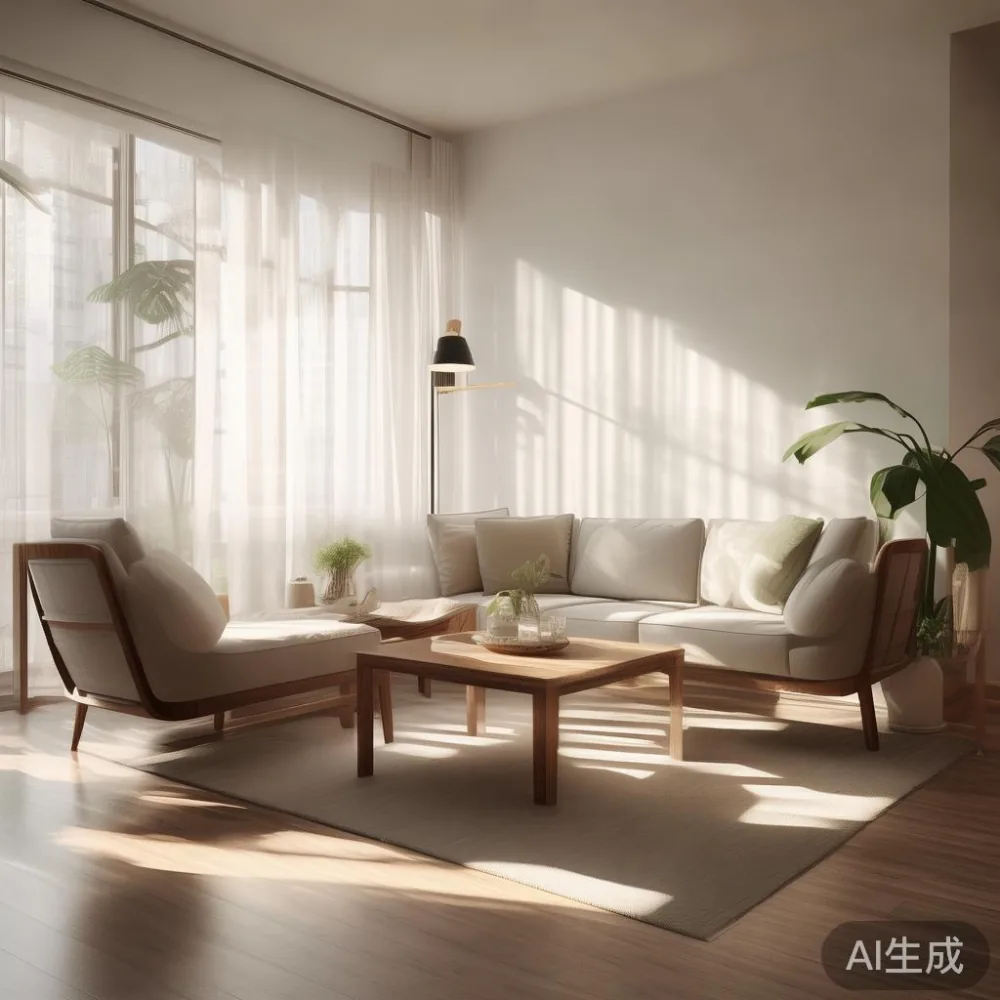
Once your new sofa arrives, styling it becomes the next creative step. A Japandi sofa, with its low profile and natural materials, is a fantastic centrepiece. To complement it, choose a solid wood coffee table with simple, clean lines. The colour palette should be neutral—think whites, greys, and natural woods. Add texture with a chunky knit throw or a few linen cushions in muted tones like sage green or terracotta. Lighting is key; a floor lamp with a paper shade can enhance the serene, minimalist aesthetic. The goal is to create a balanced, harmonious space that feels both calm and functional, reflecting the principles of minimalist furniture without feeling stark or cold.