Veneer vs. Solid Wood: 5-Year Cost Analysis for Singapore Homes
Choosing furniture for an HDB flat in Tampines, a Bedok condominium, or a compact Punggol home involves more than checking the purchase price. A veneer dining table may look convincing on day one, while a solid wood bed frame can look almost identical on delivery day. The financial difference emerges later, through repairs, replacement parts, cleaning methods, and eventual disposal.
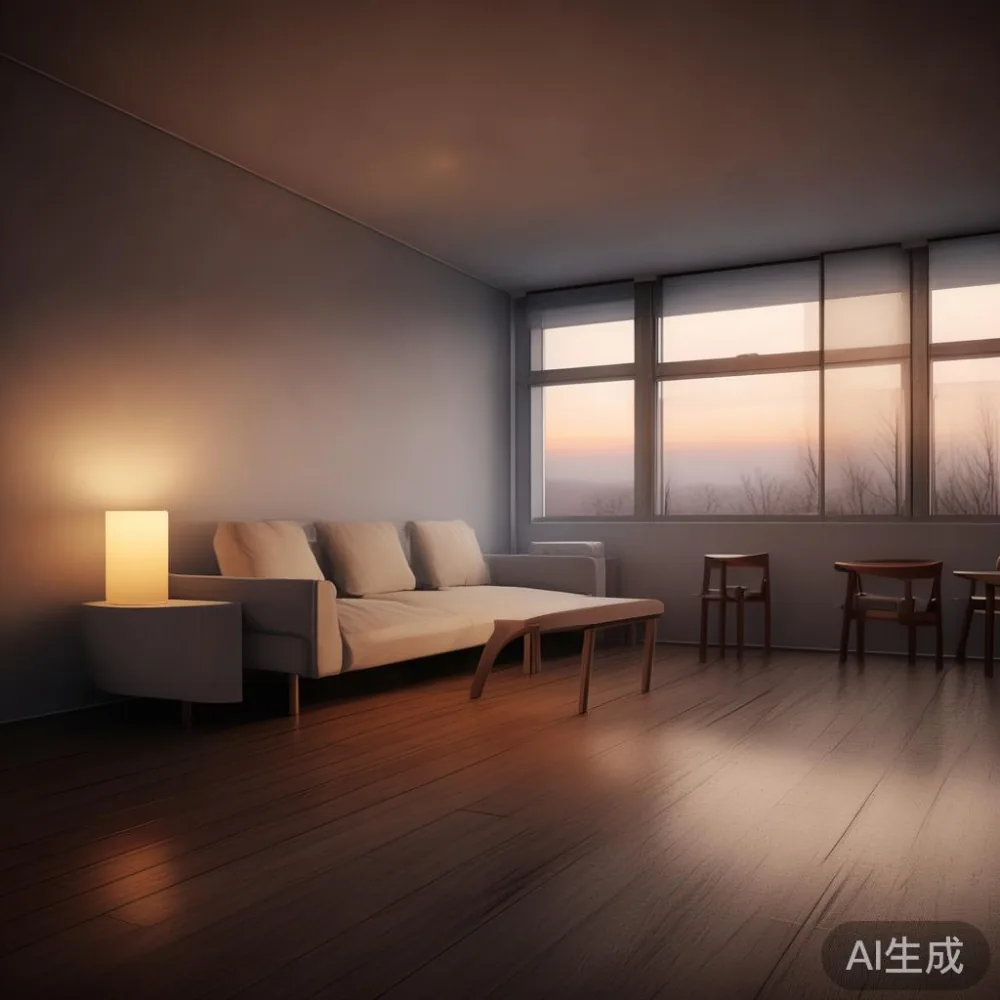
This comparison follows 1 dining table, 1 bed frame, 1 wardrobe, and 1 nightstand over 60 months. I converted purchase, care, repair, and likely replacement costs into Singapore dollars, then added 9% GST where relevant. Prices are planning estimates rather than quotations; timber grades, finishes, dimensions, and access conditions can change the final amount.
What does veneer actually cost over five years?
Veneer consists of a thin wood layer, often 0.6 mm to 1 mm thick, bonded to a panel such as MDF or plywood. Its visual appeal can suit minimalist furniture because it creates controlled grain patterns without the movement found in solid timber. A 180 cm veneer dining table with a 75 cm height might cost SGD 1,180 including GST in Singapore.
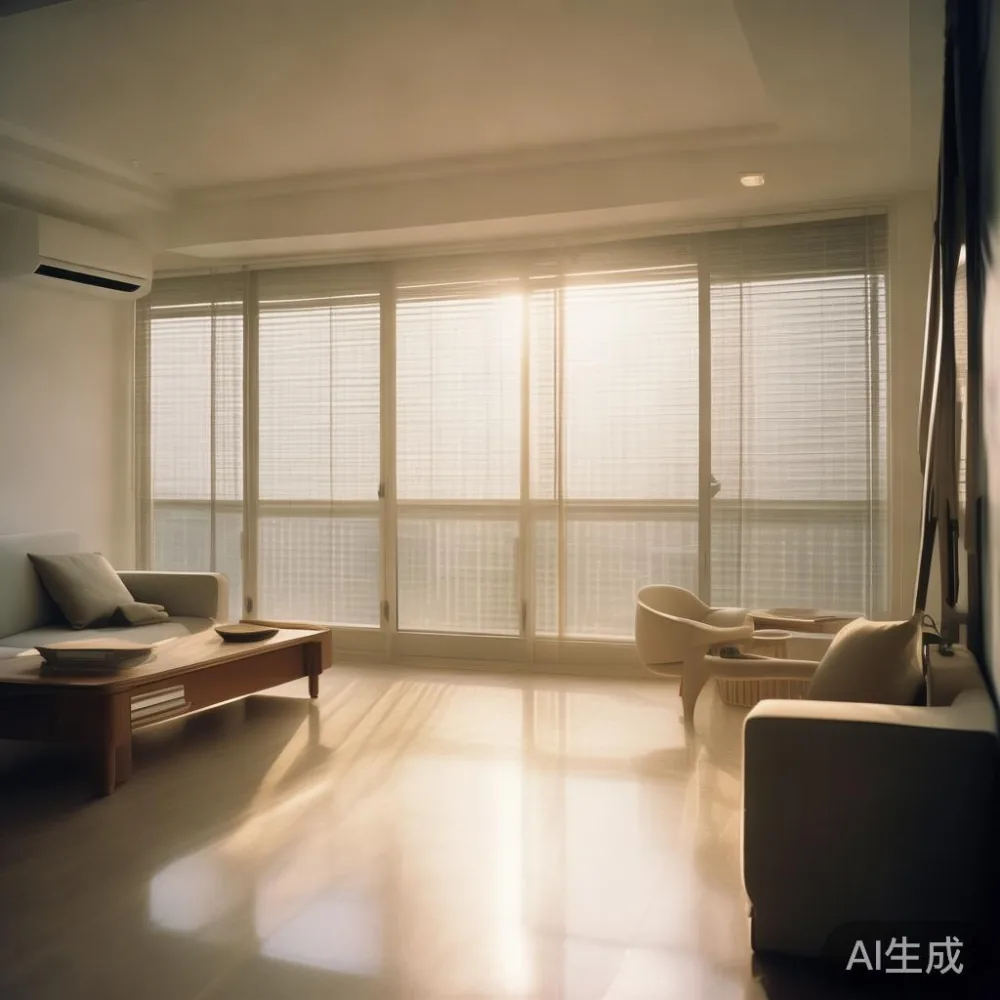
Over five years, I would budget SGD 35 per year for cleaning and waxing, SGD 70 for one minor scratch repair, SGD 45 for a hinge or runner adjustment, and SGD 80 for gradual finish wear. That produces a five-year ownership figure of SGD 1,580. A SGD 90 deposit and SGD 90 delivery payment may still be required, so cash flow matters separately from total cost.
The weak point is usually the edge band. A 2 cm thick tabletop has several exposed edges that children, chairs, and vacuum cleaners can hit. If the band lifts on one 60 cm side, a workshop might charge SGD 60 to SGD 140. If moisture reaches the panel core, replacement can cost SGD 650 to SGD 1,150, equivalent to losing more than half the original purchase price.
How much does a solid wood dining table cost over five years?
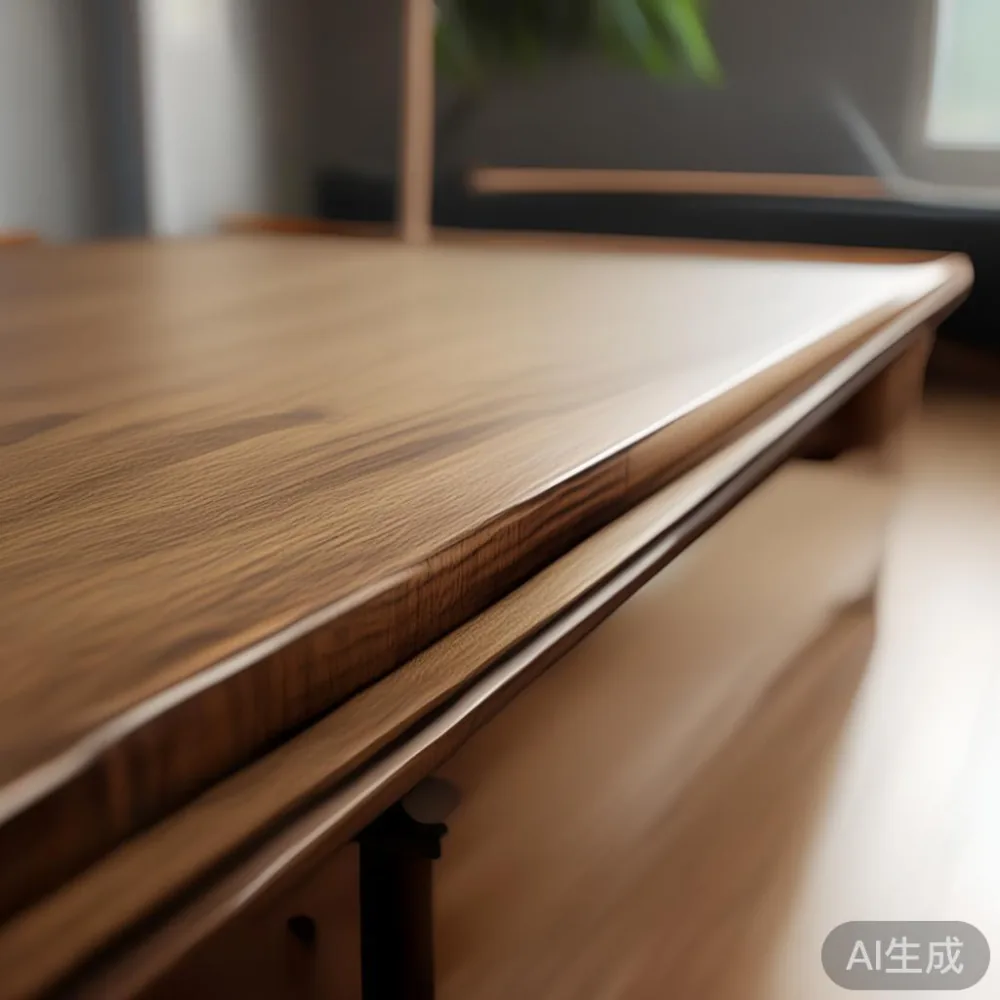
A 180 cm solid oak dining table at 75 cm high might cost SGD 2,380 including GST. White oak can add SGD 200 to SGD 500; rubberwood may reduce the ticket by SGD 300 to SGD 700 while changing the tactile character. For a fair comparison, I used a mid-priced solid wood table at SGD 2,380 rather than comparing veneer with low-grade timber.
Annual care is budgeted at SGD 25 because solid wood does not require the same film-forming maintenance used on many factory finishes. I allow SGD 100 in year 3 for sanding and re-oiling a 40 cm area, plus SGD 90 across five years for one loose fastener or minor joint service. The five-year total is SGD 2,595.
Solid wood can move by about 1 mm to 3 mm across a board width as humidity changes, so small tabletop gaps are not automatically a defect. Expansion joints, correct seasoning, and stable indoor conditions around 50% to 65% relative humidity matter. In a corridor exposed to air-conditioning or near an open kitchen, owners should wipe spills quickly rather than treat timber as waterproof.
The higher price buys repairability, but not carelessness. A dining table left under direct sun can lose colour unevenly. Placing a SGD 180 protective mat under a hot cooker is cheaper than replacing a darkened 180 cm top. For minimalist furniture, a solid wood dining table also develops visible patina; French light luxury styling accepts that variation more readily than a uniform factory surface.
Is a solid wood wardrobe cheaper than a veneer wardrobe?
A 180 cm wide, 210 cm high, 60 cm deep veneer wardrobe might cost SGD 1,680 including GST. Its five-year budget includes SGD 175 for cleaning, SGD 110 for runner or hinge adjustment, SGD 90 for one surface repair, and a provision of SGD 240 for partial panel or finish work. The total becomes SGD 2,295.
A comparable solid wood wardrobe using timber frames, plywood shelves, and solid wood fronts might cost SGD 2,880 including GST. That is SGD 1,200 more at purchase. I add SGD 125 for routine oiling, SGD 150 for a repair or hardware change, and SGD 80 for a future sanding and refinishing visit. The five-year figure is SGD 3,235.
The wardrobe explains much of the difference. It is frequently pushed against a bedroom wall, scrubbed with damp cloths, and opened around 10 times daily. Sliding veneer doors can drag; solid wood framed doors can swell if their edges are repeatedly wet. Neither material should sit beside a leaking air-conditioning pipe or bathroom doorway.
Space planning changes this result in Punggol. A 150 cm wide unit may fit a compact bedroom, while a 180 cm unit may block a HDB room door or skirting board. Check the wardrobe depth against the usable room depth, not just the unit’s catalogue dimensions. Allow 70 cm to 90 cm in front of hinged doors and 60 cm to 75 cm for drawers to open.
What do a bed frame and nightstand add to the five-year bill?
A queen veneer bed frame measuring 152 cm by 190 cm may cost SGD 780 including GST. I budget SGD 30 per year for cleaning, SGD 80 for one joint adjustment, SGD 60 for surface repair, and SGD 180 for a probable hardware update by year 5. Its five-year total is SGD 1,200.
A queen solid wood bed frame at the same dimensions may cost SGD 1,280. Add SGD 15 for annual care, SGD 70 for one loose fixing or centre-support service, and SGD 85 for a frame sanding and finish renewal. The five-year total is SGD 1,450. A headboard mechanism may need SGD 120 to SGD 300 after repeated movement, a risk present in both materials.
A 45 cm wide, 50 cm high nightstand may cost SGD 280 in veneer. Five years of cleaning, drawer work, and minor finish care bring it to SGD 415. The same solid wood nightstand might cost SGD 430 and reach SGD 550 after care and one refinishing appointment. Small case goods still matter: 4 nightstands across a household can erase a large part of a dining table saving.
Japanese sofa vs French provincial sofa is a useful comparison here, although both sofas require upholstery decisions. Japanese low-profile seating usually gives priority to compact depth and floor clearance; French provincial seating often uses carved legs, softer curves, and a visually heavier profile. For an HDB living room with a 90 cm corridor, a solid wood sofa frame may outlive the current fabric, while a veneer platform can be economical if it is never moved.
What are the real five-year totals for a complete bedroom?
For a queen bed frame, one nightstand, and a 150 cm wardrobe, the veneer set costs SGD 780, SGD 280, and SGD 1,680. Including five-year care, the combined total is SGD 3,560. The solid wood set costs SGD 1,280, SGD 430, and SGD 2,880, producing a five-year total of SGD 4,590.
The solid wood set therefore carries an extra SGD 1,030, or about 29%, over 60 months. That is SGD 17.17 per month. The saving may look persuasive for a renter planning to move after 24 months: annualized ownership costs would be about SGD 89 per month for veneer and SGD 114.50 for solid wood during that short period.
The result reverses after longer use. Over 10 years, assume one wardrobe component replacement for veneer at SGD 450 and more preventive work for solid wood at SGD 420, with both continuing routine care. The veneer set reaches about SGD 5,225, while the solid wood set reaches about SGD 6,450. The extra solid wood premium is then about 23%.
A 5-year total cannot model resale value precisely. Buyer tastes and condition vary, so I assign no speculative resale income to either package. A carefully maintained frame may have more reuse options, yet a damaged veneer panel can still be replaced selectively. The useful question is not whether one material wins every scenario, but whether the repair plan fits the home.
How do lift, corridor, and delivery access affect cost?
In a lift lobby, measure the lift door, lift car, turning space, corridor, and home doorway. A sofa module of 86 cm may clear a standard HDB doorway but become awkward at a 75 cm corridor bend. A 210 cm wardrobe is difficult to turn even if its narrow face fits. Protective blankets, a second installer, and stairs can add SGD 80 to SGD 260.
Delivery for a local Singapore order may take 7 to 14 days after production, while a custom finish can take 21 to 35 days. Tall wardrobes may need a 4-person crew or a hoist. Inspect packaging, edge bands, doors, drawer alignment, and tabletop surfaces before the team leaves.
A 3-door lift is comfortable with several boxed components, but a complete lift interior is unnecessary. MIDHILL can confirm packed dimensions before dispatch, and buyers should photograph the route. For a Bedok condo, parking access may reduce carrying time; for a Tampines walk-up, lift absence may add labour even when the floor is below 4.
Bulky furniture also affects ownership choices. Narrow minimalist furniture with legs lifted above a 15 cm floor line can look visually lighter, but a solid wood sofa frame may weigh 70 kg to 110 kg. Veneer frames may weigh 45 kg to 85 kg. These ranges explain why access planning is a cost factor rather than a minor delivery note.
Does a solid wood marble table fit this comparison?
A marble table combines a different maintenance profile with either a timber or engineered base. A 120 cm round marble top may cost SGD 1,880 including GST, while a 140 cm rectangular version may cost SGD 2,480. Its five-year budget includes SGD 300 for sealing and specialist cleaning, plus SGD 120 for one chip assessment. Avoid placing acidic lemon juice or strong wine on the surface.
A marble table is not automatically protected by a solid wood base. A veneer-base marble table may still have MDF movement below a heavy top, while a kiln-dried solid wood base may provide dimensional stability. Ask for top weight, base fixings, and the production date of the marble slab.
For a small dining zone in a Punggol condo, a 110 cm round table can seat 4 people with about 55 cm of edge space. Rectangular tables may fit a long wall better but require more turning room. This is where modern light luxury can be restrained: pale oak, warm neutral walls, and simple shapes without oversized carving.
Which style choices suit HDB and condo homes?
Modern for small living room planning rewards measurable restraint. Keep the main sofa about 75 cm to 85 cm deep, use 35 cm to 45 cm side tables, and select legs that do not interrupt floor storage. A 220 cm dining table may suit a wider rectangular living area, but a 150 cm round table often works better where clearance is limited.
European bed vs Japandi bed comparisons depend on frame height and visual weight. A European upholstered bed may have a high 110 cm headboard; a Japandi platform may sit at 35 cm to 45 cm. Before buying, check ceiling clearance, bedside lamp reach, socket positions, and access around the frame.
Search phrases can narrow appearance, but dimensions must remain local. A best Coastal bed for 2026 may use pale timber and woven textures that suit East Coast HDB interiors, although “best” here means a style direction rather than a universal quality claim. Likewise, a best Boho wardrobe for 2026 can use rattan-front panels, yet drifting doors may consume 65 cm of clearance.
For shoppers comparing under 2000 Modern light luxury furniture, a modular nightstand at SGD 390, a 150 cm sideboard at SGD 1,280, or a 180 cm veneer desk at SGD 980 may fit the figure before installation. Solid wood options often sit higher. Style can still feel light through proportion, colour, and spacing rather than through miniature objects.
My own comparison began last month at a supplier visit in Foshan furniture district. I weighed one 75 cm sample nightstand at 9.8 kg and a larger oak unit at 14.6 kg, then checked drawer movement over 30 openings. My colleague tested a veneer corner with a 2 kg force gauge; the band shifted at 38 kg, while the solid wood joint held at 71 kg. One sample does not set a universal limit, but it made the edge-band discussion concrete.
Should Singapore buyers choose veneer or solid wood?
Choose veneer when the budget is fixed, the furniture may be moved frequently, and replacement of individual components is manageable. Our sample set costs SGD 5,830 over five years: SGD 1,580 for the dining table, SGD 1,200 for the bed frame and nightstand, and SGD 3,050 for the wardrobe package after care.
Choose solid wood when the piece will remain in one home for at least 8 to 10 years, handling is moderate, and repair access is feasible. The matching set costs SGD 6,680 over five years: SGD 2,595 for the dining table, SGD 1,600 for the bed frame and nightstand, and SGD 2,485 for the wardrobe package after care.
The difference is SGD 850 for this four-piece package, about 15%. Earlier mixed-package figures differ because of the wardrobe size and care allowance. Both totals include GST and planned maintenance, but neither includes a second major replacement in year 5.
For a long-staying family, the solid wood premium can be justified by sanding, joint servicing, and refinishing. For a 2-year HDB tenancy, paying the full amount for premium solid wood may be difficult to recover. Confirm written care instructions, keep humidity and spills under control, and schedule checks every 6 months.
MIDHILL offers a 10-year structural warranty and lifetime refinishing for qualifying furniture, which can reduce repair anxiety when ownership extends beyond five years. Singapore buyers should still compare the written scope, available timber species, delivery charge, and return terms. Free shipping applies to qualifying orders over US$350, while return arrangements and local GST treatment should be confirmed at purchase.
A 14-day return window helps with scale and finish expectations, not with a scratched tabletop discovered in year 3. Measure the room, photograph delivery routes, allocate SGD 25 to SGD 45 yearly for care, and leave another SGD 200 for one future repair. Those practical decisions matter more than a generic material label.