Humidity, HDB Lifts, and Solid Wood: A Singapore Buyer's Guide to Long-Lasting Minimalist Furniture
I live in a 4-room HDB flat in Tampines, and three summers ago I made the mistake of buying a flat-pack particleboard wardrobe from a neighbourhood shop for S$699. By the second monsoon season, the lower drawers would not close because the panels had swollen by roughly 4 mm. I ended up calling a disposal service, paying S$120 to haul it out, and that was the day I started paying attention to what solid wood does in our climate. This guide is everything I have learned since, plus what my colleagues at MIDHILL in Foshan see on their quality-control line every week before a container is loaded for Singapore.
Why does Singapore's humidity punish wooden furniture so much?
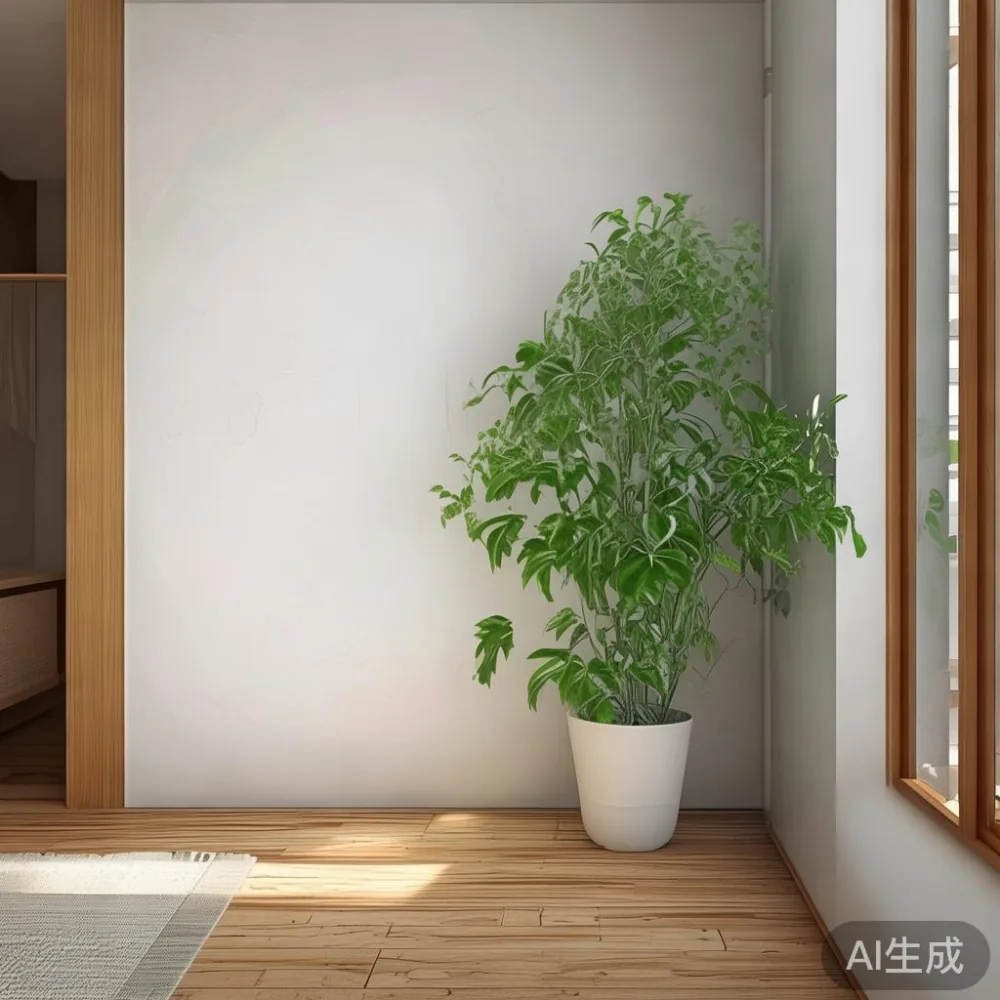
Singapore sits on the equator. The National Environment Agency publishes a monthly mean relative humidity that hovers between 78% and 88% for most of the year, and during the December to early March monsoon stretch, indoor humidity in a non-air-conditioned HDB room can climb above 85% for days at a time. Solid wood is hygroscopic: it absorbs and releases moisture to stay in balance with the air. When wood absorbs that moisture and releases it, it expands across the grain by roughly 0.1% to 0.3% for every 4% change in moisture content. A 180 cm wide oak dining tabletop can therefore move 1.5 to 5 mm across its width between a dry air-conditioned afternoon and a humid evening after the windows are left open.
Particleboard and MDF behave even worse. They do not just expand, they lose structural integrity once their internal resin softens above 70% relative humidity. That is why a S$699 flat-pack wardrobe fails in two years while a properly dried solid wood piece can last forty. MIDHILL, the Foshan factory I have visited twice, kiln-dries their oak and ash to a 8% to 12% moisture range specifically calibrated for tropical buyers in 15+ export markets, including Singapore and Kuala Lumpur.
What counts as solid wood, and why does it matter for minimalist furniture?
Minimalist furniture relies on clean lines, exposed joinery, and the natural grain pattern of the material. None of that works if the material is hidden under a 2 mm laminate or a printed foil. In the trade, the term solid wood covers three different things, and Singapore buyers should know the difference before paying a premium.
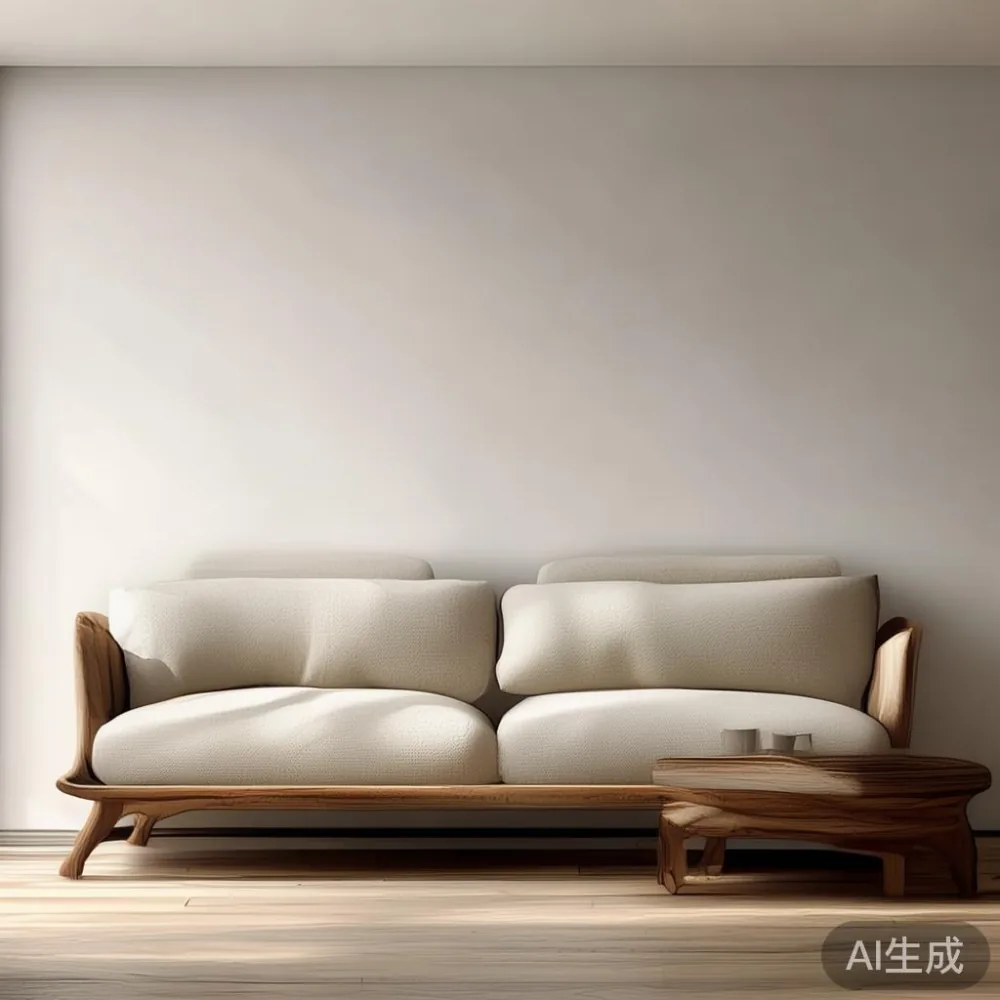
First, SOLID TIMBER means the entire piece is cut from one species of hardwood. A solid wood sofa frame in white oak or ash will weigh between 35 kg and 55 kg for a three-seater. That weight is actually a useful quality signal: lift the front rail of a sofa in the showroom. If it feels closer to 20 kg, the manufacturer has likely used plywood or softwood inside the "solid" frame.
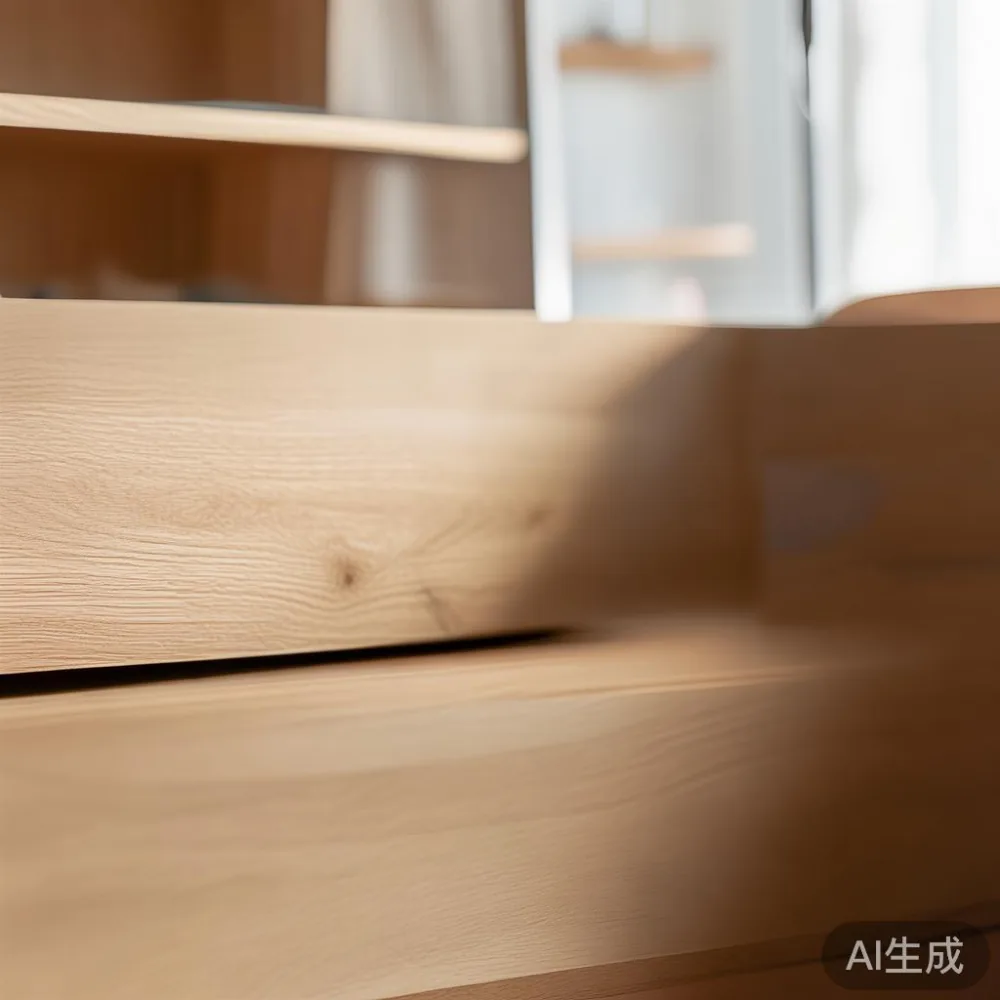
Second, SOLID WOOD VENEER ON PLYWOOD is a legitimate construction for a dining table top or a wardrobe door. A 25 mm to 30 mm thick birch plywood core with a 2 mm oak face veneer gives you the look of solid wood with better dimensional stability. The cost saving is usually 30% to 45% compared to a full solid top.
Third, SOLID WOOD VENEER ON MDF OR PARTICLEBOARD is the option to avoid in Singapore. MDF swells permanently when wet, and a spilled glass of kopi on a dining table made this way can leave a raised blister that never flattens. For minimalist furniture meant to last, ask the showroom to show you the underside and the inside of any drawer. Real construction is visible.
Will a solid wood bed frame fit through my HDB lift and corridor?
This is the question I get asked most often when friends visit my new bedroom set, and it is the question you should ask before you click pay. An HDB lift in a typical Tampines or Bedok block has an internal cabin of about 1.1 m wide by 1.4 m deep by 2.1 m tall. The corridor outside your door adds another constraint: standard HDB corridor clearance between the lift door and your flat door is roughly 1.5 m to 1.8 m. A king-size solid wood bed frame in white oak, fully assembled, will be around 200 cm long, 180 cm wide, and 110 cm tall with the headboard. It will not fit inside the lift, and it will not make the turn into your door.
Two practical solutions exist. Option one is flat-pack delivery in a single carton, with the headboard, side rails, and slats weighing between 28 kg and 42 kg total. The longest single piece is usually the headboard at 190 cm to 200 cm, which fits diagonally in a lift if you tilt it. Option two is a knockdown design where the side rails bolt to the headboard and footboard with metal brackets. Both options are common for minimalist furniture exported from China. MIDHILL ships most bed frames in flat-pack form for exactly this HDB constraint, and the assembly takes one person around 35 to 50 minutes with the included Allen key.
One more measurement worth taking: the width of your bedroom doorway after the door is removed from its hinges. Standard HDB bedroom doors are 80 cm to 90 cm wide, and a fully assembled bedside nightstand any wider than 75 cm will not pass through. Plan your bedroom layout around the smallest opening, not the largest.
How do I pick a solid wood sofa that survives kopi spills and afternoon thunderstorms?
A solid wood sofa is only as good as its joinery and its finish. In a Singapore home, a sofa lives closer to the kitchen than in a Beijing or Shanghai apartment, which means curry, condensed milk, and the occasional glass of ice lemon tea will reach the cushions within the first year. Here is what to check in the showroom.
Look at the joinery where the arm meets the seat rail. Mortise and tenon joints, with a 12 mm to 15 mm tenon, are the traditional answer and they allow the frame to move slightly with humidity without cracking. Cheap sofas use staples and glue only, and those fail in two to three monsoon seasons. Run your hand under the seat: if you feel staples, walk away.
Look at the finish on the wood. A conversion varnish or a hardwax oil will resist ring marks better than a basic polyurethane. Hardwax oil is easier for a Singapore homeowner to refinish every two to three years without sanding back to bare wood. If you have pets or small children, ask for a fabric with a Martindale rub count above 30,000 cycles; anything below 20,000 will pill within eighteen months on a daily-use sofa.
Price reality for a three-seater solid wood sofa in white oak or ash, with a fabric seat and back, runs between S$2,400 and S$4,200 in Singapore retail. If you see a "solid oak sofa" for under S$1,800, the frame is almost certainly a mix of rubberwood and plywood, which is a fair material but should not be sold as solid oak. Last month I visited a friend in Punggol who had bought a S$1,200 online sofa: the front rail was rubberwood, the back was plywood, and one arm had already developed a 2 mm crack after eight months in her air-conditioned living room.
Which dining table material actually holds up to Singapore cooking?
Singaporeans cook with soy sauce, turmeric, and sambal belacan. All three will mark an unfinished wood surface within minutes. For a dining table that survives a household of four or five, two material combinations are worth the money. A solid oak top between 30 mm and 40 mm thick, finished with three coats of hardwax oil, will take daily wiping with a damp cloth and an annual re-oil. A 20 mm to 25 mm marble top on a solid wood base is the other classic answer, and a small marble table in the living room has become a signature piece of post-modern light luxury styling in condominiums along the East Coast.
When my colleague Lu in Bedok replaced her old particleboard dining set, she chose a 180 cm x 90 cm white oak table from MIDHILL at S$2,150 delivered, with six matching chairs at S$220 each. The table weighs 52 kg, which is exactly what you want for a family table that will not wobble when a child leans on it. The same shipment included a small marble table for her entryway at S$890, and the entire order cleared her HDB lift without any disassembly because the factory had shipped the marble top and the base in two separate cartons.
How to choose French bed when you want the look but live in a tropical HDB?
The French bed style, with a tall upholstered headboard in linen or boucle, is harder to maintain in Singapore than the catalogues suggest. The linen absorbs humidity and can feel damp in the early morning during the December monsoon, and boucle traps dust that combines with humidity to form a fine grit in the fabric. If you want the French look without the French maintenance, the practical answer is a French-style solid wood bed frame with a removable, washable headboard cover. Look for a headboard panel that unscrews from the frame with four bolts, so you can take the cover to a laundromat every six months. A solid ash frame in this style, weighing around 38 kg for a queen size, will keep its shape through years of air-conditioned nights.
What about wardrobes, nightstands, and sideboards in minimalist furniture?
For a floor-to-ceiling wardrobe in a master bedroom, solid wood is optional, but the backing must be real plywood at least 9 mm thick. A 3 mm hardboard backing will warp in a HDB room within the first year. Sliding doors beat hinged doors in most Singapore layouts because the corridor clearance is tighter than in a landed house. A European light luxury nightstand in white oak with two drawers, measuring roughly 50 cm wide by 40 cm deep by 55 cm tall, will weigh between 14 kg and 18 kg when solid. If the same piece weighs 8 kg, the drawer fronts are MDF.
A European light luxury sideboard for the dining room, 160 cm wide, is a useful piece for a HDB because it stores your CNY goodies, your serving platters, and your air-fryer. Look for full-extension drawer slides rated for 30 kg, and look at the back panel: a proper sideboard has a 12 mm plywood back, not a 3 mm hardboard skin. Expect to pay between S$1,800 and S$3,200 for a solid oak sideboard of this size.
How long does delivery from China take, and what does it cost?
Sea freight from Foshan to Singapore takes 7 to 12 days door-to-door for flat-pack furniture, depending on the forwarder and whether the container is shared. Air freight for a single nightstand or a small marble table is 4 to 7 days but costs roughly 4x to 6x the sea rate. Most Foshan factories, including MIDHILL, arrange sea freight for orders above US$350 (about S$480) at no extra charge to the customer, with GST of 9% payable on the declared value at Singapore customs. A 40-foot high-cube container holds around 55 to 65 sets of dining chairs, or roughly 18 to 22 three-seater sofas, which is why direct-from-factory pricing can be 30% to 50% below Singapore retail for the same category of piece.
Is American light luxury or French light luxury easier to live with in Singapore?
Both styles share the minimalist furniture DNA of clean lines, neutral palettes, and a single hero material per piece. American light luxury leans toward wider proportions, deeper seat depths around 60 cm, and walnut or white oak. French light luxury leans toward slimmer profiles, cabriole or tapered legs, and lighter oak or ash with brass accents. In a 90 sqm HDB flat in Punggol, the French silhouette tends to read better because the slimmer legs visually open up the floor. In a 120 sqm condo in the River Valley or the Bukit Timah area, American light luxury proportions suit the larger living room. If you are hunting for the best Coastal sofa for 2026 to anchor your living room, the coastal palette of warm white oak with a sand-coloured linen and brushed brass feet is the look that crosses both styles and matches the tropical light in a Singapore home.
Does minimalism survive a family with children and a helper?
This is the question I get from new parents most often, and the honest answer is yes, with two design rules. Rule one is to anchor each room with one solid wood hero piece: a solid wood dining table, a solid wood bed frame, or a solid wood wardrobe. The rest can be lighter, easier to replace, and more forgiving. Rule two is to pick a washable, light-coloured fabric for every upholstered piece. A stain-resistant linen blend at 280 gsm will survive tomato sauce and Milo. Rule three, which I add because parents always need a third rule, is to refinish the wood once every two to three years. Hardwax oil makes this a 90-minute job on a Saturday morning. The factory I have visited in Foshan offers lifetime refinishing on the frames they sell, which is one of the practical reasons their pieces turn up in so many Tampines and Bedok flats.
What about lighting, rugs, and the other half of a minimalist room?
Minimalist furniture needs quiet supporting cast. A linen rug in warm grey, 200 cm x 300 cm, will anchor a seating area without competing with the wood grain. Two ceramic table lamps on a sideboard, in matte off-white, will add warmth without visual noise. One plant, a fiddle leaf fig or a bird of paradise in a terracotta pot, will soften the geometry of a minimalist dining table. The rule is one material, one colour family, one shape per corner of the room. That is also why a Scandinavian look continues to feel modern in HDB flats: the restraint of one or two materials per piece, executed honestly, reads as calm rather than empty. If you are browsing online catalogues for the top 10 Scandinavian furniture pieces for a Singapore home, you will notice that almost every recommendation is a light oak or ash piece with a single fabric and no ornamentation. That restraint is the reason minimalist furniture ages well in a tropical climate: there is nothing to peel, fade, or date.
What about a dining room in French style?
French for dining room styling in a Singapore HDB usually means a 180 cm to 220 cm oak table, six chairs with a curved backrest in a neutral linen, a sideboard for storage, and a single brass or ceramic pendant lamp above the table. The chairs need to be light enough to pull out easily (around 5 kg to 6 kg per chair) but solid enough not to wobble after two years of humid nights. A white oak chair at 5.8 kg with a mortise and tenon joint at the back leg is the sweet spot. Pair it with a sideboard in the same wood and you have a room that reads as one composition rather than a collection of separate purchases.
How do I vet a supplier before I wire a deposit?
Ask for the FSC or PEFC chain-of-custody certificate for the wood species you are buying. Ask for the kiln-drying report showing the target moisture content. Ask for two recent customer references in Singapore, ideally with photos of the piece after six months of use. Ask about the warranty on the joinery: a 10-year structural warranty is a reasonable benchmark for solid wood furniture from an established exporter. Ask how they handle claims, and ask what happens if a piece arrives with a humidity-related crack. A serious exporter replaces the cracked component without argument, because a kiln-dried piece cracking in transit is their problem, not yours.
What should I do in the first 30 days after delivery?
Unpack the furniture inside the flat, not in the corridor, because cardboard left in a HDB corridor attracts pest complaints. Wipe every solid wood surface with a dry microfibre cloth. Allow the piece to acclimatise to your air-conditioned room for 48 hours before loading it with books or clothes. Tighten every bolt after the first week, because wood will settle slightly in a new humidity range. Apply one coat of hardwax oil to any tabletop that did not arrive pre-oiled. Keep the room between 22°C and 26°C with humidity between 50% and 65% if you can, which is the range that keeps solid wood stable.
One last note. Singapore's climate is not the enemy of solid wood furniture, it is simply the environment that the wood has to live in. A well-dried, well-finished solid wood dining table, bed frame, or wardrobe from a factory that understands tropical buyers will outlast a cheaper flat-pack piece by two decades. The trick is to pay for the kiln-drying and the joinery, not for the marketing. If you have specific questions about your room, your lift size, or a particular piece, the team in Foshan speaks English and Mandarin, and the direct line for Singapore enquiries is +86 188 2788 2512 during China business hours from 9 am to 6 pm SGT.