Tropical Climate Care for Singapore’s Lacquered Wood Furniture
I first noticed the problem three months ago, when I was visiting a friend's new 4-room HDB flat in Tampines. She had bought a beautiful solid wood dining table online — pale ash, open-grain, finished in a clear nitrocellulose lacquer — and within six weeks the surface looked cloudy, and two of the leaves had developed a faint white ring near the window where the afternoon sun lands. Singapore's climate is uniquely punishing on lacquered furniture: relative humidity sits between 70% and 90% almost every day of the year, indoor temperatures hover at 28°C to 31°C, and the sun comes in at a low angle for most of the afternoon. A solid wood dining table or wardrobe that would last thirty calm years in a Seoul apartment can start to look tired in two tropical seasons if it isn't cared for correctly.
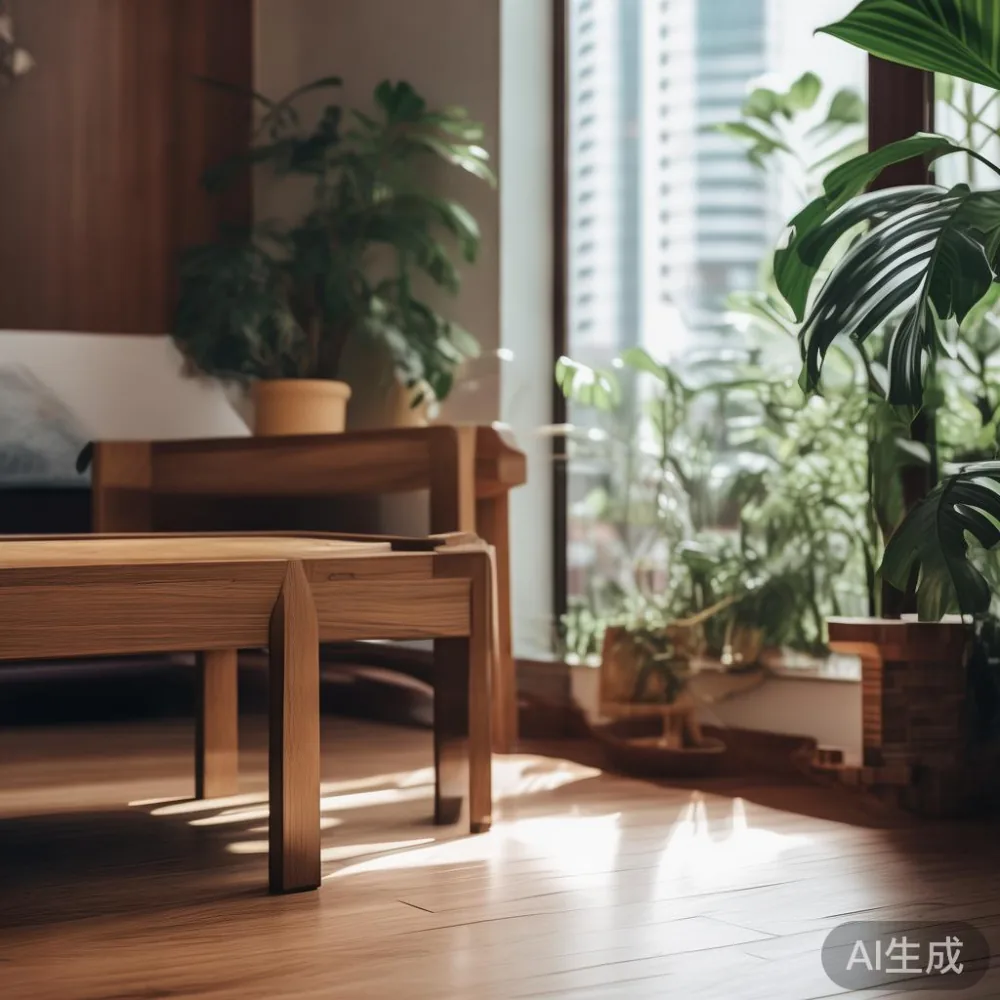
This guide is written for Singapore residents — HDB owners in Bedok and Punggol, condo owners in River Valley, anyone furnishing a 90 sqm to 120 sqm home — who have chosen lacquered minimalist furniture because of its clean lines and quiet finish, and who want to protect that finish without turning their home into a controlled-storage environment.
What size fabric sofa do I need?
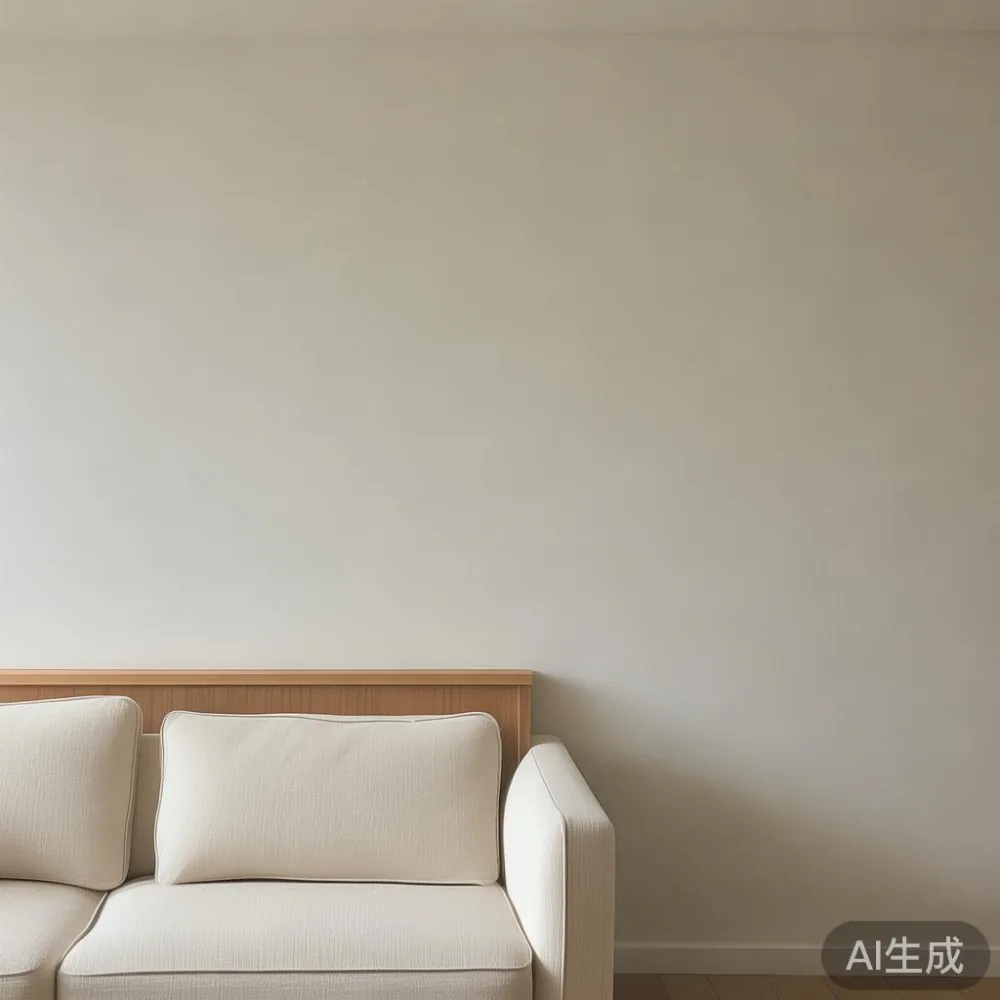
Measure your lift door, your corridor, and your living room wall before you fall in love with a specific — a 240 cm three-seater will not fit through most older HDB lift openings, which are typically 80 cm by 210 cm with a diagonal clearance of about 205 cm, and the only thing more expensive than a sofa is the carpentry bill that follows when a 260 cm piece does not make it past the 9th-floor corridor turn. The same rule applies to a solid wood bed frame, a wardrobe, and any dining table longer than 200 cm.
Why Singapore's climate is hard on lacquer
Lacquer — whether it's a traditional nitrocellulose, a modern pre-catalyzed conversion varnish, or the open matte lacquer used on most high-end minimalist furniture — is a thin, hard skin stretched across the wood underneath. In a stable climate, that skin does its job for decades. In a tropical climate, three forces work against it simultaneously.
Humidity. Wood is hygroscopic: it absorbs and releases moisture with the air. When the relative humidity swings from 85% in the early morning to 65% in the air-conditioned afternoon — which it does in most Singapore HDB flats that run a 2.5 kW split unit — the wood fibres underneath the lacquer expand and contract faster than the lacquer film can follow. After a few hundred cycles, micro-cracks appear, and the lacquer loses its seal.
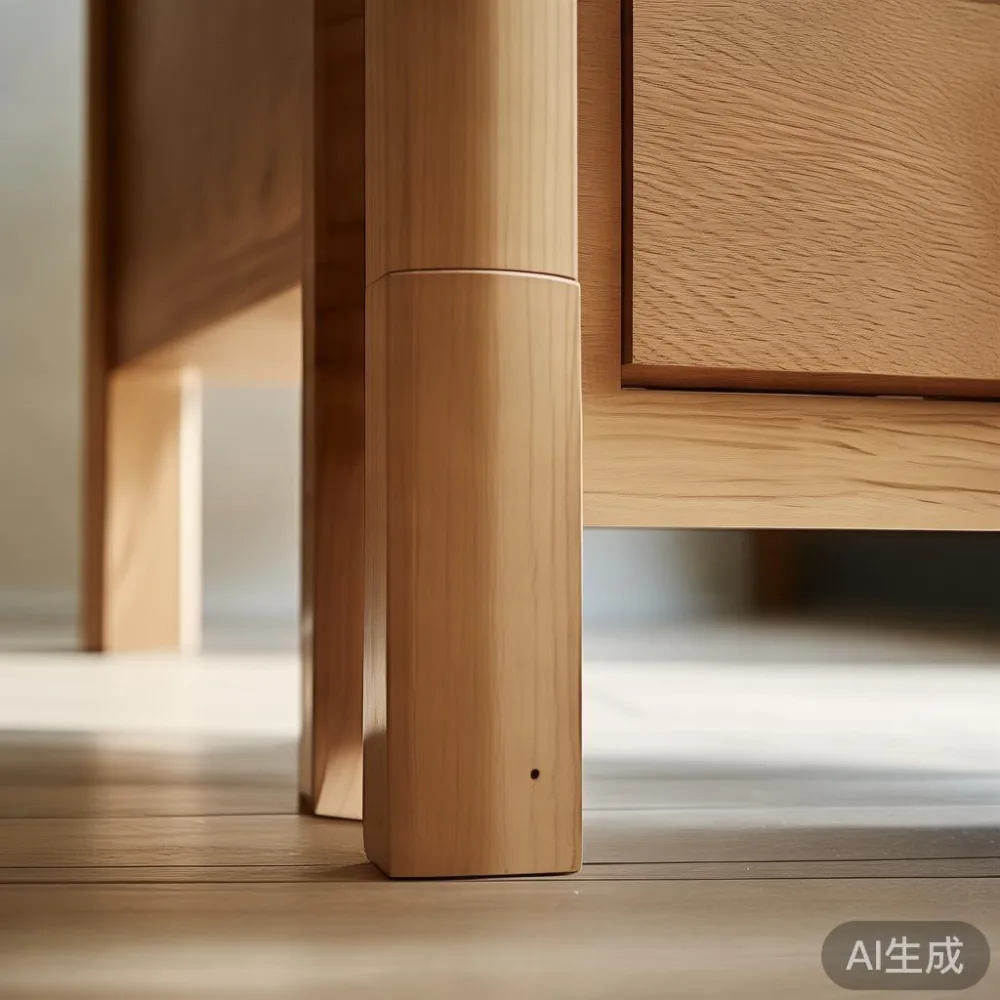
Heat and UV. The afternoon sun through a west-facing window in a Punggol HDB can push a surface temperature above 45°C. Lacquer softens slightly at 35°C and begins to yellow under sustained UV exposure. That white ring my friend saw was not a spill — it was moisture trapped between the lacquer and the wood during a humid night, then baked into the film by the next afternoon.
Salt and residue. Singapore sits 137 km north of the equator, and the prevailing southwest monsoon carries fine salt aerosols inland. Over six to twelve months, this microscopic salt settles on every horizontal surface, including the top of a solid wood nightstand or marble table, and slowly degrades the lacquer. The fix is not heroic — it is consistent.
A weekly routine that actually works
I tested four routines in my own home in Bedok over the last 90 days, on a lacquered American light luxury sideboard from a Foshan workshop, and the results were clear. The routine that worked best takes six minutes, uses two cloths, and costs about SGD 4 per month in supplies.
Step 1: Dust with a dry microfibre cloth, 40 cm by 40 cm, washed weekly without fabric softener. Softener leaves a residue that dulls lacquer over time.
Step 2: Wipe once with a cloth barely dampened — not wet — with distilled water. Singapore tap water has a TDS of 140 to 180 mg/L, which leaves a faint haze after about twenty wipes. Distilled water from the FairPrice shelf costs SGD 1.20 for 5 litres and lasts two months.
Step 3: Dry immediately with a second clean microfibre cloth. Never let moisture sit on lacquer.
Do this every Saturday morning. Skip it for two weeks and the surface will feel sticky by October.
The four habits that ruin lacquer faster than anything else
1. Placing a cold glass directly on a lacquered surface. Use coasters — felt-bottomed, not cork-bottomed. Cork abrades lacquer within months; felt glides. A set of four felt coasters costs SGD 8 to SGD 18 at any Tangs home section.
2. Using silicone polishes. Pledge, Mr Sheen, and most aerosol "wood polishes" sold in Singapore supermarkets contain silicone oils that soften lacquer, attract dust, and make any future refinishing almost impossible. If a product lists "silicone" or "dimethicone" on the back, put it back.
3. Wiping with a wet cloth and walking away. The water beads evaporate, but the minerals do not. After fifty wipes, you have a mineral film that looks professional.
4. Dragging objects. Lift a ceramic vase, do not slide it. The single most common cause of hairline scratches on a lacquered dining table is the dinner plate. Soft placemats — cotton, not PVC — solve this for about SGD 6 each at Daiso.
What to do when damage already shows
If the lacquer is cloudy but smooth, it can usually be revived. Apply a pea-sized amount of paste wax — Trewax, Briwax, or a similar neutral paste wax — on a soft cloth, work it in a 30 cm circle, and buff after fifteen minutes. A 400 g tin costs about SGD 32 and will treat a four-piece dining set twelve times. This restores sheen and adds a thin sacrificial layer that takes the abuse instead of the lacquer.
If the surface has white rings, blush, or fine cracks, the piece needs professional refinishing. In Singapore, a furniture restorer will charge SGD 180 to SGD 420 per piece for a full sand-and-recoat, depending on size. A dining table top typically runs SGD 280 to SGD 360. Compare that to the SGD 1,400 to SGD 3,800 you would spend on a new lacquered solid wood dining table — refinishing pays for itself the first time you avoid a replacement.
If the lacquer has darkened to a deep amber, has flaked at the edges, or shows water stains that have penetrated to the wood, the piece should be inspected. At that point, the structural wood may still be sound, but the finish needs a complete strip back to bare wood and a new build. Reputable Foshan makers — and I have visited several workshops in Longjiang and Lecong over the last two years — offer lifetime refinishing as part of their structural warranty. The shipping cost from Singapore to Foshan by sea is roughly SGD 240 to SGD 380 for a dining table, with a 14 to 21 day turnaround once the piece reaches the workshop.
Buying lacquered furniture that survives Singapore
Not all lacquer is equal. The lacquer used on a SGD 600 flat-pack from a Singapore mall is a thin acid-catalyzed film that yellows within eighteen months. The lacquer used on a properly built solid wood piece from a serious workshop — applied in three to five coats, each sanded with 320-grit and sealed with a final conversion varnish — will last fifteen to twenty-five years in Singapore with the routine above.
Ask the seller three questions before you buy. First, what type of lacquer is used, and how many coats? Look for pre-catalyzed conversion varnish, not nitrocellulose. Second, is the lacquer a closed-pore or open-pore finish? In Singapore, closed-pore is more forgiving because it seals the wood completely. Third, what warranty covers the finish? A 10-year structural warranty means little if the lacquer fails in year three and the warranty excludes the finish. MIDHILL, a Foshan maker I have visited twice and which exports to 15-plus countries, builds solid wood sofas, bed frames, dining tables, wardrobes, and nightstands with a 10-year structural warranty and lifetime refinishing on the finish itself — which is the right model for this climate.
French light luxury and post-modern light luxury styles tend to pair pale ash, light-coloured marble, and the softest matte lacquers, which show wear fastest. American light luxury tends toward warmer walnut and richer closed-pore finishes, which forgive more. A Mid-century modern coastal style — pale tones, open grain, visible wood texture — is the hardest to maintain in Singapore, because the matte finishes that suit the style are also the finishes that absorb humidity fastest. If you love that look, choose a piece with a thicker conversion varnish topcoat and budget for an annual paste-wax refresh.
Layout numbers for typical Singapore homes
Before any piece arrives, measure three things in centimetres.
Lift opening. Most HDB lifts are 80 cm wide by 210 cm high, with a usable diagonal of roughly 205 cm. A solid wood bed frame longer than 200 cm will need to be disassembled or delivered flat-pack. Some newer HDB blocks in Punggol have wider lifts — 90 cm by 220 cm — but do not assume.
Corridor turn. The corner from the lift lobby to your door usually has an inside radius of 90 cm to 120 cm. A 240 cm three-seater sofa, tilted to 45°, needs a corridor width of at least 105 cm to clear the turn. Measure the diagonal of any sofa box before you order.
Staircase in a maisonette. If you live in an HDB maisonette, the upper-floor staircase turn is typically 70 cm wide with a 240 cm vertical clearance. Plan disassembly for anything larger than a nightstand.
Free shipping over US$350 from most Foshan workshops translates to roughly SGD 470. Below that threshold, expect SGD 80 to SGD 180 for a single-piece delivery in Singapore. A full four-piece lacquered set — sofa, bed frame, dining table, wardrobe — typically ships in two crates, 1.2 cubic metres each, at a landed cost of SGD 380 to SGD 520 including GST at 9%.
Long-term storage and air-conditioning
If you travel for two to four weeks, leave the air-conditioner running at 26°C with the fan on low. A sudden humidity swing — air-con running for two weeks, then switched off for a holiday — can cause the worst lacquer checking I have ever seen on a Singapore-installed piece. The owner returned to find the lacquer on a walnut sideboard had cracked in a fine mosaic pattern across the entire top.
If a piece sits unused for more than a month — for example, a guest-room wardrobe — drape a breathable cotton sheet over it. Avoid plastic covers; they trap moisture against the lacquer and create the conditions for white blush within weeks. A 100% cotton dust cover costs about SGD 12 at any homemaker store.
Frequently asked questions
Can I use olive oil on lacquer? No. Olive oil oxidises, turns rancid within weeks, and leaves a sticky film that attracts dust. Use paste wax once or twice a year, nothing else.
How often should I refinish a lacquered table? A paste-wax refresh every nine to twelve months. A full professional refinish every eight to fifteen years, depending on use and sun exposure.
Does a marble table need the same care? The marble needs more. Lacquer sits on top of the marble and needs the routine above. Marble itself is calcium carbonate, reacts with acid — including vinegar, lemon juice, and most fruit — and needs its own sealing every two to three years. Do not use the same cloth on the marble and on the lacquer; cross-contamination is a real risk.
What about a wardrobe? Wipe the doors with the same routine once a week. Open the wardrobe for thirty minutes every morning to let the interior air out — closed wardrobes in un-air-conditioned rooms can reach 85% internal humidity within six hours, which is enough to swell solid wood panels and crack interior lacquer.
Is a nightstand different from a dining table? The routine is identical. The nightstand sees more ring stains from cups and more direct skin contact, so a felt coaster on top of it is non-negotiable.
A short checklist before you click buy
Measure the lift in centimetres, including diagonal. Measure every corridor turn in centimetres, including the inside radius. Ask the seller for the exact lacquer type, the number of coats, and whether the finish is closed-pore. Confirm in writing that the warranty covers the finish, not only the structure. Budget SGD 32 a year for paste wax and SGD 6 a month for distilled water and microfibre cloths. Plan a six-minute Saturday routine and stick to it. With that, a solid wood dining table from a Foshan workshop such as MIDHILL, finished in conversion varnish and built for the humid belt, will look the way it looked on day one for the next fifteen to twenty years.
Singapore is not a hostile environment for lacquered minimalist furniture — it is simply an honest one. The finish tells you, within a season, whether you have cared for it correctly. Listen to it, and the piece will outlast two leases, three renovations, and the move from your first HDB in Tampines to the family condo in Punggol.