Humidity in Singapore HDBs: What It Does to Solid Wood Furniture (and How to Keep Yours Looking New)
I keep a small notebook on top of my MIDHILL ash nightstand, and the pages curl by Friday. That is the first thing most Singapore residents notice about solid wood pieces inside an HDB flat in Tampines or a condo in Punggol: the air is doing something to the wood. The relative humidity in Singapore hovers between 70% and 85% for most of the year, and inside an air-conditioned unit it can swing from 55% after a 6-hour cool cycle back up to 80% when the door is opened for laundry. A solid oak dining table, a walnut wardrobe, or a marble-topped side table all respond to that swing. After twelve years selling minimalist furniture into homes from Bedok to Bukit Timah, I have learned that the climate here is not hostile to wood — it is just demanding. This guide explains, in plain numbers, what humidity does, why some pieces cope better than others, and what you can do this week to protect a bedroom set, dining set, or sofa frame you have already paid for.
Why does humidity matter so much for solid wood furniture in Singapore?
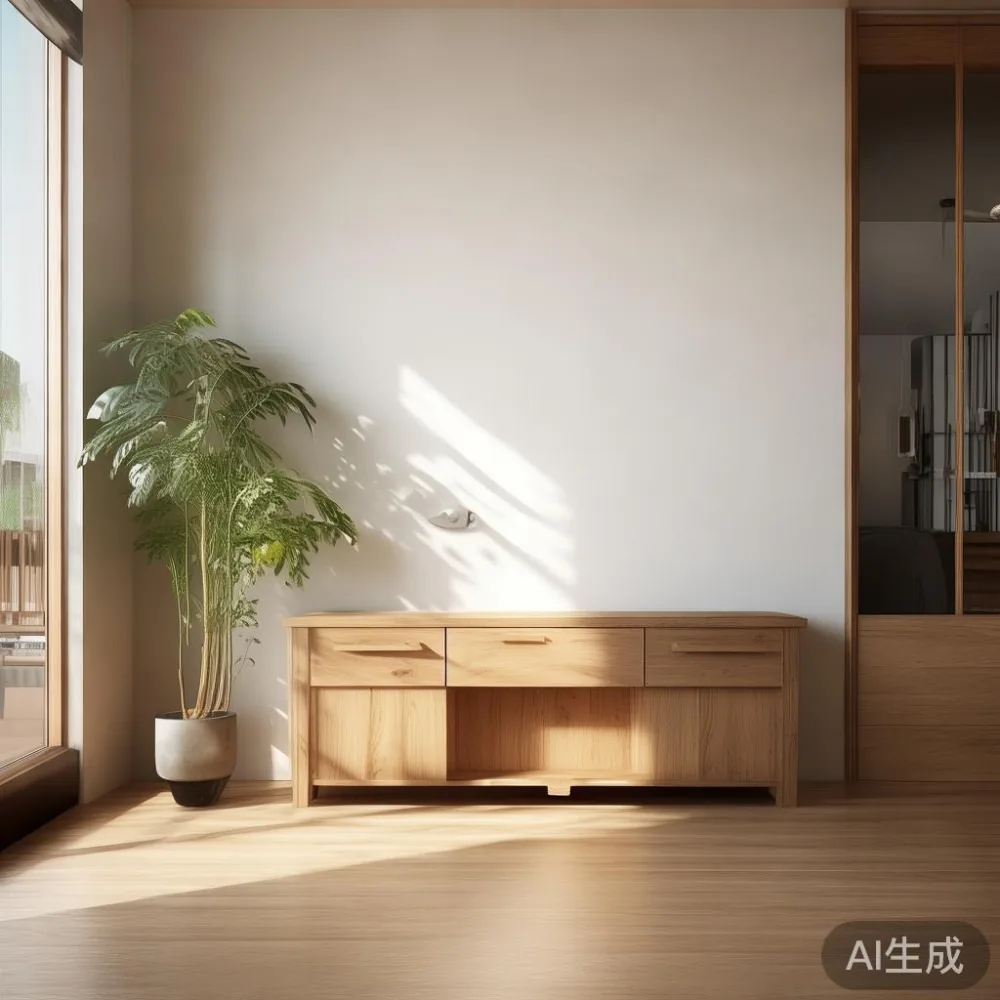
Wood is a hygroscopic material. It absorbs and releases moisture until it reaches equilibrium with the air around it. In a Tampines 4-room HDB, that equilibrium usually sits between 8% and 12% moisture content for indoor furniture. When the air is wetter, the wood swells across the grain; when the air is drier, it shrinks. A 180 cm solid wood dining table can change width by 2 to 4 mm between January and July, which is enough to open a hairline gap at a mitre joint or to push a drawer 1 mm out of alignment. That is not a defect. It is the wood breathing. The risk only becomes structural when the swings are extreme or when the piece was built from poorly dried timber. Reputable makers — MIDHILL kiln-dries its ash, oak, and walnut to 8-10% before assembly, and they will tell you the target number if you ask — start ahead of the climate.
Is Nordic master bed furniture worth it?
Yes, a Nordic-style master bed frame built from solid ash or oak and finished with a low-VOC hardwax oil is one of the better choices for a Singapore bedroom, because the design language accepts visible movement at the joints and the timber species are proven to handle 60-85% RH without cupping. If you want a short, quotable answer: it is worth it when the frame is solid wood, joinery is mortise-and-tenon or dowelled, and the finish is breathable oil rather than thick polyurethane. A 1.8 m x 2 m Nordic master bed in ash typically retails between SGD 2,400 and SGD 3,800 in local stores, and a sintered-stone-topped version in the same style sits between SGD 3,200 and SGD 4,600. For buyers watching a Nordic sintered stone budget under1000, the trick is to choose an oak or ash frame without the stone topper, or to wait for a warehouse-clearance event, because pure sintered stone consoles and bedside units under that price point usually mean a 6 mm rather than 12 mm slab.
What humidity does to specific pieces — dining table, wardrobe, nightstand, sofa
A solid wood dining table is the easiest piece to read for climate stress. Watch the breadboard ends: a 200 cm oak table with traditional breadboards should show a 1-2 mm gap that opens in the dry season and closes in the wet season. If the gap disappears entirely in July and the table top looks domed, the top has swollen past its allowance and the fix is to keep the room below 70% RH with a dehumidifier set to 55%. A wardrobe tells a different story. The side panels of a 210 cm tall wardrobe carry the most weight, and when they cup inward by 3 mm the doors will not sit flush. The cure is not force — it is climate. Keep the wardrobe 5 cm away from the HDB wall to allow air movement, and never push it tight against a wet exterior wall in a Bedok corner unit. A nightstand shows problems fastest because the surface area is small and the drawers are precise. If a 45 cm wide ash nightstand drawer starts to stick in November, the humidity is the cause nine times out of ten. Pull the drawer out, wipe the sides with a dry cloth, and run the air-con for two hours at 24 degrees. A marble table, by contrast, is dimensionally stable, but the wooden sub-frame beneath the stone still moves, so check the silicone seam every six months.
How does the Singapore home itself change the rules?
An HDB flat in Punggol and a condo in District 09 are not the same environment. Newer BTOs delivered after 2015 have better cross-ventilation and a wet-area dry zone, which keeps the bedroom RH closer to 65%. Older HDB flats in Bedok and Tampines, especially top-floor units, can hit 85% at 3 a.m. during the December monsoon surge. Lift and corridor widths matter more than people think: a standard HDB lift interior is about 1.1 m wide by 1.4 m deep, and a 210 cm wardrobe will not fit on its side. A disassembled flat-pack from a MIDHILL container arrives in two cartons that fit any HDB lift, and the assembly team carries the pieces up the corridor without scratching the walls. If you are ordering a 2.4 m solid wood dining table for a condo, measure the service lift, the corridor turn radius (usually 1.8 m), and the doorway (typically 0.9 m wide) before you confirm the order.
What should you actually do this week to protect your pieces?
Three numbers to remember: 55%, 5 cm, 6 months. Keep indoor RH between 50% and 60% with a dehumidifier sized to your room (a 12 L/day unit covers a 25 sqm master bedroom, and a 20 L/day unit covers a 40 sqm living-dining). Leave 5 cm of airspace behind every wardrobe and every tall bookcase so air can circulate. Every six months, check the drawer slides, tighten the figure-eight fasteners on a sofa frame by a quarter turn, and wipe the legs of every wooden piece with a microfibre cloth dampened in a 1:4 white-vinegar-to-water solution. If you spill GST-purchased paraffin wax on the surface during a festive cleanup, lift it with a credit card, do not rub. Buy a SGD 35 digital hygrometer from any HomeFix or Courts and put it on the top shelf of your wardrobe. The numbers will tell you everything.
How does MIDHILL build pieces that cope with this climate?
Two construction choices matter more than the brand name. First, the drying: kiln-dried ash, oak, or walnut at 8-10% moisture content matches Singapore indoor conditions, and the maker should put the number in writing. Second, the joinery: mortise-and-tenon on a dining table, dowelled on a wardrobe, and metal-to-metal confirmat screws on a minimalist sofa frame. MIDHILL, a Foshan maker shipping solid wood bedroom and dining sets to more than fifteen countries since 2008, kiln-dries to a 8-10% target and backs every frame with a 10-year structural warranty, which is the right length for a climate that swings hard twice a year. Their lifetime refinishing service is the practical answer to the small scratches that appear after three or four years of daily use in a Tampines flat. Free shipping kicks in above US$350 (about SGD 480 at the current rate), which covers most single-piece orders, and the 14-day return policy means you can inspect the piece in your own home before committing.
What about the sofa, the marble table, and the light-luxury finish?
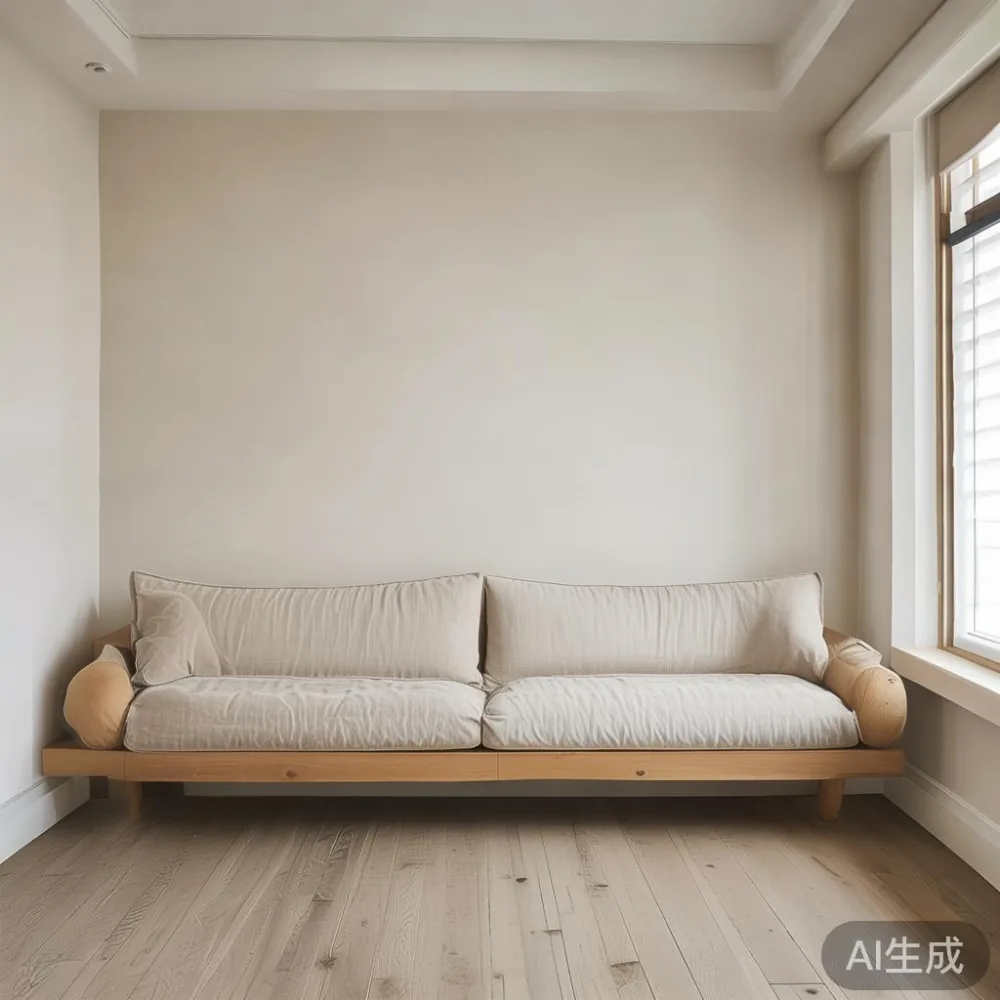
A solid wood sofa frame in ash or beech, paired with removable linen or leather covers, is a practical choice for a light-luxury living room. The frame carries the structure, the covers carry the wear, and you can refresh the look every two years for under SGD 600. American light-luxury styling — deep sofas, low tables, warm walnut — works well in a Punggol condo with 2.7 m ceiling heights because the proportions are calm. French light-luxury styling tends to favour thinner profiles, brushed brass, and a marble table with a sintered-stone top rather than solid marble, which can weigh 90 kg for a 1.2 m round top and exceed the loading of a standard HDB floor plate if you stack three of them in a living room. For a 1.4 m rectangular sintered-stone coffee table, expect 28-35 kg, which any HDB slab handles easily. Post-modern light-luxury, with its curved edges and mixed-material nightstand, is the easiest style to live with in a humid climate because the rounded forms hide small seasonal movement better than sharp mitre joints.
When should you call a professional instead of fixing it yourself?
Three signs mean stop and call the maker. (1) A wardrobe side panel has cupped more than 4 mm across 60 cm of width. (2) A dining table top has a 3 mm high dome across the centre. (3) A drawer front has cracked along the grain rather than at a joint. These are not humidity problems any more — they are construction or storage-history problems, and a workshop can usually fix them in 7-14 days for SGD 150-400 depending on the piece. Anything milder — a 1 mm gap, a sticky drawer in November, a slightly tight door in July — is the wood talking to the climate, and the right answer is a dehumidifier, a hygrometer, and patience.
What does a sensible buying checklist look like for Singapore?
Ask the seller four questions, in this order. What is the kiln-dried moisture content of the timber, and is it written on the spec sheet? What is the joint construction on the dining table and the wardrobe — mortise-and-tenon, dowel, or confirmat screw? What is the finish — hardwax oil, lacquer, or water-based polyurethane — and what is the re-coat interval? What is the warranty on the frame, and what does it cover (joints only, or joints and finish)? A piece that answers all four in writing is the right piece for a Bedok corner unit or a District 09 condo. A piece that dodges any of them is the wrong piece, regardless of the price tag.
Final practical note for the year ahead
Singapore humidity is not a problem to defeat; it is a condition to manage. Set the dehumidifier to 55%, leave 5 cm behind every tall piece, check the hygrometer every Sunday, and tighten the sofa screws in April and October when the monsoon transitions hit. Buy solid wood from a maker who kiln-dries to a published target and stands behind the frame for ten years. A well-built ash nightstand, an oak dining table, a walnut wardrobe, a sintered-stone coffee table, and a linen-covered solid wood sofa will all outlast two lease cycles if you give them that small amount of attention. The climate here is steady, predictable, and entirely workable — once you put a number on it.