Optimal Scale for Your HDB Living Room: A Guide for Singapore
Singapore's Housing and Development Board (HDB) flats are a study in efficient living. Every square centimetre counts, and the living room often serves as the central hub for family gatherings, relaxation, and even doubling as a workspace. Selecting furniture that fits this space perfectly is not just a matter of aesthetics; it's a practical necessity that impacts your daily comfort and the flow of your home. For residents in Tampines, Bedok, or Punggol, working through the unique dimensions of HDB layouts requires a thoughtful approach to furniture selection, especially when considering high-quality pieces that offer both style and longevity.

Understanding Your HDB Living Room's Dimensions
The first step in choosing the right furniture is to know your space. Standard HDB living rooms typically have floor areas ranging from 20 square metres to 30 square metres. A common 4-room flat in Tampines might have a living room measuring approximately 4.5 metres by 3.8 metres. This translates to a usable floor space of about 17.1 square metres, once you account for walls, built-in cabinets, and the entrance to bedrooms. The challenge lies in arranging furniture within this area without making it feel cramped or sparse.
Don't forget to measure the height of your ceilings. Most HDB living rooms have ceiling heights of 2.6 metres to 2.8 metres. This is important when selecting items like bookshelves or cabinets that shouldn't overwhelm the vertical space. A tall, imposing cabinet in a room with low ceilings can make the space feel much smaller than it is. Always take your measurements with a tape measure, not just by pacing it out, as precision is key. Write down the length, width, and height of your room, and mark the positions of fixed elements like windows, air-conditioning units, and electrical points on a rough sketch.
How Much Space Should I Leave Around My Furniture?
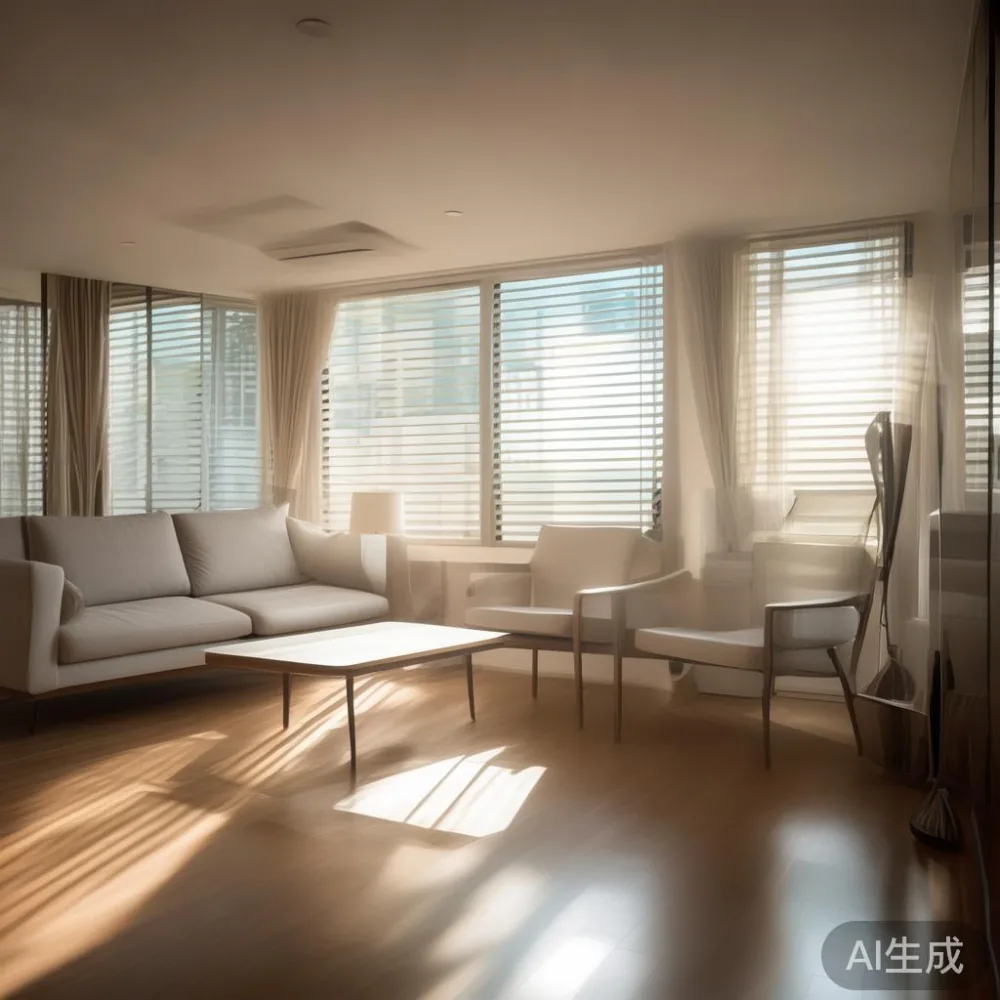
This is a question many homeowners ask, and the answer lies in creating functional pathways. Furniture should not be placed in a way that obstructs natural movement. A good rule of thumb is to maintain a clearance of at least 80 centimetres around the main seating area. This allows people to walk past comfortably and provides enough space to pull out a chair from a dining table or a coffee table. For primary walkways, such as the route from the living room to the kitchen or bedrooms, aim for a clearance of at least 100 to 120 centimetres.
Consider the practicalities of daily life. You need space to vacuum, to move a laundry basket, or for children to play on the floor. A common mistake is to push all furniture against the walls. While this seems logical, it can actually make a room feel rigid and smaller. Instead, try floating a sofa in the middle of the room, with a console table behind it. This creates a more dynamic layout and can make the space feel larger. The key is to balance the need for open floor space with the desire for defined conversation areas. My colleague, Sarah, who lives in a Bedok HDB, recently rearranged her living room by moving her sofa away from the wall. She immediately noticed the room felt more spacious and her guests were more engaged in conversation.
Selecting the Right-Sized Sofa for Your Space
The sofa is often the largest and most important piece of furniture in a living room. Getting its size wrong can throw off the entire balance of the room. For a typical Singapore HDB living room, a 3-seater sofa is a popular and versatile choice. These usually measure between 180 cm and 220 cm in length. A 200 cm sofa, for example, provides ample seating for a family of four without dominating the space. If your living room is on the smaller side, a 2-seater sofa, which is typically 140 cm to 160 cm long, might be a better fit.
The depth of the sofa is another critical dimension. Standard sofa depths range from 85 cm to 100 cm. A deeper sofa offers more comfort but protrudes further into the room, which can be problematic in a compact space. Consider the depth of your seating area from the wall to ensure there's still enough walking space in front. For a lighter, more elegant aesthetic, you might consider a French light luxury sofa. These often feature slimmer arms and a more tailored profile, which can make them appear less bulky in a room.
For sourcing a quality piece, knowing where to buy sofa from MIDHILL can be a great option for those seeking solid wood construction and a timeless design. Their pieces are designed with modern living spaces in mind, offering durability without compromising on style. Remember to also consider the sofa's height, especially if you have low windows or want to maintain a visual connection with other parts of the room.
The Coffee Table and TV Console: Balancing Act
Once your sofa is placed, the next logical piece is the coffee table. The ideal coffee table should be about two-thirds the length of your sofa and placed about 45 cm to 50 cm away from the sofa's edge. This distance is comfortable for resting drinks and snacks while still allowing easy access. For a 200 cm sofa, a coffee table around 130 cm to 150 cm long would be proportionate. The height should be roughly the same as or slightly lower than the sofa's seat, typically around 40 cm to 45 cm.
p>The TV console is another large item that requires careful placement. The console's width should generally be slightly less than the width of the TV it will hold, to keep the focus on the screen itself. A common mistake is buying a console that is too wide, which can overwhelm the wall and look out of scale. The console should also have at least 10 cm of clearance on either side to allow for proper ventilation and to prevent a cluttered look. For a sophisticated touch, a European light luxury TV console made from solid wood can add a sense of understated elegance to your living room.
Minimalist Furniture for Small Living Rooms
For those living in smaller HDB units or 3-room flats, the concept of 'Industrial for small living room' becomes particularly relevant. Industrial style furniture often features clean lines, functional design, and a focus on materials like metal and wood, which can make a space feel more open and airy. The minimalist furniture philosophy aligns perfectly with this approach. It's about stripping away the non-important to create a space that feels calm, uncluttered, and intentional.
Choosing minimalist furniture means opting for pieces with visible legs, which create a sense of openness by allowing light to pass through. A sofa with slender, tapered legs, for example, will feel less imposing than one with a heavy, skirted base. Similarly, a dining table with slim legs and a marble top can create an illusion of more space. The use of light-coloured woods, like oak or ash, can also help brighten a room and make it feel larger. When you're looking for pieces that embody this principle, you might find yourself searching for 'for sale Mid-century modern furniture', as that era is a cornerstone of minimalist design.
Wardrobes are another area where size and style are paramount. A bulky wardrobe can consume a significant portion of a bedroom's footprint. A solution like a MIDHILL light luxury wardrobe, with its clean lines and efficient storage solutions, can provide ample space for clothes while maintaining a light, unobtrusive presence. The goal is to find furniture that serves its purpose without overwhelming the room, creating a harmonious and functional living environment.
Practical Considerations: Delivery, Returns, and Warranty
After you've carefully selected the perfect-sized furniture, the practicalities of getting it into your HDB flat come into play. Singapore's HDB corridors and lift widths are standardised, but it's wise to confirm the dimensions. Most lifts can accommodate furniture pieces up to about 110 cm in width. If you're purchasing a large sectional sofa or a wide dining table, you may need to arrange for special delivery or even dismantle the item for transport.
Reputable furniture makers understand these challenges. For instance, a company established in 2008 and exporting to over 15 countries would have extensive experience working through local delivery logistics. They often provide detailed information on package dimensions and weight. A solid wood dining table, for example, might be delivered in multiple parts to be assembled on-site, reducing the risk of damage during transit and ensuring it can fit through your door.
When making a significant purchase, it's important to consider the terms of service. A 10-year structural warranty is a strong indicator of quality and the manufacturer's confidence in their product. This kind of long-term protection is invaluable for solid wood furniture, which is an investment. Also, a lifetime refinishing service means that even if the surface gets scratched or worn over years of use, it can be restored to its original condition, extending the life of your furniture. Policies like free shipping for orders over SGD 850 and a 14-day return period provide peace of mind, allowing you to be certain of your choice without the pressure of a final sale.