The 5-Year Cost Comparison: Veneer vs Solid Wood Furniture for Singapore Homes
For homeowners in Singapore, from the compact HDB flats in Tampines to the spacious condos in Punggol, choosing furniture is a significant decision. It's not just about aesthetics; it's about an investment that must withstand the local climate, fit into specific living spaces, and deliver value over time. The debate often boils down to two primary materials: veneer and solid wood. While both can create beautiful pieces, their long-term costs tell a different story. This article provides a detailed, 5-year cost comparison, examining purchase price, durability, maintenance, and potential repairs, to help you make an informed choice for your home.
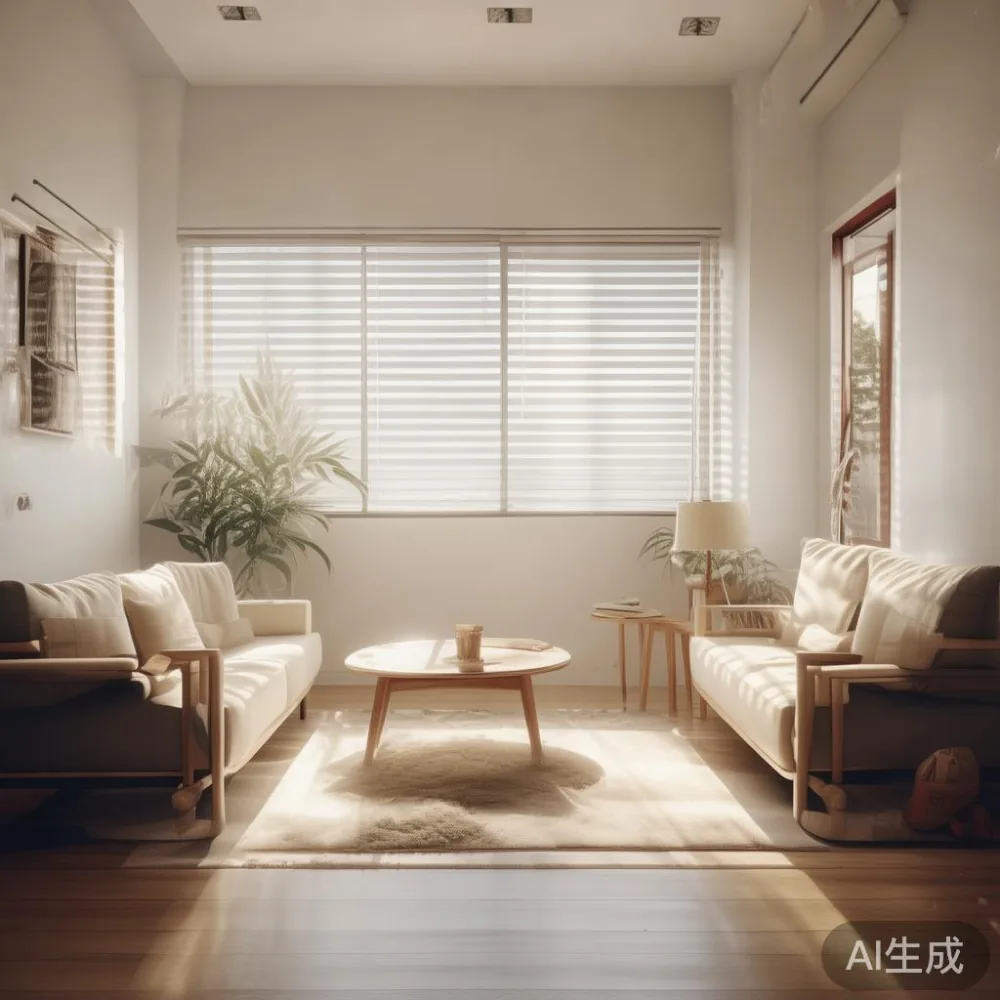
Understanding the Materials: Solid Wood and Veneer
Solid wood furniture, as the name suggests, is crafted from a single, solid piece of lumber, such as oak, walnut, or teak. This material is prized for its natural grain, durability, and ability to be refinished multiple times. A solid wood dining table, for example, is a timeless piece that can last for generations. The weight of a solid wood bed frame is substantial, often between 45 to 65 kg, reflecting its dense, solid construction. This material breathes with the environment, absorbing and releasing moisture, which is a key consideration in Singapore's humid climate.
Veneer, on the other hand, is a thin layer of real wood applied over a base of engineered wood like MDF (Medium-Density Fiberboard) or plywood. The base provides stability and shape, while the veneer layer offers the appearance of solid wood. Veneer furniture is often lighter and less expensive upfront. A veneer wardrobe might weigh around 30 kg, making it easier to maneuver through Singapore's standard corridor and lift widths. While veneer can mimic the look of solid wood beautifully, its long-term performance differs significantly, especially when exposed to the challenges of a Singaporean home.
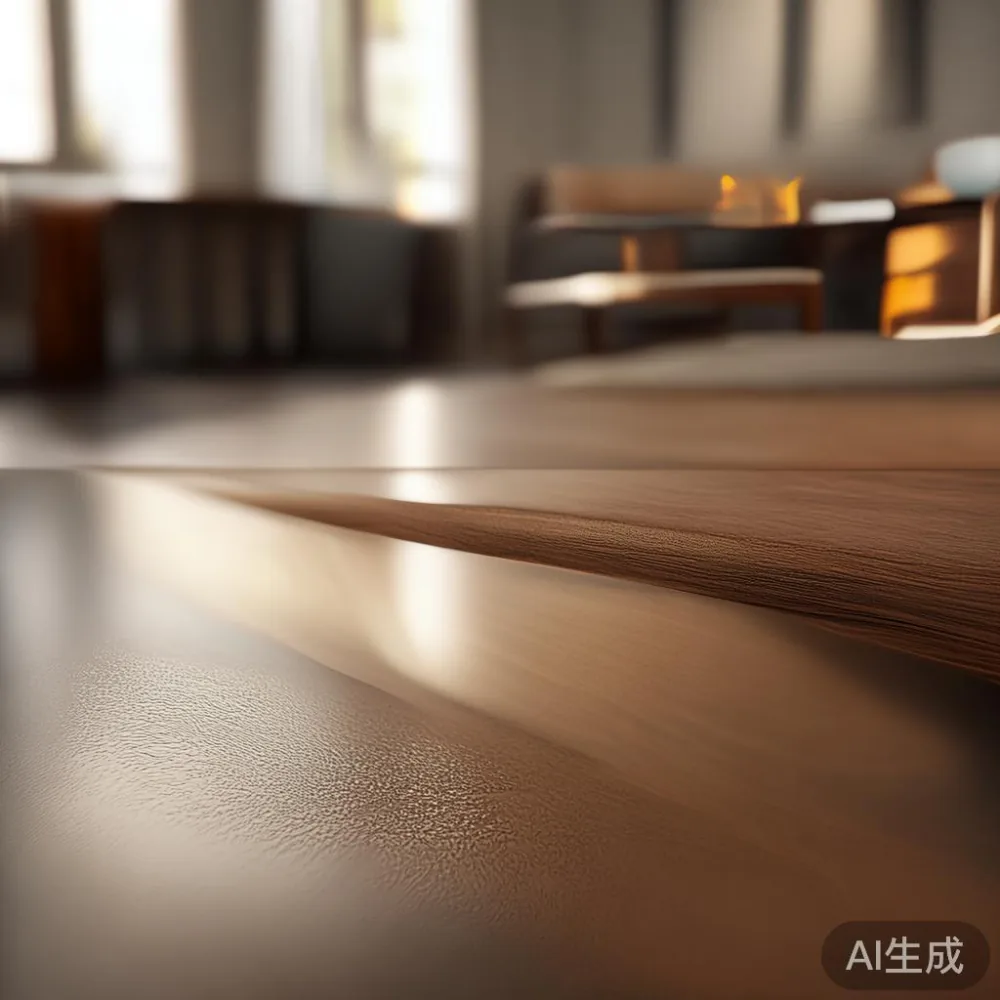
Initial Investment: A Look at Singaporean Price Points
The most immediate difference between veneer and solid wood furniture is the purchase price. In Singapore, where space is a premium and quality is valued, this initial cost can be a deciding factor. Let's compare common items you might find in a Bedok or Tampines home.
A solid wood dining table, crafted from sustainably sourced oak, can range from SGD 2,500 to SGD 5,000, depending on the size (typically 180cm x 90cm) and design. This price reflects the material's cost and the skilled labor involved in its construction. In contrast, a veneer dining table of similar dimensions might cost between SGD 800 and SGD 1,800. The savings are substantial, but this initial lower price often comes with trade-offs in longevity and repairability.
Consider a bedroom set. A solid wood bed frame, such as a European bed with clean lines, could cost SGD 1,800. Matching solid wood nightstands might add another SGD 600 to the total. A full solid wood bedroom suite can easily exceed SGD 3,000. A veneer equivalent might be priced around SGD 1,200 for the bed frame and nightstands, representing a 60% saving initially. However, this saving must be weighed against the potential need for replacement or repair within a 5-year period, which can quickly erode the initial advantage.
How to Choose French Provincial Bed: A Case Study in Material Impact
When considering a specific style like a French provincial bed, the material choice becomes even more critical. My colleague, Sarah, who lives in a Punggol apartment, recently faced this exact decision. She was torn between a beautiful French provincial bed in solid mango wood and a more affordable version with a walnut veneer finish. The solid wood option was priced at SGD 2,200, while the veneer version was SGD 1,100. She chose the veneer to save money.
Within 18 months, the veneer on the bed frame's headboard began to lift and bubble near a window where the morning sun hits directly. The high humidity in Singapore exacerbated the problem, causing the thin wood layer to warp and separate from the MDF base. Repairing this damage professionally would have cost over SGD 400, and the result might not have been smooth. She now regrets the decision, realizing that the initial saving of SGD 1,100 was offset by the need to replace the bed entirely after just three years. A solid wood French provincial bed, while a higher initial investment, would have aged gracefully, developing a beautiful patina instead of failing structurally.
Maintenance and Repair Costs Over Five Years
The true cost of furniture reveals itself over time. Solid wood requires specific maintenance, but it is also highly repairable. Veneer furniture, while seemingly low-maintenance, can present significant challenges when damage occurs.
Solid wood furniture benefits from periodic oiling or waxing to protect its surface and prevent it from drying out in Singapore's air-conditioned environments. A good quality wood polish costs around SGD 40 and can last for a year. Over five years, this maintenance is minimal. More importantly, if a solid wood nightstand gets scratched, it can be sanded down and refinished. A deep scratch on a veneer surface, however, often means the thin wood layer is compromised. Repairing a scratch on veneer is difficult and expensive, sometimes costing SGD 200 or more for a professional touch-up that may still be visible.
Water damage is another key differentiator. A spill on a solid wood dining table can be wiped away and the wood treated. If water seeps into a veneer piece, it can cause the veneer to bubble and peel. Repairing this is often impossible without replacing the entire panel. For a wardrobe, this could mean a costly repair bill of several hundred dollars. The structural integrity of solid wood is far superior; a solid wood wardrobe will not sag or warp in the same way a veneer one might under the weight of clothing over several years.
Light Luxury Bed vs Mid-century Modern Bed: A Value Proposition
The concept of 'light luxury' has become a popular design choice in Singapore, blending minimalist forms with high-quality materials. When comparing a light luxury bed versus a mid-century modern bed, the material choice is paramount to achieving the desired aesthetic and longevity.
A light luxury bed, often featuring clean lines and a focus on natural materials, is typically constructed from solid wood to maintain its elegant silhouette and structural integrity. This ensures the bed frame remains stable and doesn't creak or wobble over time. A mid-century modern bed might also be made of solid wood, but some budget-friendly versions use veneer to mimic the iconic tapered legs and organic shapes. The veneer version may look authentic for a year or two, but the thin layer is prone to chipping at the edges of the legs, which are high-contact areas. The solid wood version, while more expensive, retains its form and finish, embodying the timeless quality that defines the mid-century style. The value lies in the piece's ability to remain a beautiful and functional part of your home for decades, not just a few years.
Is Solid Wood Furniture a Better Long-Term Investment for Singapore's Climate?
Given Singapore's unique climate—a combination of high humidity, intense sunlight, and reliance on air-conditioning—does the higher upfront cost of solid wood furniture justify itself over five years? The evidence strongly suggests yes.
Solid wood's ability to acclimate to humidity prevents the warping and cracking that often plague poorly made veneer furniture. The 9% to 12% moisture content in solid wood is ideal for Singapore's environment. Veneer, bonded to a less stable MDF base, is more susceptible to delamination when humidity fluctuates between the outdoors and indoors. For a piece like a European light luxury wardrobe in a bedroom, this stability is important. A warped wardrobe door not only looks unsightly but also fails to close properly, a frustrating problem in a small HDB flat.
Also, the ability to refinish solid wood furniture is a significant advantage. A solid wood dining table that has accumulated minor scratches over five years can be sanded down and refinished for a cost of around SGD 300, making it look brand new. A damaged veneer table often cannot be salvaged. This refinishability extends the life of the furniture indefinitely, turning a 5-year cost into a 20 or 30-year investment. The long-term value of solid wood, especially for core pieces like a bed frame or dining table, proves to be a more economical choice when considering the full lifecycle of the product.
Styling and Aesthetic Longevity
Beyond cost and durability, the aesthetic appeal of furniture is a key consideration. Solid wood furniture develops a character over time. A solid wood marble table, for example, will show subtle changes in the wood's grain as it ages, adding to its charm. This patina is a desirable quality in minimalist furniture, which emphasizes natural beauty and imperfection.
Veneer furniture, by contrast, tends to look dated as its finish fades or peels. The initial 'showroom' look can diminish quickly. For instance, a Vintage for dining room style relies on authentic materials and craftsmanship; a veneer piece will fail to capture the authentic feel of true vintage design. Similarly, a French provincial dressing table made of solid wood will maintain its elegant curves and rich finish, becoming a treasured heirloom. A veneer version might lose its luster, making it a piece you want to replace rather than keep. The aesthetic longevity of solid wood ensures your home remains stylish and cohesive without the need for frequent, costly replacements.
Final Considerations: Warranty, Delivery, and Peace of Mind
When making a significant purchase, the terms of sale and after-sales service are important factors. A company that stands behind its products provides a level of security that is invaluable. For instance, a 10-year structural warranty on a solid wood bed frame or dining table is a strong indicator of the manufacturer's confidence in their product's longevity. This warranty covers defects in the wood itself, such as splits or warping, offering peace of mind for the entire decade.
Delivery logistics are also a practical consideration in Singapore. Free shipping over a certain purchase amount, such as SGD 350, makes acquiring larger items like a dining table or wardrobe much more convenient. The delivery process itself should be handled with care to prevent damage. A professional delivery team will understand the dimensions of Singapore's HDB corridors and lift widths, ensuring your new furniture arrives without a scratch. This attention to detail is often a hallmark of companies that specialize in high-quality, minimalist furniture.
To close, while veneer furniture offers a lower initial price point, the 5-year cost comparison reveals a different story. The combined expenses of potential repairs, replacements, and the frustration of dealing with degrading quality often make solid wood the more economical and practical choice for Singaporean homes. For those seeking durable, beautiful, and long-lasting furniture that can withstand the local climate, solid wood remains the superior investment in both value and peace of mind.