Tropical Climate Care for Lacquered Furniture Surfaces
I keep a small notebook on the console of my entryway, and every entry begins with the same line: humidity, 78 percent. That is the average reading inside a typical Singapore HDB flat along the East Coast corridor, and it is the single number that shapes how I care for the lacquered pieces inside my home. Last month I visited a client in a Punggol Waterway Ridges Point condo who had a six-month-old dining table whose finish had gone cloudy along the edges. Within ten seconds of looking at it, I knew the issue was not the lacquer itself. It was the air. Tropical humidity matters to lacquer in ways that almost nothing else does, and a careful routine can keep your furniture looking clear for 15 years or longer.
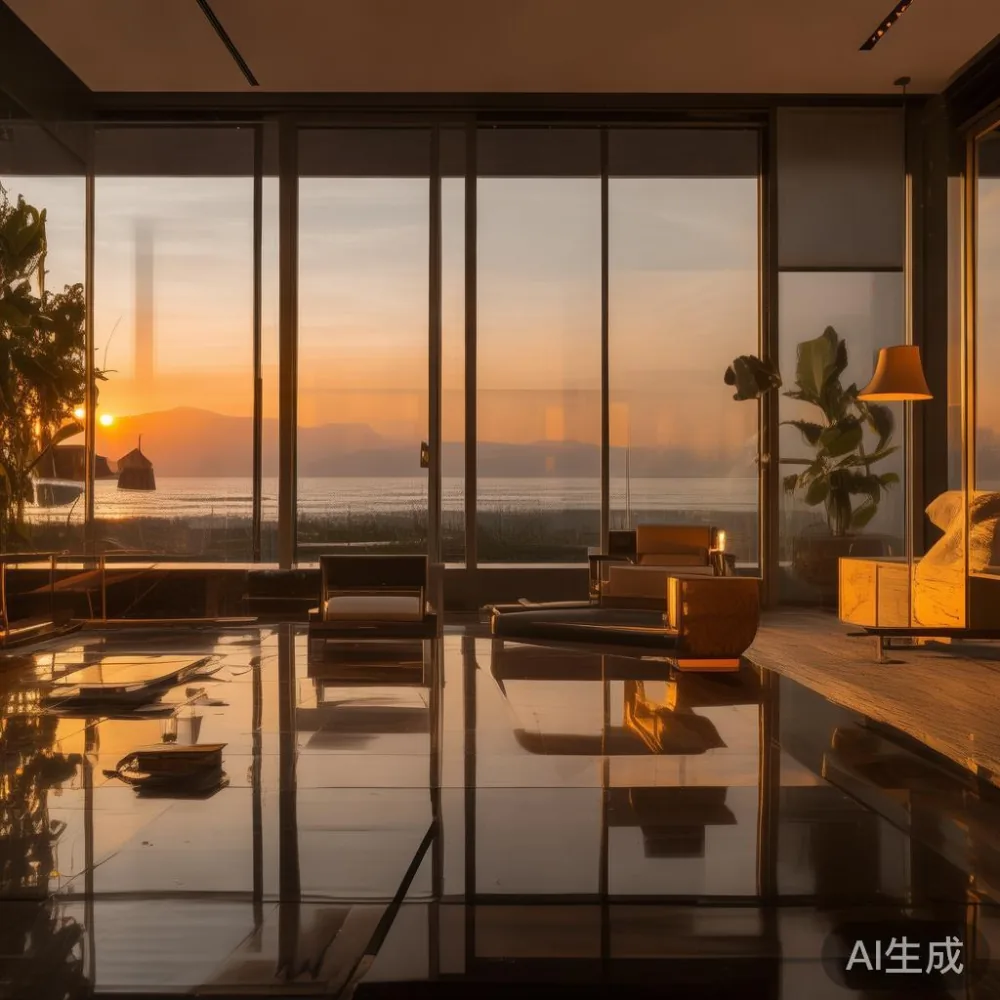
MIDHILL, a Foshan workshop making solid wood pieces since 2008, ships its lacquered minimalist furniture to more than 15 countries, and Singapore is one of the more demanding climates on the list. Lacquer, in plain terms, is a clear film that dries on top of the wood. When the air around it stays warm and damp for most of the year, that film has to work much harder than the marketing brochures ever mention.
Why does Singapore humidity damage lacquer faster than other finishes?
Humidity above 70 percent for long stretches is the threshold where lacquer begins to misbehave. Singapore sits at an average of 78 to 82 percent for most of the year, and inside a Tampines HDB without a dehumidifier, the number can climb above 85 percent by 3 a.m. Lacquer is a film finish, meaning it sits on the surface as a continuous skin. That skin breathes more than people expect. Moisture in the air presses into the wood beneath the film and tries to escape back out. Each cycle leaves a faint mark. Over 12 to 24 months, those marks turn into the cloudy haze you see on edges and joints.
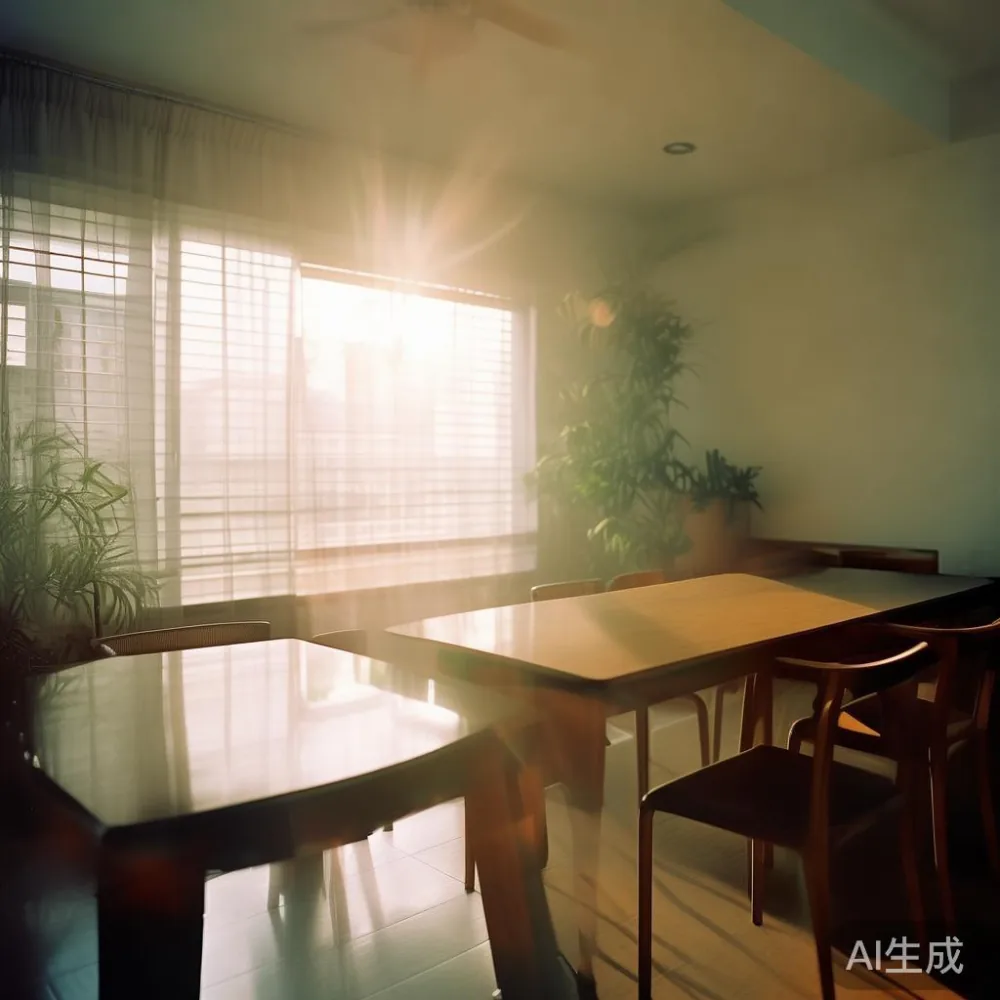
Oil finishes soak into the wood and age with it. Wax sits on top and wears off predictably. Lacquer behaves differently because it has a long, slow, hard life ahead of it, but only if you control the room. The fix is not a different finish, and it is not a stronger cleaner. The fix is airflow, steady humidity, and a soft cloth.
How do I choose a rattan wicker for a bedroom?
A rattan wicker for bedrooms should be either kiln-dried and sealed with a hard lacquer, or woven from synthetic polyethylene, because natural cane in a 80 percent humidity room will slowly go soft and slightly fuzzy within a year. Pick pieces where the joints are wrapped, not glued, so a Singapore carpenter can replace a single strip in about 45 minutes if it warps, instead of re-throwing the whole panel.
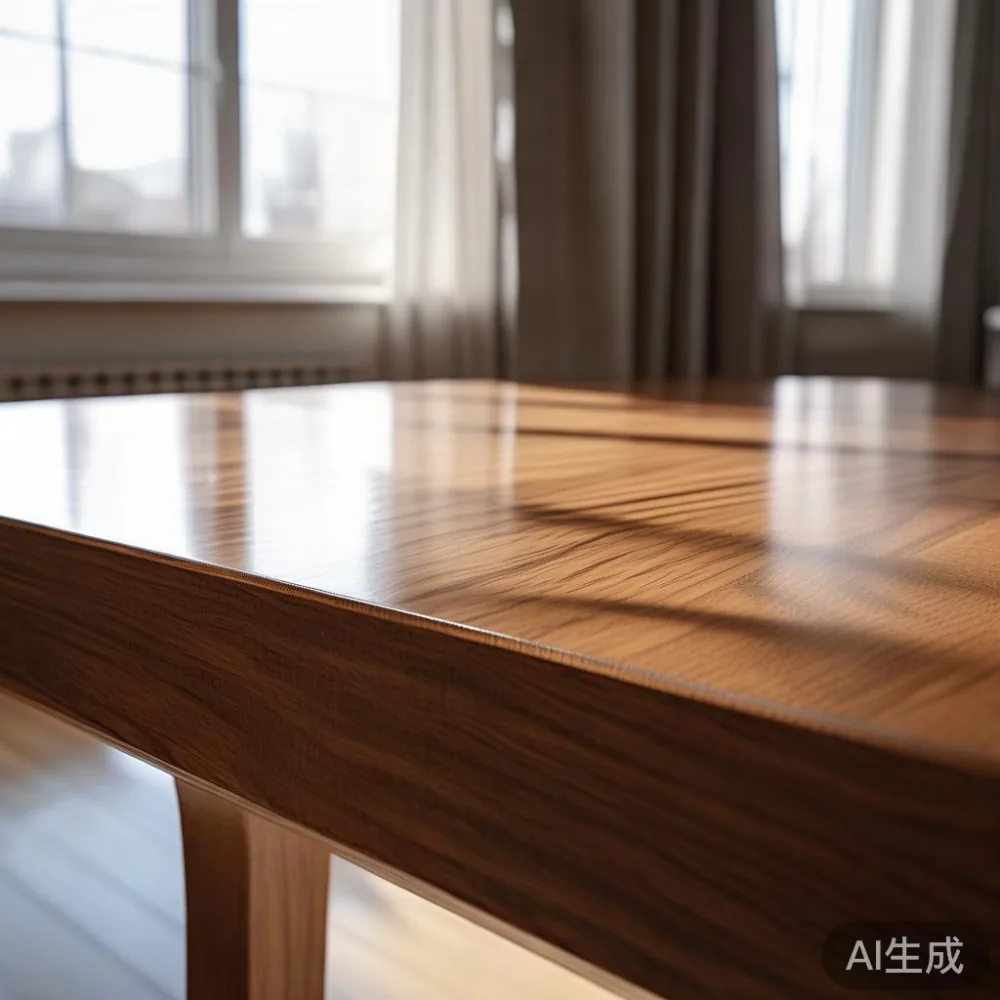
For a king-size bedroom in a Punggol condo with roughly 12 by 14 feet of floor space, a headboard panel around 180 cm wide and 120 cm tall leaves 90 cm of clear corridor on each side. That clearance is also what you need to slide a 65 cm wide wardrobe door past the bed without scraping. If the rattan piece carries any weight, for example a bench at the foot of the bed, look for a load rating of at least 120 kg. Anything under 80 kg will feel hollow once you sit on it.
What is the correct daily care routine for a lacquered dining table?
Wipe the table once a day with a dry microfiber cloth, around 30 seconds per square metre. Once a week, use a cloth lightly dampened with water and a single drop of pH-neutral dish soap, then dry the surface within 60 seconds. Never leave a wet cloth sitting on a lacquered surface. The water will mark the finish in about 15 minutes in a room at 82 percent humidity.
Coasters matter more in Singapore than in most places. A cold glass of iced water with condensation running down the side will leave a white ring within 8 to 12 minutes if it sits directly on lacquer. A coaster costs under SGD 5 and prevents a refinishing job that costs about SGD 220 per square metre. Trivets for serving dishes are the same story, since a hot plate above 70 degrees Celsius will cloud the film in a single contact.
Placemats protect the centre of the table where elbows and sleeves rub. Choose woven cotton over rubber-backed mats, because rubber backing can react with lacquer over 6 to 9 months and leave a faint dark print you cannot buff out.
How do I control humidity around a solid wood bed frame?
Target a steady 55 to 65 percent humidity at the headboard. Anything above 70 percent for more than 30 days is where a solid wood bed frame will start to swell at the tenons, and a king-size frame can grow up to 3 mm across its width during a long wet spell. That sounds small until you hear a creak at 2 a.m. that was not there the previous week.
A small dehumidifier in the bedroom costs about SGD 280 for a 12-litre model, draws roughly 180 watts, and pulls a 12-square-metre room down to 55 percent within 4 to 6 hours. Set it to 60 percent and let it cycle. The power draw works out to roughly SGD 12 to SGD 18 per month at current SP Group tariffs, which is a fair trade for a bed frame you want to last 15 years.
Keep the bed frame 15 cm away from the wall. That gap lets the back panel breathe and prevents the back edge from sitting in a damp pocket. If your condo wall is an external wall, leave 25 cm instead. Wall-mounted air-conditioning units also blow cold air directly onto nearby furniture, so rotate the bed 90 degrees if you can, or use a deflector.
What should I do when the lacquer turns cloudy or sticky?
Stop using furniture polish that contains silicone. Most aerosol polishes sold at IMM or at local Mustafa Centre contain silicone, and silicone builds up over 30 to 60 days into a soft, slightly greasy haze. The fix is a cloth dampened with a 1:4 mix of white vinegar and water, wiped in straight lines, not circles, then dried with a second cloth. For a dining table that has been polished weekly for three years, expect to spend about 45 minutes on a full top.
If the haze has turned yellow or the surface feels tacky, the lacquer has aged out. At that point, a professional sanding and re-lacquering is the right call. In Singapore, that service runs about SGD 180 to SGD 280 per square metre for a dining table, and SGD 90 to SGD 140 for a nightstand. A solid wood nightstand that has been refinished once can serve another 8 to 12 years without further work, which is why a workshop offering lifetime refinishing, as MIDHILL does on pieces bought through them, is worth asking about before you buy.
Can sunlight yellow lacquer through a condo window?
Yes. UV exposure through a west-facing window between 2 p.m. and 5 p.m. is the strongest single cause of yellowing on a clear lacquered surface. UV-filtering film on the window costs about SGD 18 to SGD 28 per square foot installed, and pays back inside a year if the table sits in that line of light. A 3 percent UV film blocks 97 percent of the harmful rays and still lets roughly 70 percent of the visible light through, which keeps the room bright.
Rotate items on the table every 30 days. A vase that sits in the same corner for six months will leave a light outline behind when you move it. The same idea applies to a marble table, which can develop a faint heat shadow under a lamp left in one position for over a year. Marble behaves differently from lacquer because it is a porous stone, but both dislike steady, uneven light.
How should I clean a lacquered wardrobe in a narrow HDB corridor?
Wipe wardrobe doors with a dry microfiber cloth once a week, and clean the handles with a cotton swab dipped in a tiny amount of isopropyl alcohol once a month. In a typical HDB corridor of about 1.2 to 1.5 metres wide, doors swing through 90 degrees and the handle often hits the opposite wall. Add a 5 mm felt buffer to the wall corner for under SGD 2 and you save the door edge from repeated knocks.
If the wardrobe sits against an HDB service yard wall, watch the back panel for swelling. Service yard humidity can hit 90 percent after a long rain, and the back panel of a wardrobe is the panel that takes the brunt of it. Lift the wardrobe 5 cm off the floor on small wooden blocks. The blocks cost about SGD 12 at any neighbourhood hardware shop and add roughly 6 cubic centimetres of breathing room under the unit.
What about the lift and delivery process for a large piece?
A king-size bed frame in solid wood weighs between 90 and 140 kg depending on the species, and that weight is the easy part. The hard part in Singapore is the lift. Standard HDB passenger lifts in blocks built after 2015 have an internal cabin of about 1.4 m wide by 1.7 m deep, with a door roughly 0.9 m wide. Older blocks have cabins closer to 1.1 m wide. Measure the lift opening before ordering anything over 2 metres tall. A wardrobe at 2.2 m will not clear a 2.0 m tall lift door on its side.
Most Foshan workshops, including the one behind the MIDHILL name, ship flat-packed with a 14 to 21 day delivery window to a Singapore forwarder, then 7 to 10 days for last-mile delivery inside the country. Free shipping kicks in above US$350, which is roughly SGD 480 at current rates, and the 14-day return window gives you a fair shake if the piece arrives with a transit mark. The 10-year structural warranty covers the joinery, not the surface, which is exactly why the care steps above matter.
Quick reference: a 90-day routine for a lacquered dining table
Daily, around 30 seconds, dry microfiber wipe. Weekly, around 4 minutes, damp cloth with a drop of soap, then dry. Monthly, around 10 minutes, rotate centrepieces, check humidity reading, vacuum the gap under the table. Quarterly, around 20 minutes, inspect edges for clouding, wipe handles, condition wood legs with a thin coat of paste wax on the unfinished parts only.
Once a year, book a professional inspection if the table sits near a window or in a non-air-conditioned service area. The cost is roughly SGD 80 to SGD 120 for a single visit, and the visit usually catches a small issue before it becomes a refinishing job. Keep that habit and a solid wood dining table from a light luxury post-modern line, sitting in a Tampines or Bedok flat, will still look clear at year 12. The lacquer is doing its job. Yours is to give it a fair room to live in.