Enhancing Small Homes with Furniture Sizing Tips
Warm minimal interiors are not cold rooms with a few sparse pieces. In Singapore, the right minimalist furniture can make an HDB flat or condo feel composed, breathable, and inviting without filling every wall. The formula is simple: warm wood, restrained forms, useful proportions, and enough open space for daily life to remain comfortable. This guide explains how to match a solid wood sofa, bed frame, dining table, wardrobe, nightstand, and marble table to homes in Tampines, Bedok, Punggol, and newer condo developments.
For practical guidance, I visited my colleague’s three-room HDB flat in Bedok last month. Its living room measured 320 cm across, with a 210 cm sofa facing a 105 cm television console. The 190 cm dining table looked substantial in the showroom but crowded the 90 cm passage beside the kitchen. Swapping it for a 150 cm model solved the circulation problem and made the warm oak finish appear more generous.
What makes a warm minimal interior different from a plain one?
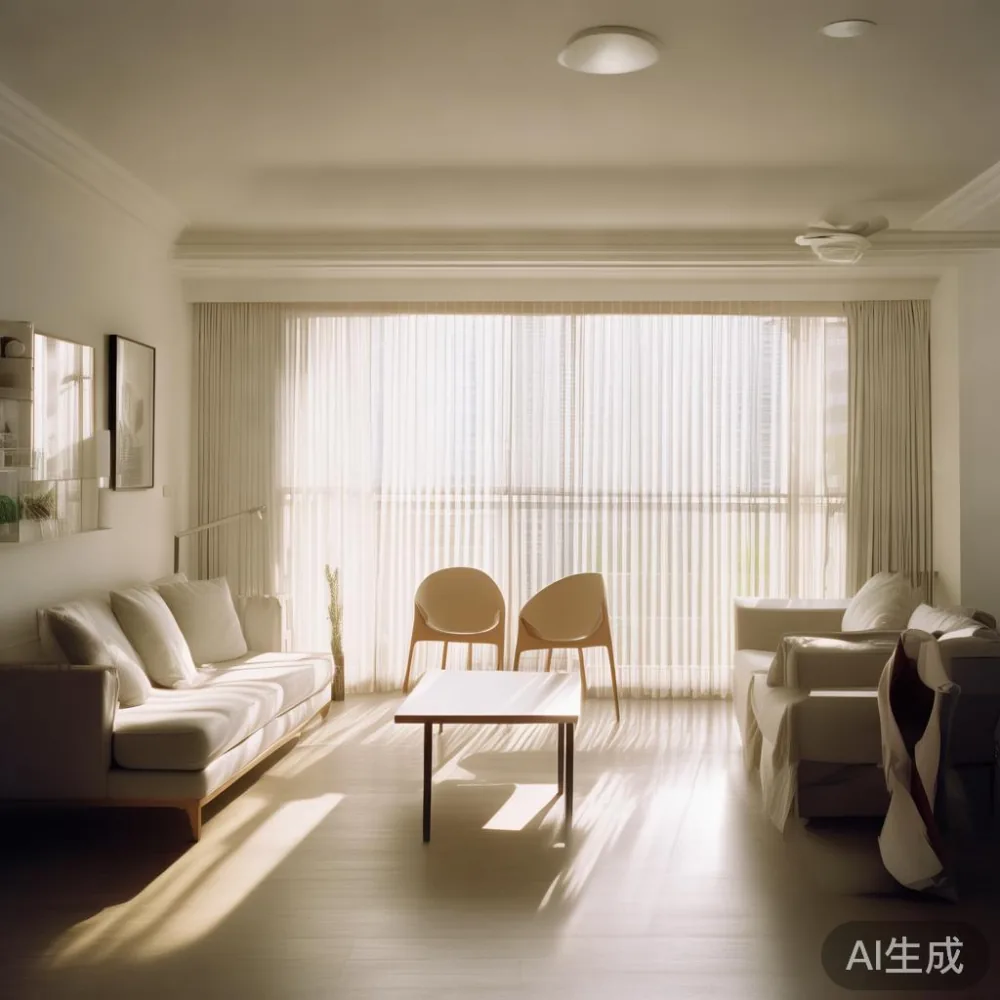
Warm minimalism balances clean silhouettes with tactile materials. Pale walls, limited ornament, and low-profile furniture create order, but solid wood, oatmeal textiles, linen curtains, aged brass, and stone prevent the room from feeling clinical. A warm minimal home also allows signs of use: a bowl on the dining table, books stacked beside the sofa, or ceramics grouped on a cabinet.
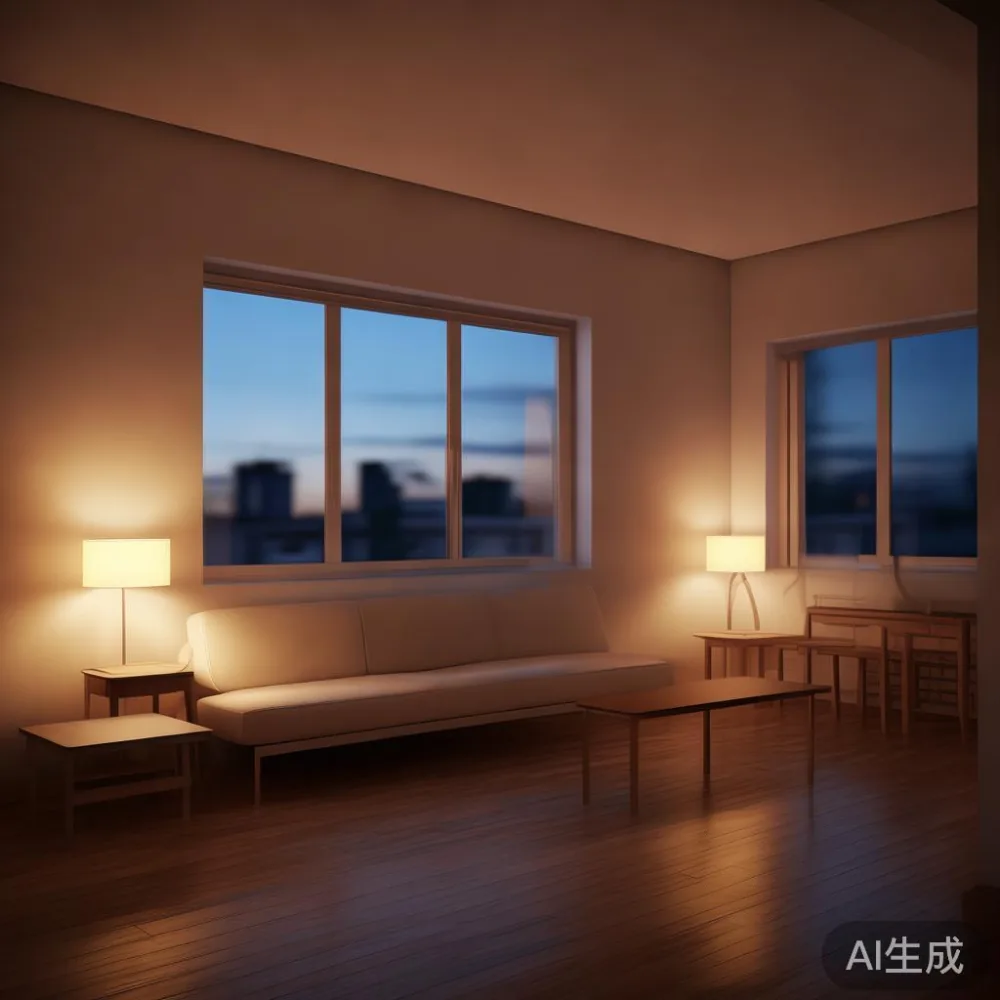
The aim is not to remove personality. It is to give each object enough visual breathing room. In a 90 sqm HDB flat, pieces with narrow profiles and closed storage usually work better than a wall of open shelving. In a 1,100 sqm family condo, larger furniture can carry the same restrained style if its footprint remains disciplined.
For Singapore, material choice should also account for humidity, sunlight, and frequent cleaning. Quality solid wood that has been properly dried and finished can handle the climate, although outdoor exposure and standing water still deserve caution. Premium furniture should arrive with clear care instructions rather than vague assurances.
How do you choose minimalist furniture for the actual size of your room?
Begin with measurements, not style labels. Measure the room at its widest and narrowest points, doorways, lift entrances, corridors, and turning areas. Record ceiling height if possible. Then place paper rectangles on the floor at the planned furniture dimensions. This simple test reveals whether a piece can be delivered and used without obstructing a route.
Many HDB lift cars measure about 100 cm wide by 130 cm deep, although individual blocks vary. A sofa with a 215 cm width may fit if its longest component can angle through the lift, while a rigid 220 cm frame may not. Corridors can be narrower than 90 cm. Remove the sofa legs before carrying it if the design permits, and check whether packaging adds 10–20 cm around every side.
For a compact living room, aim for a circulation gap of 75–90 cm between a sofa and coffee table. Leave 40–60 cm between dining chairs and the wall where people need to sit down, or at least 75 cm where chairs are pulled back. Between a dining table and a nearby cabinet, 90 cm provides a practical service zone. These figures are more reliable than showroom impressions.
The phrase Minimalist for small living room is useful during planning, but measurements should guide the final choice. A 180–200 cm solid wood sofa suits many Singapore living rooms, while a 240 cm version suits a larger lounge. Keep the coffee table 35–45 cm lower than the seat and choose a form with softened corners where children or elderly relatives use the space.
Which wood finish creates warmth without making a room feel heavy?
Oak, ash, walnut, and teak each create a different emotional register. Pale oak gives a light, Scandinavian effect and reflects daylight well. Walnut introduces deeper contrast and works well against warm white walls. Teak has a golden-brown grain that suits tropical light, while ash can create a quiet, post-modern light luxury mood when paired with simple geometry.
Choose one dominant wood tone and allow smaller objects to introduce variation. Mixing light oak, dark walnut, reddish mahogany, and yellow pine in equal measure often produces visual noise. Two coordinated finishes are usually calmer. For example, pair a pale oak bed frame with a slightly warmer solid wood dining table and matte-black metal details.
Matte finishes generally suit warm minimal interiors better than high-gloss surfaces because they diffuse light and show fewer fingerprints. Look for water-based or low-VOC finishes, especially in children’s bedrooms. Test samples under the room’s actual lighting rather than relying on photographs. Warm white walls can make honey-toned wood look richer, while cool grey walls can make it appear more orange.
Furniture scale affects perceived weight. A 42–46 cm dining table can feel visually lighter than a 50 cm top, even when both are solid wood. A tapered bed frame opens the floor beneath it, and a plinth-base wardrobe with fewer projecting details can reduce bulk. The right profile supports minimalist furniture without making it look severe.
How should a solid wood sofa work in a warm minimal living room?
A solid wood sofa provides the architectural frame, while upholstery determines how comfortable it feels. For a warm minimal room, select a frame in natural oak or walnut and use oatmeal, warm beige, muted taupe, or dusty clay fabric. Avoid too much contrast between a very dark frame and very bright cushions unless that graphic contrast suits the rest of the home.
For a 320 cm-wide living room, a sofa between 185 and 205 cm usually preserves useful circulation. Seat depth of 55–60 cm works for many adults, while 50–55 cm is easier for shorter users. Firm cushions around 45–50 cm high can preserve a neat profile, and solid or partly exposed legs make the sofa appear lighter. A low back around 75–80 cm can encourage an open, horizontal composition.
The comparison American sofa vs Japandi sofa is often framed as one between bulky comfort and visual restraint, but the better question is proportion. American-style sofas often use deep seats, broad arms, and loose cushions. Japandi seating normally has cleaner lines, lower profiles, and slimmer visual weight. Either can suit a warm minimal home if its measurements and upholstery follow the room.
Consider the delivery route before selecting a sectional. A chaise may create a welcome focal point, but it can consume 80–100 cm of floor length. In many HDB layouts, a straight 190 cm model offers better daily usability. Check that the frame is kiln-dried solid wood, ask for the load rating, and confirm whether the cushions can be removed for cleaning.
Can French light luxury and Nordic restraint live in the same home?
Yes, provided the shared language is proportion rather than identical detail. French light luxury leans toward curved edges, upholstered forms, brass accents, and softly layered textiles. Nordic design emphasizes pale wood, functional storage, simple silhouettes, and useful objects. The combination can feel composed rather than mixed when one element leads and the others support it.
A French-inspired solid wood sofa with rounded arms can be the living room’s anchor. Keep the coffee table simple and architectural, perhaps an Italian light luxury coffee table with a warm marble top and restrained dark base. In the bedroom, a low oak bed with a linen headboard can carry the French bed vs Nordic bed decision: the French route uses softness and gentle curves, while the Nordic route uses straight lines and pale timber.
Limit decorative objects to groups of 3 or 5. A 28–32 cm ceramic vase, 18 cm bowl, and 24–28 cm framed print can create a balanced vignette without crowding a 150 cm console. Keep at least 20 cm between grouped objects and the surface edge. This editing discipline matters more than chasing a particular catalogue style.
Post-modern light luxury offers another route through gentle contrast: a travertine side table beside walnut, or matte black frames against warm oak. The result should remain calm. If every object introduces a new colour or pattern, the room stops feeling minimal.
How do dining tables fit between a compact kitchen and the living room?
A dining table often determines whether an HDB flat feels open. In homes where the dining area sits beside the kitchen, allow 90 cm between the table edge and nearby walls or cabinets. A 140–160 cm table serves four people comfortably. For six diners, consider 180–200 cm, but only if the surrounding route remains at least 75–90 cm wide.
At my colleague’s Bedok home, the original 190 cm table left only 38 cm between its long edge and the console. A 150 cm table restored a 58 cm gap, while the chairs still accommodated four diners. It was a less dramatic room photograph but a better home to use.
Round tables of 110–125 cm can work in tight zones because they reduce corner conflicts. Rectangular tables suit long walls and narrow dining rooms. Choose softened corners if the table sits near a main circulation route. A height of 74–76 cm pairs with most dining chairs, so check the buyer’s existing chair clearance before replacing the table.
Solid wood dining tables should expand and contract with humidity. Ask whether the top is solid wood throughout, whether it is engineered to resist warping, and how the joint is reinforced. A table extending to 220–240 cm needs a reliable centre support. Avoid placing a hot pan directly on the timber; use a trivet or heat-resistant mat.
A sideboard can add useful storage without creating a large visual block. An Italian light luxury sideboard in warm walnut or oak may work when its doors are flush, handles are discreet, and the top is kept mostly clear. Allow 90 cm for opening drawers, or confirm sliding doors if the space is tighter.
What should a warm minimal bedroom include?
A bed frame anchors the bedroom, so buy it after measuring the narrowest wall and the path to the wardrobe. A queen mattress commonly measures 152 cm wide by 190 cm long in Singapore, but actual dimensions vary by brand. A frame with an width of 158–165 cm needs extra clearance for side tables and walking space. For a compact HDB bedroom, a wall-adjacent or storage bed may recover 20–40 cm of usable floor area.
Warm minimal bedrooms benefit from layered lighting: a 2700–3000K bedside lamp, a 3000–3500K ceiling light, and sheer curtains that diffuse daylight. A 40–45 cm nightstand is enough for a phone, glass, and book, but it should not block a 60–75 cm side access route. Slim drawer fronts and recessed pulls make minimalist furniture feel quieter.
Wardrobes should reach the ceiling where storage is needed, but the height must suit the room and ceiling fan clearance. Measure wall recesses, skirting, pipes, and window edges before ordering. Sliding doors need about 70–80 cm of operating space in front; hinged doors may need 90 cm. A fitted wardrobe is more orderly, while a freestanding solid wood model adds character when 5–8 cm remains around it.
Use warm, low-saturation bedding to prevent the bedroom from becoming visually cold. Oatmeal, clay, and stone tones work with oak, walnut, and rattan. Keep textiles different in texture rather than identical in colour, which creates subtle depth without decorative clutter.
How do you use marble and stone without turning a minimal room cold?
A marble table can give a warm minimal interior a measured focal point, especially when its veining is soft and its base is simple. Choose a table with a top measuring 90–110 cm for a compact living room, leaving 35–45 cm between it and the sofa. Larger homes may support a 120–130 cm top if the seating arrangement remains balanced.
An Italian light luxury coffee table works well with curved edges, honed stone, and a metal or timber base. Warm cream marble with grey or beige veining pairs more naturally with oak and linen than stark black-and-white stone. If the top is glossy, add a matte textile nearby to balance the reflection. A small tray, one book, and a 20–25 cm vessel are enough styling.
Side tables should not compete with the coffee table. A 35–45 cm diameter table is sufficient for a cup and lamp, but its height should be close to the sofa arm for practical use. Repetition of material can unify the room, while a contrasting stone surface can clarify the hierarchy.
For a dining area, a marble-topped console may be useful, but daily dining spills require prompt care. Coasters, placemats, and a damp cloth protect the surface. Natural stone varies from slab to slab, so request dimensions and photographs of the actual piece where possible.
How can you make delivery, warranty, and returns straightforward?
Clear policies matter as much as appearance. MIDHILL was established in 2008 and exports to more than 15 countries, yet a Singapore buyer should still receive locally relevant service terms. Ask for the final delivered price in SGD, including any GST or applicable tax treatment, and confirm whether remote-area or lift-access charges apply.
Delivery time, packaging size, and access should be agreed before payment. For a ready collection, allow roughly 7–14 delivery days after production or stock confirmation; made-to-order pieces can take 6–10 weeks. These ranges should be confirmed for the selected item rather than treated as a fixed promise. A 10-year structural warranty provides useful long-term confidence, while lifetime refinishing can restore the surface after normal wear when refinishing is included in the stated terms.
Returns are easier when a company has a practical 14-day return policy. Confirm whether the furniture must be unused, whether original packaging is required, and who bears return transport for bulky items. For a made-to-order wardrobe or bed frame, production approval or delivery-day inspection may affect the return process, so read the written conditions.
Free shipping over US$350 is mentioned for eligible international orders, but local Singapore delivery can use SGD pricing and separate access charges. Do not infer the local delivery fee from an overseas threshold. MIDHILL can be contacted at midhillco@gmail.com for dimensions, material samples, delivery checks, and product documentation before ordering.
Buyers comparing under 2000 Scandinavian furniture should compare the same things across brands: solid wood species, joinery, finish coverage, dimensions, warranty scope, delivery terms, and return conditions. A lower sticker price may exclude delivery or assembly, while a higher price may include better support. The strongest choice is the one whose specifications suit the room and whose service terms are transparent.
What should you check before placing a furniture order?
Create a room inventory before checkout. Record each piece’s width, depth, height, weight, finish, colour code, cushion composition, and delivery packaging size. For a solid wood sofa, compare the frame with the usable seat width. For a dining table, confirm whether the stated length includes any projection. For a wardrobe, note internal drawer dimensions rather than relying on exterior capacity.
Check circulation with the furniture still in its real position. Open every door and drawer. Sit at the dining table, lie on the bed, and reach the nightstand. A piece can look minimalist in isolation yet make a room awkward once movement, cleaning, and storage are considered.
Review care instructions in Singapore’s humid conditions. Wipe timber with a soft damp cloth, dry it promptly, and keep it away from air-conditioning vents or direct afternoon sun. Rotate cushions, protect stone from heat, and schedule a refinishing check if the surface becomes dull. A light touch every 6–12 months keeps warm wood visually alive.
Finally, look at the room under morning, afternoon, and evening light. Warm minimal design is successful when it remains inviting through all three. Solid wood brings lasting texture, restrained dimensions preserve space, and stone or fabric adds a measured point of contrast. That balance—not the amount of furniture—is what makes the interior feel warm, quiet, and genuinely livable.