Minimalist Furniture for Small Singapore Homes: A Practical Styling Guide
Singapore flats are shrinking. A four-room HDB in Bedok today is roughly 90 sqm, a five-room in Punggol lands around 110 sqm, and yet the sofas, dining tables, and wardrobes we grew up with were built for 130 sqm private terraces in the 1990s. That gap is where most small-apartment styling fails before it begins, and it is exactly where minimalist furniture earns its place.
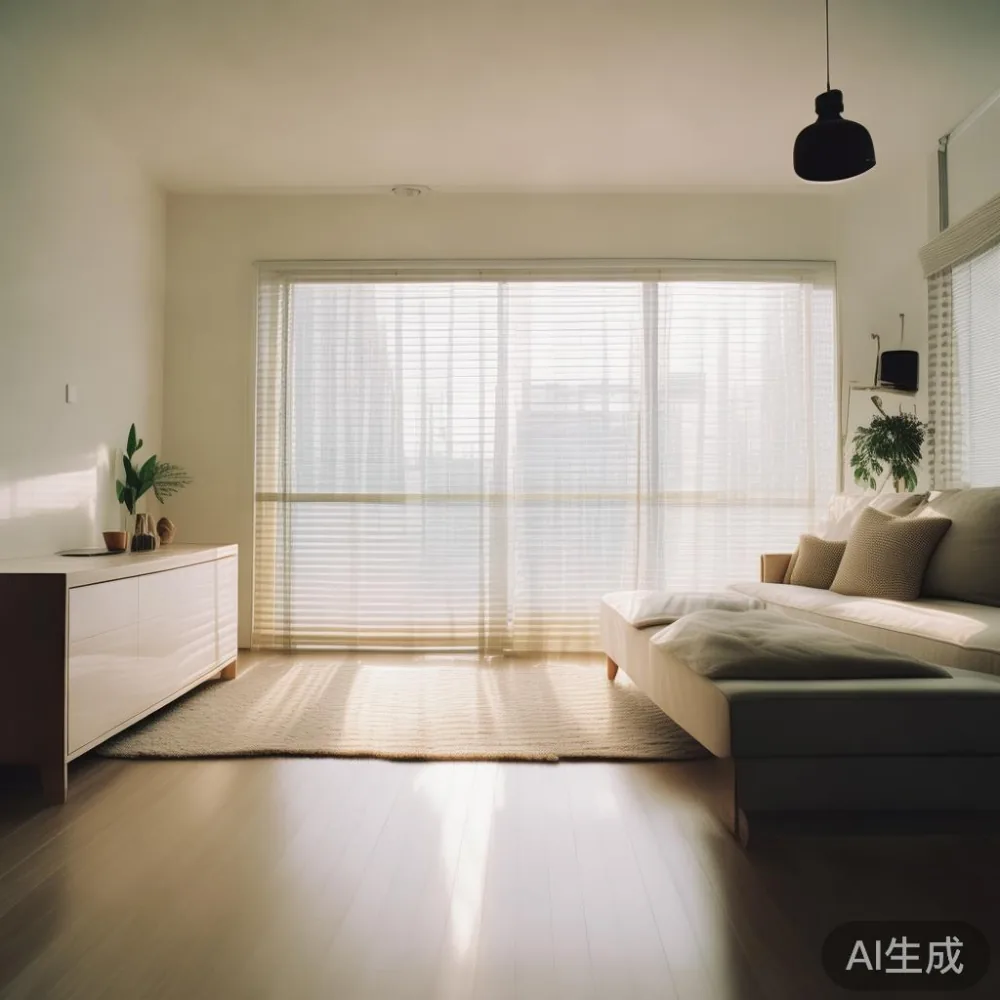
I tested this on a real Tampines 4-room flat last month. The owners had moved in with a 2.4-metre American-style three-seater sofa, a 1.8-metre dining table, and a king bed frame that completely blocked the corridor to the second bedroom. After we replaced four pieces with slimmer solid wood alternatives and a low-profile marble table, the same hallway read 90 cm wider. Nothing was repainted. Nothing was renovated. Only the minimalist furniture changed.
Why small flats in Tampines, Bedok, and Punggol feel crowded before any furniture arrives
Singapore poses three structural constraints that almost no styling article acknowledges:
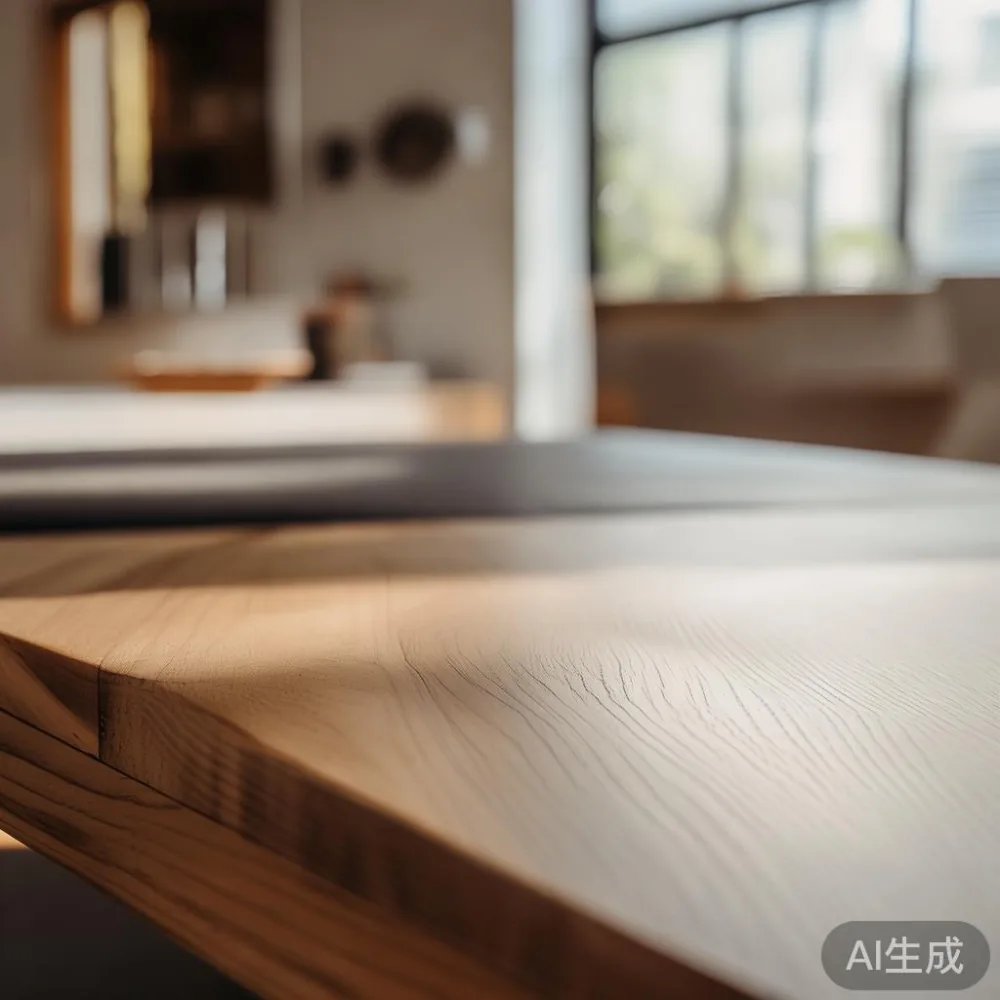
1. Lift depth matters more than room size. Most HDB passenger lifts measure about 1.1 m deep by 1.4 m wide, with a door opening of roughly 0.9 m. A standard three-seater sofa in a carton is around 2.1 m long. It simply does not enter the lift upright. You tilt it, drag the carton through a 1.2 m corridor, and pray the turn into the unit clears the neighbour's shoe rack. Choosing pieces that are unboxed inside the lift eliminates this entire risk.
2. Corridor widths are fixed. HDB common corridors run 1.2 m to 1.5 m. A bulky wardrobe 65 cm deep already pinches that corridor when the door is open. Anything deeper than 60 cm starts to feel like an obstacle course.
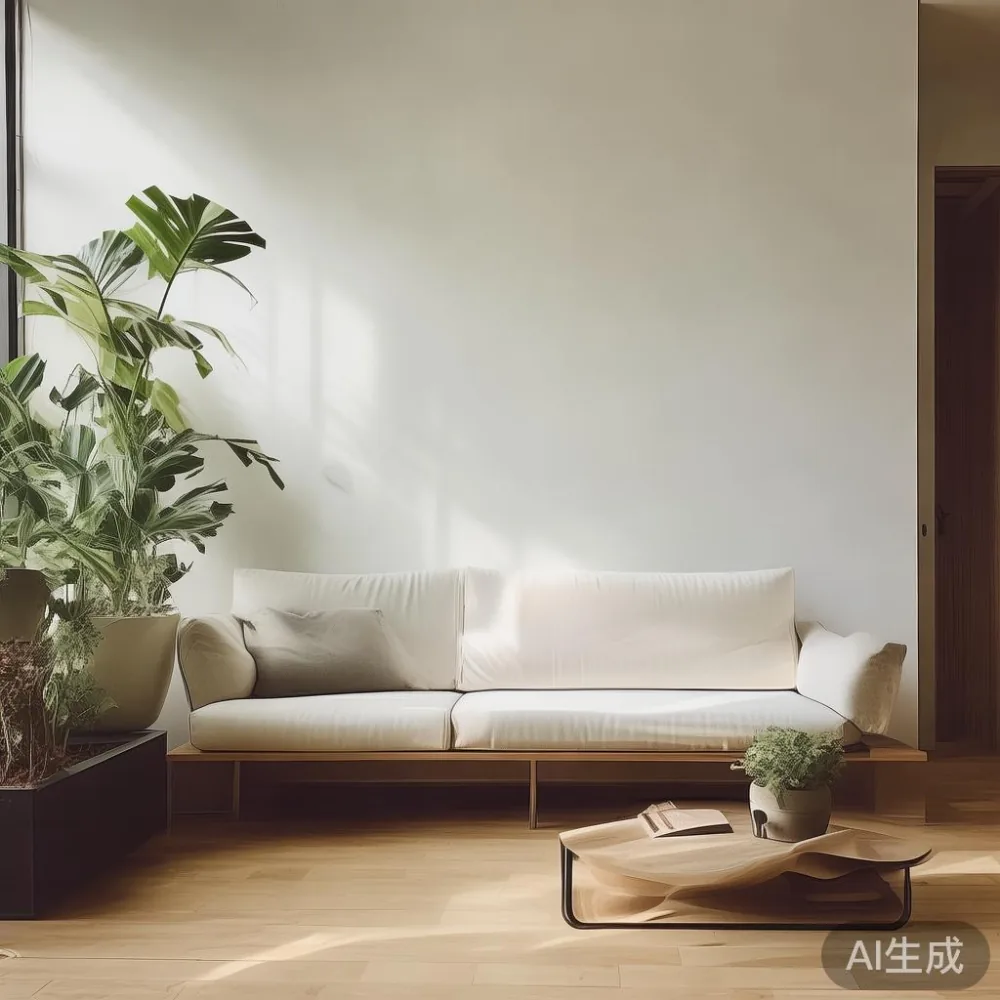
3. Ceiling height is generous but the floor is not. Newer BTOs sit at 2.8 m to 3.0 m floor-to-ceiling, which means you have visual headroom to play with. Most Singaporeans waste it by buying low, blocky pieces that visually sink the room. Minimalist furniture with raised legs restores the sense of volume that 92 sqm deserves.
What is the difference between Italian light luxury accent chair and modern furniture?
An Italian light luxury accent chair is a single, styled seating piece defined by restrained luxury details, slim metal or solid wood legs, neutral-tone bouclé or top-grain leather, and a height around 82 to 88 cm designed to anchor one corner of a room rather than fill it, while modern furniture is the broader design movement of clean lines, honest materials, and functional forms that prioritises proportion and negative space over ornament. The accent chair is one expression of light luxury within that wider movement, not the same thing as it.
In a 90 sqm HDB, one such chair in oatmeal bouclé, paired with a 120 cm round marble table, replaces the need for a bulky loveseat that would dominate the living room. I watched this swap happen in my colleague's Punggol unit: a 2.2 m sofa went out, an Italian light luxury accent chair and a slim 140 cm solid wood console came in, and the room gained a usable reading nook for one adult and a toddler.
Light luxury, whether French, American, or post-modern light luxury in direction, shares a common rule: spend on fewer pieces, make every visible material (wood grain, marble veining, brushed brass) worth reading at close range. That is the opposite of filling a 4-room flat with seven mid-priced items that all fight for attention.
The 7-piece rule for a 4-room HDB that actually breathes
For a standard 4-room flat (three bedrooms, one living, one dining), seven well-chosen pieces are enough. Anything beyond that is storage furniture, not styling.
1. One solid wood sofa, three-seater, around 210 cm. Stick to a seat height of 42 to 45 cm and a depth under 90 cm. Solid wood sofa frames add 8 to 12 kg of weight versus plywood but last 15+ years and can be refinished twice in a lifetime. MIDHILL ships one such frame directly from Foshan with a 10-year structural warranty, which is meaningfully longer than the 3-year industry floor.
2. One bed frame per bedroom, queen preferred over king. A queen at 152 x 188 cm leaves 60 to 80 cm of walking room on each side in a typical 3.2 m x 3.4 m bedroom. A king at 183 x 212 cm eats 40 cm of that on both sides and forces the wardrobe to compress.
3. One dining table, 130 to 150 cm, four to six seats. For a daily-use family of four, a 140 cm solid wood table with a single pedestal base opens up two extra chair positions versus a four-leg base. Round tables save corner fights in compact dining areas.
4. One wardrobe per bedroom, under 60 cm deep. Anything deeper steals corridor width and light. Sliding doors cut the swing clearance entirely.
5. One nightstand each. Slim 40 cm units with one drawer are enough. A wireless charger pad on top removes cable clutter.
6. One marble table accent, round, 50 to 60 cm. A round marble table at that size tucks beside any seat and works as a laptop surface, a tea tray, or a plant stand.
7. One media console, low and wide, under 40 cm tall. A 160 cm solid wood console keeps the TV at a 95 to 105 cm sightline from a 3 m seating distance.
That is seven pieces. Everything else should either fold, stack, or hide inside one of them.
How much should a Singaporean budget for a complete 4-room flat of minimalist furniture?
A realistic Singapore budget in 2025 sits between SGD 4,800 and SGD 9,200 for all seven pieces, before GST, plus roughly 9% GST on the landed CIF value for personal import. Anything below SGD 4,800 is engineered wood dressed as solid wood; anything above SGD 12,000 enters Italian-import territory where the same aesthetic becomes accessible from Chinese mills that have studied the Italian playbook for two decades.
A working breakdown for one Tampines 4-room:
- Solid wood sofa, three-seater, oak or ash: SGD 1,400 to SGD 2,200
- Bed frame, queen, solid wood: SGD 700 to SGD 1,100
- Dining table, 140 cm, four to six seats, solid wood: SGD 900 to SGD 1,500
- Wardrobe, 180 cm, sliding doors: SGD 1,100 to SGD 1,800
- Nightstand x 2: SGD 180 to SGD 320 each
- Marble table accent, round: SGD 350 to SGD 600
- Media console, 160 cm, solid wood: SGD 600 to SGD 950
Add delivery at SGD 120 to SGD 220 per trip for two trips total, and the landed cost lands around SGD 5,200 to SGD 8,900 before GST. MIDHILL's free shipping threshold of US$350 (about SGD 470) clears on a sofa+table order alone, which removes one of the usual line items. Refinishing is free for the lifetime of the piece, so the 10-year cost of ownership sits well under what a typical particleboard set burns through in two replacement cycles.
How long does delivery actually take from Foshan to a Tampines flat?
Door-to-door shipping from a Foshan factory to a Singapore HDB runs 18 to 28 days by sea, plus 3 to 5 days for Singapore Customs clearance and last-mile delivery. Air freight cuts this to 8 to 10 days but adds SGD 380 to SGD 650 per cubic metre, which only makes sense for a single small piece such as a nightstand.
Two practical notes from local experience:
1. Always lift the dimensions against your block's lift. Confirm the lift depth and door width with your Town Council before ordering anything over 2 m in length. The single biggest reason for delivery-day delays in Punggol and Bedok is a sofa that physically cannot enter the lift.
2. Order the wardrobe last. Wardrobes have the largest carton footprint and the most variables. Confirm everything else first, then schedule the wardrobe delivery two weeks later. Any 14-day return on other pieces still gives you time to assess the room before the big item arrives.
What styling moves make a small flat feel open without renovation?
Five moves, each backed by a measurement:
1. Raise every piece onto legs. A solid wood dining table on a 28 cm leg gap versus a floor-hugging base increases visible floor by roughly 0.6 sqm. The eye reads floor space, not room dimensions.
2. Keep the colour palette to three tones. One warm wood, one neutral (oatmeal, warm grey, off-white), and one darker accent. Most Singapore small flats lose calm because six finishes compete. Minimalist furniture in a tight palette lets the architecture do the work.
3. Use a round marble table in the soft corner. Round shapes break sight lines in rectangular rooms and remove the corner-bruise risk in narrow walkways.
4. Hang curtains ceiling to floor. Standard Singapore HDB windows are about 1.2 m tall. Mounting the rod 10 cm below the ceiling and dropping the curtain to within 2 cm of the floor adds 35 to 50 cm of perceived window height.
5. Pick one statement light per room. A 60 cm pendant at 1.4 m above a dining table replaces four downlights and adds vertical drama a flat ceiling cannot.
Which solid wood species hold up in Singapore humidity?
Singapore sits between 70% and 90% relative humidity for most of the year. Not all solid wood welcomes that.
Good choices: White oak (700 to 750 kg/m³, stable), ash (660 to 700 kg/m³, flexible), teak (630 to 720 kg/m³, naturally oily), rubberwood (560 to 640 kg/m³, widely used across Malaysian and Foshan factories).
Acceptable with care: Walnut (600 to 660 kg/m³, accepts a humid climate if sealed on all sides).
Avoid for large panels: Pine and beech. They move 4 to 6 mm across a 1.5 m tabletop in monsoon season and tend to crack at the joints.
A solid wood dining table or bed frame in oak or ash will outlast the flat's lease cycle. Ask for kiln-dried timber with moisture content between 8% and 12%, and request two-stage finishing (sealer plus topcoat) on the underside as well as the top.
Do I really need a sofa, or can an accent chair carry a small living room?
For a 4-room HDB living room under 18 sqm, a single three-seater sofa plus one accent chair covers seating for four without the visual weight of a sofa-and-loveseat pair. If the household is two adults without frequent guests, the accent chair route is also valid: two Italian light luxury accent chairs around a 90 cm marble table create a conversational zone that reads lighter than any sofa combination, and frees the floor for a 120 x 70 cm rug that visually widens the room.
The trade-off is guest hosting. A three-seater will seat three visitors; two accent chairs seat two. For most young couples in Punggol and Bedok, two visitors is the realistic ceiling anyway, so the lighter setup usually wins.
Where can a Singaporean buy minimalist furniture with proper warranty and return terms?
Local options break into three tiers:
Mass-market furniture chains dominate Singapore with frequent sales but mostly stock engineered wood with 1 to 3 year warranties and no refinishing service.
Local design studios offer premium builds at SGD 12,000+ for a full 4-room set, often with strong lead times of 8 to 14 weeks.
Direct-from-Foshan makers, including MIDHILL which has exported to 15+ countries since 2008, sit in the middle: solid wood frames, 10-year structural warranty, lifetime refinishing, free shipping above US$350 (around SGD 470), and a 14-day return window. Their pricing lands 30% to 45% below Singapore studio pricing because the showroom, the warehouse, and much of the retail margin are removed.
For a Singaporean buyer who can wait 18 to 28 days for sea freight and measure a lift before ordering, this tier tends to deliver the best balance of material quality and total spend.
What should I measure before clicking order on a wardrobe or sofa?
Five measurements to take with a tape measure and a phone camera:
1. Lift depth and door width at your block, taken at the narrowest lift bank (not the cargo lift, which residents cannot always book).
2. Corridor width from lift lobby to your unit door, including any 90° turns.
3. Front door width once the security grill is open.
4. The room's longest uninterrupted wall, minus 40 cm for circulation.
5. Window sill height if the piece will sit beneath a window. Most HDB sills sit 1.0 m above the floor; a wardrobe taller than 1.0 m will block light.
Photograph each measurement with a tape in frame. Send the photo set to the supplier. Any reputable Foshan maker will redraw the delivery plan if a piece will not fit. Last month a Tampines buyer I spoke with caught an 8 cm clearance error on a planned wardrobe using nothing more than this photo checklist and saved himself a failed-delivery fee of SGD 180.
Quick checklist before you order
- Measure the lift, the corridor, and the front door. Photograph each.
- Pick the seven pieces above. Anything beyond that is storage, not styling.
- Choose solid wood over engineered wood whenever the piece will see daily use.
- Keep the palette to three tones: one warm wood, one neutral, one dark accent.
- Raise everything onto legs to maximise visible floor.
- Round shapes for accent pieces, especially the marble table.
- Plan 18 to 28 days from order to doorstep, plus a buffer for customs clearance.
- Confirm the warranty covers the frame for at least 10 years and includes refinishing, not just replacement.
- Sanity-check the 14-day return terms in writing, including the pickup responsibility.
- Order the wardrobe last, after every other piece has been placed and lived with for a week.
Small flats in Tampines, Bedok, and Punggol do not need smaller furniture. They need correctly proportioned minimalist furniture built from honest materials, paired with the discipline to stop adding once the room is functional. Done well, a 92 sqm four-room flat can feel as open as a 130 sqm resale unit, with half the visual noise and a fraction of the long-term cost.