Minimalist Apartment Styling in Singapore
Small apartments in Tampines, Bedok and Punggol can feel surprisingly generous when every piece has a clear job. The difference between a calm home and a crowded one is rarely the total amount of furniture. It is the relationship between furniture width, circulation space, visual weight and storage. A 180 cm sofa can work beautifully in a 3-room HDB flat, while a 220 cm sofa may block the route from the lift lobby to the front door. A compact dining table can become the centre of daily life, and a slim wardrobe can keep a bedroom orderly without making the room resemble a storage facility.
This guide uses practical measurements for Singapore homes, including common HDB corridor widths, lift-door clearances and the 900 mm circulation target that allows a person to walk through comfortably. The aim is not to fill every gap. The aim is to create a home that feels light, useful and personal, with enough breathing room for a 6 pm meal, a 22-inch television and a quiet Sunday morning.
How much space should you leave between furniture in a small apartment?
Start with the route people use most often. In a typical HDB flat, the lift opens onto a common corridor often around 1.2 to 1.5 m wide, before the private corridor narrows to approximately 1.0 to 1.1 m. Furniture should never be measured against the idea of an empty showroom. It should be measured against the actual route from the lift to the front door, then from the entrance to the kitchen, bathroom and bedrooms.
As a rule, leave at least 60 cm beside a sofa or bed where a person needs to pass. A gap of 75 cm is more comfortable for a daily route, while 90 cm gives a wheelchair or walking aid more turning space. In a living room, keep the main walking lane at 80 to 90 cm wide. In a dining area, allow 70 cm behind each seated person and 90 cm between the table edge and the nearest wall if possible. These figures are not decorative details; they determine whether the apartment feels relaxed or compressed.
Last month I visited a family in Punggol whose living room looked crowded despite owning only six main pieces. We measured the room together: the sofa was 210 cm wide, the coffee table was 110 cm long and the television cabinet projected 42 cm into the space. The immediate fix was not to buy everything new. We moved the cabinet into a 38 cm deep recess, replaced the large coffee table with a 90 cm round version and used a 150 cm slim console along the side wall. The room was 4.2 by 3.5 m, and the new arrangement created a continuous 86 cm passage from the entrance to the balcony door.
This experience is a useful reminder that footprint matters more than style. A room can contain a solid wood sofa, bed frame, dining table, wardrobe, nightstand and marble table, yet still feel crowded if each item claims too much floor area. Conversely, 6 carefully chosen pieces can make a 28 sqm studio look composed.
What makes minimalist furniture work in Singapore homes?
Minimalist furniture is defined by proportion, restrained detail and honest materials, not by a single colour palette. For Singapore interiors, solid wood is especially useful because its warm grain softens the hard surfaces common in HDB flats and condos. A light oak or ash solid wood sofa brings natural texture without the visual weight of a heavily upholstered model. A simple bed frame with a 10 cm headboard keeps the bed from pressing visually against the wall.
Think of minimalist furniture as a set of measured layers. The largest layer is the sofa or bed frame. The middle layer includes the dining table and wardrobe. The final layer is the smaller pieces: a nightstand, marble table, lighting and storage boxes. Each layer should have enough contrast to be noticed, but not so much contrast that the room begins to feel busy.
French light luxury is particularly compatible with this approach. It favours curved edges, pale upholstery, tactile fabrics and a small number of refined objects rather than crowded display shelves. American light luxury often leans toward clean-lined upholstery, practical storage and comfortable proportions. Post-modern light luxury can add one distinctive shape, such as a sculptural lamp or an oval marble table, while keeping the rest of the composition controlled. Choose one direction for each room instead of mixing several languages in a 25 sqm space.
For a local condo, the same discipline applies. A pale solid wood dining table with a 140 cm top can seat 4 people and leave space around it. A 160 cm table can seat 6, but in a room narrower than 3.2 m, it may need careful placement. The table should not be too close to the wall, and the chairs should be able to slide back without hitting a cabinet. A round dining table with a 120 cm diameter is a sensible choice for 4 people because it removes sharp corners and improves movement around the perimeter.
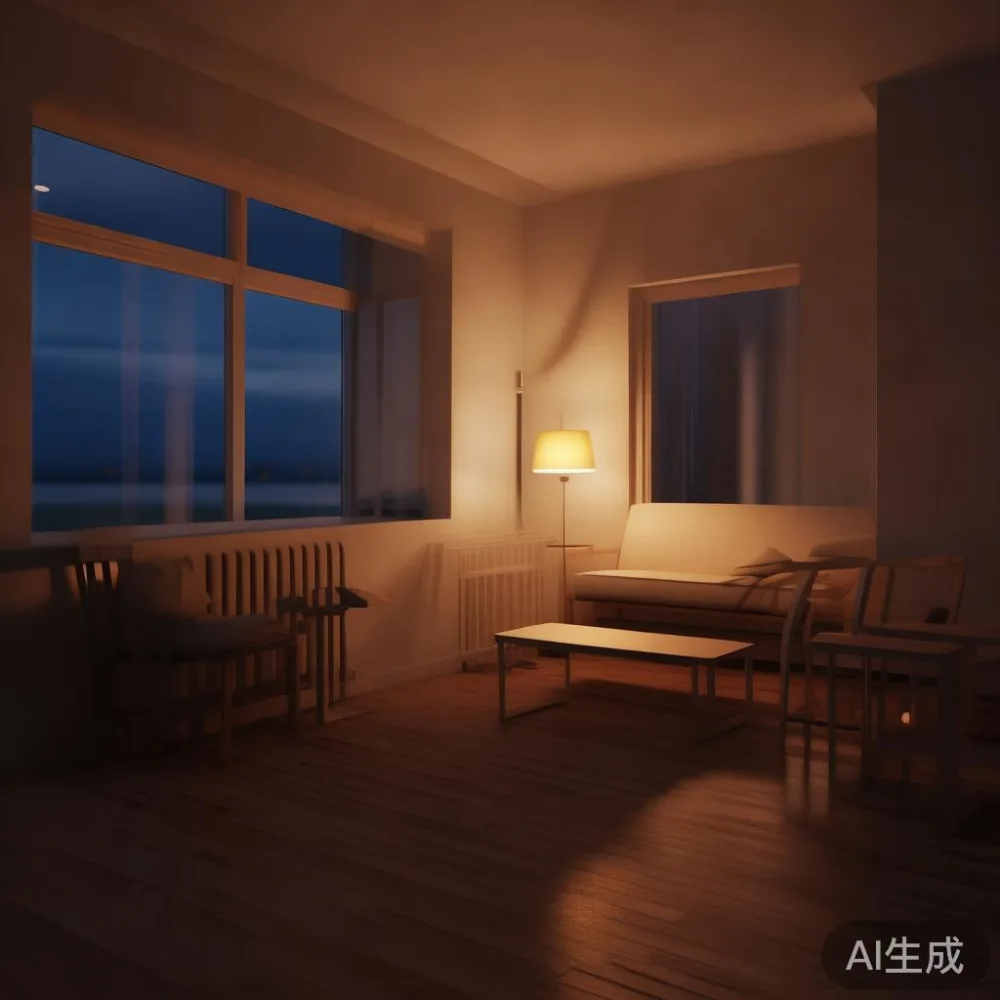
One local point is lighting. Singapore's humid climate makes layered lighting practical as well as atmospheric. Use 1 ceiling fixture, 2 wall lights or 1 floor lamp per 8 to 10 sqm, and choose warm white bulbs around 2700K to 3000K. In a bedroom, a reading lamp with 400 to 600 lumens is enough for a bedside book. In a living room, 1,200 to 1,500 lumens from several sources will make the space feel more open than a single bright 2,000-lumen fitting.
Can a solid wood sofa fit in a compact HDB living room?
Yes, but the sofa should be chosen from the outside in. Measure the room at its widest usable point, then subtract 10 to 15 cm for door swing, balcony access and electrical points. A sofa between 160 cm and 190 cm wide is often suitable for a 3-room HDB living room. A 200 to 220 cm sofa can work in a larger unit or a condo with an open living and dining area, provided the room has at least 3.5 m of usable width.
Seat depth also affects the feeling of space. A 55 to 58 cm deep seat supports ordinary sitting while preserving a 35 to 40 cm circulation strip behind it. A 65 cm deep sofa feels generous, yet it reduces the route between the sofa and the dining area. Arms that project 12 to 15 cm beyond the seat frame should be included in the measurement. Low backs around 75 to 85 cm high create a lighter visual profile than a 100 cm upholstered back.
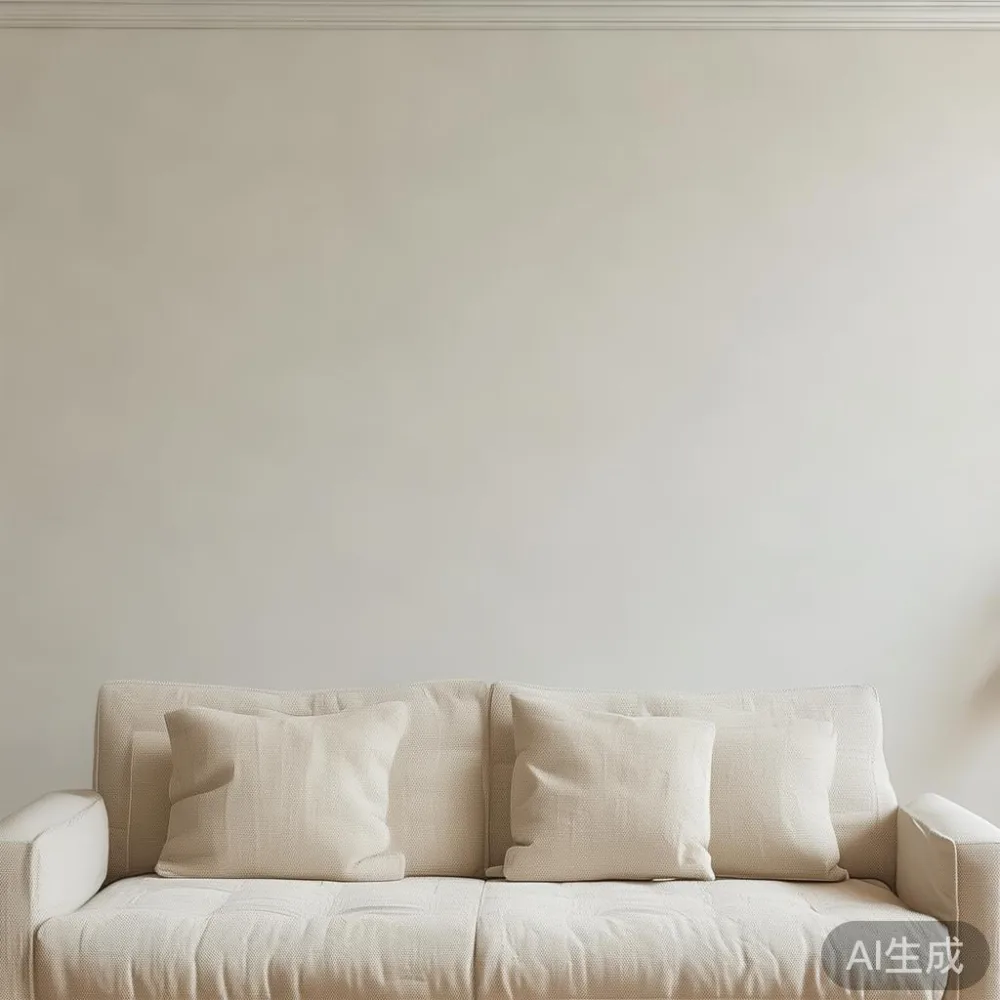
When people ask how to style light luxury sofa in apartment, I recommend choosing the sofa first, then building the room around it. A cream or warm-grey solid wood sofa with a raised timber base can sit beside a 90 cm round coffee table. Keep the distance between the sofa and table between 35 and 45 cm. That gap allows a tray, a cup and a pair of remote controls without making the centre feel congested.
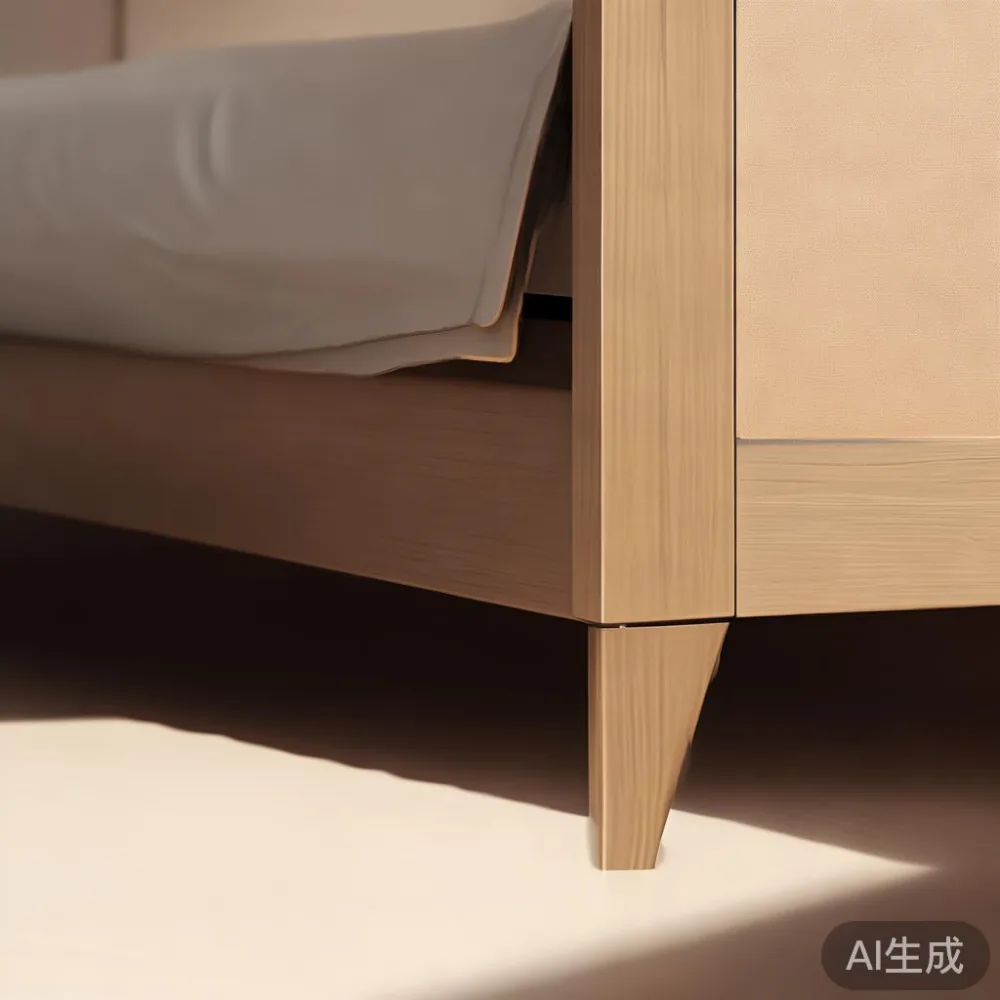
For local conditions, select a removable seat cover, washable woven fabric or performance upholstery with a stain-resistant finish. Solid wood frames should be finished with a low-sheen coating, and the feet should be 15 to 18 cm high so the sofa appears slightly lifted from the floor. Do not place a large rug in a very narrow room unless at least 20 cm remains visible on each side. In a 2.8 m wide living area, a 160 by 230 cm rug can visually join the sofa and chairs, while a 200 by 300 cm rug may swallow the floor.
What is the most useful way to arrange a small dining area?
The dining table is often the piece that makes an apartment feel either generous or crowded. Begin with the wall or window you want to use as the centre line, rather than pushing the table into the middle of the room. A 140 by 80 cm rectangular solid wood dining table works well against a wall for 4 people. A 160 by 90 cm table is more suitable for 6, provided there is at least 75 cm of movement around the chairs. A round 120 cm table can seat 4 and is easier to use in a narrow dining zone.
There is also an attractive reference point for Boho for dining room styling: woven textures, hand-shaped ceramics and a warm pendant can make a compact setting feel collected over time. Keep the approach measured. One woven runner, 2 ceramic vessels and a single plant are enough. Avoid 5 different patterned cushions around a table that already has visible grain. For a 3.2 by 2.6 m dining nook, a pendant hung about 65 to 75 cm above the tabletop creates a clear centre without lowering the visual ceiling.
A sideboard can provide valuable storage, but only if its depth fits the route. Choose a unit 35 to 40 cm deep, with a width of 120 to 160 cm for a 4-person dining area. Leave 5 cm between the sideboard and the wall for cable management, or use a 45 cm gap if the sideboard contains a drinks fridge. If the dining area shares a wall with the kitchen, a 140 cm sideboard can hold plates, glasses and a compact 45 cm coffee machine while keeping the worktop clear.
French sofa vs Italian light luxury sofa is a comparison that can be useful when a living room needs to connect with the dining zone. French styling tends to introduce relaxed upholstery and curved forms, while Italian-inspired pieces often show sharper geometry, refined timber details and a more architectural outline. The best choice for a small apartment is the one that repeats at least 2 shapes from the dining table or sideboard, creating continuity rather than collecting isolated statements.
How can a wardrobe and nightstand make a bedroom feel calmer?
Bedroom storage should be planned around the bed's actual location. In a typical 3-room HDB bedroom measuring 3.2 by 3.0 m, a 150 cm queen bed can be placed against the longest wall, leaving 85 cm on one side and 85 cm on the other if the room width is 3.2 m after skirting and door clearances. A 180 cm king bed leaves only 70 cm on each side in that width, which is usable but tight for daily movement.
A fitted or semi-fitted wardrobe should extend from floor to ceiling when the room needs every centimetre. An open wardrobe 60 cm deep can work if the bedroom is 9 sqm or larger, but a 55 to 58 cm depth is more efficient for folded clothing and sliding doors. Sliding doors save about 60 cm of swing space compared with hinged doors, a meaningful gain in a narrow bedroom. Keep the wardrobe face 5 to 8 cm away from the side wall when the hinges or sliding mechanism needs servicing.
The nightstand should be small enough to disappear into the composition. A 40 by 35 cm solid wood nightstand fits beside a queen bed, while a 45 by 38 cm unit suits a king bed. The top should be around 50 to 58 cm above floor level for easy reach. Leave 5 to 10 cm between the bed frame and nightstand, or use a narrow 25 cm shelf if there is no space for a traditional unit.
Light luxury for office is relevant even when the office is a bedroom corner. A compact 120 cm desk with a 55 cm depth can hold a 24-inch monitor, a laptop and a lamp without making the corner feel like a separate office. Add a 35 cm wide wall shelf above it, provided the desk is 70 cm or less deep and the shelf is installed securely. A natural oak finish, a 2700K task lamp and one closed storage box can make a 1.2 by 1.4 m work zone feel intentional.
In a condo bedroom with a larger window, use the light rather than adding more furniture. Keep curtains 15 to 20 cm wider than the window frame and 5 cm above the floor. A low bed frame around 25 to 30 cm high lets daylight continue across the lower wall. For a wardrobe, avoid glossy mirrored fronts if the room receives strong afternoon sun; they can reflect glare onto the bed. Matte or lightly reflective surfaces usually create a calmer feeling.
Which small accessories make a room feel less crowded?
Accessories should occupy vertical space and useful surfaces, not every open patch of floor. Group items in odd numbers of 3 or 5, with one dominant object. A marble table with a 45 cm diameter works as a living-room centrepiece, while a 35 cm side table can sit beside a chair. Keep the top of either table to 2 or 3 objects: a bowl, a small stack of 2 books and a lamp are enough.
For a living room narrower than 3 m, use slim tables instead of a large conventional coffee table. A 90 cm round table encourages circulation in every direction, and a 60 cm diameter version can sit beside a compact chair. A 25 cm wide console gives space for a lamp and a 3-branch vase, but it should not block a doorway. In a corridor, keep the shallowest surface under 20 cm deep if the private passage is below 1 m wide.
Plants help soften hard HDB surfaces, but choose them according to light and watering habits. A 90 cm tall plant in a 25 cm pot can create a vertical accent beside a sofa, while a 40 cm plant on a shelf can bring life to a nightstand. Avoid placing a broad-leaf plant directly beside a 30 cm passage if leaves extend into the route. For a living room with less than 4 hours of indirect light, a pothos or ZZ plant can tolerate the conditions more reliably than a fiddle-leaf fig.
Use colour in controlled doses. A neutral base of warm white, sand, pale timber and soft grey can carry 70 percent of the room. Add 20 percent through upholstery, bedding or curtains. The remaining 10 percent can be a muted green, rust or blue accent. This is a practical way to create light luxury without making a small flat look like a showroom. A French-inspired cushion, a woven throw and a ceramic vase can deliver the texture; the solid wood frame provides the structure.
Searches for sale Modern furniture often bring up very large statement pieces, so measure before buying. A product listed at 220 cm wide may be too broad for a living room with a 3 m usable length, even if it looks attractive online. Check the delivered dimensions, the packaging dimensions and the assembly method. A flat-pack item can be 205 cm long but arrive in 3 boxes of 120 cm, which matters for lift access.
What should you check before ordering furniture for a Singapore flat?
Measure the lift and the route before ordering anything larger than 100 cm. In many older HDB blocks, the lift car measures roughly 1.1 by 1.4 m, while the entrance door may be around 0.9 m wide. Newer lifts and private condos can be larger, but a furniture package may still need to turn through a 1.0 m corridor. Ask the supplier for the longest and widest carton dimensions, not only the assembled size. Allow at least 5 cm of clearance when a carton must turn through a doorway.
Delivery timing should be realistic. A made-to-order piece may take 30 to 45 days, while a standard item can take 7 to 14 days. Add 2 to 3 days for local delivery and assembly in dense areas such as Tampines or Bedok. If a lift renovation is scheduled, arrange a delivery buffer of 5 days and confirm the new access date with the building management office.
Price comparisons should include GST and delivery. In Singapore, GST is currently 9 percent, so a table listed at SGD 1,200 before tax becomes SGD 1,308. Delivery may add SGD 30 to SGD 120 for a normal local order, with extra charges for carrying a package above 20 kg or above 2 m. Some furniture suppliers absorb delivery above a threshold, while others quote it separately. Check whether the stated price includes assembly and whether returns require the original packaging.
MIDHILL's 10-year structural warranty and lifetime refinishing service make sense for long-term planning, especially when a solid wood bed frame or dining table will stay in the family home for 8 to 12 years. The company was established in 2008 and exports to more than 15 countries, which gives its production experience a useful international context, but the practical specification remains local: clear dimensions, a measured delivery plan and a finish suited to Singapore's humidity.
Return policies are also part of the styling decision. A 14-day return window can reduce the risk of a colour mistake, yet it is better to order samples or request finish photographs before committing. For a white or pale solid wood finish, compare it under the actual bedroom light at 10 am and 7 pm. A tone that looks warm under LED lighting can appear grey beside a cool wall.
How can MIDHILL furniture suit a small apartment?
MIDHILL's catalogue is most relevant to small homes when pieces are selected as a coordinated family rather than as isolated purchases. A 170 cm solid wood sofa, a 140 cm dining table and a 150 cm bed frame can share one wood tone and one set of proportions. The result is more coherent than buying a different design for every room. A modest bedroom can use a 40 cm nightstand, while a living room can use a 120 cm TV console to hold the television, router and audio equipment without consuming a whole wall.
The MIDHILL TV console should be measured against the television and the wall. A 120 cm console is suitable for a 43 to 50-inch television, with about 15 cm of surface space on each side. A 160 cm console suits a 55 to 65-inch screen, but only if the room's main route remains clear. A low 40 cm depth gives enough space for cable boxes and a soundbar while preserving circulation.
Keep the console's visual load low. One lamp, a framed print or a single ceramic object is enough. The cabinet can conceal cables and remotes, reducing the number of small items visible from the lift lobby. This is a major advantage in a compact flat: storage is not hidden away entirely, but it is given a disciplined place.
For shoppers comparing Vintage for small living room ideas with contemporary solid wood furniture, focus on the balance between patina and clear space. A vintage chair can be the one expressive object in a 4 by 3.5 m living room, while a modern solid wood sofa and low console keep the room grounded. Check that the chair seat is 42 to 46 cm high, the room has a 75 cm route around it and the vintage item does not require a large display cabinet.
Finally, buy in a sequence that prevents temporary crowding. Measure first, order the largest piece second, then allow 2 to 3 weeks for the room to settle before adding the rest. A practical order for a small apartment is: sofa, bed frame or wardrobe, dining table, TV console, then nightstand and marble table. This order creates the main visual anchors before smaller pieces begin to compete for attention.
The most comfortable small apartment is not the one with the fewest objects. It is the one in which every object has enough space around it to be used. A 160 cm sofa, a 120 cm dining table and a 50 cm nightstand can support a full life when the circulation gaps remain generous. With measured widths, restrained finishes and a few meaningful details, a 25 to 40 sqm home in Tampines, Bedok, Punggol or a Singapore condo can feel generous rather than crowded.