Lacquered Minimalist Furniture in a Tropical Home: Care Without Compromise
Humidity is part of daily life in Singapore, but it should not dictate how a carefully proportioned living room feels. Lacquered minimalist furniture can remain calm and refined in an HDB flat or condo, provided the finish is protected from heat, moisture, and mechanical wear. Singapore’s lifted condensation is less dramatic than a monsoon, yet constant dampness, polished floors, direct sunlight, and tightly sealed air-conditioning can affect lacquer just as surely as spilled water.
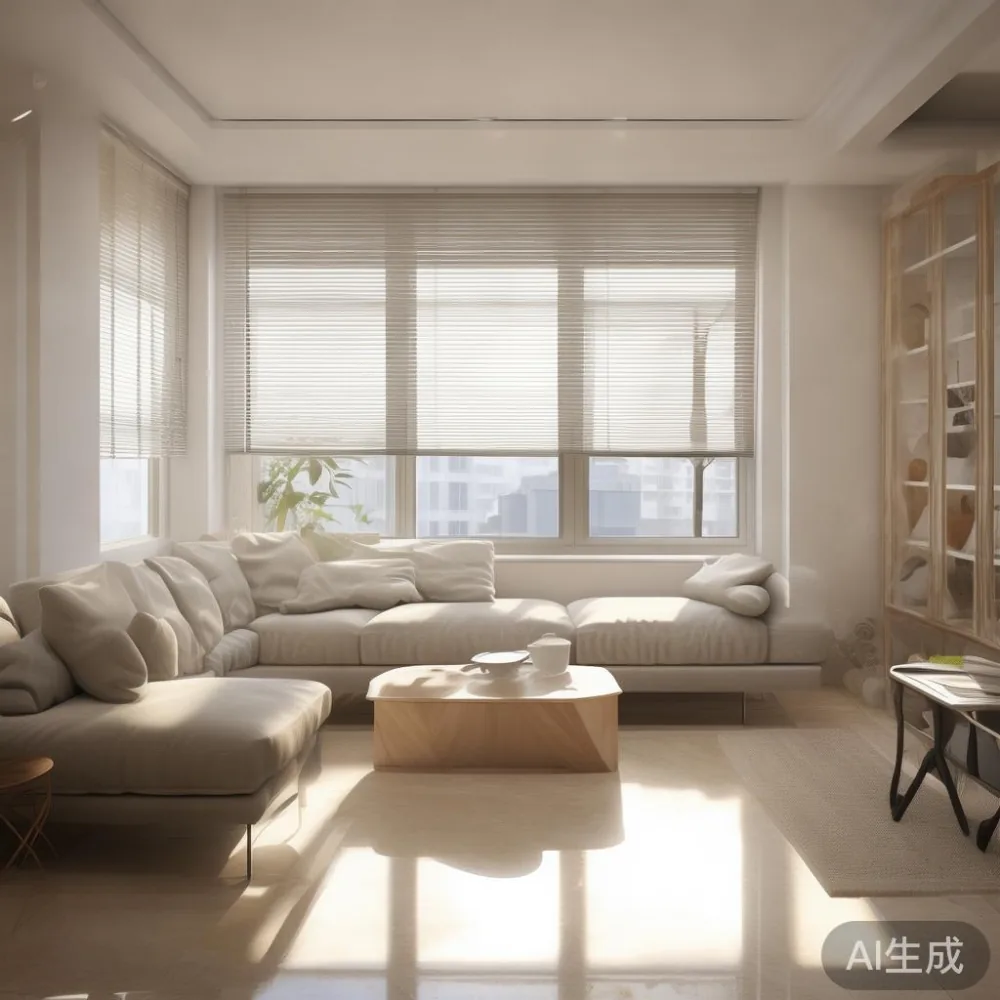
MIDHILL designs lacquered pieces around practical dimensions and enduring materials, including solid wood sofa frames, bed frames, dining tables, wardrobes, nightstands, and marble tables. The brand has manufactured furniture since 2008, exports to more than 15 countries, and backs its solid wood structures with a 10-year structural warranty. Lifetimes matter here: a finish that can be maintained should not be treated as disposable decoration.
How should lacquered furniture be cared for in Singapore’s humidity?
The answer is controlled routine rather than constant intervention. Keep lacquered surfaces away from persistent condensation, use coasters and placemats, clean spills promptly, and inspect the finish every 3 months. Do not open windows immediately after running an air-conditioner, because humid outdoor air entering a cooled room can condense on timber and lacquer.
For a typical Tampines or Bedok HDB flat, aim for indoor relative humidity between 45% and 60%. A compact digital hygrometer placed near the dining table costs about SGD 18 and gives a clearer reading than a weather app. In a Punggol condo near the coast, sunlight can be intense enough to fade a finish even when humidity is controlled. UV-filtering curtains or blinds with a visible light transmission below 10% are more useful than thin decorative sheers.
Lacquer is a surface treatment, not a shield against every household chemical. Avoid alcohol-based glass cleaner, ammonia, bleach, and “spray and wipe” products sold for multi-purpose cleaning. Their residue can dull gloss or leave a hazy film. Mild pH-neutral soap and a soft microfibre cloth are more suitable.
What makes lacquer different from untreated solid wood?
Solid wood naturally moves as temperature and humidity change. A well-made bed frame or dining table accounts for that movement through sound joinery, while lacquer adds a protective layer over the prepared timber. The appearance depends on the lacquer system: a high-gloss finish reflects light sharply, a satin finish softens it, and an open-pore oiled surface retains more visible grain.
Light-luxury design depends on that distinction. A French light luxury palette often pairs pale oak, cream textiles, and restrained brass details with a muted lacquer finish. American light luxury leans toward clear, tactile surfaces, balanced proportions, and understated comfort. A post-modern light luxury room may use lacquer as a controlled counterpoint to natural stone and solid wood.
For example, an Italian light luxury coffee table may use marble for the top and a lacquered solid wood base, creating contrast without visual clutter. Its care routine differs at the top and edge: water rings belong on the protected stone, while lacquer should not be soaked. A light luxury TV console needs ventilation behind it and enough clearance from the wall—about 8 cm—to allow cable management and surface inspection.
What temperature and humidity should I maintain around lacquered furniture?
Keep the room between 22°C and 27°C where possible, and avoid rapid changes of more than 5°C in an hour. During Singapore afternoons, outdoor surfaces can exceed 32°C. A wardrobe placed against a west-facing balcony wall may therefore experience repeated heat loading even though the air-conditioned room reads 25°C.
Leave 5 cm between tall furniture and the wall when the layout permits, especially for a wardrobe. This improves airflow and makes it easier to check for mould, insects, or finish changes. It also helps during HDB corridor moves: a 180 cm wide wardrobe with protective wrapping can still be awkward in corridors narrower than 110 cm, so measure the lift, turning corners, and door opening before delivery.
Do not aim to “season” lacquer by exposing it to harsh weather. Lacquer is not a marine coating, and a rainy loading can enter tiny seams. For a solid wood sofa or bed frame, the same principle applies to timber components: moderate indoor conditions protect them more effectively than periodic dampness and drying.
How do I clean lacquer without scratching or dulling it?
Start with a dry, clean microfibre cloth. If the surface is dirty, mix 1 teaspoon of mild dish soap with 500 ml of lukewarm water, dampen the cloth rather than the furniture, and wipe in the direction of the grain or finish. The cloth should be damp, not dripping. Dry immediately with a second soft cloth.
Spills need attention within 5 minutes. Blot rather than scrub, and do not drag grit across the lacquer. For fingerprints on a satin cabinet, a clean cloth lightly dampened with the same soapy solution usually removes them. Avoid abrasive pads, even those marked “non-scratch”; trapped particles can still create fine marks.
Move decorative objects rather than sliding them. Felt pads under vases and table accessories reduce scratches, while silicone or cork coasters protect against rings. Place a 40 cm × 30 cm placemat beneath a hot pot rather than setting the pot directly on lacquer. Heat can cause finish softening or discolouration before visible scorching occurs.
For lacquered nightstands, use a shallow tray for keys, watches, and cosmetics. Keep perfume and nail-polish remover away from the top because a single soaked cotton swab can attack the finish. A marble table should have its own pH-neutral cleaner, particularly if the marble is honed and more absorbent than polished stone.
Can sunlight fade or damage a lacquer finish?
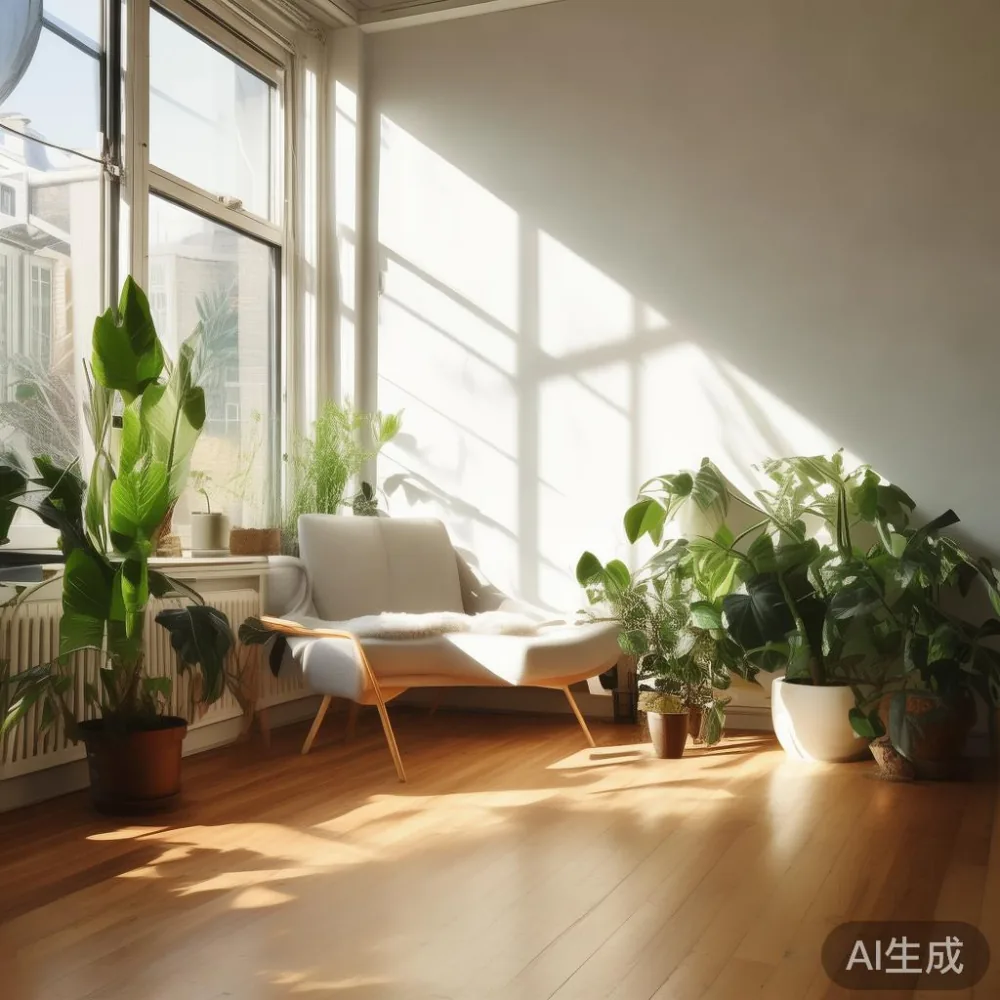
Yes. Repeated UV exposure can fade pigments, weaken clear coats, and create uneven gloss. In a bright Singapore living room, use blinds during the 11 a.m. to 4 p.m. peak, especially for furniture near east- or west-facing windows. If a solid wood dining table sits beside a balcony door, rotate it every 6 months so one panel is not continually exposed.
Measure rather than guess the heat. An infrared thermometer can check a lacquered panel; readings above 30°C warrant moving the item or adding shade. Curtains can reduce UV while retaining daylight, but their effectiveness depends on fabric and weave. Keep the lower edge about 2 cm above the floor to reduce trapped moisture.
Minor marks should be assessed before treatment. A superficial mark may respond to a product approved for that exact lacquer type, while a deep scratch may require professional refinishing. MIDHILL offers lifetime refinishing on qualifying pieces, which makes an early conversation worthwhile rather than masking damage with furniture polish.
How do I care for lacquer inside a wardrobe?
Lacquered wardrobe interiors need airflow. Leave the doors open for 10 to 15 minutes after ironing or showering, and remove damp clothing before storing it for more than 24 hours. In a compact Singapore bedroom, a dehumidifier rated for about 15 to 20 litres per day can maintain a stable room when needed, though it should not blow directly at the wardrobe.
Do not stack damp folded clothes against lacquered rails or back panels. Use moisture-absorbing boxes in closed compartments, but replace them once they become saturated. Keep wool or cotton bedding in breathable cotton bags rather than plastic vacuum bags for long periods.
When evaluating how to choose Italian light luxury wardrobe, examine the interior finish, drawer runners, hanging space, and ventilation gaps—not only the exterior. Also consider how the piece will be transported. A 220 cm tall wardrobe may need partial assembly, and building management may require the delivery slot to be booked 7 days ahead.
How should I move lacquered furniture through lifts and corridors?
Measure the entire route before purchase. Record lift door width, internal depth, internal height, corridor width, and the narrowest turn. For a 200 cm long dining table, the legs may be removable, but reassembly should be planned with the supplier. Leave 10 cm of working clearance around large pieces during handover.
Wrap lacquered surfaces individually with moving blankets and corner protection. Do not tape directly onto the finish; adhesive can lift lacquer when removed. For a solid wood sofa, protect the frame from dragging, lift by the lower structure, and avoid pulling it through a doorway by one arm. A 90 kg three-seat sofa may require 2 people and a furniture dolly rated above 120 kg.
Singapore’s GST is already reflected in displayed consumer prices, but the full amount should be stated on the quotation. Delivery timing also matters. Standard regional delivery may take 7 to 14 calendar days after confirmation, while a scheduled lift booking can add 3 to 5 days around weekends and public holidays. MIDHILL provides free shipping on orders over US$350, and its 14-day returns policy gives customers time to assess a piece in their own rooms.
How do I repair scratches, bubbles, or dull patches?
First identify the problem. A superficial scuff differs from a tear, lifting edge, or trapped moisture blister. Photograph the affected area under daylight, measure it with a ruler, and note the lacquer type if documentation is available. Avoid applying oil, wax, or polish that was not approved for the finish, since incompatible products can make a patch more visible.
For a very small mark, some furniture specialists recommend using an artist’s eraser on the surface, but this is safe only after the manufacturer confirms that the lacquer will tolerate it. Test a 2 cm section first and wait 24 hours before assessing the result. A dull patch may be caused by residue rather than damage; cleaning it properly can restore gloss without any abrasive action.
Lifting lacquer near a joint or a bubble that spreads over 2 cm should not be patched at home. Moisture may be trapped beneath the coating, and sanding can expose the timber unevenly. Seek professional assessment within 1 week, keep the area dry, and avoid using the drawer or door if the movement is affected.
Preventive care remains less expensive than repair. Wipe lacquer every 2 weeks during humid periods, inspect it every 3 months, and treat high-contact areas every 6 months. For a dining table, this may mean a full inspection after 2 rainy seasons. For a bed frame, check the headboard and side ledges, where hands and bedding oils collect.
What makes a lacquered piece suitable for minimalist furniture?
Minimalist furniture depends on proportion, material honesty, and disciplined detail. Lacquer can support that language when the edges are consistent, the surface has controlled sheen, and the base material is not disguised. A solid wood sofa with a slim frame, a bed frame with reduced visual bulk, and a dining table with clean junctions can all fit a compact interior without appearing heavy.
In a 90 sqm HDB flat, furniture often defines several zones at once. A 180 cm dining table may act as a visual anchor, a 120 cm wardrobe can divide storage from sleeping space, and a 45 cm nightstand can hold a lamp and charger without interrupting the wall line. Leave at least 75 cm for main circulation paths and around 90 cm near a dining table for chair movement.
For owners asking is Mid-century modern bed worth it, the deciding factors include the room’s ceiling height, daily access routes, and finish maintenance. A low-profile frame may suit a 2.7 m ceiling but restrict under-bed storage in a 2.4 m room. For anyone considering how to style French wardrobe in apartment, light finishes can reflect daylight and reduce the sense of weight, provided storage remains ventilated.
Similarly, learning how to style European wardrobe in apartment is less about adding decoration and more about preserving breathing room. Push the wardrobe only 3 to 5 cm from the wall if space is tight, use a hygrometer, and keep the area around it dry. For a compact living room, a light luxury TV console with closed cable storage can maintain the minimalist line while concealing power adapters that otherwise create visual noise.
How can I tell when lacquer needs professional attention?
Professional attention is sensible when scratches penetrate the colour layer, gloss becomes uneven across a broad area, edges lift, or a musty smell appears after damp weather. A repair after 2 weeks of neglect may require more work than a repair after 2 days. Keep receipts, finish samples, and maintenance records because they help a refinisher match sheen and colour.
Last month I visited a client’s Bedok condo during an afternoon thunderstorm and inspected a lacquered dining table near a sliding balcony door. The air conditioner was set to 24°C while the outdoor humidity exceeded 85%, and a thin band of condensation had formed on the metal balcony rail about 25 cm from the furniture. The lacquer itself was sound, but the table had been positioned too close to the opening. We moved it 30 cm inward, added a blackout blind, and checked it with a hygrometer for 14 days. The reading stabilized near 52%, and no further dulling appeared. The experience reinforced a simple point: in a tropical climate, placement is part of maintenance.
That approach also applies to a solid wood bed frame and solid wood dining table. Give lacquer good air, stable temperature, and a barrier against accidental contact. Inspect rather than react, clean gently, and use the piece as intended. With sensible care, French light luxury or American light luxury styling can remain clear and composed through Singapore’s heat, humidity, rain, and bright equatorial light.