Lacquered Furniture Care in Singapore’s Tropical Environment
Lacquered furniture can look calm, precise and expensive under Singapore’s apartment lights. It also asks more from its owner than an untreated wooden surface. Humidity, ultraviolet exposure, hand contact, cooking vapour and the tiny scratches left by grit can all affect a glossy finish over time.

For a solid wood sofa, bed frame, dining table, wardrobe, nightstand or marble table, regular care is less about restoring a factory-perfect finish and more about slowing predictable wear. Singapore sits near the equator, with daytime temperatures commonly around 31–33°C and high relative humidity. In an HDB flat in Tampines, a corridor-facing wardrobe may receive almost no direct sun but still face moist air released into the home. A Punggol condo with west-facing glazing creates a different problem: warmer patches of sunlight and stronger fading.
MIDHILL was established in 2008 and exports to more than 15 countries. Its lacquered pieces are built around restrained proportions, useful storage and light-luxury detail. For a local home, that could mean French light luxury in the curves of a solid wood sofa, American light luxury in a generous dining table, or post-modern light luxury in a slim wardrobe with clean hardware. A good care routine protects both the surface and that visual discipline.
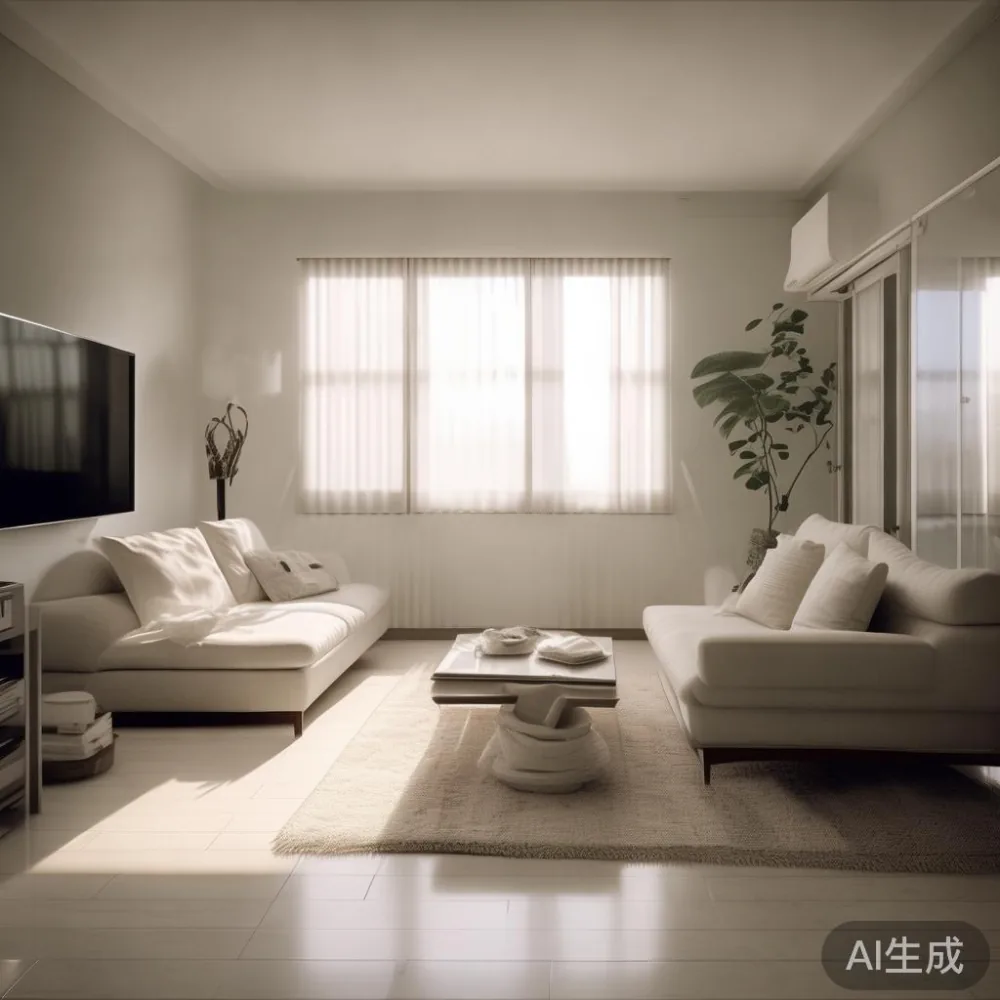
Why does lacquer behave differently in Singapore?
Most decorative wood lacquer is a cured surface coating rather than a thick sheet of solid timber. Depending on the product, it may be polyurethane, acrylic or a water-based system, with several primer, colour and clear coats. The clear coat resists stains and moisture better than unfinished wood, but it can scratch, dull or develop fine marks under repeated contact.
Singapore’s climate makes three conditions especially relevant:
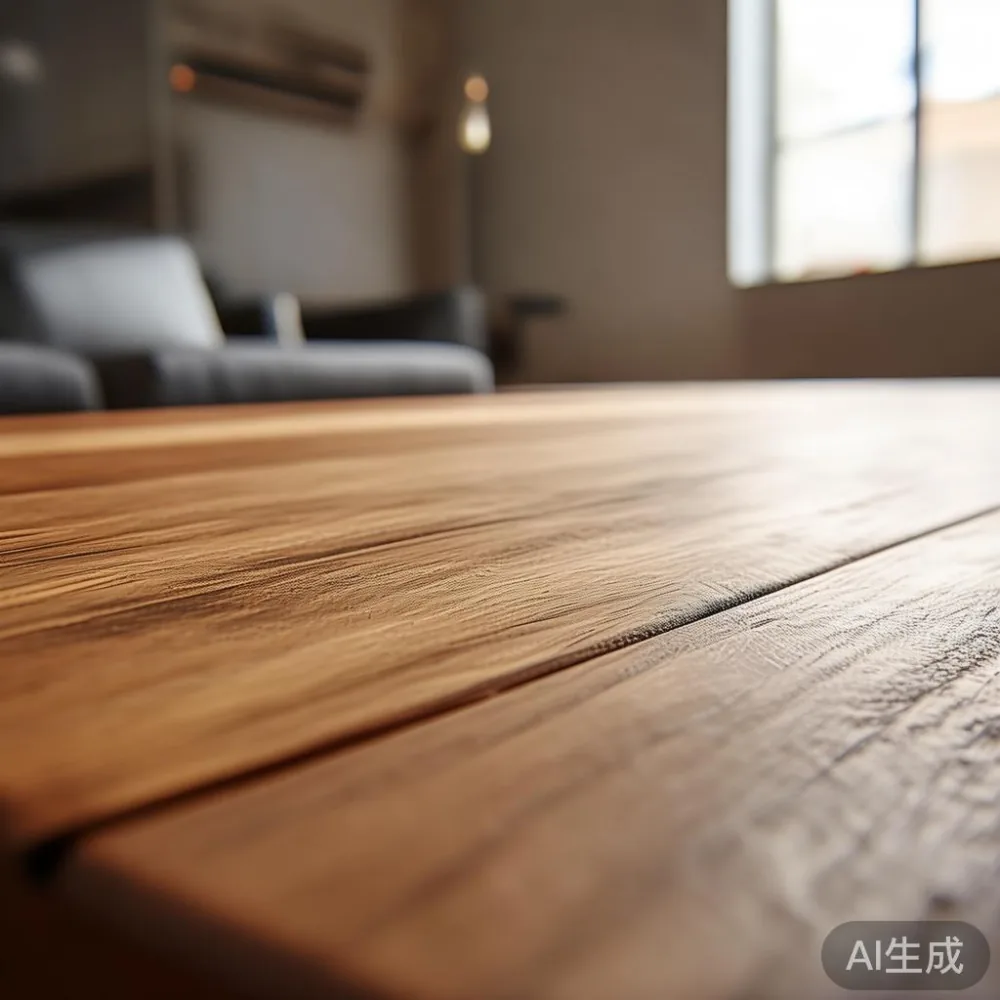
Heat. A cabinet beside a sunny window can reach 38–42°C even when the room is air-conditioned at 26°C. Heat softens some films and makes dirt adhere more readily. Keep lacquered furniture at least 60 cm from windowsills, radiators and exterior walls when practical.
Humidity. Outdoor humidity ranges from roughly 65% to 90% across much of the year. Indoor comfort usually sits around 50–70% relative humidity. Expansion and contraction within a timber substrate can stress a coating over repeated cycles, especially near a sliding door or bathroom entrance. Maintain indoor humidity between 45% and 65% where possible.
Light. Lacquer slows the entry of ultraviolet light, but it does not block it indefinitely. A dark finish in a west-facing room can fade noticeably within 3–5 years. Curtains, blinds and UV-resistant film reduce exposure without making the apartment feel closed in.
Lacquer also needs different cleaning rules from stone. A wipe that seems harmless on a solid wood dining table may leave a film on a high-gloss surface. A pH-neutral cleaner, soft cloth and measured amounts of liquid are safer than household sprays applied directly.
What should I use to clean a lacquered surface?
Begin with a soft microfibre cloth or a lint-free cotton cloth. Vacuum nearby surfaces with a brush attachment and remove grit before wiping. This matters because one grain of sand can create several tiny scratches as the cloth moves across the finish.
For routine cleaning, mix about 5 ml of mild dish soap with 500 ml of lukewarm water. Dampen the cloth rather than the furniture, then wipe the section once. Follow with a second clean, barely damp cloth to remove residue and dry immediately with a separate soft cloth. A 180 cm dining table, for example, should be cleaned section by section instead of with a heavily soaked cloth.
Avoid bleach, ammonia, alcohol, acetone, abrasive pads, scouring powders and “paint thinner” products. Never spray cleaner onto a lacquered bed frame, wardrobe or nightstand. Spray can create damp edges, trapped residue and solvent exposure in one pass. If a commercial product is used, follow the lacquer manufacturer’s instructions and test a 10 cm × 10 cm area on a concealed side for 24 hours.
For a marble table, check whether the marble has been sealed. Even sealed stone should not be treated with acidic cleaners; lemon juice, vinegar and citrus products can etch the stone or dull the coating. Wipe acidic spills within 10 minutes. For a lacquered dining table, use a placemat under hot pans and coasters under cold drinks. A cup of iced water is less damaging than a bowl of steaming soup, but a coaster still prevents ring marks.
Do not use furniture polish unless its label explicitly states compatibility with the lacquer type. Silicone-based polish can create an oily film that is difficult to remove and may make the surface feel less refined. If the piece has an identifiable finish code, obtain care instructions from MIDHILL before applying a corrective product.
How often should I wipe lacquered furniture?
A light weekly wipe is enough for most closed HDB interiors. Pay extra attention to 20 cm-wide zones around wardrobe handles, dining chair arms and the front edge of a nightstand. These areas receive more hands and more abrasion than the top of a bed frame.
Use this practical schedule:
Daily: Remove rings, crumbs and fingerprints with a dry microfibre cloth if they appear.
Weekly: Wipe high-contact surfaces with lightly dampened soapy water.
Monthly: Check under windows, near sliding doors and beside the main entrance for accumulated dust or damp marks.
Every 3–6 months: Review scratches, sheen changes and yellowing near heat sources.
Every 12 months: Clean the feet, lower panels and recesses that a quick wipe often misses.
In a busy dining area, a solid wood dining table with lacquer may need a wipe after each meal because cooking vapour carries oil and fine particles. In a bedroom, a lacquered wardrobe may need less frequent cleaning, but the base should still be inspected during Singapore’s wetter periods.
Do not place clothing directly against lacquer for long periods. The dye in dark denim, for example, can transfer to a pale finish over 24–48 hours. Keep folded textiles away from the surface or place a neutral cotton barrier underneath them.
How do I deal with scratches, dull patches and heat marks?
First determine whether the mark is in the clear coat or in the wood below. A fingernail test can offer a rough clue: a mark that catches lightly may be superficial, while a deeper split or colour loss needs closer assessment. Photograph the affected area under indirect daylight and compare it with a hidden side after 24 hours.
Minor surface marks may improve with a finish-compatible polishing compound used sparingly. Apply no more than a 2 cm amount to a soft cloth and work over a 10 cm × 10 cm section. Test first, then check the sheen. A glossy top coat may become satin if the abrasive level is wrong.
White heat rings are common around hot cups, but silicone coasters reduce the chance of them forming. Do not place an iron, hair dryer or hot styling tool directly on lacquer. Keep the item at least 15 cm from a hair dryer and 30 cm from a toaster or air fryer.
For larger scratches, peeling or a cloudy patch, stop using generic polish. A refinishing specialist or the furniture maker needs to identify the coating system and colour. MIDHILL provides a 10-year structural warranty and lifetime refinishing, which gives owners a clear route for assessing covered or refinishable damage rather than experimenting with incompatible chemicals.
Deep marks on a heavily used lacquered dining table can sometimes be treated through refinishing, but the result depends on colour matching, substrate condition and the original finish. Keep service photographs, the purchase date and the finish information in one file. This also helps if a delivery team needs to inspect the piece safely.
Can tropical humidity cause lacquer to peel?
High humidity alone does not automatically peel lacquer. Peeling commonly begins when several factors combine: a pre-existing coating defect, moisture trapped beneath the finish, a cracked substrate, poor preparation or repeated heat and humidity cycles. In Singapore, condensation near a window or an internal condensation source can keep a seam damp for long periods.
Inspect the edges of doors, the end panels of a bed frame and the lower side of a wardrobe. Look for lifting, a fine dark line between coating and timber, or paint that feels soft under light pressure. Do not press, scrape or cover the area with tape.
Move the piece away from persistent condensation if there is a safe way to do so. Use a hygrometer placed near the furniture rather than relying on a general weather forecast. A reading below 60% is preferable; readings above 70% call for checking ventilation, dehumidification and possible water entry.
For an HDB flat, avoid leaving wet laundry dripping inside a wardrobe and maintain air circulation between its back panel and the wall. Standalone wardrobes should not be pushed tightly into a humid recess. A 5–10 cm ventilation gap is useful during cleaning, though the final position should follow the product instructions and allow access to service panels.
Condensation also affects nearby metal hardware. Wipe handles and hinges every 2–4 weeks, and tighten screws that begin to loosen after repeated humidity exposure. A small drop of clear hinge lubricant may help, but keep oil away from lacquer and test any lubricant on a hidden area first.
Will sunlight fade a lacquered finish?
Yes. Pigments can fade even when the clear layer remains sound, and the rate depends on colour, coating, glazing and exposure. Dark walnut, black and deep blue finishes show change more clearly than pale cream or natural tones. A west-facing Bedok condo with large windows can receive several hours of direct afternoon light, while a Punggol unit facing north may receive softer, indirect light.
Use sheer curtains during the strongest sun from 11 a.m. to 4 p.m., or install blinds with a stated UV filter. Avoid relying on a curtain alone if direct rays still strike a wardrobe door. Position the piece at least 60 cm from an exposed window where the layout allows.
Do not place sharp, hot worktops or sewing equipment on top of a lacquered wardrobe. The surface should remain a display and storage zone, not a workbench. This protects the finish and prevents scratches from tools and hardware.
Light-luxury design depends on controlled contrast. If the finish has faded unevenly, retouching the entire panel may produce a more consistent appearance than treating only one mark. A specialist can also determine whether a full refinishing pass is suitable.
How should I move lacquered furniture through flats and lifts?
Plan the route before a wardrobe or bed frame arrives. Singapore lift doors often measure about 90 cm wide in older HDB blocks, with car dimensions that can be close to 1.4 m deep and 1.0–1.2 m wide. Newer and private lifts vary, so confirm the actual opening, turning space and carrying capacity with the building manager. Corridors in some blocks narrow to about 110–120 cm, and right-angle turns can be the real constraint.
Measure the finished furniture, packaging and door openings rather than relying on product dimensions alone. Protect corners with 2–3 cm foam and wrap the surface separately. Carry panels upright where the design permits and never drag a lacquered wardrobe across a corridor floor.
For long pieces, use at least 2 people and padded lifting straps rated for the load. A 70 kg dining table requires proper team handling; its weight alone should not be concentrated on one person’s hands. If the lift has a stated limit of 500 kg or 1,000 kg, the building’s rule and the item’s packaged weight still govern the move. Do not block fire doors or wedge a lift open with the furniture.
Choose delivery timing that reduces humidity exposure during unloading. Schedule arrival for a dry 2-hour window where possible, and keep wrapped furniture out of a wet loading area. Once inside, remove packaging only after checking the finish for moisture or impact marks.
For buyers comparing where to buy wardrobe from MIDHILL, delivery access should be part of the decision. A supplier familiar with Singapore’s lift and corridor dimensions can reduce handling risk, while still leaving the final positioning and assembly to the customer’s chosen service level.
What care routine suits a light-luxury apartment?
French light luxury often pairs a pale, calm finish with curved details; American light luxury favours comfort, scale and practical comfort zones; post-modern light luxury uses clean lines, mixed materials and selective contrast. Each style can age well when the finish is treated as part of the room’s daily use rather than as a fragile display.
For a solid wood sofa, keep the lacquered frame clear of harsh sunlight and clean the arms with a soft cloth. For a bed frame, inspect the headboard and side rails every 6 months because bedding and body oils create repeated contact. For a dining table, use placemats, coasters and a strict no-hot-pan rule. For a wardrobe, keep textiles off the doors and leave space for ventilation. For a nightstand, remove damp items and avoid charging electronics directly on the top if heat is involved. For a marble table, use a separate stone-safe cleaner and a stable protective mat.
Under 2000 light luxury furniture is not only a price range; it is a design standard built around proportion, material and service. A well-sized minimalist furniture piece should reduce visual noise while still allowing careful maintenance. The restraint of a simple lacquer panel, a neat rail and consistent hardware often ages more gracefully than a crowded arrangement.
For anyone asking, is French wardrobe worth it, the answer depends on the construction, storage need and finish care. A solid timber carcass, well-fitted hinges and a repairable lacquer system matter more than a fashionable label. If you are learning how to style European wardrobe in room, begin with the floor line, maintain 60–90 cm of visual breathing space where possible, and avoid placing a large lacquered wardrobe directly against a frequently damp wall.
Designers looking for an Italian light luxury coffee table may pair it with warm timber and tactile textiles, while leaving 40–45 cm between the table and a sofa. This arrangement improves circulation in a compact flat and keeps the lacquered or marble surfaces easy to reach. The same spacing logic helps in Tampines, Bedok and Punggol homes where an open-plan living and dining zone must handle family movement.
Can lacquer be restored instead of replaced?
Many lacquered pieces can be refinished, although the outcome depends on the original coating and the condition of the timber. Deep gouges, water damage or uneven fading may require more than a local repair. A full refinishing process can restore a uniform sheen and extend the useful life of a cabinet or dining table by several years.
MIDHILL offers lifetime refinishing, supported by a 10-year structural warranty. Have the piece assessed before stripping it yourself. Sanding can remove the remaining clear coat, expose raw timber and make colour matching more difficult. If the piece is under warranty, document the issue and use the authorised service process before undertaking corrective work.
Secondhand or inherited furniture needs a different inspection. Check for odour, flaking, damp patches, loose joints and insect activity. Let a specialist identify the coating before testing it. Old lacquer may have a different chemical structure and could react poorly to modern solvents.
For shoppers who want a coherent interior, collections built around a shared finish are easier to maintain. One compatible cleaning cloth, one coaster set and one humidity target create a consistent routine. The result is not simply a preserved appearance; it is a home that remains comfortable to use in a hot, humid city.
Before buying, ask for the finish type, care instructions, delivery lead time and service coverage. Confirm the furniture’s packaged dimensions and weight, then compare them with the lift opening, turning radius and corridor. For larger pieces, delivery estimates in Singapore commonly run 7–14 days after production, while stock items may arrive sooner. Any returned piece should be protected during the stated 14-day returns period and should not have labels, protective film or finish removed.
A lacquered surface in Singapore needs attention, but not anxiety. Keep it dry, shaded, clean and physically protected. Check the high-contact areas every month, respond quickly to spills and avoid unverified polish. With 15-minute weekly care and an annual 20-minute inspection, even a busy family apartment can preserve the clean character of minimalist furniture for many years.