The Silent Challenge: How Singapore's Humidity Affects Your Solid Wood Furniture
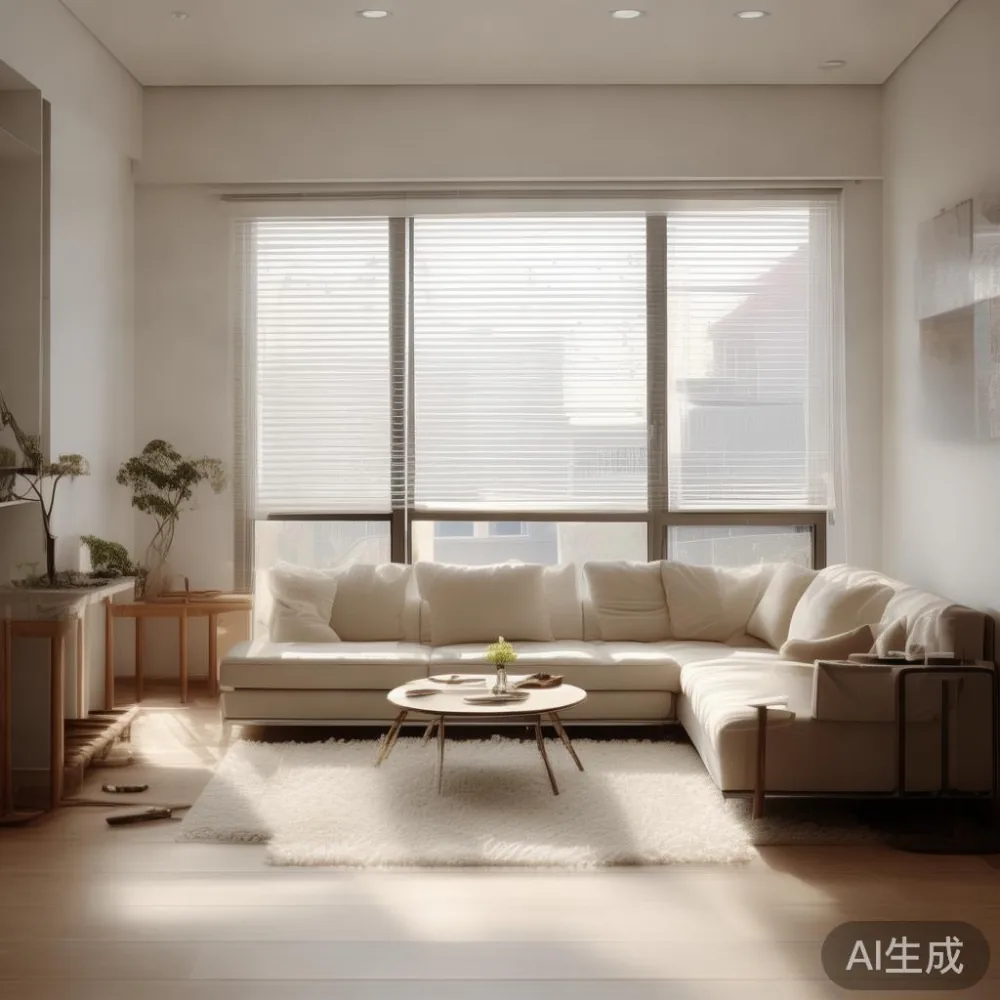
Living in Singapore, with its perpetual warmth and high humidity, presents a unique set of considerations for homeowners. The air, thick with moisture from the sea and tropical vegetation, constantly interacts with the materials in our homes. Nowhere is this interaction more evident than with our furniture. For those who appreciate the natural beauty and durability of solid wood, understanding this relationship is key to preserving the integrity and longevity of your pieces. This is particularly relevant in the context of minimalist furniture, where the material itself is the primary design element.
Understanding the Science: Wood and Water
At its core, wood is a hygroscopic material. This scientific term simply means it absorbs and releases moisture from the surrounding air. Think of a sponge, but one that reacts to humidity levels rather than direct water immersion. In Singapore's average relative humidity of 80-85%, wood is in a constant state of absorbing moisture. This process causes the wood fibers to expand. Conversely, in a drier environment, the wood releases moisture and contracts. This natural cycle of expansion and contraction, known as movement, is an inherent characteristic of all solid wood.
The degree to which a wood species moves depends on its density and cellular structure. For instance, a dense hardwood like teak or oak will move less than a softer wood like pine. However, no wood is completely immune. This movement can manifest in several ways, from subtle, almost imperceptible changes to more pronounced issues that can affect the function and appearance of your furniture. For a minimalist furniture enthusiast, this natural movement is part of the wood's character, but it must be managed to prevent damage.
Visible Signs of Humidity Stress on Wood Furniture
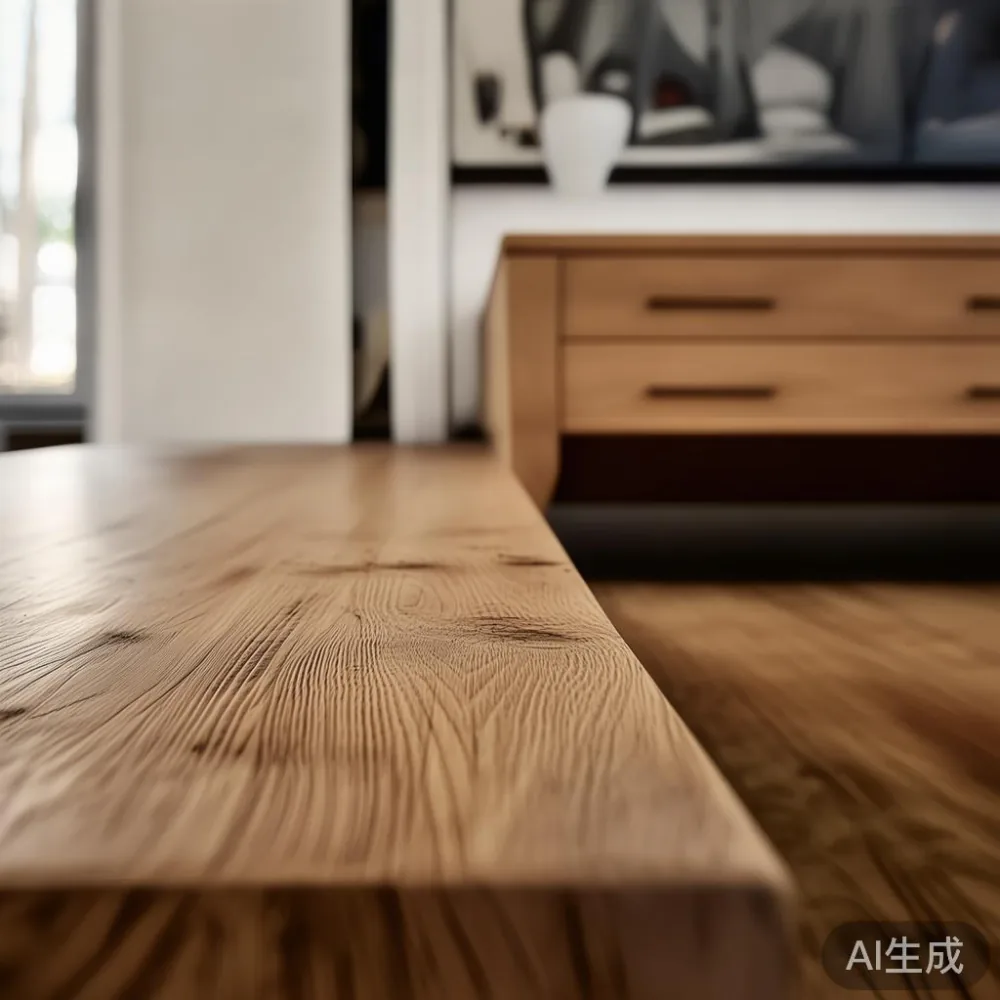
The effects of Singapore's climate on your solid wood sofa, dining table, or bed frame can appear over time. Recognizing these signs early allows for proactive care. The most common visual indicator is the appearance of small cracks, known as checks, on the surface of the wood. These often start at the end of a grain line and can deepen if the humidity imbalance is severe. A solid wood dining table, for example, might develop a fine crack along one of its edges.
Another tell-tale sign is 'cupping' or 'warping'. This occurs when different parts of a wooden board expand or contract at different rates, causing the board to bend or twist. You might notice a solid wood bed frame's slats no longer lying flat, or a wardrobe door that doesn't close smoothly as it once did. In extreme cases, joints can loosen. The glue in a well-made piece is strong, but it is not designed to withstand the constant pressure of wood expanding and contracting against it. A colleague of mine in Tampines recently discovered this when a drawer on his 5-year-old solid wood nightstand became difficult to pull out, a clear sign of the wood swelling within the frame.

How Singapore's Specific Living Spaces Amplify the Problem
Singapore's unique housing landscape, dominated by HDB flats and condominiums, creates specific microclimates within the home that can exacerbate humidity issues. While the ambient humidity is high, the conditions in different rooms can vary significantly. Bathrooms and kitchens, naturally, are the most humid areas due to steam from showers and cooking. Placing a solid wood wardrobe or a marble table in these spaces without proper ventilation is a recipe for trouble, as the wood will be exposed to concentrated moisture for prolonged periods.
Even in living rooms and bedrooms, the environment can be challenging. Air conditioning is a common solution, but it creates a different problem. While AC effectively lowers the temperature, it also strips moisture from the air, creating a very dry environment. This constant cycling between high humidity (when the AC is off) and low humidity (when it's on) puts immense stress on wood furniture, causing it to expand and contract rapidly. This is why a minimalist furniture piece placed directly in front of an air conditioning vent might show signs of stress faster than one in a more temperate spot in the room.
Why Your Furniture's Origin and Construction Matter
Not all solid wood furniture is built to withstand Singapore's climate. The source of the wood and the craftsmanship involved are critical factors. Furniture made in temperate regions, for example, may not be acclimated to high humidity and can react more dramatically. This is where the expertise of a manufacturer like MIDHILL, with over 15 years of experience exporting to countries with diverse climates, becomes evident. Their pieces are specifically designed and treated to handle the rigours of environments like Singapore's.
The finishing process is paramount. A high-quality, multi-layered finish acts as a protective barrier, slowing down the rate at which moisture penetrates the wood. It's not about sealing the wood completely—that would prevent its natural breathing and could lead to cracking from the inside out—but about regulating the exchange. Cheaper furniture often has a thin, single-layer of lacquer or varnish that offers little protection. When investing in a European light luxury wardrobe or a solid wood sofa, the quality of the finish is a direct indicator of its longevity in your home. The 10-year structural warranty offered by reputable brands is a proof of their confidence in this craftsmanship.
Can I Use a Dehumidifier in My Bedroom with a Solid Wood Bed Frame?
Yes, using a dehumidifier is an excellent strategy for protecting your solid wood furniture, especially in naturally humid rooms like the bedroom. A dehumidifier works by pulling excess moisture from the air, creating a more stable environment for the wood. This helps to minimize the expansion and contraction cycle, reducing the stress on joints and the likelihood of cracks appearing on your bed frame or nightstand.
For optimal results, aim to maintain a relative humidity level between 45% and 55%. This range is low enough to prevent the wood from absorbing too much moisture but high enough to stop it from becoming overly dry and brittle. You can place a small dehumidifier in the corner of your bedroom, running it for a few hours each day or overnight. This is particularly useful if you live in a ground-floor unit in Bedok or Punggol, where the ambient humidity can be slightly higher. Just be sure to empty the water reservoir regularly and position the unit away from direct airflow onto any single piece of furniture to avoid creating localized dry spots.
Practical Care Tips for Your Solid Wood Pieces
Protecting your furniture begins with mindful placement. Avoid placing solid wood pieces directly against external walls, which can be damp, or in direct sunlight, which can cause uneven drying and fading. Leave at least 5-10 cm of space around your furniture to allow air to circulate, preventing moisture from getting trapped. This is especially important for larger items like a dining table or wardrobe.
Regular cleaning and maintenance are also key. Dust your furniture with a soft, dry cloth every week to remove any abrasive particles. For deeper cleaning, use a slightly damp cloth followed immediately by a dry one to wipe away any moisture. Never let water sit on the surface. To nourish the wood and maintain its finish, apply a high-quality wood polish or conditioner every 3-6 months. This replenishes the natural oils in the wood and helps to maintain the integrity of the protective finish. A simple routine like this can keep your minimalist furniture looking beautiful for decades.
Styling Solid Wood Furniture in the Singaporean Home
Despite the challenges, solid wood furniture is a fantastic choice for the Singaporean home, offering a timeless elegance that complements various design aesthetics. The key is to select pieces that align with your style and care for them properly. For instance, a Japandi sofa, with its clean lines and focus on natural materials, fits perfectly into a minimalist living room. The question of how to style a Japandi sofa in bedroom is easily answered by pairing it with simple linen bedding, a low-profile nightstand, and plenty of natural light to enhance its serene, uncluttered feel.
For storage, a European light luxury wardrobe offers both functionality and sophistication. For those wondering how to style an American wardrobe in room, the approach is often about balance. Let the wardrobe be a statement piece by ensuring the surrounding area is kept simple. Pair it with a few well-chosen accessories on a nearby marble table, perhaps a small lamp and a decorative object, to create a curated look without clutter. The clean lines and warm tones of solid wood provide a perfect canvas for these styles, allowing you to create a space that is both stylish and resilient.
Making a Smart Investment for Your Home
Choosing the right furniture is an investment in your comfort and the value of your home. When considering a purchase, it's important to look beyond the initial price tag. A solid wood dining table might cost more upfront than a veneer or laminate alternative, but its durability and timeless appeal mean it will last for generations. This long-term value is a cornerstone of minimalist furniture philosophy—buying less, but better.
When shopping, consider the total cost of ownership. A brand that offers a lifetime refinishing service, like MIDHILL, provides incredible peace of mind. Should your furniture ever become scratched or worn over the years, it can be restored to its original glory, extending its life indefinitely. Combine this with a 14-day returns policy and free shipping for orders over SGD 1,000, and the purchasing process becomes worry-free. For sale French furniture or other light luxury pieces often come with a premium price, but the added services and warranties ensure that investment is protected. Remember to factor in the 9% GST on your final purchase price when budgeting for your new wardrobe or bed frame.
In the end, the humid Singaporean climate is a fact of life, but it doesn't have to dictate your choice of furniture. With an understanding of how wood behaves and a commitment to proper care, you can enjoy the warmth, beauty, and durability of solid wood pieces in your home for years to come. The key is to choose well-made furniture from a manufacturer who understands these local conditions and to treat your pieces with the care they deserve.