The Silent Battle: How Singapore's Humidity Affects Your Solid Wood Furniture
Living in Singapore, the air is thick with a constant presence you can't always see but can certainly feel: humidity. This invisible force, hovering around 80% on most days, is a fundamental part of our tropical climate. While we adapt our lives to it—from air-conditioned offices to frequent showers—our homes, particularly our furniture, are in a constant, silent battle with this moisture. For those who appreciate the timeless beauty and craftsmanship of solid wood furniture, understanding this relationship is not just about maintenance; it's about preserving an investment and a piece of art.
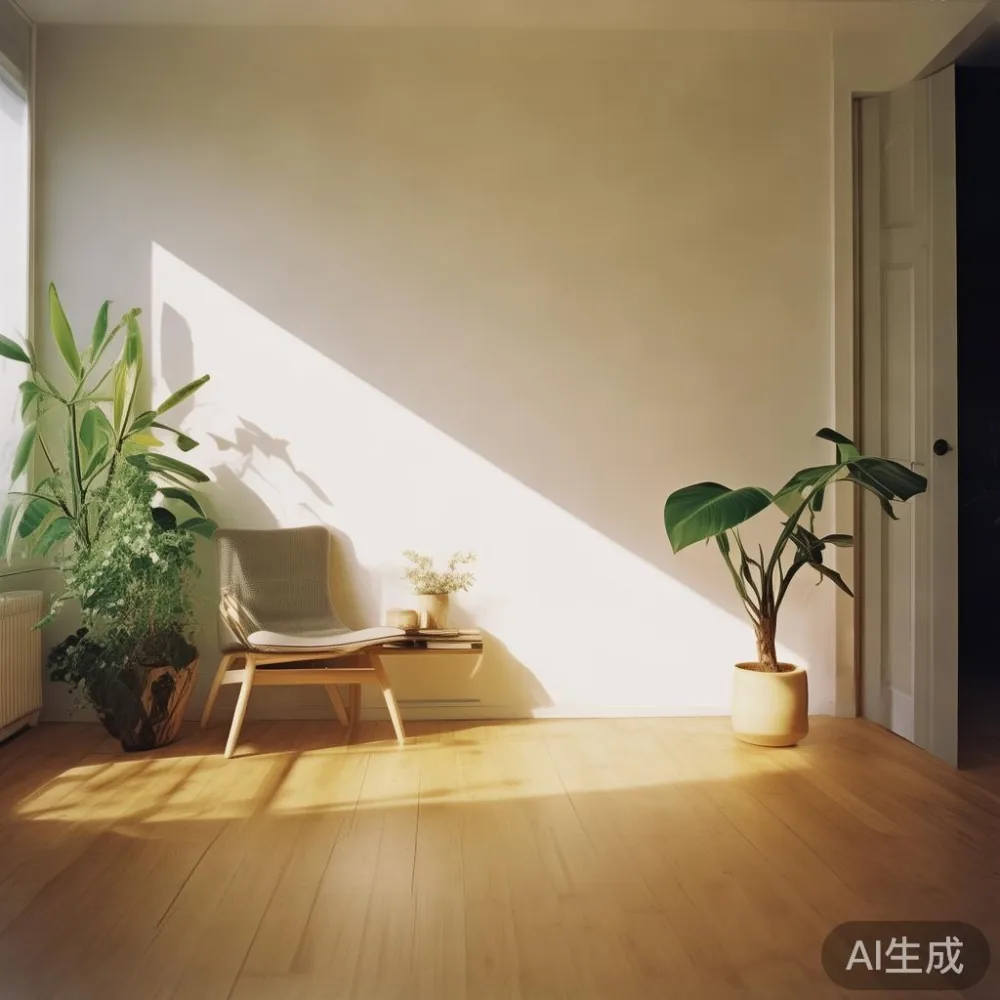
Why Wood Reacts to Humidity: A Science of Swelling and Shrinking
At its core, wood is a hygroscopic material. This scientific term simply means it absorbs and releases moisture from the surrounding air. Think of it like a sponge, but one that reacts slowly and deliberately. When the humidity in your HDB flat or condominium in areas like Tampines or Punggol rises, the wood fibers absorb this moisture, causing them to swell. Conversely, during drier periods, the wood releases moisture, and the fibers contract. This natural movement is called wood movement.
The extent of this movement depends on the species of wood. Hardwoods like oak, walnut, and teak, commonly used in high-quality furniture, are more stable than softwoods. However, no wood is completely immune. The problem arises when this movement is restricted or when the humidity swings are too extreme and too fast. This is where issues like warping, cracking, and joint failure can occur. In Singapore's climate, the challenge isn't just the high humidity, but the frequent and rapid transitions between the humid outdoors and the dehumidified indoors.
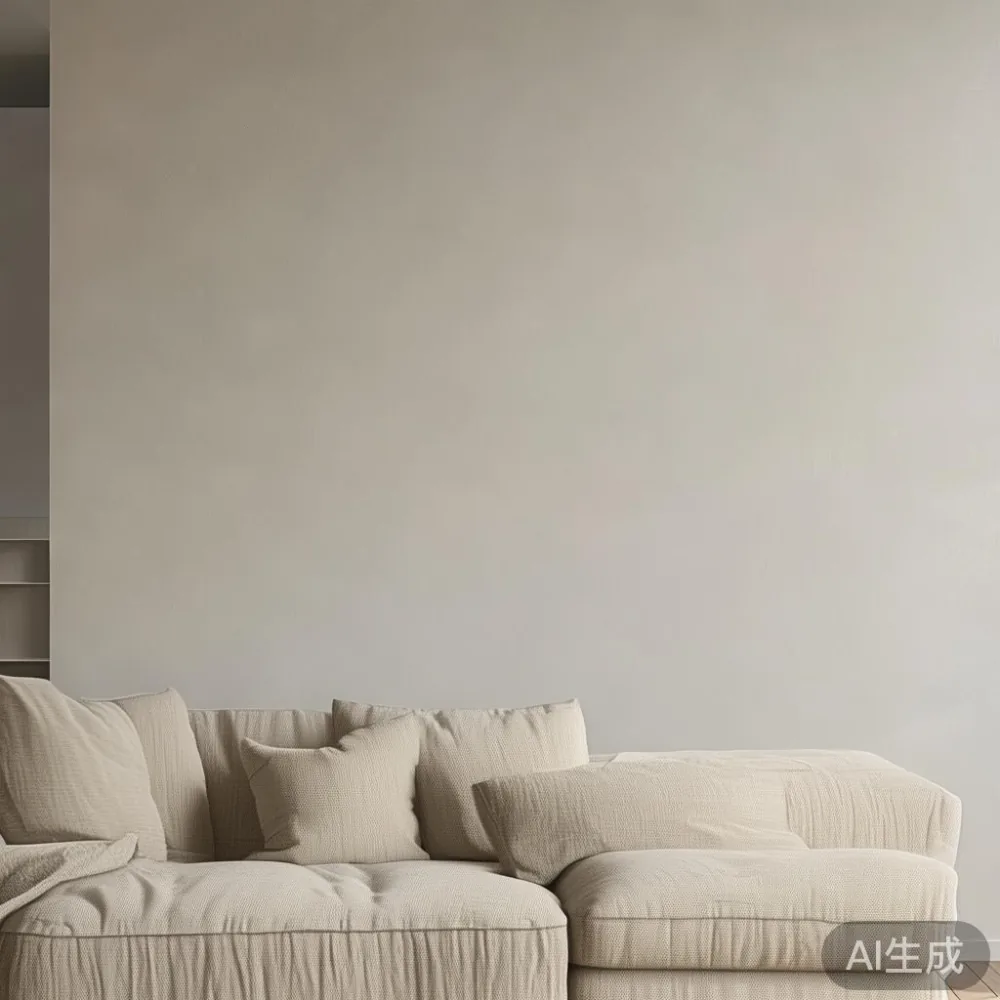
Signs of Humidity Damage: From Subtle to Severe
Recognizing the early signs of humidity stress on your furniture can save you from costly repairs or replacements. The damage often starts subtly and worsens over time if left unchecked. Here are the most common indicators to look for in your solid wood sofa, dining table, or wardrobe.
Gapping and Cracking: This is one of the most obvious signs. You might notice small, hairline cracks appearing on the surface of your table or the panels of your wardrobe. These occur when the wood dries too quickly and contracts more than it can handle, causing the fibers to split. A solid wood dining table top that was once perfectly smooth might develop a noticeable crack running along its grain.
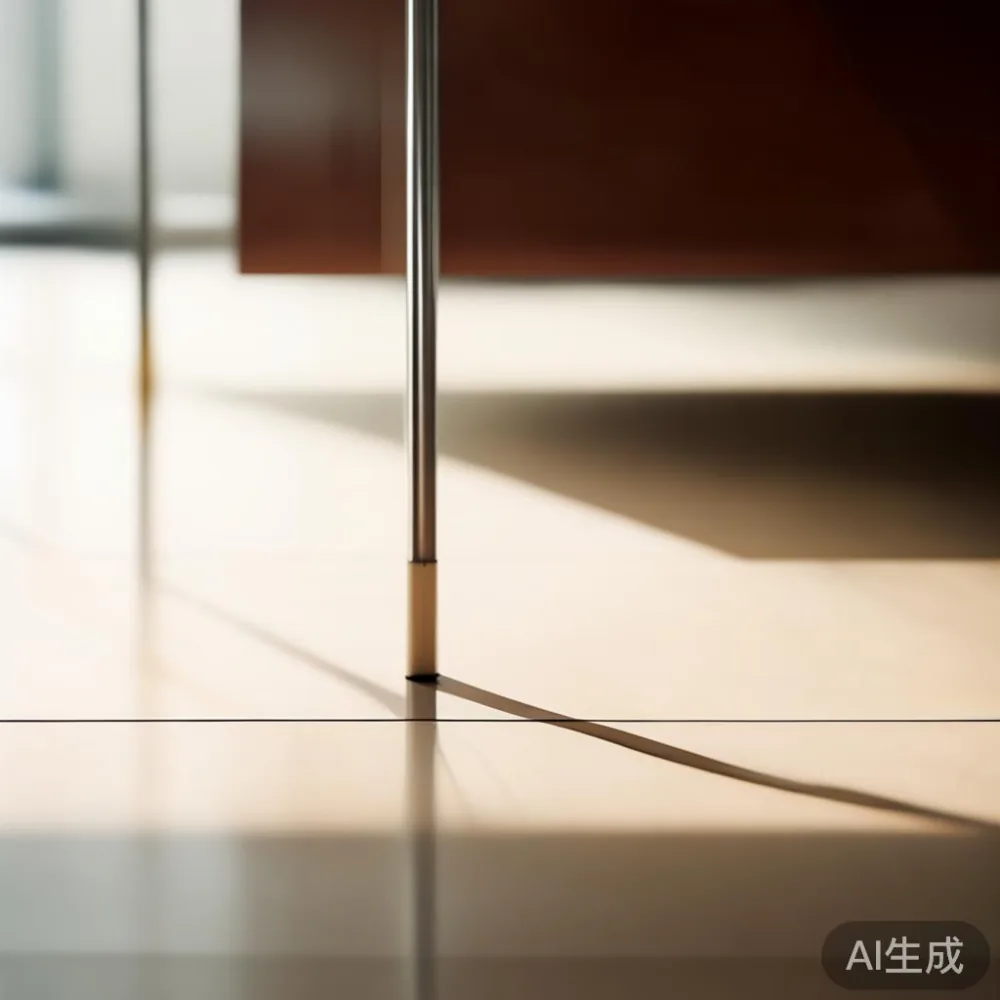
Sticking Drawers and Doors: A door that once opened smoothly on your wardrobe or nightstand might now require a firm push. This happens because the swollen wood fibers of the door or drawer front expand and rub against the frame. It's a clear signal that the wood is absorbing too much moisture.
p>Warped Surfaces: A flat surface, like a tabletop or the side panel of a bed frame, can begin to warp. Instead of lying flat, it might develop a slight cup, bow, or twist. This is a result of uneven moisture absorption across the board, causing some parts to swell more than others. A warped dining table is not just an aesthetic issue; it can make placing items on it difficult and unstable.Loose Joints: The glue used in furniture joints can weaken when exposed to constant moisture cycles. You might notice a wobble in a chair leg or see gaps opening up where the legs meet the seat of your solid wood sofa. This structural compromise can lead to complete joint failure if not addressed.
How Singapore's Specific Living Conditions Amplify the Problem
Singapore's unique living environment presents specific challenges for wood furniture that go beyond just the general humidity level. The design of our homes and our daily habits create microclimates that can be particularly harsh on wood.
Consider the layout of a typical HDB flat or a condominium in Bedok. Corridors and lift lobbies are often open to the elements, allowing humid air to flow freely into your home. When you open your main door, a gust of this humid air rushes in, increasing the ambient humidity level inside your living room almost instantly. This daily shock to the system is a major stressor for your furniture.
Then there's the issue of air conditioning. While it provides relief from the heat, AC units act as powerful dehumidifiers. They create a significant temperature and humidity differential between the air-conditioned rooms and the non-air-conditioned areas like the kitchen or balcony. A solid wood wardrobe placed near an external wall might experience this swing constantly, with one side facing the cool, dry indoor air and the other facing the warm, humid air from outside. This uneven exposure is a primary cause of warping and cracking.
Even the way we furnish our spaces plays a role. Placing a large, heavy marble table directly on a solid wood surface without proper protection can trap moisture. The impermeable nature of marble can prevent the wood underneath from breathing, leading to stains and decay. Also, the Singapore Goods and Services Tax (GST) at 9% makes furniture a significant investment, making proper care even more important to protect your purchase.
Is My Solid Wood Bed Frame Doomed? How to Protect Your Investment
This is a question we hear often from concerned homeowners. The answer is a reassuring no. Your solid wood bed frame, dining table, or wardrobe is not doomed. With a few proactive and consistent measures, you can create a stable environment that allows your furniture to thrive despite the humidity. It's about managing the environment, not fighting the climate.
Control Your Indoor Climate: The single most effective step is to maintain a stable humidity level indoors. Using a dehumidifier, especially in bedrooms and living rooms, can make a world of difference. Aim to keep the indoor relative humidity between 45% and 55%. A good quality dehumidifier can extract 20-30 litres of water from the air per day, creating a much more stable microclimate for your furniture. Running it for 6-8 hours, perhaps overnight, is often sufficient for a typical 4-room HDB flat.
Strategic Placement is Key: Be mindful of where you place your furniture. Avoid positioning solid wood pieces directly against external walls, near windows that are frequently opened, or in bathrooms. Keep a distance of at least 15-20 cm from any heat source like a radiator or air conditioning vent. In a condo, placing a large wardrobe away from a sliding balcony door can prevent it from being the first thing to feel the humidity coming off the water.
Use Protective Mats and Coasters: Never place hot, wet, or cold items directly on a wood surface. Always use coasters for glasses and mats for hot dishes or potted plants. A marble table top, for instance, should always have a felt or cork barrier between it and any wood base to allow for breathability and prevent moisture entrapment.
Regular Cleaning and Maintenance:
Dust your furniture regularly with a soft, dry cloth. Dust particles can absorb moisture and scratch the wood's finish. Every 3-6 months, depending on the wear, apply a high-quality furniture wax or polish. This creates a protective barrier that helps seal the wood from rapid moisture changes. A thin coat of wax can be applied with a soft cloth in a circular motion and then buffed to a soft sheen. While proper care is important, choosing furniture that is inherently better suited for a humid climate is a smart long-term strategy. This is where the quality of craftsmanship and materials becomes paramount. When selecting a piece, whether it's a minimalist furniture sofa or a wardrobe, look for features that indicate a higher tolerance for environmental changes. One of the most important features is the construction method. Furniture that uses solid wood for all its structural components is generally more stable than those with veneered particleboard cores. Look for dovetail joints in drawers and mortise-and-tenon joints in frames. These interlocking joints are much stronger and more resistant to movement than simple butt joints glued or nailed together. The finishing process is another critical factor. A high-quality, multi-layered finish acts as a superior moisture barrier. Cheaper furniture might have a single, thin coat of lacquer that can easily wear away. A well-finished piece will have a deep, lustrous look and a smooth, protective surface that can withstand the daily humidity fluctuations. This is a key consideration when investing in European light luxury for apartment living, as the finishing is often a hallmark of the style. For instance, when comparing a Japanese bed vs Italian light luxury bed, you might find that the Italian piece features a more complex and durable finishing process, designed to handle a wider range of conditions. Similarly, understanding how to style American bed in room often involves selecting pieces with solid construction that can anchor a space without being overly delicate. The concept of light luxury for bedroom design, whether French or American, relies on using high-quality materials that can maintain their beauty over time, which includes being humidity-resistant. Theory is one thing, but real-world experience is another. To truly understand the impact of humidity, I decided to conduct a small experiment last month. I placed a new solid wood dining table from a well-regarded maker in my colleague's apartment in Tampines. The table was made of solid oak with a natural oil finish. For the first month, the table was placed in the dining area, which was air-conditioned most of the day but opened to the corridor in the morning and evening. Within three weeks, the effects were noticeable. The table top, which had been perfectly flat, began to show a very slight cup along one edge. The edge closest to the corridor door had absorbed more moisture and swollen slightly. The table also felt slightly cooler to the touch than the rest of the furniture in the room. My colleague, who had owned the table for a few years, confirmed that this was a seasonal occurrence, happening more noticeably during the Northeast Monsoon season. We then moved the table to a more central position in the living room, away from any external doors, and started running a small dehumidifier in the dining area for about 5 hours each night. After another two weeks, the cupping had significantly reduced. The surface felt more uniformly warm and stable. This simple experiment reinforced what the science tells us: managing the immediate environment is the most effective way to protect your furniture. It’s a small effort for a piece that can last a lifetime. The principles of minimalist furniture design align perfectly with the needs of a humid climate. This style, characterized by clean lines, simple forms, and a focus on high-quality materials, is not just an aesthetic choice; it's a practical one. Minimalist furniture avoids the intricate carvings and multi-layered finishes that can trap moisture and are prone to damage from swelling and shrinking. A minimalist furniture piece is often defined by its honesty. It celebrates the natural beauty of the wood itself, rather than hiding it under thick layers of paint or varnish. This often means using a more breathable, natural oil or wax finish, which, while requiring more maintenance, allows the wood to acclimate to its environment more gracefully. The simple, unadorned surfaces are also easier to clean and inspect for early signs of humidity damage. When you invest in a minimalist wardrobe, for example, you are choosing a piece with clean, flat panels and simple, sturdy construction. There are no nooks and crannies where moisture can get trapped and cause hidden damage. This focus on functional purity makes minimalist furniture an exceptionally durable and practical choice for the Singaporean home. It’s about creating a space that is both beautiful and resilient. Owning solid wood furniture in Singapore is a rewarding experience. The warmth, character, and durability that these pieces bring to a home are unmatched. The key to enjoying them for decades lies in understanding and respecting their nature. It's about acknowledging that they are living materials and adapting our homes to support them. By controlling your indoor climate, being strategic with placement, and performing regular maintenance, you can create a stable environment that allows your furniture to age gracefully. A well-cared-for piece of minimalist furniture, like a solid wood sofa or a dining table, will not only last a lifetime but will also develop a beautiful patina, telling the story of your life. It becomes more than just furniture; it becomes a part of your home's history.Choosing the Right Furniture: A Smart First Step
A Real-World Test: My Experience with a Solid Wood Dining Table in Tampines
Minimalist Furniture: Where Form Meets Function in a Humid Climate
Final Thoughts: Living in Harmony with Your Furniture