Singapore's Humidity Impact on Solid Wood Furniture
Humidity is rarely dramatic in Singapore. It is the steady, everyday presence of moisture in the air: approximately 80% relative humidity on many days, sudden afternoon showers, warm bedrooms, and compact HDB flats where ventilation depends on a lift lobby, corridor window, or an air-conditioner. For solid wood furniture, that background moisture can produce swelling, joint movement, small surface marks, and finish changes, even when every piece was well made.
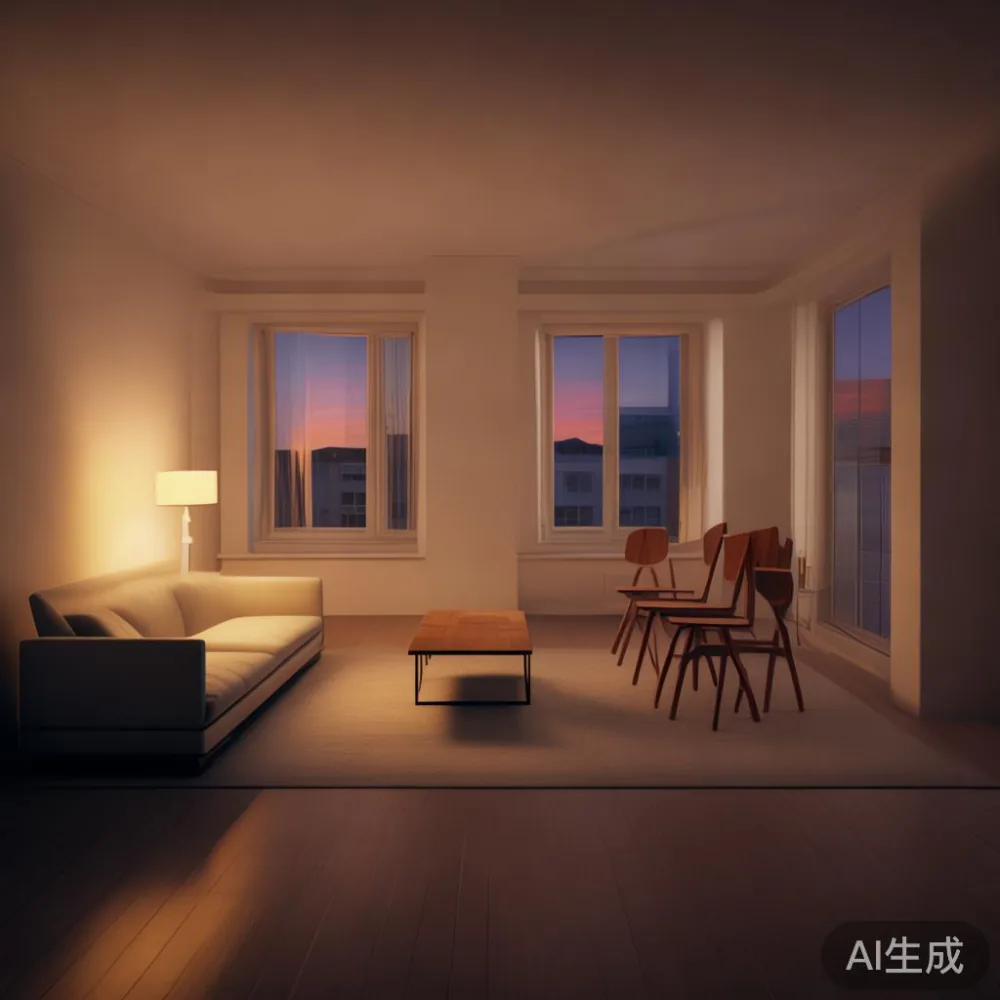
This guide explains how humidity affects wood, how to measure it, and how to protect minimalist furniture in Tampines, Bedok, Punggol, and Singapore condos. It also considers the practical limits of HDB corridors and lifts, local pricing in SGD, delivery timing, and the care practices used by MIDHILL. A solid wood sofa, bed frame, dining table, wardrobe, nightstand, or marble table should suit the home it enters, not fight it for months.
Why does humidity make solid wood furniture move?
Wood is hygroscopic, meaning it takes in and releases water vapour as the surrounding humidity changes. Its response is not perfectly even across a board. Flat sawn surfaces may move across the grain, quarter-sawn pieces may cup in a different direction, and a wide tabletop can show more movement than a narrow chair rail. Movement of roughly 1–3 mm across a 100 cm panel can be normal for solid timber under changing moisture conditions.
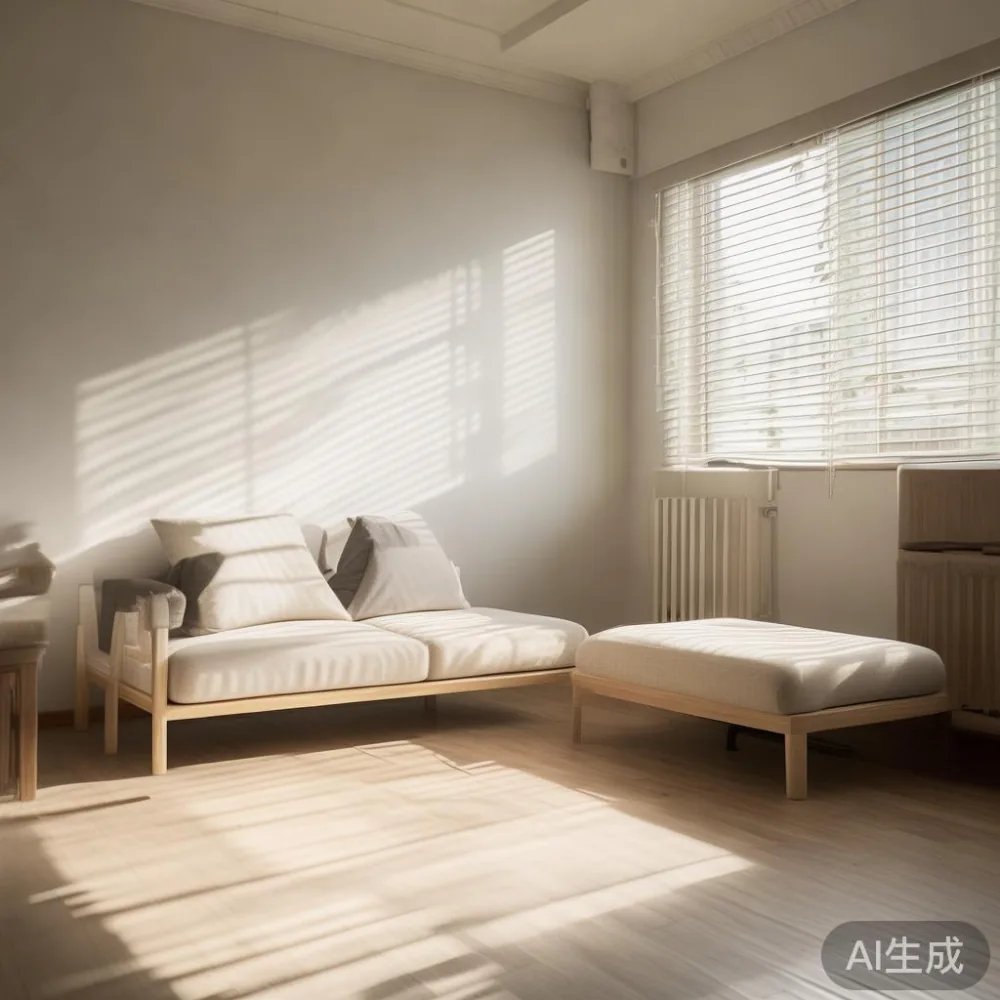
Singapore’s outdoor relative humidity commonly sits between 70% and 90%, especially during the wettest periods. Indoors, an air-conditioned living room may be around 22–26°C and 50–60% relative humidity, while an unconditioned corner can exceed 80%. That difference matters because the outer surface of a cabinet can react faster than the protected interior. Repeated cycling stresses glue joints, drawer bottoms, veneer edges, and lacquer finishes.
Temperature also has a role. A timber surface near a west-facing window in Tampines can reach 34°C in the afternoon, then cool after sunset. Air movement and seasonal weather combine with air-conditioning, which is why indoor humidity readings are more useful than a single outdoor forecast.
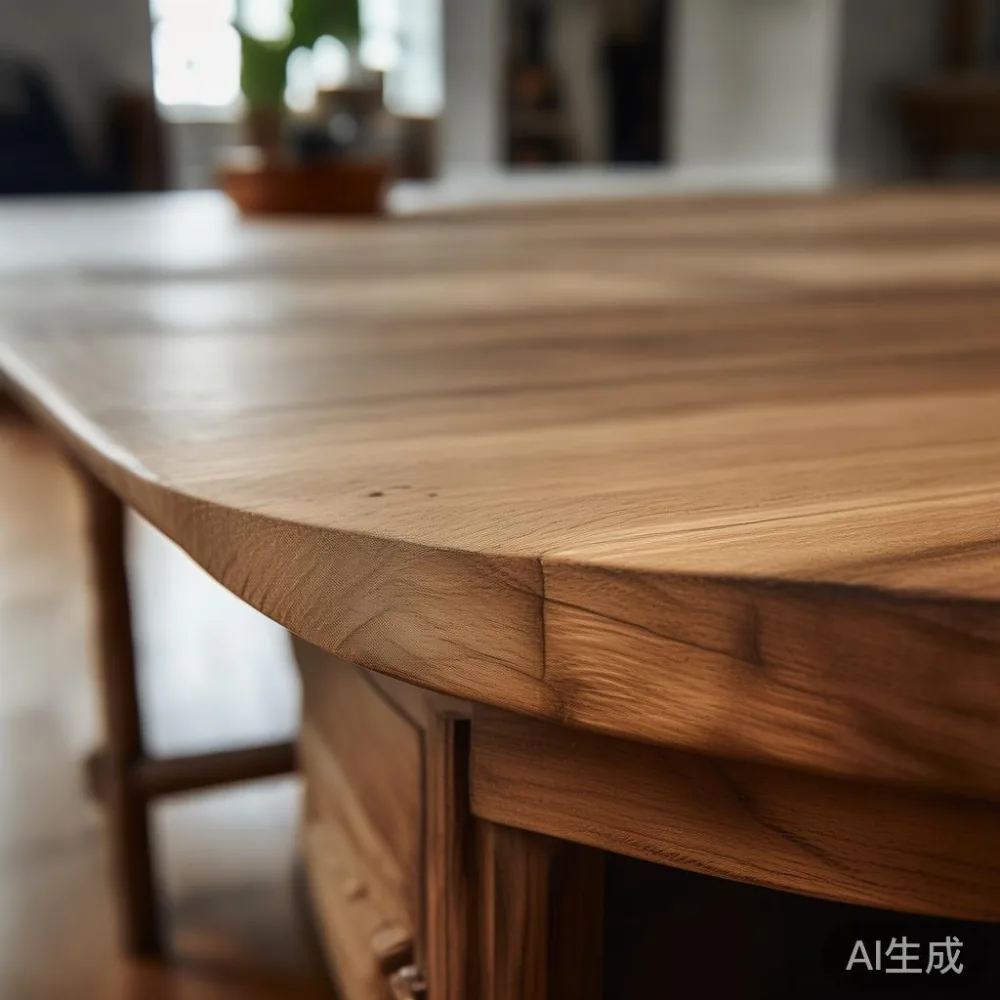
This is not a reason to avoid solid wood. It is a reason to select stable timber, controlled finishes, sound joinery, and sensible placement. Minimalist furniture with restrained proportions and durable construction is particularly suited to apartment life when its care requirements are understood before delivery.
How high is too high for my wood furniture?
A useful working range for most wooden furniture in Singapore is 45–65% relative humidity, with small fluctuations handled by the timber itself. Readings above 70% for long periods deserve attention. Readings below 40% can cause excessive drying in very dry, air-conditioned rooms, although that is less common here.
Use a calibrated digital hygrometer rather than guessing. Place one near the floor and another close to a wardrobe or dining table, but not directly against an exterior wall or an air-conditioning outlet. Record readings at approximately 8 a.m., 2 p.m., and 9 p.m. for 7 days. This creates a baseline for the unit rather than relying on the general climate of the region.
Watch for early warning signs: doors that need extra pressure, a drawer that catches in humid weather, a table edge that feels damp, tiny pale marks near joints, or a finish that develops a cloudy appearance. These symptoms do not automatically indicate defective furniture. They can reflect seasonal movement that should be allowed to settle.
For direct comparisons, a European bed vs Mid-century modern bed choice may use different frame details, but both perform better in the same controlled indoor environment. Likewise, the best French provincial wardrobe for 2026 may suit a traditional condo interior, yet it still needs stable humidity to protect its frame, doors, and hardware.
Will a solid wood dining table warp near my air-conditioner?
A solid wood dining table can remain stable when it is used as intended. Keep it at least 30–60 cm from a cold air-conditioning vent, 100 cm from an exterior wall where practical, and out of direct afternoon sun. A round 120 cm table generally exposes less surface area to rapid room changes than a rectangular 200 cm table, although construction and timber species still matter.
Do not place hot cookware directly on the timber. A pot at 80°C can damage a lacquer or oil finish even in a dry room. Use a trivet with at least 2 cm of clearance, and wipe moisture from the surface within 10 minutes. A marble table is also sensitive to thermal shock: warm the base before setting down a very cold tray, and avoid sudden temperature changes.
In a compact Singapore dining area, an air-conditioned room is often better for timber than an open kitchen corner exposed to cooking steam. If condensation forms around a chilled drink glass, remove it promptly rather than allowing a ring to remain. Wipe in the direction of the grain with a slightly damp cloth, then dry with a clean cotton cloth.
Can humid weather damage a solid wood sofa or bed frame?
The frame of a solid wood sofa or solid wood bed frame may tolerate humid air well when it is protected by upholstery and a sound finish. The visible risks are more often concentrated at joints, feet, exposed edges, and storage areas. Elevated moisture can cause mould to develop on a damp floor or beneath a poorly ventilated base, while repeated swelling can loosen a tight corner connection.
Leave 5–8 cm of clearance below low furniture where cleaning is needed, and avoid standing a bed frame directly against a cold external wall. In a Tampines HDB flat with a bedroom sharing a wall with a service yard, ventilation is important. Run the air-conditioner in a moderate dehumidify or dry mode for 1–2 hours after periods of heavy rain if the unit supports it, then return to a normal cooling setting.
Upholstery needs its own moisture management. Keep fabrics 40–60 cm from a vent, and use a breathable mattress protector rather than sealing in dampness. For leather, apply a conditioner suitable for the hide every 6–12 months, following the material supplier’s instructions.
French provincial for office styling is sometimes discussed in Singapore, but a carved office setting should not be confused with humidity protection. Solid wood desks and credenzas still benefit from the same 45–65% target range and from careful placement away from damp service areas.
Will humidity affect a European light luxury wardrobe?
A European light luxury wardrobe needs stable indoor conditions, especially if it has wide doors, raised panels, mirror doors, or long hanging rails. Painted finishes can show fine movement lines during rapid changes; lacquered fronts may develop condensation if they are much colder than the surrounding air. A European light luxury wardrobe with adjustable shelves is more resilient than one installed with fixed shelf positions and no tolerance for seasonal movement.
Allow at least 5 cm behind freestanding wardrobes for airflow if the wall is exterior or persistently cool. In Bedok and Punggol HDB interiors, a wall-mounted unit may save floor space, yet it must be fixed into suitable structure. The installer should verify the substrate, use appropriate anchors, and avoid untreated cavities where moisture can collect.
Inside the wardrobe, do not overfill it with damp linen. Use desiccant packs for closets that remain closed for more than 14 days, and replace or regenerate them according to the product instructions. Maintain at least 60 cm of clear hanging depth for adult clothing where space permits, so wood panels are not constantly touched.
French light luxury can pair walnut tones, pale oak, cream upholstery, and curved details with a compact apartment, provided the scale is controlled. The light luxury for apartment approach is not about adding more ornament; it is about using proportion, texture, and craftsmanship in a measured way.
What should I check before a wardrobe or dining table is delivered?
Measure the route, not only the room. For a condominium, obtain the lift car dimensions, door opening, turning space, and loading-zone rules from the building management office. For HDB blocks, the commonly encountered service-lift door width is around 900 mm, but the internal car dimensions vary. Some older corridors and bends require the unit to be delivered vertically or assembled inside the flat.
Write down the package length, width, and height before purchase. A wardrobe carton might measure 180 × 65 × 22 cm, a bed frame carton 210 × 38 × 18 cm, and a dining table carton 165 × 95 × 16 cm. These examples show why a showroom measurement alone does not establish access. Include packaging rather than measuring the bare piece alone.
Check whether the lift permits protective wrapping, when the delivery can occur, and whether the installer needs a parking permit. Reserve 2–3 hours for a complex wardrobe or bed installation, and a smaller window for a nightstand. Deliveries across Singapore commonly take 3–7 business days after production or stock confirmation, but access restrictions can add 1–3 days.
MIDHILL can provide practical package dimensions and delivery arrangements when a piece is specified. Its 10-year structural warranty addresses construction over time, while the lifetime refinishing service supports long-term surface care. Orders over US$350 qualify for free shipping, and Singapore orders remain subject to the stated 14-day return terms.
Which wood species and finishes are easier to live with in Singapore?
No solid wood species is moisture-proof. Stability still depends on the cut, drying standard, joinery, protective finish, and installation. Kiln-dried hardwood with a properly applied factory finish is a practical choice for Singapore interiors. Ask for the expected moisture range of the timber used, and whether the finish is lacquer, oil, wax, or another system.
For minimalist furniture, a low-sheen matte finish can make small surface changes less noticeable than a high-gloss coating, though maintenance requirements differ between systems. Lacquer can usually be wiped clean and may accept minor touch-up work. Oil or wax may require periodic reapplication. Avoid assuming that a thicker coat prevents all movement; the finish protects the surface, while humidity can still alter the timber underneath.
American light luxury styling often uses clean lines, dark walnut, pale upholstery, and restrained metal details. European light luxury may introduce warmer grain and more decorative profiles. Either style can work in an apartment when furniture dimensions remain generous in use but modest in visual weight.
Search terms such as top 10 Rustic furniture are useful when studying design references, but rustic appearance does not guarantee moisture performance. Judge the actual construction, finish, and room conditions rather than relying on a trend list. A French provincial for office brief may call for decorative detail, yet a solid timber frame still needs controlled indoor humidity.
How do I clean wood without making the humidity problem worse?
For routine care, use a soft cloth lightly dampened with water, wringing it until only a trace of moisture remains, and wipe the surface immediately. Clean a small hidden area first. Avoid household glass cleaner, bleach, ammonia-based products, and silicone sprays unless the finish manufacturer permits them. Test any cleaner on an inconspicuous section for 24 hours.
Clean a solid wood dining table every 1–2 weeks during heavy use, and a wardrobe exterior every 2–4 weeks. A nightstand can be wiped weekly, especially if it holds drinks or skincare products. Never flood a joint or groove. If moisture has entered a drawer runner, remove the drawer and allow both drawer and cabinet to air out separately.
For mould, act quickly. Identify and remove the moisture source, isolate the affected item, and use a cleaning product approved for the finish. Do not paint over damp mould or return a damp piece to a tight wardrobe. If a finish blisters, peels, or exposes raw timber, contact the supplier before attempting a full refinishing treatment.
Air-conditioning is useful, but running it colder is not always necessary. A room around 24–26°C with 50–60% relative humidity provides a practical balance. Dehumidifiers can help in persistently damp corners; a unit rated for 20–30 m² is appropriate for many bedrooms, with an approximately 12–20 L daily water-removal capacity depending on conditions.
Can furniture be delivered into older HDB lifts and narrow condo corridors?
Yes, with early planning. Older HDB blocks and some condo corridors have turns that make a full-size package impossible to carry horizontally. A package may need to pass through a 800–900 mm doorway, turn in less than 120 cm of clearance, or travel on its end. Before approving delivery, photograph the lift lobby, measure the door and car, and identify any fire doors or sharp corners.
Ask the delivery team whether a two-person carry is included and whether an air-compressor or protective floor covering will be used. Remove detachable legs where possible, but confirm that the manufacturer approves partial assembly. A bed frame may arrive in two cartons to fit a constrained route; a marble table may need a separate two-person placement because of its weight.
Local costs should be checked rather than assumed. A typical condo delivery surcharge is SGD 40–120, while a standard HDB service-lift booking may involve an administrative charge set by the building or contractor. An extra-lift or two-person service can range from SGD 60–180. Confirm the total in SGD before booking.
For a new condo with loading bays and padded lifts, access is usually simpler. For a walk-up flat, add 20–30 minutes per level if stairs are involved. Furniture should never block a common corridor for more than the building’s permitted unloading window.
What is the right way to place minimalist furniture in a humid apartment?
Start with the room’s microclimate, not the catalogue photograph. Keep wood away from exterior walls that collect condensation, air-conditioner outlets, bathrooms, and kitchen steam. A bed frame can sit 10–20 cm from an internal wall if space is tight, provided the wall is dry. A dining table may be placed near a ventilated living area, but not directly against a sun-facing glass panel.
Use the apartment’s dimensions to control visual and physical load. A 180 cm solid wood dining table requires roughly 90 cm on each long side for normal use; 75 cm can work in a compact setting with fewer chairs. A queen bed frame of 160 × 200 cm needs about 60 cm on both sides for drawers and bedside access. A wardrobe 180 cm wide may look better in an alcove than against a narrow circulation route.
Minimalist furniture works well in HDB flats and condos when low-profile forms reduce visual clutter, but minimalism should not remove practicality. Improving furniture on legs by 12–18 cm helps floor cleaning, yet it does not make the timber waterproof. Likewise, a marble table offers a cool, durable surface but requires stable support and careful handling of condensation.
At MIDHILL, the focus remains on solid wood construction suited to long use, with finishes and movement allowances considered during production. A practical next step is to request dimensions, finish information, and access guidance for the actual unit.
What if a solid wood piece develops a movement line or swollen joint?
First confirm the cause. Measure the room’s humidity and temperature, inspect the back of the piece, and check whether the furniture is close to a damp wall, leaking joint, or direct vent. A line that appears during one wet week and reduces as conditions stabilise may be temporary timber movement. A split, loose joint, or finish failure needs closer inspection.
Do not sand, plane, or force a swollen door yourself. If a drawer catches, remove its contents and lower the load. If the doors bind, adjust the hinges only if the manufacturer permits it. For larger pieces, contact the supplier with photographs, measurements, and humidity readings taken at the same time of day.
MIDHILL’s lifetime refinishing service can support appropriate surface restoration, while the 10-year structural warranty provides a defined response for qualifying structural issues. Keep purchase documents, care notes, and delivery records. A repair history is easier to assess when humidity data has been recorded.
For comparison shoppers looking at a European bed vs Mid-century modern bed, the finish and humidity response matter more than the style label. The same principle applies to a solid wood sofa, dining table, wardrobe, nightstand, or marble table. Good design reduces visual distractions, but stable construction and responsible care give a piece the chance to age well in Singapore’s climate.
How should I maintain humidity control after delivery?
Keep the hygrometer visible but out of direct sunlight. Review readings weekly for the first month, then monthly. Record any seasonal patterns with dates and temperatures. If relative humidity remains above 70% for more than 7 days, improve ventilation, relocate the vulnerable item, or use a dehumidifier. If it drops below 40% in an over-air-conditioned room, reduce direct airflow and allow the timber to respond gradually.
Use coasters, placemats, and felt pads with a minimum thickness of 2–3 mm. Felt protects the surface, but it should not trap water beneath a leg. Wipe condensation from marble and timber surfaces promptly. Open wardrobe doors periodically if the room is humid, and avoid packing solid wood furniture tightly against external walls during renovation.
Check MIDHILL’s care instructions before using a specific polish or oil, because an incompatible product can make a finish patchy. For a new purchase, note the production finish, expected timber movement, and available refinishing options. Also review the 14-day return process and preserve the original packaging where possible.
Singapore’s humidity calls for informed ownership rather than fear of wood. With stable indoor conditions, thoughtful placement, regular wiping, and access planned before delivery, minimalist furniture can remain visually calm and structurally sound for many years.