The Art of Proportions: Choosing the Right Size for Your Singapore HDB Living Room
Living in a Singapore Housing and Development Board (HDB) flat presents a unique set of challenges and opportunities for interior design. The spaces are often compact, yet they need to be functional, comfortable, and aesthetically pleasing. The living room, being the heart of the home, requires particular attention to ensure the furniture fits perfectly without feeling cramped or overwhelming. Getting the size right is not just about aesthetics; it's about creating a harmonious environment that complements the specific dimensions of your HDB unit, whether you're in a newer development in Tampines or a more established neighbourhood in Bedok.
Understanding Your HDB Living Room's True Dimensions
Before you even think about buying a sofa or a coffee table, you must have an accurate understanding of your living room's dimensions. This means more than just knowing the length and width. You need to account for permanent fixtures like the main door, the entrance to the kitchen, windows, and any built-in cabinets. Grab a measuring tape and a notepad. Measure the length of each wall from corner to corner. Then, measure the width of the room at its narrowest and widest points. The standard width of a corridor in most HDB flats is around 1.2 metres, and the main door opening is typically about 0.8 metres wide. These are critical measurements to keep in mind when planning the placement and size of your furniture.
For example, a common 5-room HDB flat in Punggol might have a living room area of approximately 4.8 metres by 3.6 metres. However, with the corridor width of 1.2 metres and the main door, the actual usable space for your seating arrangement might be closer to 3.6 metres by 3.6 metres. A common mistake is to measure the entire room and then fill it with furniture that looks good in a showroom but is far too large for the actual space. This leads to a cluttered, uncomfortable living area. Always measure twice and buy once. This simple rule will save you time, money, and the headache of returning items that don't fit.
How Much Space Should You Leave for Walking Paths?
A well-designed living room maintains a sense of openness and ease of movement. This is achieved by ensuring clear walking paths, typically around 60 to 80 centimetres wide. Imagine how you and your family will move through the room. You need a clear path from the main door to the kitchen, from the sofa to the television, and around the dining table if it's in the same area. Blocking these paths with a coffee table that's too large or a sofa that protrudes too far into the room will make the space feel awkward and impractical.
Consider the flow of traffic. If your sofa faces the television, there should be at least 1.2 metres of space between the front of the sofa and the television stand to allow for comfortable viewing and easy movement. A solid wood sofa, for instance, might have a depth of 90 to 100 centimetres. You need to add the walking space in front of it. If you place a 90 cm deep sofa against a wall, the space in front of it should be a minimum of 80 cm to 1 metre to avoid a cramped feeling. This is a fundamental principle of minimalist furniture: creating space for the room to breathe, not just for objects to occupy.
What is the Ideal Sofa Size for a Singapore HDB Living Room?
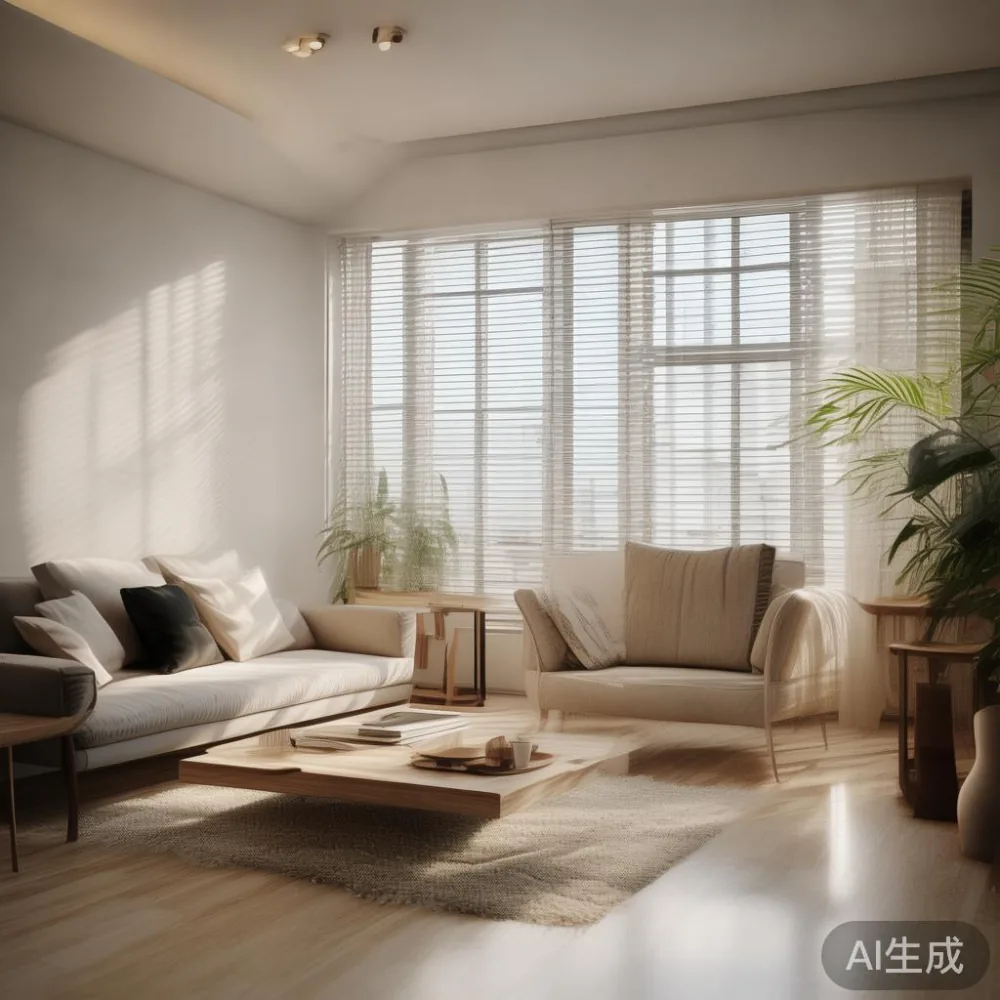
The sofa is often the largest and most dominant piece of furniture in a living room, making its size a critical decision. For a typical HDB living room, a 3-seater sofa is a popular and practical choice. A standard 3-seater sofa is usually around 180 to 210 centimetres long, 90 to 100 centimetres deep, and 80 to 90 centimetres high. For a smaller living room, a 2-seater sofa, which is approximately 150 to 170 centimetres long, can be a better fit. The key is to choose a sofa that provides ample seating without dominating the entire space.
Last month, I visited a client's home in Bedok who had just purchased a large, overstuffed L-shaped sofa. It looked magnificent in the showroom, but in her 4.5-metre by 3.5-metre living room, it consumed nearly 70% of the floor space. The result was a room that felt more like a waiting area than a comfortable living space. She regretted the purchase, as it left no room for a proper coffee table or easy movement. This experience highlights the importance of visualising the furniture in your actual space. For a 2026 French provincial furniture collection, the lines are often cleaner and the proportions more streamlined, making them an excellent option for Singaporean homes where space is a premium.
Choosing the Right Coffee Table and Side Tables
Once your sofa is placed, the next piece to consider is the coffee table. The height of the coffee table should be approximately the same as the seat height of your sofa, or slightly lower, to create a cohesive look. A standard coffee table height is around 40 to 45 centimetres. The length and width depend on your sofa and the available space. A good rule of thumb is to choose a coffee table that is about two-thirds the length of your sofa. For a 200 cm sofa, a 120 to 140 cm long coffee table would be proportionate.
The depth of the coffee table is also important. A table that is 60 to 70 cm deep provides a good surface for books, remotes, and drinks without being too intrusive. Ensure there is at least 45 cm of clear space around the coffee table for leg room. Side tables or nightstands are also important. They should be tall enough to be easily reached from the sofa, typically around 50 to 60 cm high. A marble table top can add a touch of light luxury without taking up much visual space, making it a perfect choice for a minimalist furniture approach. The combination of a solid wood sofa, a marble coffee table, and slim side tables creates a balanced and elegant composition.
What About the TV Stand and Storage Solutions?
The television stand is another significant piece of furniture. It should be wide enough to accommodate your TV with a little bit of overhang on each side, usually 10 to 20 centimetres. This prevents the TV from looking unbalanced. The depth of the TV stand should be sufficient to hold any media players and consoles, typically 45 to 60 cm. If you have a lot of items to store, consider a TV stand with cabinets or drawers to maintain a clean, minimalist aesthetic.
Storage is a key consideration in any HDB living room. Built-in cabinets are a popular solution as they make use of awkward wall spaces and provide maximum storage without protruding into the room. If you prefer a standalone piece, a console table or a low cabinet can work well. For a more integrated look, you could opt for a wall-mounted TV unit with floating shelves. This approach frees up floor space, making the room appear larger and more open. When selecting storage, think about the items you need to store and choose furniture that offers practical solutions while maintaining the clean lines of minimalist furniture.
Planning for Future Purchases: Dining and Bedroom Furniture
Your living room choices often influence other rooms in your flat. If your dining area is part of an open-plan living space, the dining table's size will directly impact your living room layout. A 6-seater dining table can be around 150 cm long and 90 cm wide. Ensure there is at least 75 cm of space between the dining table and any other furniture, like the sofa, to allow for comfortable chair movement. This is a key consideration when planning an American light luxury living and dining area.
Similarly, the choice of a bed frame for the master bedroom is a long-term investment. The size of the bedroom will determine whether you should opt for a Queen (160 cm x 200 cm) or a King (180 cm x 200 cm) bed frame. A solid wood bed frame offers durability and timeless style. The question of American bed vs Modern bed often comes down to personal preference and the design theme of the home. For a guest room, you might want to consider a more versatile option, perhaps something with a French for guest room feel, which can be adapted to different styles more easily. When selecting a wardrobe, measure the space it will occupy, including the space needed to open the doors fully.
How to Choose Japandi Bed and Other Specialised Furniture
As interior design trends evolve, homeowners are increasingly drawn to specific styles like the Japandi aesthetic, which blends Japanese minimalism with Scandinavian comfort. When considering how to choose Japandi bed, the focus is on clean lines, natural materials, and functionality. The bed frame should be low to the ground, made from light-coloured wood like oak or walnut, and free from excessive ornamentation. The proportions should be simple and uncluttered, aligning perfectly with the principles of minimalist furniture.
For those looking to add a statement piece, an Italian light luxury accent chair can be the perfect solution. These chairs are known for their sophisticated design, high-quality materials, and impeccable craftsmanship. A single accent chair can provide a luxurious seating option without overwhelming the space. It can be placed in a corner by a window or beside a bookshelf to create a small, inviting nook. The key is to ensure the chair's size is proportional to the room. A large, ornate chair might be too much for a small HDB living room, but a well-proportioned, elegant chair can add a touch of class.
Practical Considerations: Delivery, Returns, and Warranty
After carefully selecting your furniture, the final steps are delivery and installation. When purchasing from a reputable brand like MIDHILL, which has been making solid wood furniture since 2008, you can expect a professional service. They export to 15+ countries and understand the logistics involved in Singapore. Delivery typically takes 7 to 14 business days after your order is confirmed. For orders over SGD 350, shipping is free, which is a significant saving, especially for larger items like a solid wood sofa or a dining table.
It's also wise to check the company's return policy. A 14-day return policy gives you peace of mind, allowing you to inspect the furniture in your home and ensure it meets your expectations. If you decide to make a purchase, you might want to explore their online resources for more detailed information, such as product specifications and assembly guides. For instance, you could find detailed product listings and images on their platform, api.midhill.co, which can help you visualise the pieces in your space before buying.
Understanding the Cost and Value of Quality Furniture
The price of furniture in Singapore can vary widely. A minimalist sofa might start from around SGD 1,500 and go up to SGD 4,000 or more, depending on the size, material, and brand. A solid wood dining table for four to six people could cost between SGD 2,000 and SGD 5,000. Remember that these are investments in your comfort and the value of your home. When considering the cost, factor in the longevity of the piece. A high-quality sofa with a 10-year structural warranty and a lifetime refinishing policy, like those offered by some established makers, offers long-term value that cheaper, mass-produced alternatives cannot match.
Don't forget to factor in the 9% Goods and Services Tax (GST) applied to all furniture purchases in Singapore. This can add a significant amount to the final price. It's always a good idea to ask for a quote that includes all taxes and delivery fees to avoid any surprises. While the initial outlay for quality minimalist furniture might be higher, the durability, timeless design, and warranty protection make it a worthwhile investment for your HDB home.