Solid Wood vs. Veneer: A 5-Year Financial Comparison for Singapore Homes
Choosing furniture for a Singapore home involves balancing aesthetics, space constraints, and long-term value. With HDB flats in Tampines and Bedok featuring standard lift widths of 110cm and corridor dimensions that can be narrow, the material and construction of a wardrobe or dining table are not just about looks—they are about practicality and durability. When making a significant purchase, especially when considering designer Modern light luxury furniture, the initial price is often the first factor. However, the true cost of a piece of furniture is revealed over time. This article provides a detailed 5-year cost comparison between veneer and solid wood, using concrete figures from the Singapore market to help you make an informed decision.

Understanding the Fundamental Difference: What is Veneer and What is Solid Wood?
Before diving into numbers, it is important to understand the core difference. Solid wood furniture is made from a single piece of lumber or solid wood panels joined together. A solid wood dining table, for instance, might be constructed from a single plank of oak or mango wood, revealing the natural grain and knots of the material. This construction is inherently durable and can be refinished multiple times over its lifespan.
Veneer, on the other hand, is a thin layer of real wood (often a more expensive or attractive species) glued over a substrate, which is typically a less expensive material like MDF (Medium-Density Fiberboard), particleboard, or plywood. A veneer wardrobe might have a beautiful walnut finish on the outside, but the internal structure is engineered wood. While veneer can offer a similar aesthetic to solid wood at a lower initial cost, its long-term performance differs significantly, especially in Singapore's humid climate.
Initial Purchase Price: The Upfront Cost for a Living Room Set
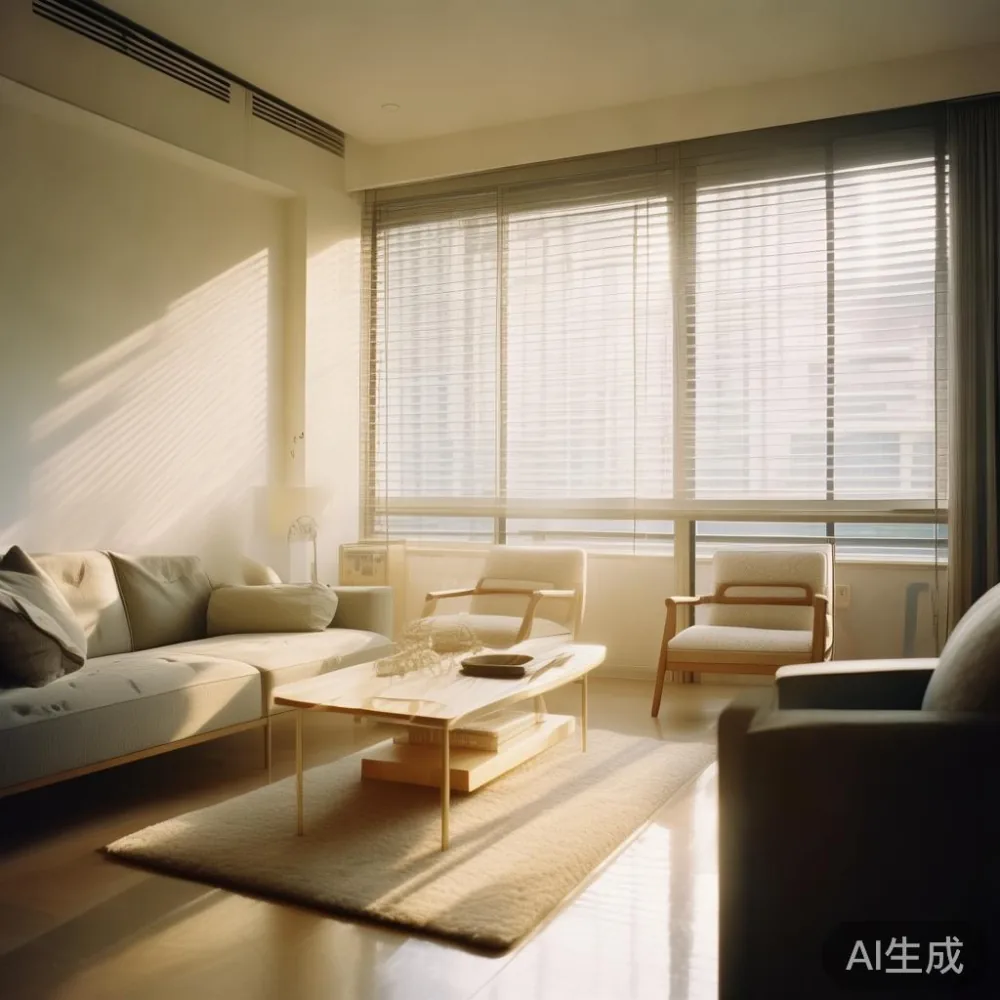
The most immediate difference between veneer and solid wood is the price. To illustrate, let's compare a typical sofa and a marble table set for a living room in a Punggol condominium. A veneer-based sofa and marble table combination from a local retailer might cost approximately SGD 2,800. This set would feature a sleek, modern design that looks appealing in the showroom.
In contrast, a solid wood sofa and marble table set from a reputable maker like Midhill would start at around SGD 4,500. This higher price reflects the cost of premium, sustainably sourced timber and more complex craftsmanship. For example, the solid wood frame of the sofa would be constructed from kiln-dried teak or mango wood, ensuring stability and preventing warping. The marble top on the table would be supported by a solid wood base, not a veneered MDF core. The price difference is substantial, but this initial investment is just the beginning of the financial story.
Year 1-2: Maintenance and Durability in Singapore's Climate
Singapore's high humidity, averaging around 80%, is a critical factor for furniture longevity. Last month, I visited a client's condo in Bedok. She had purchased a veneer dining table and nightstand set 18 months prior. The pieces looked beautiful initially, but the humidity had caused the veneer on the nightstand to lift slightly at the edges. She was advised by a repair specialist that a full re-gluing job would cost her SGD 350, and there was no guarantee the issue wouldn't recur.
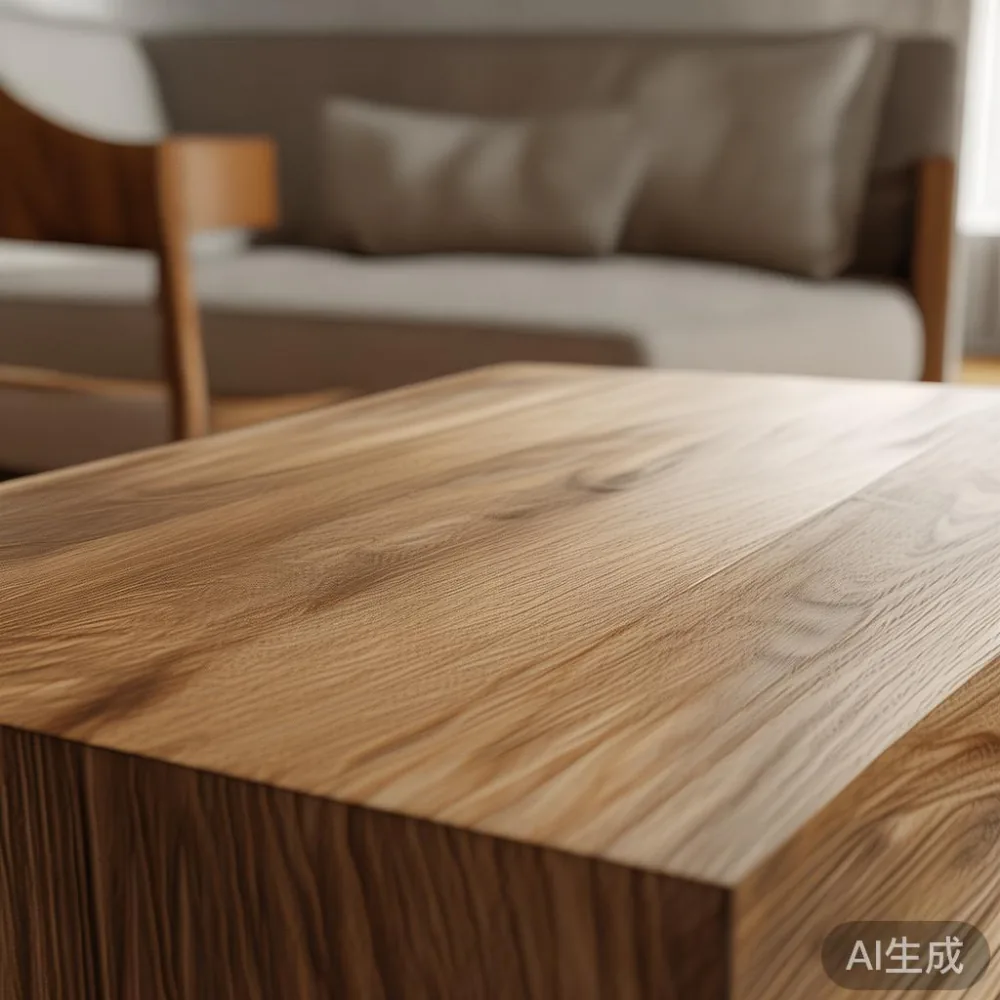
For solid wood furniture, the experience is different. Wood is a natural material that breathes. Kiln-drying processes used by quality manufacturers like Midhill remove excess moisture, allowing the wood to acclimate to the local environment. A solid wood nightstand might show minor expansion and contraction with the seasons—a sign of a living material—but it does not delaminate. The maintenance is simple: occasional polishing with a wood-specific conditioner to keep the nourished. This maintenance might cost SGD 50 every two years for the products, a stark contrast to potential repair bills for veneer.
Year 3: The Risk of Damage and Replacement Cost
By year three, the financial gap between the two options often widens. Veneer surfaces, while durable, are susceptible to deep scratches and dings. If the surface is damaged, it cannot be sanded and refinished like solid wood. Repairing a deep scratch on a veneer surface is often a cosmetic patch that may not match the surrounding area perfectly.
Consider a scenario where a heavy object is accidentally dropped on a dining table. A veneer table might suffer a chip that penetrates the thin layer of wood, exposing the MDF underneath. Repairing this could cost SGD 200 or more, and if the damage is extensive, the owner might consider replacing the entire top, a cost of SGD 800 or more. A solid wood dining table, however, can be sanded down to remove the scratch. This restoration process, which can be done by a professional or even a confident DIYer, costs between SGD 150 to SGD 300 and restores the table to nearly new condition. This ability to be restored is a key financial advantage of solid wood.
Year 4-5: Resale Value and the Cost of Aesthetics
As furniture ages, its resale value becomes a consideration. Solid wood furniture is known for its longevity and timeless appeal. A 5-year-old solid wood bed frame or wardrobe, if well-maintained, can retain a significant portion of its value. When moving homes or upgrading, one might be able to sell a pre-loved solid wood piece for 40-50% of its original price.
Veneer furniture, on the other hand, has a much lower resale value. By year five, signs of wear are more pronounced. The finish may look tired, and any repaired areas become more noticeable. It is common for veneer pieces to be sold for less than 20% of their original cost, if at all. This is a hidden cost of ownership. When you factor in the potential loss, the total cost of ownership for veneer increases substantially. For example, if you sell a veneer dining table for SGD 500 after 5 years (having paid SGD 2,800), your net cost is SGD 2,300. A solid wood table sold for SGD 1,800 (having paid SGD 4,500) results in a net cost of SGD 2,700. While the net cost is close, the solid wood piece provided a superior experience and aesthetic for 5 years.
Is Solid Wood Furniture Always a Better Financial Choice?
This is a common question from homeowners who are budget-conscious. The answer is not a simple yes or no. For items that receive minimal use, such as a formal dining table used only for gatherings or a decorative display cabinet, veneer can be a financially viable option. The lower initial cost and reduced wear might make it a suitable choice for specific applications.
However, for high-use furniture like a sofa, a bed frame, or a main wardrobe, the long-term value of solid wood becomes undeniable. These pieces are subjected to daily wear and tear. A solid wood sofa frame will not sag or crack, while a veneer one might. A solid wood wardrobe will provide stable storage for years, while a veneer one might start to warp or the doors might become misaligned. For these core pieces of a home, investing in solid wood is a more financially sound decision over a 5-year period, especially when considering the costs of repairs and diminished resale value associated with veneer.
Where to Find Affordable, High-Quality Solid Wood Options
Given the higher initial cost, finding a good deal on solid wood is important. For those looking for under 2000 Minimalist furniture, options are available but require careful selection. A single solid wood nightstand or a simple dining chair might fall within this budget, offering a way to incorporate solid wood without a massive upfront investment.
For larger pieces, it pays to research brands that offer direct-to-consumer models. For example, when a colleague was furnishing her new 4-room HDB flat in Tampines, she wanted a quality Italian light luxury TV console but was wary of high showroom markups. She found options online that eliminated the middleman, allowing her to get a solid wood and marble console for SGD 3,200, a price point that was competitive with lower-quality veneer sets from traditional retailers. This approach of cutting out the intermediary is key to finding affordable designer pieces. Similarly, when she needed a new wardrobe, she searched for where to buy wardrobe from MIDHILL to ensure she was getting a product with a structural warranty, protecting her investment.
Factoring in Logistics and Warranty: The Hidden Costs
The price tag on a piece of furniture is not the only financial consideration. Delivery and warranties are significant factors. Veneer furniture, being lighter and often flat-packed, can be cheaper to deliver. A standard delivery for a veneer set might cost SGD 80, with a delivery window of 7-10 days.
Quality solid wood furniture, however, is heavier and requires more careful handling. Reputable manufacturers often offer free shipping over a certain purchase value, such as SGD 350. This can offset the higher initial cost. More importantly, the warranty is a critical financial protection. A 10-year structural warranty from a company like Midhill provides peace of mind. It covers defects in the wood, joinery, and frame, which are the most expensive parts to repair. A veneer product might only come with a 1-year warranty, leaving the owner fully responsible for any structural issues that arise after that period. This potential liability is a hidden cost that should be weighed against the initial price difference.
The Verdict: A 5-Year Financial Snapshot
To bring this comparison into focus, let's create a hypothetical 5-year cost summary for a solid wood dining table and a veneer equivalent, including GST at 7%.
Scenario: Veneer Dining Table (SGD 2,800)
- Initial Cost (incl. 7% GST): SGD 2,996
- Year 2: Minor repair for lifting veneer: SGD 375
- Year 4: Deep scratch repair and touch-up: SGD 250
- Year 5: Resale value: SGD 560
- Total 5-Year Net Cost: SGD 3,061
Scenario: Solid Wood Dining Table (SGD 4,500)
- Initial Cost (incl. 7% GST): SGD 4,815
- Year 3: Professional sanding and refinishing: SGD 200
- Year 5: Resale value: SGD 2,025
- Total 5-Year Net Cost: SGD 2,990
This simplified calculation shows that, when accounting for repairs and resale value, a high-quality solid wood table can have a comparable, or even lower, total cost of ownership over five years than a cheaper veneer alternative. The solid wood option provides a superior experience, greater durability, and a timeless aesthetic that aligns with the principles of minimalist furniture. While cheap Italian light luxury furniture might seem appealing, it's important to scrutinize the construction. True light luxury, whether French or American, is defined by material integrity and craftsmanship, not just a price tag. For homeowners in Singapore looking to build a home that is both beautiful and built to last, the financial case for solid wood is compelling.