A Guide to Caring for Lacquered Surfaces in Tropical Singapore
Living in Singapore, with its consistently warm temperatures and high humidity levels, presents a unique set of challenges for homeowners who appreciate fine furniture. For those who invest in minimalist furniture, the smooth, reflective finish of a lacquered surface is often a key part of its appeal. This high-gloss sheen, characteristic of French light luxury and American post-modern styles, can transform a solid wood dining table or a sleek nightstand into a statement piece. However, the very climate that makes our city vibrant can also pose a threat to that pristine finish. Understanding how to care for these surfaces is not just about maintenance; it's about preserving the artistry and value of your pieces for years to come.
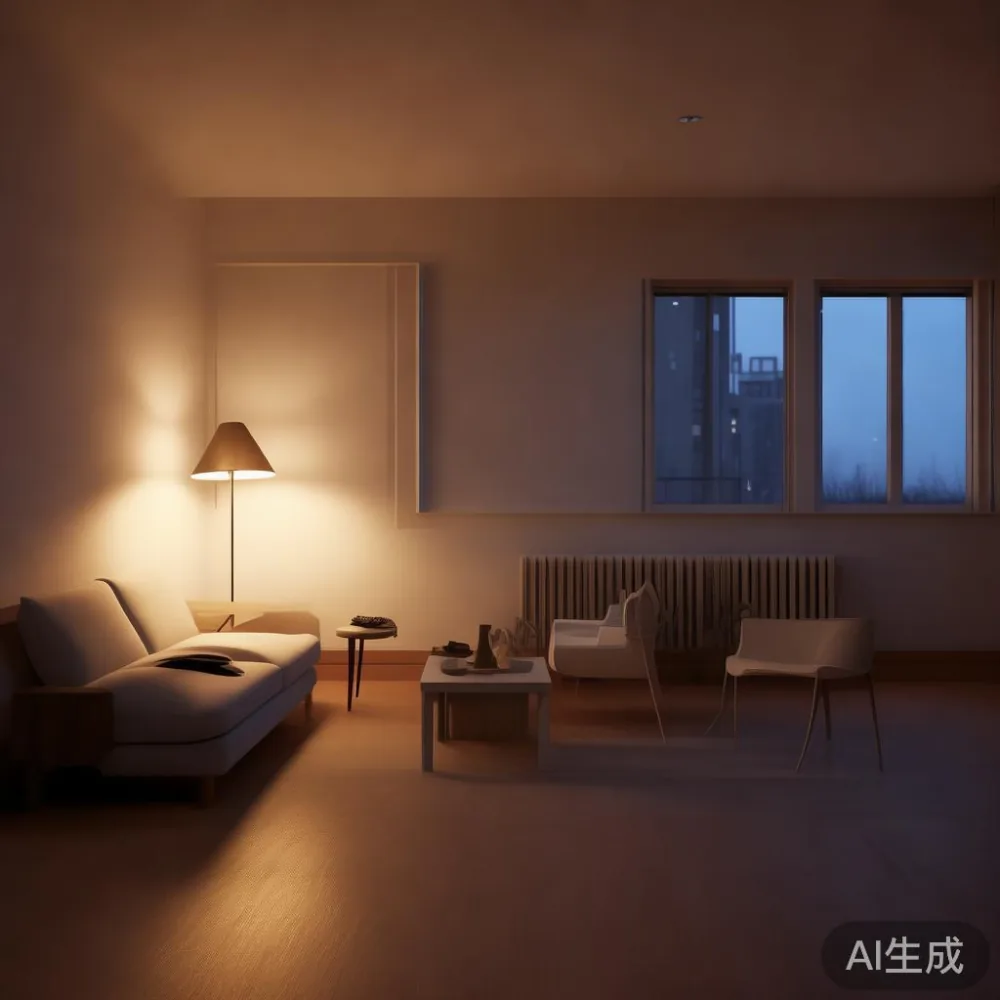
Understanding Lacquer: More Than Just a Pretty Finish
Before we discuss care, it's helpful to understand what lacquer actually is. Unlike a simple varnish or paint, lacquer is a durable, high-build finish applied in multiple thin layers. Each layer is sanded and polished before the next is applied, creating an exceptionally smooth, hard, and water-resistant surface. This meticulous process is what gives lacquered furniture its signature depth and mirror-like shine. It's a finish that demands respect, as its beauty lies in its perfection. A single scratch or stain can disrupt this flawless surface, which is why proper care is non-negotiable, especially in an environment where moisture is a constant presence.
The Singapore Climate: A Silent Enemy of Gloss
Singapore's tropical climate, with an average relative humidity of 80-85%, is the primary adversary of lacquered furniture. High humidity can cause the wood underneath the finish to expand and contract subtly. Over time, this movement can stress the lacquer layer, leading to a phenomenon known as 'blushing' or 'blooming,' where moisture gets trapped beneath the finish, creating a cloudy, white haze. This is particularly common in air-conditioned rooms that are not properly sealed, or in areas with poor ventilation like the corridor of an HDB flat in Tampines or the lift lobby of a condo in Punggol. Temperature fluctuations, such as moving a piece from an air-conditioned living room to a balcony, can also cause condensation to form on the cooler surface, potentially leaving water spots if not wiped away immediately.
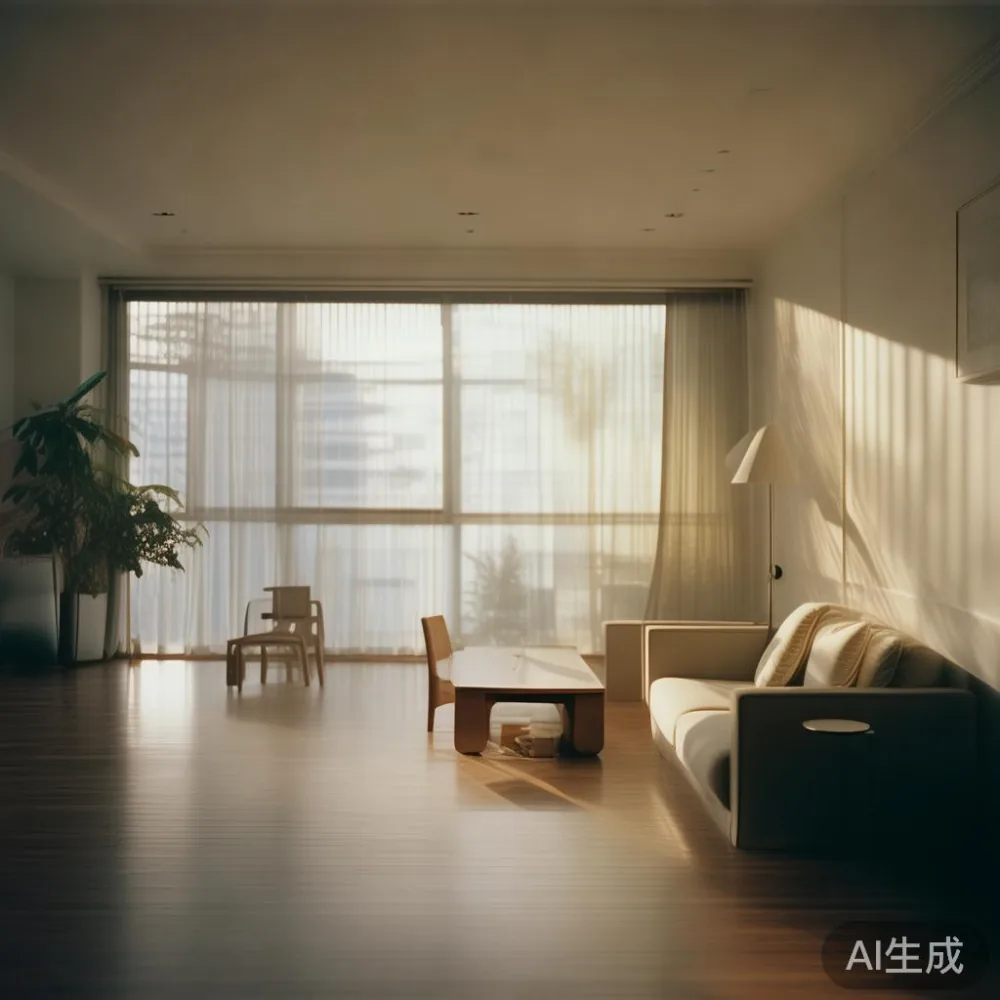
How to Clean Your Lacquered Furniture: The Gentle Touch Method
Regular cleaning is the first line of defense. The key is to be gentle. For daily dusting, use a soft, lint-free microfiber cloth. A dry cloth is usually sufficient, but for a deeper clean, lightly dampen the cloth with distilled water. Tap water contains minerals that can leave streaks or deposits on the high-gloss surface. Always wring the cloth thoroughly so it is only slightly damp, never wet.
For tougher spots or fingerprints, a dedicated furniture polish formulated for lacquered or high-gloss finishes is recommended. Apply a small amount to the microfiber cloth, not directly onto the furniture, to avoid over-saturation. A 40cm x 40cm cloth is a good size to work with. Wipe in a gentle, circular motion, following the grain of the wood if it's visible beneath the lacquer. For a solid wood dining table or a marble table with a lacquered base, this method works perfectly. Avoid using all-purpose household cleaners, as their harsh chemicals can strip the lacquer's protective layer, dulling the finish permanently.
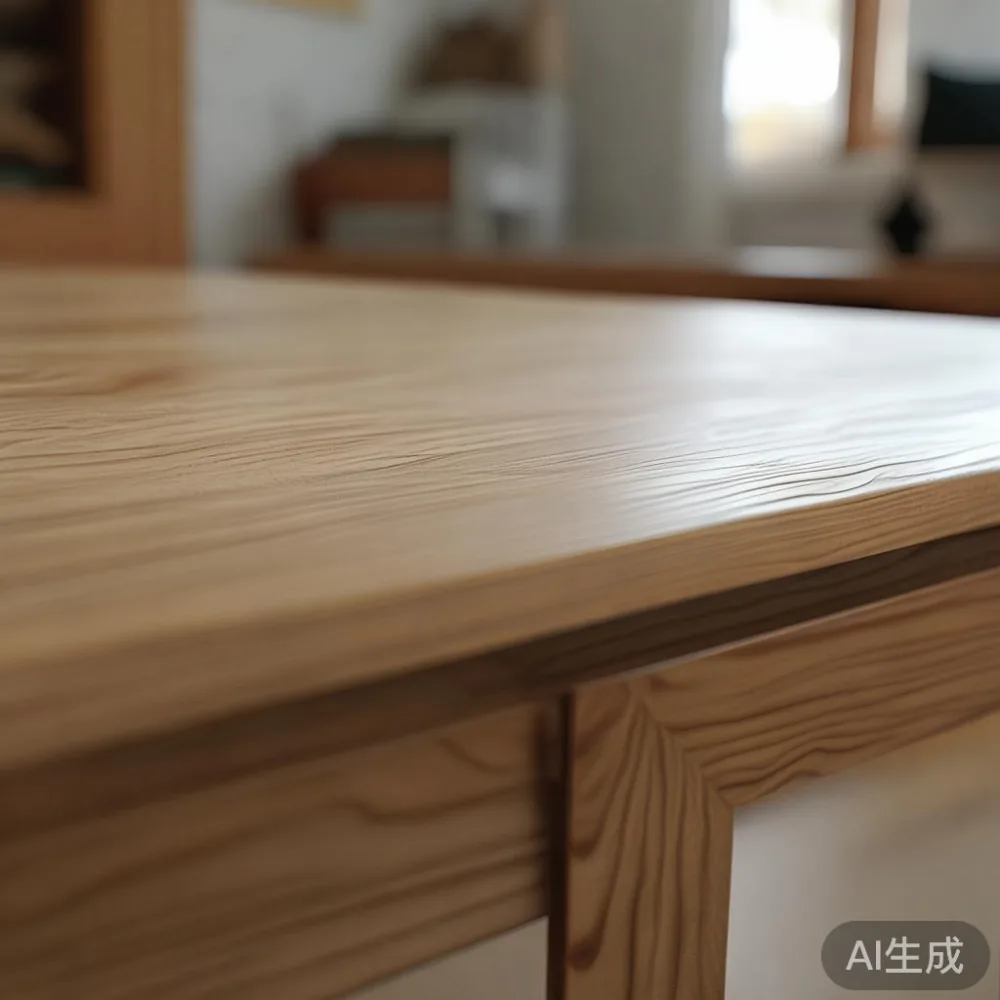
Preventing Damage: The Rules of the Road
Prevention is always better than repair. To keep your minimalist furniture looking its best, establish a few simple rules. First, always use coasters under glasses, mugs, and plates. A water ring, even from a cold glass, can be a nightmare to remove. Use placemats for hot dishes, as the intense heat from a serving dish at 80°C can create a permanent white mark on the lacquer. Place felt pads or cork coasters under the legs of lamps, vases, and other decorative items to prevent scratches when moving them.
Positioning is also critical. Avoid placing lacquered furniture directly in front of an air-conditioning vent or a window where it receives direct, prolonged sunlight. UV rays can cause the lacquer to yellow and fade over time. In a condo in Bedok, for example, a sleek nightstand next to a large window might need a sheer curtain to filter the harsh afternoon sun. Similarly, keep a safe distance from humid areas like bathrooms or kitchens, where steam can silently compromise the finish.
What to Do When Accidents Happen: Addressing Common Issues
Despite our best efforts, accidents can occur. If you notice a water spot, act quickly. Gently blot the area with a dry, soft cloth. If the spot persists, you can try applying a small amount of baking soda to a damp cloth and gently rubbing the spot in a circular motion. For stubborn stains, a specialized lacquer polish or a very mild solution of water and a drop of dish soap can be used, but test it on an inconspicuous area first, like the inside of a wardrobe door, to ensure it doesn't damage the finish.
For fine scratches, a high-quality scratch repair marker or a specialized furniture touch-up pen can work wonders. These products are designed to fill in minor imperfections and blend with the surrounding finish. For deeper damage, professional repair is the only option. A skilled craftsman can sand down the affected area and re-apply lacquer to match the original finish. This is a service that some high-end retailers, including those offering luxury European light luxury furniture, may provide, or it can be arranged through a professional furniture restoration service in Singapore, which might cost between SGD 150 to SGD 400 depending on the extent of the work.
Is French Sofa Worth It When Living in a Humid Climate?
This is a question many design enthusiasts in Singapore grapple with. A French sofa, with its elegant curves and often plush upholstery, can be a stunning centerpiece in a living room. The frame of a quality piece is typically made from solid wood and finished with a durable lacquer or varnish. The answer to whether it's worth it lies in the quality of the craftsmanship and the commitment of the owner. A well-made French sofa from a reputable brand like MIDHILL will have a solid finish designed to withstand the elements. However, it does require the owner to be diligent. Placing it away from direct sunlight and ensuring good air circulation is key. If you are prepared for the maintenance, the timeless beauty and comfort of a French sofa can absolutely be worth the investment in a Singaporean home.
Long-Term Care: Protecting Your Investment
Caring for lacquered furniture is a long-term commitment that pays off. Every few months, you can apply a high-quality carnauba wax polish. This creates a protective barrier against moisture and dust and enhances the shine. Use a soft applicator pad, apply a thin, even layer, and buff it to a brilliant finish with a clean microfiber cloth. This simple ritual, taking no more than 15 minutes for a dining table, can dramatically extend the life and beauty of your pieces.
When considering new furniture, think about the finish. A minimalist furniture approach often favours clean lines and simple, durable finishes. For example, a Japanese sofa vs Mid-century modern sofa might offer different aesthetics, but both can be excellent choices if they feature a high-quality, moisture-resistant lacquer. The same principle applies to a wardrobe; a MIDHILL wardrobe with a smooth, well-maintained lacquered finish not only looks sophisticated but is also practical in a humid climate as it's less likely to absorb moisture and warp than an unfinished wood piece.
Choosing the Right Furniture for Your Space
When selecting minimalist furniture for your Singapore home, consider the specific environment. For a guest room, you might opt for a lighter, more airy feel. The concept of light luxury for guest room can be perfectly executed with a bed frame and nightstands in a pale wood with a satin or matte lacquer finish. These finishes are less prone to showing fingerprints and minor imperfections than a high-gloss finish, making them ideal for a space that sees occasional use. Alternatively, modern Mid-century modern furniture often features teak or walnut with a rich, warm lacquer that is both durable and stylish, creating a welcoming atmosphere for visitors.
For the bedroom, a solid wood bed frame with a durable lacquer is a practical and elegant choice. The smooth surface is easy to wipe down, and the hard finish protects the wood from the humid air. Pairing it with a nightstand of the same material creates a cohesive look. For the living area, a marble table with a sturdy, lacquered base combines the cool elegance of stone with the protective qualities of a high-quality finish. This combination is not only beautiful but also highly functional in a tropical climate.
Nordic for Guest Room: A Practical Choice for Singapore
The Nordic design philosophy, with its emphasis on simplicity, natural light, and functional beauty, has found a welcoming audience in Singapore. When considering Nordic for guest room furniture, the focus is often on light woods like birch or ash and clean lines. These pieces are frequently finished with a clear, protective lacquer that highlights the wood's natural grain. This aesthetic aligns perfectly with the principles of minimalist furniture. A guest room furnished with Nordic pieces feels calm, uncluttered, and restful. The light wood tones can make a smaller space, like a typical HDB bedroom, feel more open and airy. The durable lacquer finish ensures that the furniture remains looking fresh and new, providing a comfortable and stylish environment for your guests without requiring constant, intensive upkeep.