Southeast Asia Humidity and Wood Furniture: A Singapore Guide
Singapore’s warm, humid climate can change the dimensions, joint tightness, surface finish, and long-term stability of solid wood furniture. The effect is easy to overlook in a new HDB flat at Tampines, yet it becomes noticeable beside an air-conditioned bedroom in Bedok, near a ventilation shaft in Punggol, or along a sunlit condo corridor with wide glazing. Temperature swings and airborne moisture work together: a walnut dining table may widen by a few millimetres during a rainy week, while a solid wood sofa frame can develop faint movement around its rails if dry indoor air follows a humid afternoon.
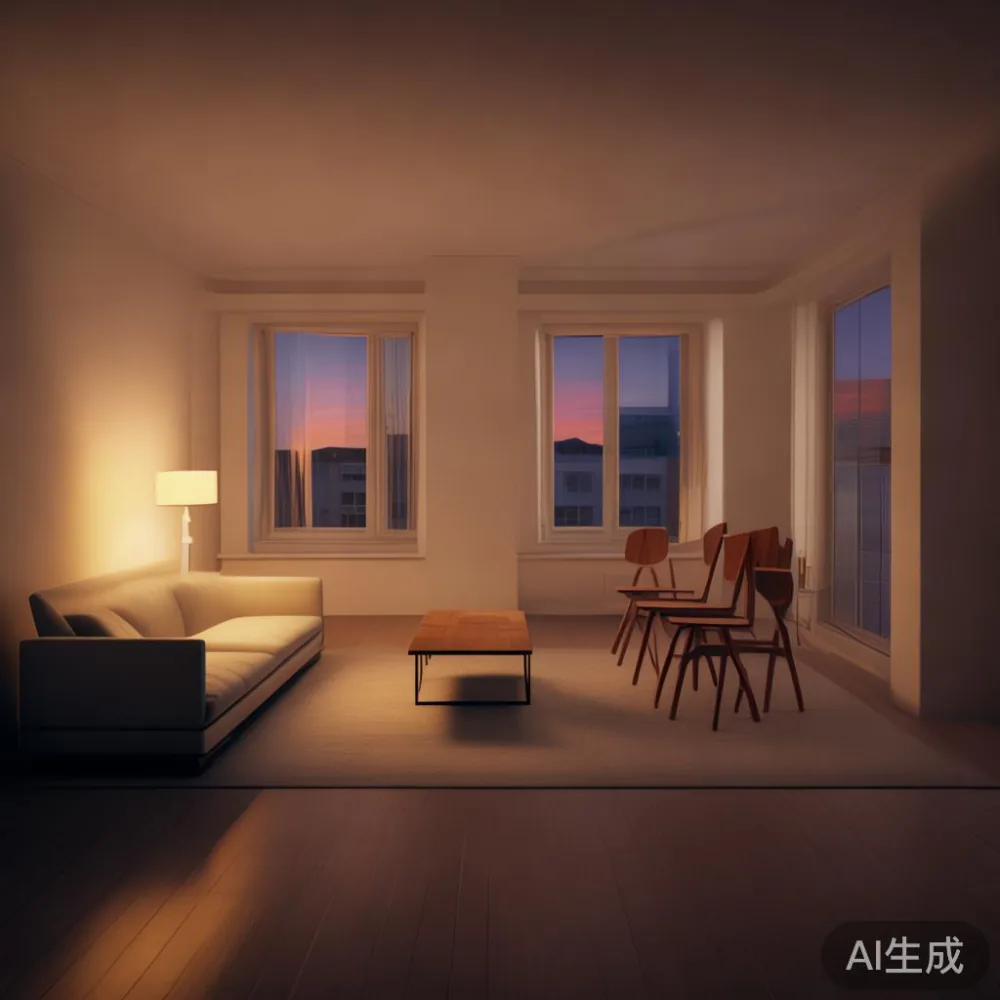
This guide explains how humidity affects solid wood, why local construction and air-conditioning matter, and what Singapore homeowners can do to protect furniture without surrendering its character. It also covers delivery planning, lift dimensions, GST, maintenance, and practical choices for minimalist furniture in compact urban homes.
What humidity does to solid wood furniture
Wood is hygroscopic: it absorbs and releases moisture as the relative humidity around it changes. Southeast Asia can experience daytime relative humidity above 80%, while air-conditioned interiors may settle near 40% to 55%. A 2.0 m solid oak dining table assembled in a humid room can move by roughly 2–4 mm across its width over seasonal changes. That movement is normal for solid timber, although repeated swelling and shrinkage can loosen joints, make doors sit unevenly, and put stress on lacquer.
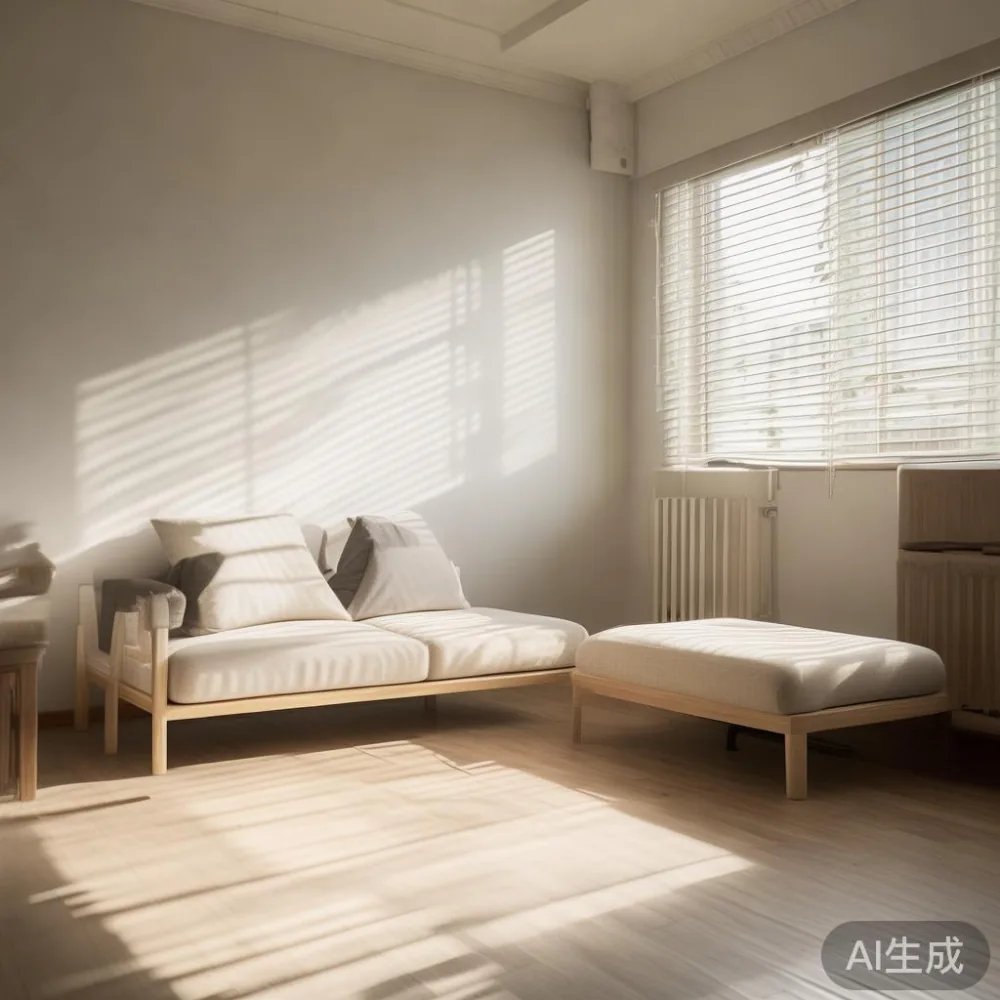
Solid wood bed frames respond differently from veneered or particleboard products. A carefully made solid wood bed frame uses timber movement allowances around rails and tenons. Dense hardwoods such as teak and walnut generally move less than softer woods such as pine, but species, grain direction, thickness, and finish all affect the result. A poorly sealed end grain can absorb moisture faster than a finished face.
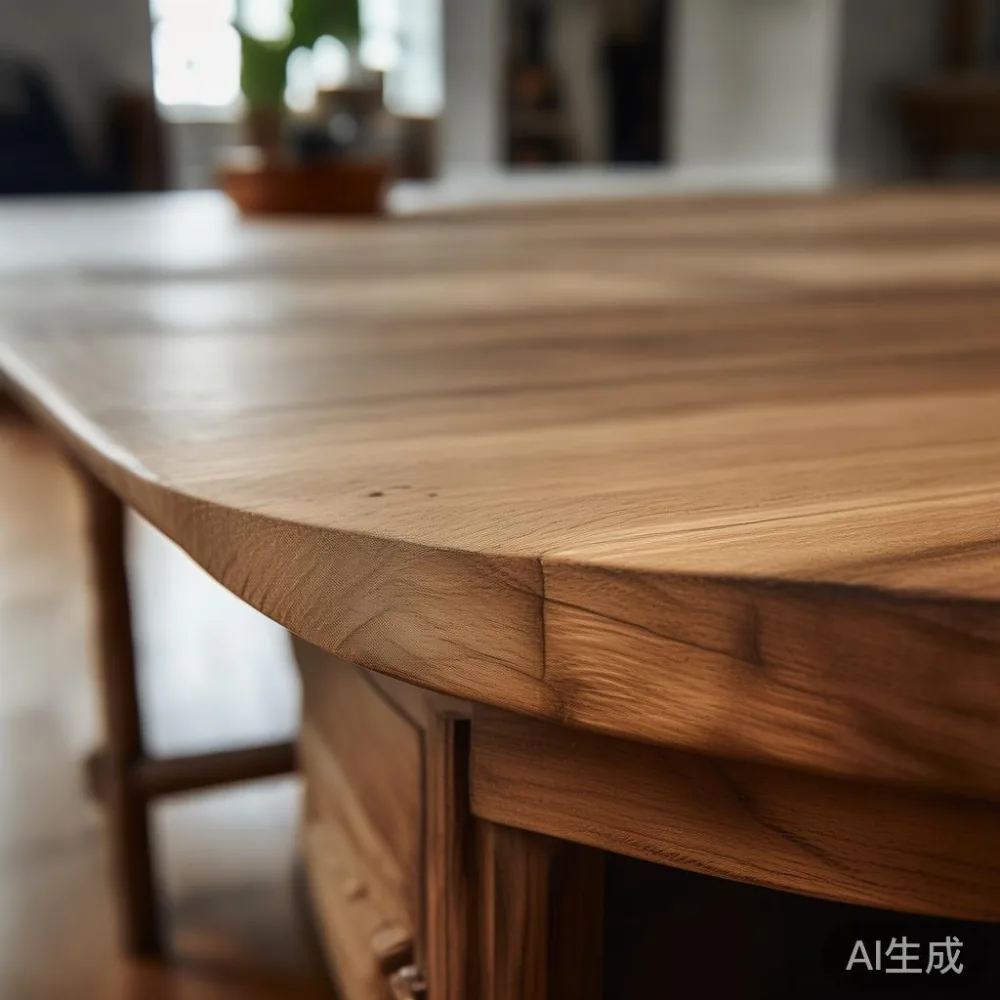
Humidity does not automatically damage furniture. It becomes a risk when moisture changes quickly, furniture is placed next to a leak or vent, or new pieces are installed before they have acclimatised. In one recent visit to a colleague’s three-room HDB flat in Bedok, I tested a solid oak dining table with a digital moisture meter on the same day it arrived. The readings ranged from 8.2% to 9.1% across the top. After 72 hours at 26°C and 54% relative humidity, the highest-reading area settled to 8.6%. The modest change confirmed why a measured setup period matters more than constant panic-wiping.
Careful acclimatisation also applies to a solid wood sofa, a marble table, and a wardrobe with fitted doors. Stone does not expand like timber, but its support frame still does. Marble should reach room temperature before installation and must never be treated with acidic household cleaners. A light oak nightstand needs ventilation from all sides; pushing it tightly against a wall can trap moisture behind the case and side panels.
Why Singapore interiors create a mixed humidity environment
Singapore’s outdoor climate is only one part of the exposure. The real environment is often divided into wet and dry zones. Bedok’s coastal location, Tampines’s open HDB blocks, Punggol’s newer developments, and high-rise condos with sealed glazing all produce different indoor patterns. A unit beside an open corridor may experience more airflow and fluctuating humidity than an interior flat reached through a sheltered lobby.
Air-conditioning is the strongest indoor control. Cooling lowers temperature and, as a side effect, reduces relative humidity. Warm outdoor air entering a hallway during a power cut can raise humidity quickly, especially where condensation forms on glazing. For wood furniture, aim for stable conditions rather than chasing a single perfect number. A practical target is approximately 40% to 60% relative humidity, with limited variation over 24 hours.
Use a calibrated hygrometer rather than guessing. Place it 1.0–1.5 m above the floor and away from air-conditioning outlets, bathroom doors, and windows. Record readings at 8 a.m., 3 p.m., and 10 p.m. for 7 days. If the display moves from 42% to 78% each afternoon, address ventilation and temperature control before adjusting the furniture itself.
Singapore homes also require careful spatial planning because lift and corridor dimensions can determine which pieces can enter. A common residential lift interior is about 110 cm wide by 140 cm deep, with an 80–90 cm door opening, though building-specific measurements vary. A solid wood bed frame may arrive as two sections, but even then the packed carton must fit through the HDB common corridor and turning corners. For a condo, obtain the loading-bay and lift dimensions before ordering a 210 cm wardrobe or a 220 cm dining table.
Which wood and construction choices suit the climate?
Teak, oak, ash, walnut, and other properly kiln-dried hardwoods can perform well in Singapore when construction details are sound. The key is not merely the wood species but moisture content at manufacture, grain orientation, joinery, and sealing. MIDHILL uses kiln-dried solid timber and stable joinery methods, while a 10-year structural warranty covers the frame construction rather than every finish or moisture-related appearance change.
For minimalist furniture, look for restrained profiles, ventilated backs, and finishes that allow the timber to age visibly. French light luxury often pairs pale oak with gentle curves and honed stone, which suits a bright HDB living room without overwhelming a 25–35 m² space. American light luxury tends toward deeper walnut tones, broad clean surfaces, and thicker profiles. Post-modern light luxury can combine geometric cases with tactile timber grain, but the result still needs room for expansion and shrinkage.
Customers comparing a light luxury sofa vs Japandi sofa should distinguish upholstery from the frame. A Japandi design may use a light timber base, while a light luxury model may have a padded silhouette; either way, inspect the solid wood sofa frame, cover the legs to protect the floor, and leave space for cleaning. The phrase Industrial for guest room describes a styling direction, not a moisture solution. In that setting, the Industrial for guest room furniture should still have sealed joints and a finish suitable for tropical use.
For a Modern light luxury wardrobe, check the door gaps, sliding or hinged clearances, and moisture-resistant internal panels. A Modern light luxury wardrobe fitted into an alcove needs at least 5 cm of ventilation space at the rear where possible, plus access to the service void if the unit sits beside a wet wall. Italian light luxury for apartment layouts can suit pale marble and oak, yet import charges, GST, and lift access must be included in the decision rather than focusing only on appearance.
Modern light luxury for office storage should account for stronger air-conditioning during working hours. Place a solid wood desk or cabinet where vents do not blow directly across its top. For a marble table, use a level support within 2–3 mm across the base and maintain a small expansion gap where the stone meets a wall.
How should solid wood be acclimatised after delivery?
Keep packaged furniture away from direct air-conditioning outlets, exterior walls, and damp entry areas. Uncrate the solid wood dining table or bed frame, remove protective wrapping, and retain the moisture barrier beneath the pieces if it was supplied for floor protection. Do not seal furniture inside plastic for several weeks; trapped moisture can create mould risk on packaging and timber surfaces.
Allow unpainted or lightly finished timber to acclimatise for 5–14 days. Keep it at 24–28°C and around 50–60% relative humidity, with gentle air movement. For an assembled wardrobe or nightstand, follow the supplier’s instructions because removing panels may affect warranty terms. MIDHILL can provide item-specific guidance, and their lifetime refinishing service offers a practical route for restoring colour consistency after years of use.
Measure the room before ordering. A 180 cm solid wood dining table needs at least 90 cm clearance from the table edge to a wall or furniture for a single-serving layout; 120 cm is more comfortable for six diners. A 200 cm bed frame requires about 60 cm on each side for drawers and bedding, while a 150 cm wardrobe may need 10 cm of installation clearance at the top if wall panels are uneven. Compact HDB rooms often benefit more from a 140–160 cm dining table and a slim 40 cm nightstand than from oversized pieces.
MIDHILL furniture ships internationally to more than 15 countries and offers delivery over US$350, although Singapore orders should be quoted in SGD with GST included where applicable. Check the stated delivery window in writing: regional production and consolidation can take 14–30 days, while made-to-order pieces may require 30–60 days. Singapore’s 9% GST applies to taxable local sales. Delivery to the lift lobby may take 15–30 minutes for a small nightstand and 45–90 minutes for a wardrobe or bed frame, depending on access and building rules.
How can I protect a solid wood sofa or bed frame from humidity?
Place solid wood furniture at least 30–60 cm from exterior windows, bathroom doors, laundry areas, and ventilation outlets. Use felt pads under every leg and keep 5–8 cm behind an open-backed nightstand. Do not drape thick blankets against a wardrobe during humid nights because fabric can hold moisture against wood or stone.
Clean with a soft, slightly damp cloth, then dry immediately. Use pH-neutral wood soap, with approximately 5 mL mixed into 500 mL of water, and test it under the sofa or behind a drawer front. Avoid ammonia, bleach, vinegar, and silicone-heavy furniture sprays. Wipe marble with neutral pH cleaner; acidic spills can etch the surface. A soft microfibre cloth removes dust without forcing moisture into open grain.
Inspect moving parts every 6 months. Tighten fittings gradually if a dining table shows movement, but do not force every joint to the same tension. Re-oil unfinished or oil-finished timber every 12–24 months or when water no longer beads on the surface. Lacquered pieces need abrasion and recoating according to the finish system rather than random oiling over the top.
Watch for early warnings: doors catching on one side, a drawer that no longer closes squarely, a white haze appearing after wet cleaning, or a musty smell beneath upholstered parts. Address condensation, leaks, and rapid humidity swings immediately. If the question is is American sofa worth it, the answer depends on frame construction, dimensions, comfort, and local service—not on a brand nationality alone. A solid frame with sound joinery and manageable proportions usually offers greater long-term value for a Singapore household.
How do lift access, returns, and warranty terms affect a furniture purchase?
Measure more than the lift door. In many HDB developments, the usable lift car is approximately 110 × 140 cm, but the narrowest corridor turn can be 100–120 cm. Ask the building manager for the actual dimensions and reserve the service lift if required. A 220 cm solid wood dining table may be impossible to turn through a staircase even if it fits inside the lift diagonally.
For complex orders, request a carton-by-carton size and weight report. A solid wood bed frame carton may weigh 45–80 kg, a dining table 35–65 kg, and a wardrobe 75–140 kg. Delivery crews need a clear route and, in some buildings, a booking slot at least 7 days ahead. Check whether stair carry, assembly, or lift reservation is included rather than assuming it is.
MIDHILL provides a 14-day return window and a 10-year structural warranty. Confirm the return conditions before delivery, especially for made-to-order furniture, custom upholstery, and installed pieces. The lifetime refinishing policy can be valuable for solid wood surfaces, but finish colour, stone treatment, and physical dimensions should be agreed in writing.
Budget in SGD with GST included. A mid-range solid wood dining table may sit around SGD 1,600–SGD 3,200, a solid wood bed frame around SGD 1,100–SGD 2,400, and a solid wood wardrobe around SGD 2,200–SGD 5,000. These ranges vary with timber, dimensions, joinery, and finish. For a Tampines HDB flat, a smaller Scandinavian-style dining table might cost SGD 1,200–SGD 1,800, while a Punggol condo dining room may justify a 200 cm solid oak table at SGD 2,400–SGD 3,800.
What practical routine keeps minimalist furniture stable?
Check humidity once each morning with a calibrated meter, maintain 40% to 60% relative humidity where feasible, and schedule cleaning every 2–4 weeks. Leave gaps around furniture, keep air moving gently, and move pieces away from damp walls. For seasonal preparation, wipe the surface, inspect joints, and apply an approved maintenance product only when required.
Minimalist furniture works particularly well in Singapore when scale and climate are treated as one decision. Pale solid wood can soften a compact flat, a restrained solid wood sofa can face the corridor without blocking circulation, and a properly engineered bed frame can remain stable between the bedroom and air-conditioned living area. The goal is controlled variation, not an airtight room or constant maintenance. Stable indoor conditions, thoughtful construction, accurate measurements, and care delivered at the right intervals will protect the grain, joints, and appearance for years.