In real rooms
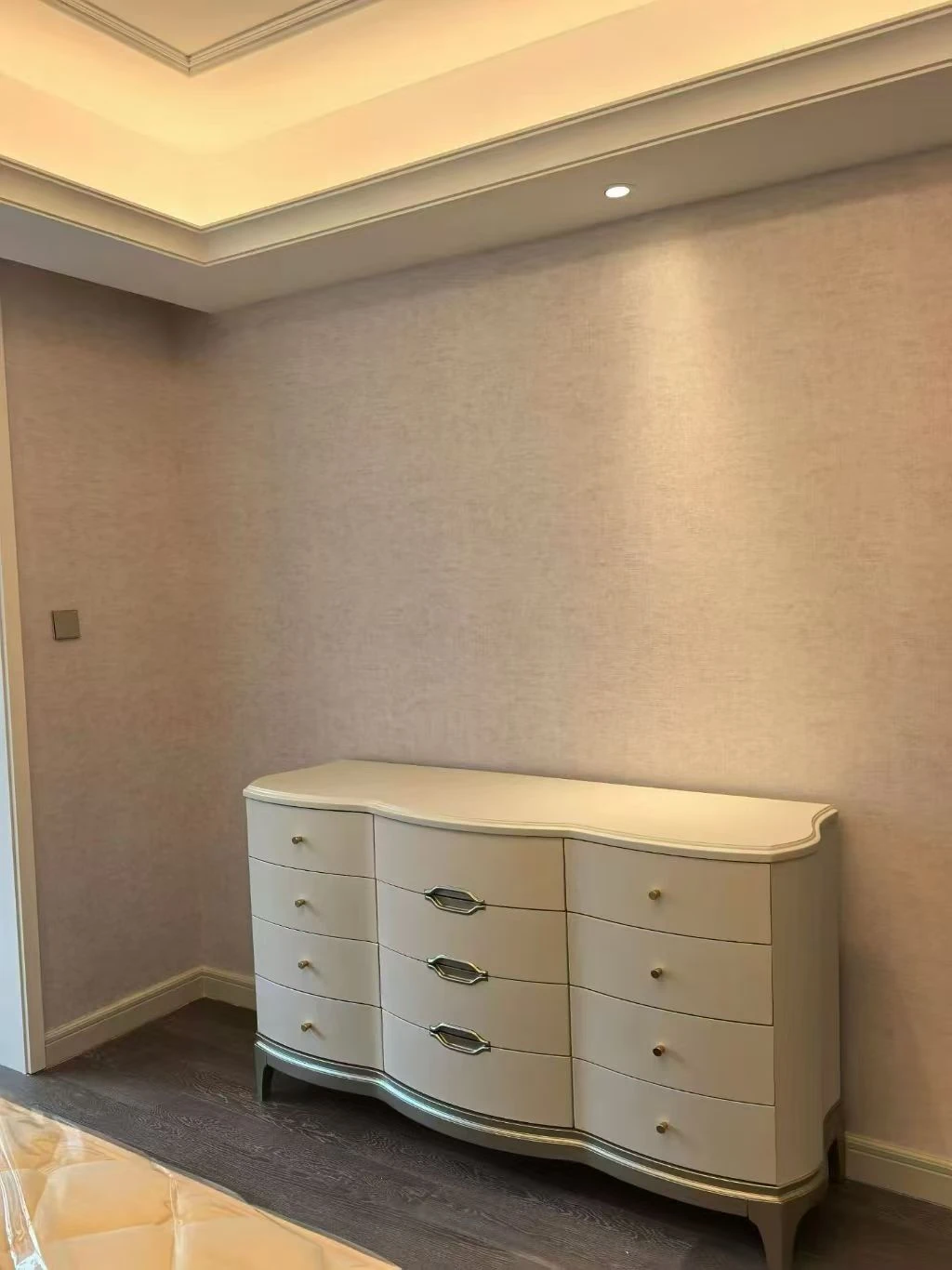
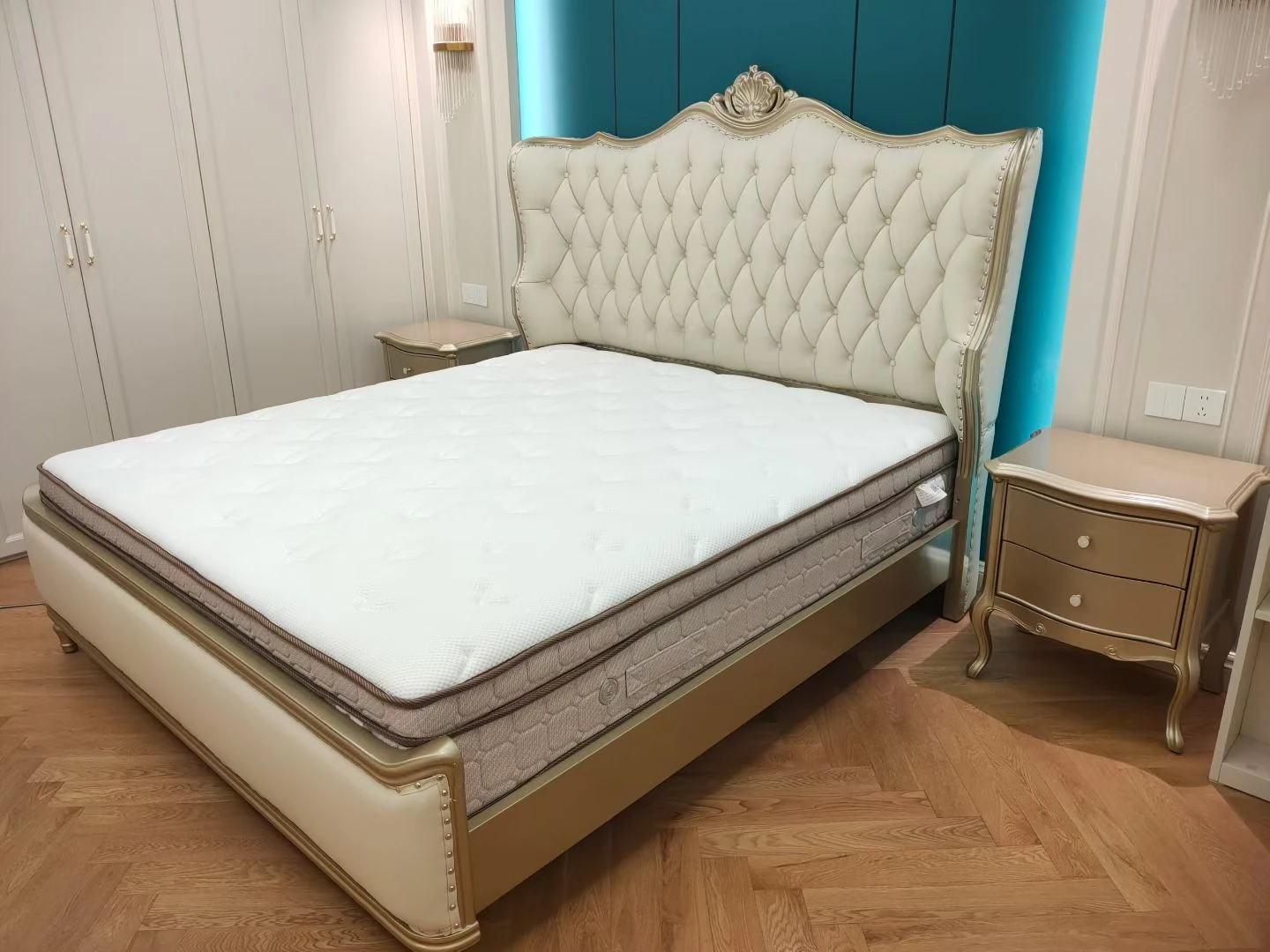
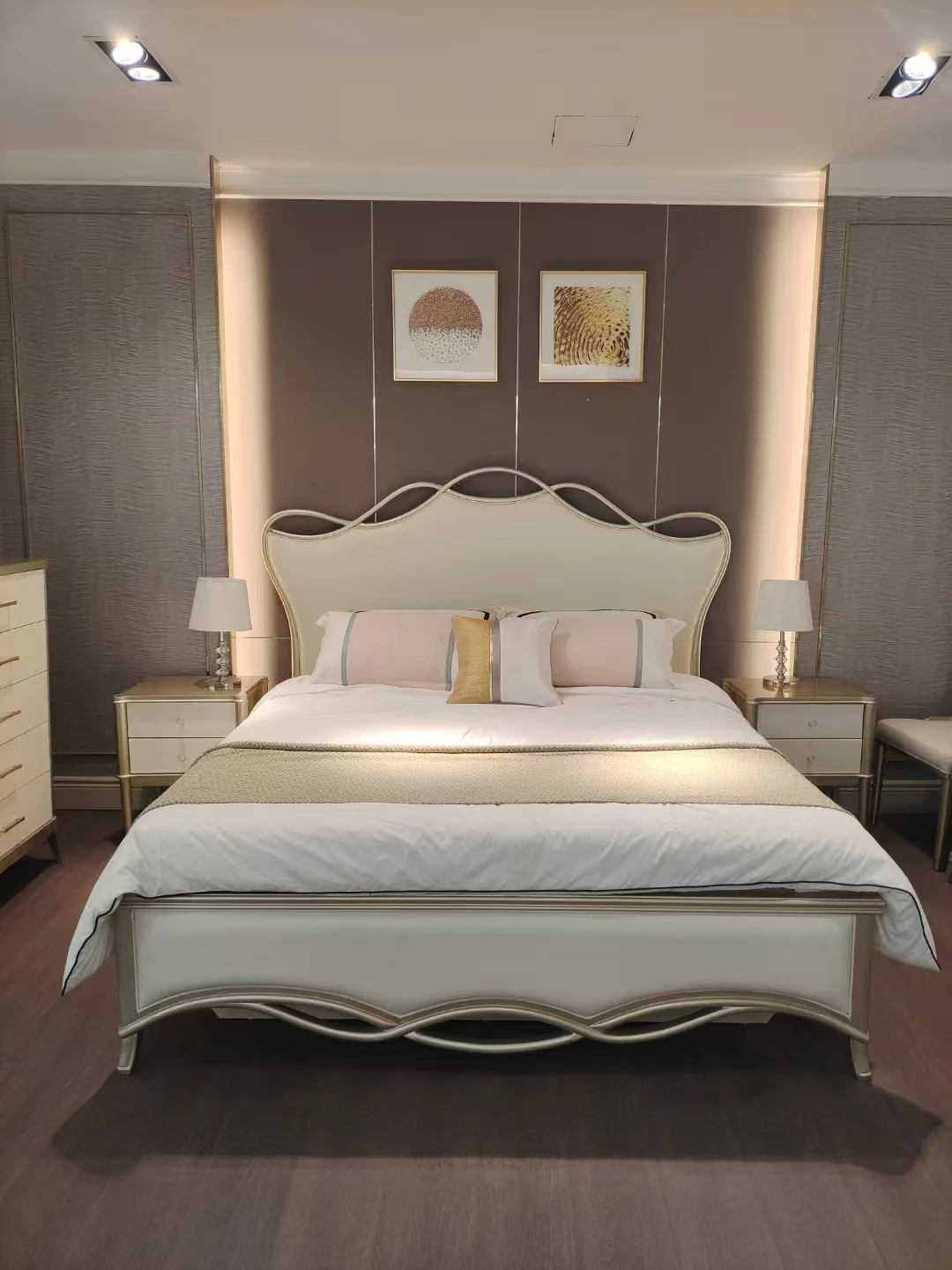
Curated for Singapore Living
Minimalist furniture isn't about empty rooms—it's about intentional choices that make HDB flats and condos feel spacious, calm, and deeply personal.
Explore 20 guides written for Singapore homeowners and renters who want clarity over clutter, quality over quantity, and designs that honour the art of less.
Before a single chair enters your door, measure the floor plan, note doorway widths, and sketch a rough zone map. This one habit prevents costly returns and cramped layouts in compact HDB living rooms.
A quick look at how plywood, MDF, and oak differ for Singapore's humid climate—and which holds up best over time.
Guide 03Beige doesn't have to read as sterile. See how texture and material layering bring life to a monochrome scheme.
Lift-top designs, hidden drawers, and nesting pairs that let a single piece serve as desk, storage, and surface.
High-bed frames with hydraulic lifts offer seasonal storage without making a bedroom feel lower than it already is.
Before buying minimalist furniture, measure your space precisely: note room dimensions, ceiling height, and doorway/elevator sizes for delivery access. Compare pieces by their visual weight and proportion—opt for slender legs and raised bases to maintain airiness. Evaluate material quality: solid hardwoods or powder-coated steel outlast particleboard. Ask about joinery (dovetail or mortise-and-tenon are durable), finish durability, and whether items are modular or expandable. Inquire if the design accommodates multi-functionality, essential in compact Asian homes. Request exact dimensions and weight limits, and verify if assembly tools are included. Prioritize pieces that offer longevity over trendy aesthetics to ensure your space remains functional and serene.
Good minimalist furniture survives because of what you cannot see. Solid hardwoods like teak, oak, or birch resist warping in tropical climates far better than particleboard or MDF, which swell and delaminate under humidity. Look for joinery: mortise-and-tenon, dowel, or dovetail joints outlast staples and glue alone. Check that drawer slides are metal with ball bearings, not plastic. Legs should be screwed in from the inside, not merely nailed on. Warning signs include wobbly frames, veneer peeling at edges, sagging seat cushions lacking high-resilience foam, and hardware made from thin stamped steel that strips easily. In humid regions like Singapore and Kuala Lumpur, avoid untreated softwoods entirely—choose powder-coated metal or properly sealed timber instead.
Minimalist furniture adapts to local living conditions: Singapore prioritizes moisture-resistant materials and multi-functional pieces for compact HDB homes; Malaysia favors breathable woods and elevated designs for airflow in tropical humidity; Japan demands precise scaling for tatami-based layouts and integrated hidden storage; Korea leans toward sleek, tech-friendly designs for narrow apartment corridors; Thailand opts for lightweight, natural materials that blend indoor-outdoor living in warmer climates. True minimalism respects each nation’s spatial constraints, climate needs, and daily routines.
Before purchasing minimalist furniture, buyers across Asia consistently ask about dimensions and fit. Open-plan living spaces in Singapore and Tokyo demand pieces that don’t overwhelm a room. They also want to know about material quality—whether solid teak or oak will scratch or warp in tropical humidity. Assembly is another frequent concern, with many preferring flat-pack options that arrive pre-drilled and tool-free. Buyers often ask whether neutral colours like beige, grey, or black will show dust easily in dry climates. Finally, they inquire about warranty coverage and return policies, especially when ordering cross-border between Malaysia, Thailand, and Korea. These practical questions matter far more than aesthetics alone.
Answers to what Singapore buyers ask most
Want the longer version? Browse all buying guides for this category.