The Silent Challenge: How Southeast Asia's Humidity Impacts Your Solid Wood Furniture
For residents of Singapore, living with wood is a daily reality. It's in the HDB door frames, the condo flooring, and the cherished pieces that transform a house into a home. Yet, the very air we breathe presents a constant, subtle test for these natural materials. Singapore's climate, characterised by an average relative humidity of 80-85%, is not just a matter of perspiration; it's a dynamic force that can cause solid wood to expand, contract, and warp. Understanding this relationship is key to preserving the beauty and integrity of your furniture for decades. This is especially relevant for those who invest in minimalist furniture, where clean lines and natural grain are the focal points.
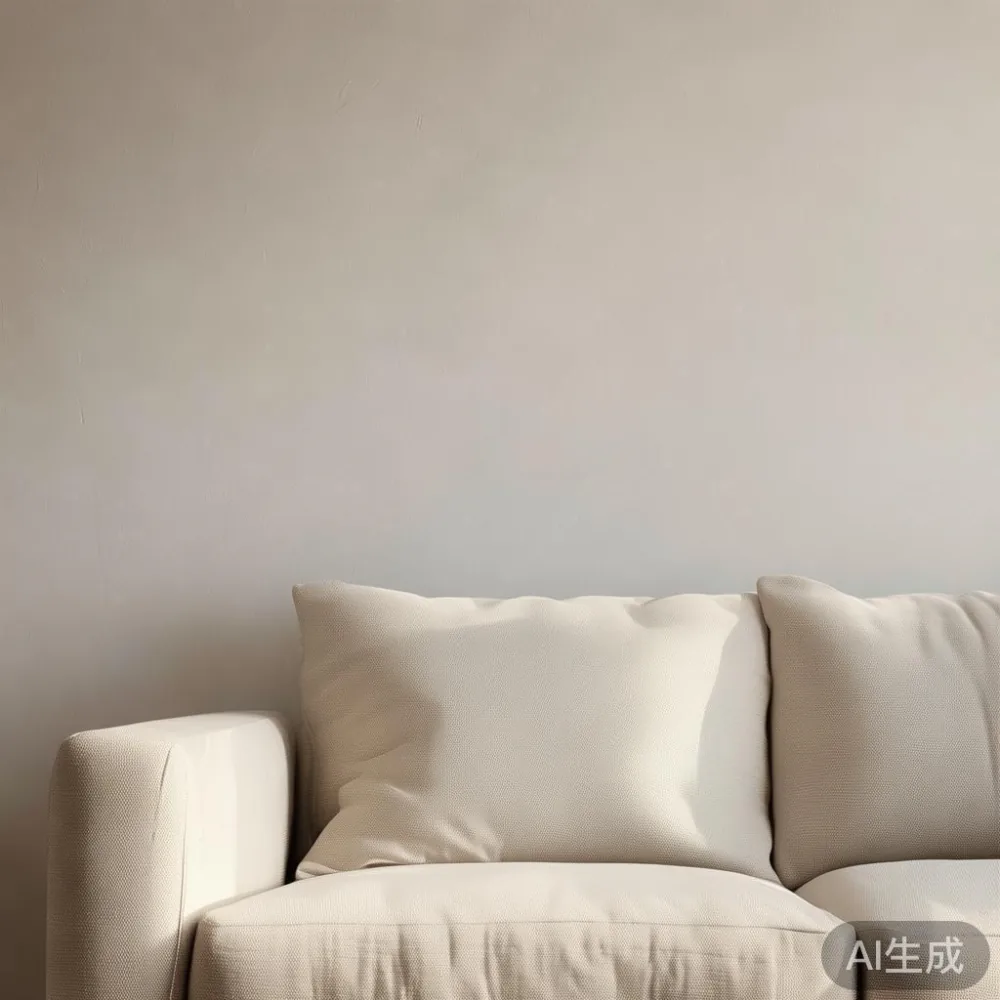
Why Does Wood React to Humidity?
Wood is a hygroscopic material, meaning it absorbs and releases moisture from the surrounding air. Think of it like a sponge. In high humidity, such as during the monsoon season when levels can spike to 90%, wood absorbs moisture, causing its cells to swell. This process, known as swelling, makes the wood expand. Conversely, in drier periods, wood releases moisture and contracts. This natural cycle is inherent to all wood, but the degree of movement varies depending on the species, grain direction, and how the wood was initially dried and treated.
For a solid wood dining table measuring 180 cm in length, this movement might seem negligible, but over time, it can lead to significant stress. A table top that expands by just 1-2 mm can cause the legs to splay or the central panel to crack if not properly accommodated by the furniture's design. This is why the construction of a piece is as important as the wood itself. A well-made piece will feature techniques like floating tops—where the table top is attached to the base with clips or brackets, allowing it to move freely without cracking—or slotted screw holes that give the wood room to expand and contract.
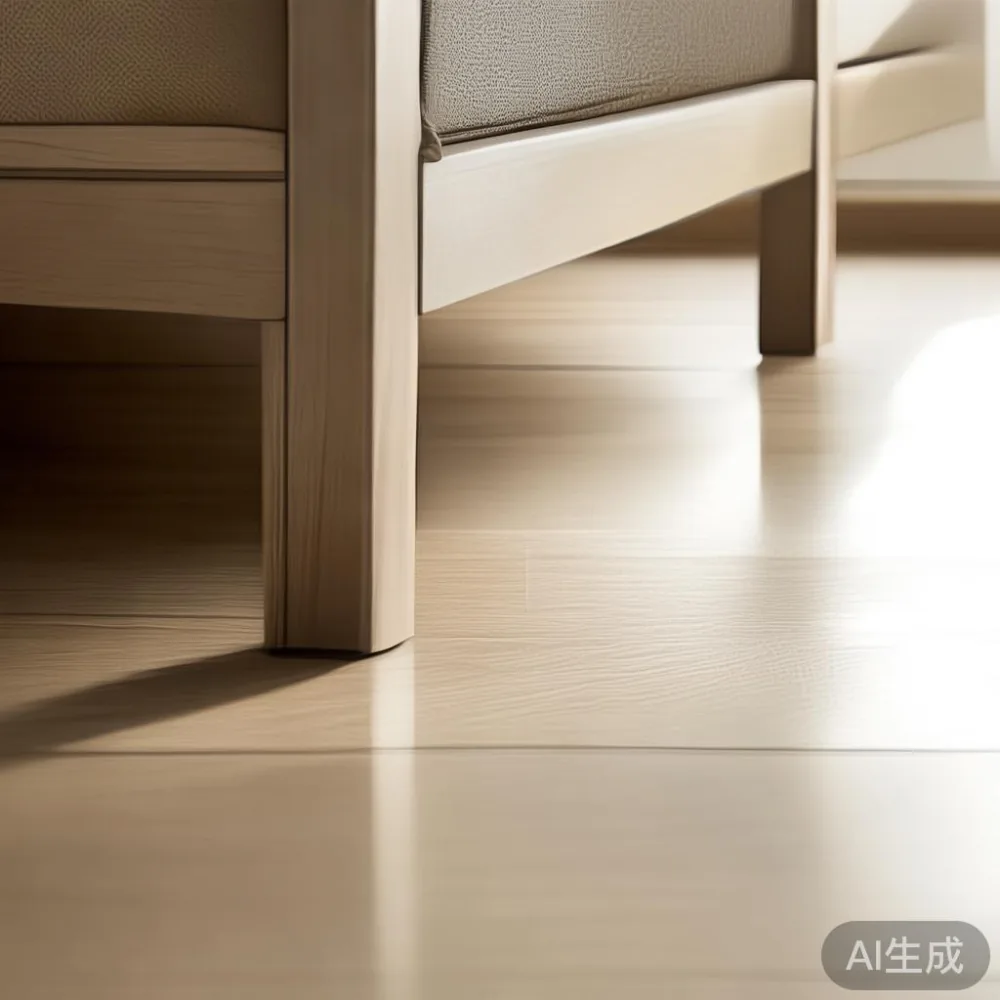
Visible Signs of Humidity Damage in Your Home
The effects of humidity on wood furniture are often gradual and can be mistaken for poor quality. However, for the discerning eye, these signs tell a story of the material's struggle with its environment. In Singapore's HDB flats and condos, where air conditioning is used to combat the heat, you might notice these issues more acutely in rooms where the AC is cycled on and off frequently.
One of the most common signs is gapping. This occurs when the wood contracts, causing seams to open up. In a solid wood wardrobe, you might see a visible gap, up to 3-5 mm wide, between the door and the frame. While this is a natural response, excessive or uneven gapping can indicate that the wood is losing too much moisture too quickly. Conversely, warping happens when wood expands unevenly. A marble table top supported by a solid wood base might show signs of warping, where the centre of the wood panel rises slightly, creating an uneven surface. This is particularly problematic for items like a nightstand, where a warped top can cause objects to slide off.
Another subtle but damaging effect is sticking. As a door or drawer swells in high humidity, it can become difficult to open and close. In a condo with standard 80 cm wide lift corridors, a bulky wardrobe that has swollen even by a centimetre can become a tight fit, making moving or accessing it a challenge. This physical manifestation of humidity is a clear indicator that your furniture needs a more stable environment or a different construction approach.
How to Style American Sofa in Apartment for Humid Climates
When selecting furniture for a Singaporean home, the style must be balanced with practicality. For instance, a light luxury American sofa often features large, plush cushions and a solid wood or metal base. To properly how to style American sofa in apartment, one must consider the space it occupies. In a typical Tampines HDB living room of about 25 square metres, a sofa that is 220 cm long and 90 cm deep fits comfortably. However, the key is ensuring the sofa's frame is made from a stable hardwood like teak or walnut, which has a natural resistance to moisture. Pairing this sofa with light, breathable linen cushions allows for better air circulation, helping to prevent moisture from getting trapped and causing the frame or cushion fillings to degrade.
Practical Tips for Protecting Your Wood Furniture
Protecting your investment in minimalist furniture is about managing the environment around it. While you cannot control the outside humidity, you can significantly influence the conditions inside your home. The first and most effective step is to maintain a consistent indoor climate. Using a dehumidifier in high-humidity periods, especially during the rainy season from November to January, can help keep indoor humidity levels between 45-60%, which is ideal for wood.
Placement within the home is another critical factor. Avoid placing a solid wood bed frame directly under an air conditioning vent, as the concentrated, cold air can cause the wood to contract rapidly on one surface, leading to cracking. Similarly, keep a marble table away from windows that receive direct afternoon sun, which can heat the surface and cause uneven expansion. Instead, position furniture in more stable areas of the room. For example, placing a nightstand against an interior wall, rather than an exterior one, will expose it to fewer temperature fluctuations.
Regular maintenance also plays a important role. Applying a high-quality furniture wax or oil every 4-6 months creates a protective barrier that helps slow down the absorption of moisture. A colleague of mine recently visited our Singapore showroom and shared her experience: she had a beautiful light luxury European wardrobe in her Bedok condo that was starting to show signs of swelling. After applying a coat of beeswax polish, she noticed the sticking eased significantly, and the wood's lustre was restored. It’s a simple task that makes a world of difference.
Is American Wardrobe Worth It for Singaporean Residences?
This is a question many homeowners grapple with when furnishing their space. An American wardrobe is often characterised by its large size, ornate details, and dark wood finishes. While aesthetically striking, its sheer size can be a challenge in Singapore's living spaces. A typical American wardrobe can be 120 cm wide, 60 cm deep, and 200 cm tall. In a standard Punggol HDB bedroom, which might have a corridor width of only 120 cm, manoeuvring such a piece during delivery and installation is difficult. Once in place, its large surface area makes it more susceptible to humidity-induced swelling, potentially causing the doors to stick and the drawers to jam.
However, the answer to is American wardrobe worth it depends on your priorities. If you value the grand, statement-making style and have the space to accommodate it comfortably, a well-constructed American wardrobe from a reputable brand can be a lasting piece. The key is to choose one made from stable woods and with modern hardware that allows for the wood's natural movement. For many, a more practical alternative is a European wardrobe, which often features a slimmer profile, handleless designs, and a focus on clean lines, making it a better fit for the smaller dimensions of Singaporean apartments.
Choosing the Right Furniture for Humid Climates
When selecting new furniture, the material and construction should be your primary considerations. Solid wood furniture is always a premium choice, but not all woods are created equal. Hardwoods like teak, oak, and walnut are denser and have a more stable cellular structure, making them more resistant to the effects of humidity. For example, a teak dining table is an excellent investment for a Singaporean home, as teak's natural oils provide a degree of water and moisture resistance.
Light luxury furniture, whether it's French, American, or post-modern, often incorporates solid wood elements. When browsing for for sale Modern furniture, pay close attention to the joinery. Look for dovetail joints in drawers and mortise-and-tenon joints in frames, as these are stronger and more accommodating to wood movement than simple butt joints or nails. A post-modern light luxury bed, for instance, might feature a low-profile platform base made from solid slotted wood, allowing the mattress to breathe and the wood to expand without issue.
It's also worth noting the importance of a good warranty. A 10-year structural warranty, as offered by some established makers, provides peace of mind. It covers defects in the wood's structure, which could be exacerbated by environmental factors. Similarly, a lifetime refinishing warranty means that if the surface of your furniture is damaged over time, it can be restored to its original condition, preserving its value despite the challenges of the climate.
Light Luxury Bed vs. Mid-century Modern Bed: A Humidity Showdown
The choice between a light luxury bed and a mid-century modern bed often comes down to aesthetics, but in Singapore, performance in a humid environment is a deciding factor. A light luxury bed vs Mid-century modern bed comparison reveals interesting differences in construction. A light luxury bed, often inspired by French design, might feature a tall, upholstered headboard and a solid wood frame with elaborate carvings. While beautiful, the upholstered sections can trap moisture and are more difficult to clean in a humid climate, potentially leading to mould or mildew over time.
A mid-century modern bed, on the other hand, is typically defined by its clean lines, tapered legs, and minimalist use of materials. It often features a simple, low-profile wooden frame or a platform base. This design is inherently more suitable for humid conditions. There is less surface area for moisture to affect, and the open design promotes better air circulation around the bed. When considering how to style European bed in apartment, the mid-century aesthetic often provides a more practical solution. It pairs beautifully with minimalist furniture, creating a serene and uncluttered bedroom that feels both spacious and breathable, even in a compact 3-room HDB flat.
Ultimately, the best choice is one that aligns with your personal style while respecting the demands of your environment. A well-maintained piece of minimalist furniture, chosen with an understanding of its material properties, can become a cherished part of your home for a lifetime.
Understanding the True Cost of Ownership
When purchasing furniture, it's easy to focus on the initial price tag, but the true cost of ownership extends far beyond that. Consider the delivery process. In Singapore, a large item like a wardrobe might incur a delivery fee of SGD 80-150. However, some sellers offer free shipping over a certain purchase value, such as SGD 2,500, which can make buying a complete dining set or bedroom suite more economical. Also, a 14-day return policy provides a safety net, allowing you to inspect the furniture in your home environment before committing to the purchase.
The long-term value is where the investment truly pays off. A solid wood bed frame might cost SGD 3,800, but its 10-year structural warranty and lifetime refinishing option mean it can be passed down or reserved for a future home. This contrasts with cheaper, mass-produced furniture made from particleboard or veneers, which may warp, delaminate, or simply fall apart within a few years, requiring a complete replacement. The GST in Singapore, currently at 9%, is applied to the final price, so it's important to factor this in when budgeting. A piece of minimalist furniture from a reputable maker like midhill.co represents a one-time investment that saves you the recurring costs and frustrations of replacing inferior products.
Living in Southeast Asia doesn't mean you have to forgo the beauty of solid wood. It simply requires a more informed approach to selection and care. By understanding how humidity affects wood, choosing pieces with stable construction, and maintaining a consistent indoor environment, you can enjoy the timeless elegance of minimalist furniture for years to come.