How to Read a Furniture Warranty Without Getting Caught Out
When you invest in a solid wood dining table for your new Bedok HDB flat, or a marble table for your Tampines condo, the purchase feels significant. You've considered the dimensions—ensuring the 180cm table fits your 220cm corridor width—and factored in the 9% GST. The delivery is scheduled for 14 days, and you've even planned for the lift dimensions. But the document that often gets lost in the excitement is the warranty. It's not just a piece of paper; it's a legal promise that can save you thousands of SGD in repairs or replacements if you know how to read it.
What Exactly is a Furniture Warranty?
A furniture warranty is a manufacturer's guarantee that a product will be free from defects in materials and workmanship for a specified period. For minimalist furniture, this is particularly important. The clean lines and simple construction rely on precision and high-quality materials. A warranty isn't about accidental damage; it's about the product failing to perform as intended under normal use. Think of it as the difference between a scratch on your French light luxury sofa and a sagging cushion that collapses under its own weight. The former is user damage; the latter is a manufacturing defect covered by the warranty.
Structural Warranty vs. Finish Warranty: Know the Difference
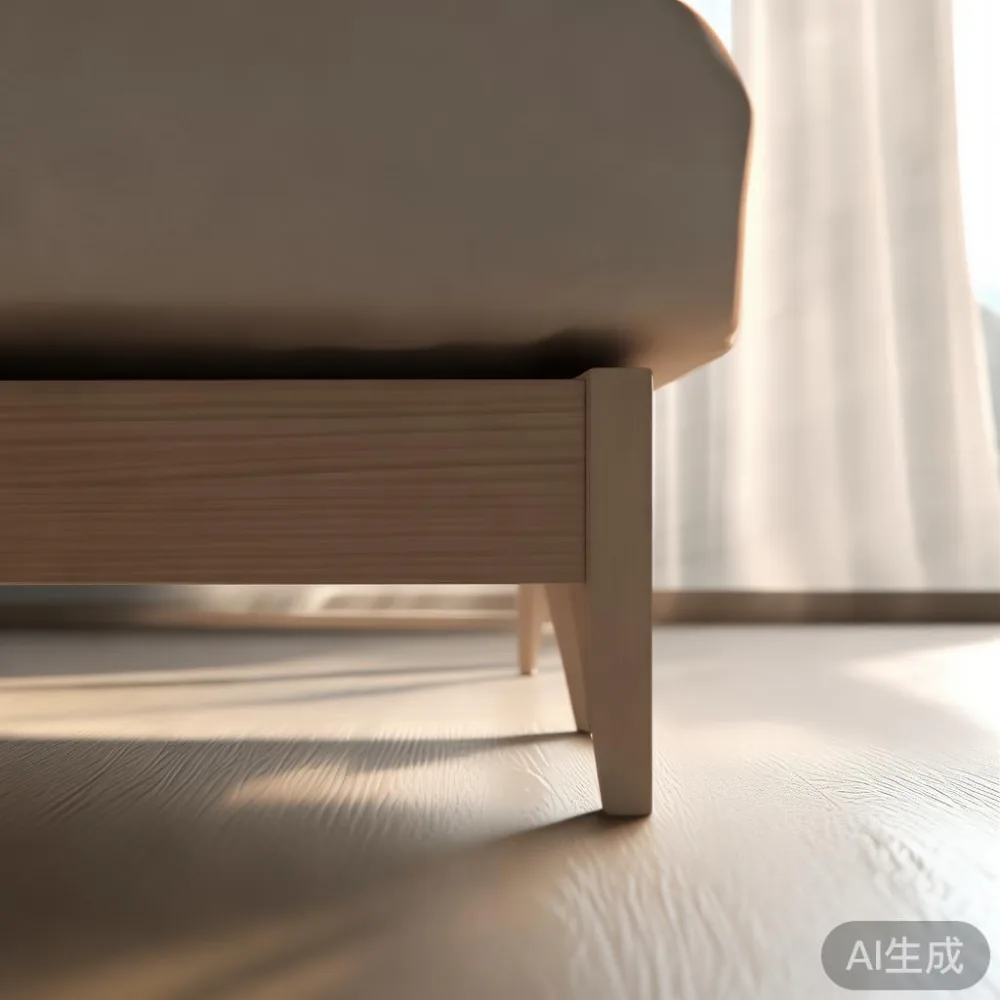
Most warranties, including the one from a well-regarded Foshan maker established in 2008, are split into two main parts: structural and finish. The structural warranty covers the 'bones' of the furniture—the frame, joints, and internal supports. A 10-year structural warranty is a strong indicator of quality, promising that the bed frame won't crack and the dining table legs won't snap. The finish warranty, on the other hand, covers the surface. This might be 1 to 3 years for the lacquer on a solid wood sofa or the polish on a marble table. It protects against peeling, blistering, or discoloration from the materials themselves, not from a hot dish placed directly on the surface without a coaster. Understanding this split is the first step to not getting caught out.

What Does 'Normal Use' Actually Mean?
This is the most critical clause in any warranty and where many consumers get caught out. 'Normal use' is defined by the manufacturer, and it's often narrower than you think. For a minimalist wardrobe, 'normal use' means hanging clothes, not using it as a step-ladder to change a lightbulb. For a dining table, it means placing plates and bowls, not carving your initials into the surface. My colleague in Singapore recently discovered this the hard way. He bought a beautiful American light luxury sofa for his small living room and was thrilled with its comfort. Last month, he visited a friend who owned a similar piece and noticed a slight sag in the cushions. Concerned, he checked his warranty and found that 'normal use' explicitly prohibited sitting or lying on the arms of the sofa. His habit of leaning to read a book had technically voided his finish warranty. It was a costly lesson in paying attention to the fine print.
How to Style a European Light Luxury Wardrobe in Bedroom and Warranty Red Flags
When you're planning your bedroom layout, perhaps a Punggol new launch condo with generous space, you might be thinking about how to style a European light luxury wardrobe in bedroom. The sleek, handle-less design is a staple of minimalist furniture. But when you're admiring the design, also scrutinise the warranty. A red flag is any warranty that mentions 'natural wood characteristics' as an exclusion. Solid wood furniture, like a solid wood bed frame, is a natural material. It expands and contracts with humidity. A good warranty will state that this is normal and not considered a defect. A bad warranty will use this as a catch-all to deny claims for minor warping or cracking, which can happen in Singapore's humid climate. A warranty that is vague about what constitutes a defect is one to avoid.

European Light Luxury Bed vs Japandi Bed: Which Warranty Serves You Better?
The choice between a European light luxury bed and a Japandi bed often comes down to aesthetics, but the warranty can be a deciding factor. A European style might feature more complex joinery and a higher-end lacquer finish, warranting a closer look at the coverage terms. A Japandi bed, with its emphasis on simplicity and natural wood, might have a more straightforward warranty. The key is to compare them directly. Look for specifics. Does the warranty cover the slats of the bed frame? A warranty that guarantees the slats won't break under the specified weight limit (e.g., 150kg) is more valuable than one that only mentions the main frame. Ask yourself: does the warranty language protect the consumer, or does it protect the manufacturer from any and all claims?
Delivery, Returns, and the Hidden Costs
A warranty isn't just about post-purchase defects; it can also cover the delivery process. Reputable companies offer free shipping over SGD 350, but what happens if the item arrives damaged? The warranty should outline the process for reporting and resolving this. At MIDHILL, for example, they have a clear process for damaged goods. You should expect a timeframe, like 48 hours, to report any issues upon delivery. Similarly, returns. A 14-day return policy is standard, but the warranty defines what can be returned. A custom-sized marble table or a wardrobe is unlikely to be returnable simply because you don't like the colour. The warranty will specify that returns are for defective items only, not for change of mind. Knowing this prevents disappointment when you can't return a SGD 5,000 dining table.
What About Long-Term Care and Refinishing?
For solid wood furniture, longevity is a key selling point. A great warranty offers more than just defect coverage; it offers a path for longevity. A 'lifetime refinishing' warranty is a powerful promise. It means that if the original finish becomes damaged or worn over many years, the manufacturer will provide the materials or service to refinish it. This is a common feature for high-end minimalist furniture brands. It's not a guarantee against scratches from a cat, but it is a guarantee that the underlying wood is protected for life. This clause shows the manufacturer's confidence in their product and provides peace of mind for decades to come. Ask about the specific terms: does it cover labour, or just the materials?
Where to Buy Wardrobe from MIDHILL and Verifying Authenticity
If you're researching where to buy wardrobe from MIDHILL, you'll likely find them online. This brings up another warranty consideration: authenticity. A warranty is only valid if you've purchased a genuine product. Counterfeit furniture, sometimes sourced from places like Wuhan Lingzhan, may mimic the design but use inferior materials and offer no warranty protection. When buying online, ensure you are purchasing directly from the manufacturer or an authorised retailer. The warranty document itself should have a serial number or a QR code that can be verified on the company's official website. This simple check can save you from buying a beautiful-looking piece of furniture that has the structural integrity of a cardboard box and no recourse when it fails.
Is a 10-Year Warranty Just a Marketing Gimmick?
When you see a 10-year structural warranty, it's natural to be skeptical. Is it just a marketing number with so many loopholes that it's practically useless? A warranty is only as good as the company behind it. A Foshan-based furniture maker that exports to 15+ countries has a reputation to uphold. They can't afford to offer a 10-year warranty and then go out of business in five years. Look for companies with a long history, like the one established in 2008. Read the terms carefully. A genuine 10-year warranty will cover major structural failures like a bed frame splitting or a dining table leg breaking. It will have clear definitions and a fair claims process. If the warranty is filled with vague language and exceptions, it might just be a marketing gimmick. A good warranty is a sign of a confident, high-quality manufacturer.
How to Style Japanese Wardrobe in Bedroom and the Importance of Installation
The process of setting up your new furniture can also impact your warranty coverage. Let's say you've chosen a minimalist Japanese wardrobe for your bedroom, with its signature clean lines and hidden storage. Improper installation can void the warranty. If you assemble the wardrobe and over-tighten a screw, cracking the wood panel, the manufacturer could deny a claim for the damage. Many warranties state that installation must be performed according to the provided instructions. This is why some companies offer professional assembly services, sometimes for an additional fee of SGD 50 to SGD 100. While it's an extra cost, it ensures the warranty remains intact. It's a small price to pay to protect a piece of furniture that could last for decades.
What's Not Covered: The Exclusions List
Every warranty has an 'exclusions' section. This is where the manufacturer lists what is *not* covered. Read this section with a magnifying glass. Common exclusions include damage from moving, pets, water, sunlight, or improper cleaning. For a marble table, this might include etching from acidic liquids like wine or lemon juice. For a French light luxury sofa, it might include fading from prolonged exposure to direct sunlight. A good warranty will clearly state these exclusions. A bad one will use broad, ambiguous terms like 'misuse' or 'neglect,' which can be interpreted to cover almost anything. The more specific the exclusions, the more transparent the warranty and the more you can trust it.
Final Steps: Documenting and Registering Your Warranty
Once your furniture is delivered and assembled, take a few minutes to protect your warranty. First, document the condition of the item. Take clear photos and videos from multiple angles, noting any existing scratches or imperfections. This is your proof in case of a future dispute. Second, register your warranty. Many manufacturers now require online registration to activate the full warranty period. This process usually takes less than five minutes and involves entering your purchase details and contact information. Without registration, your warranty might only be valid for 30 days instead of the full 10 years. Keep a digital copy of the warranty certificate and your proof of purchase in a safe place, perhaps a cloud folder named 'Home Furnishings.' This simple organisational step can save you a world of trouble down the line.