How to Style a Compact Singapore Apartment With Minimalist Furniture (Without the Cluttered Feel)
After spending a weekend moving a friend into a 710 sq ft HDB flat in Punggol, I watched three strong helpers spend 40 minutes wrestling a two-seater sofa through a 1.1 m wide lift and another 25 minutes angling it around a 90-degree corridor turn. The piece survived, but my friend's hallway wall did not. That single afternoon reshaped how I think about styling small Singapore homes: every centimetre counts, every kilogram matters, and minimalist furniture is the difference between a home that breathes and one that feels like a storage closet with windows.
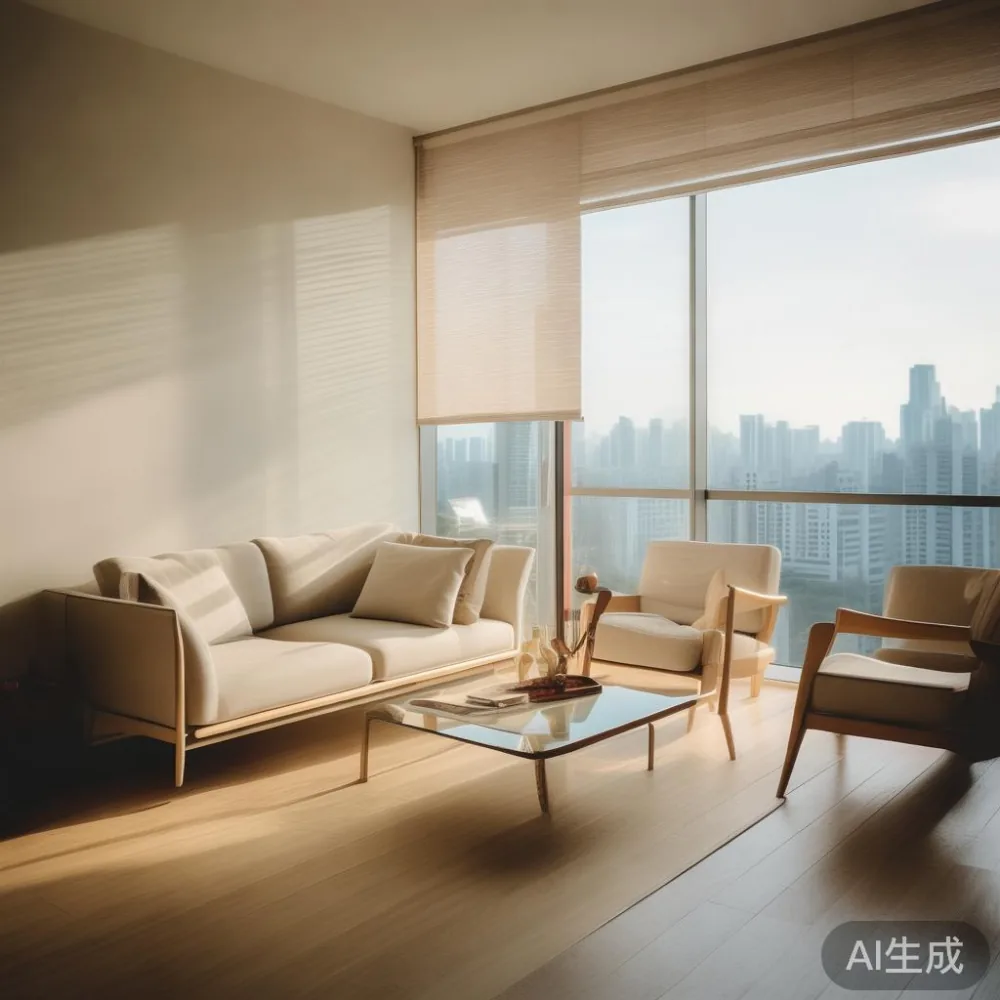
Singapore's compact living environment, 3- and 4-room flats in Tampines, walk-up blocks in Bedok, and 50 m-storey new launches in Punggol, has its own rules. You are dealing with 2.4 m ceiling heights, narrow service yards, and a 9% GST on every piece that lands at your door. The honest goal is not to copy a Pinterest board, but to build a calm room that works for a real Singapore life: humid air, daily MRT commutes, and parents who pop by on weekends with Tupperware.
Start With a Floor Plan, Not a Shopping Cart
Before you add a single piece of solid wood furniture to your cart, measure everything. The lift door in most blocks built after 2008 is 900 mm wide and 2.1 m tall, so anything taller than 198 cm or wider than 85 cm at its narrowest axis will not enter. I learned this the expensive way in 2021 when a friend's 210 cm oak table was refunded after the delivery team measured the cargo lift at HDB Hub and gave up. A quick rule of thumb: keep your longest dimension under 200 cm for the main sofa, and under 180 cm for a dining table, unless you live on the ground floor.
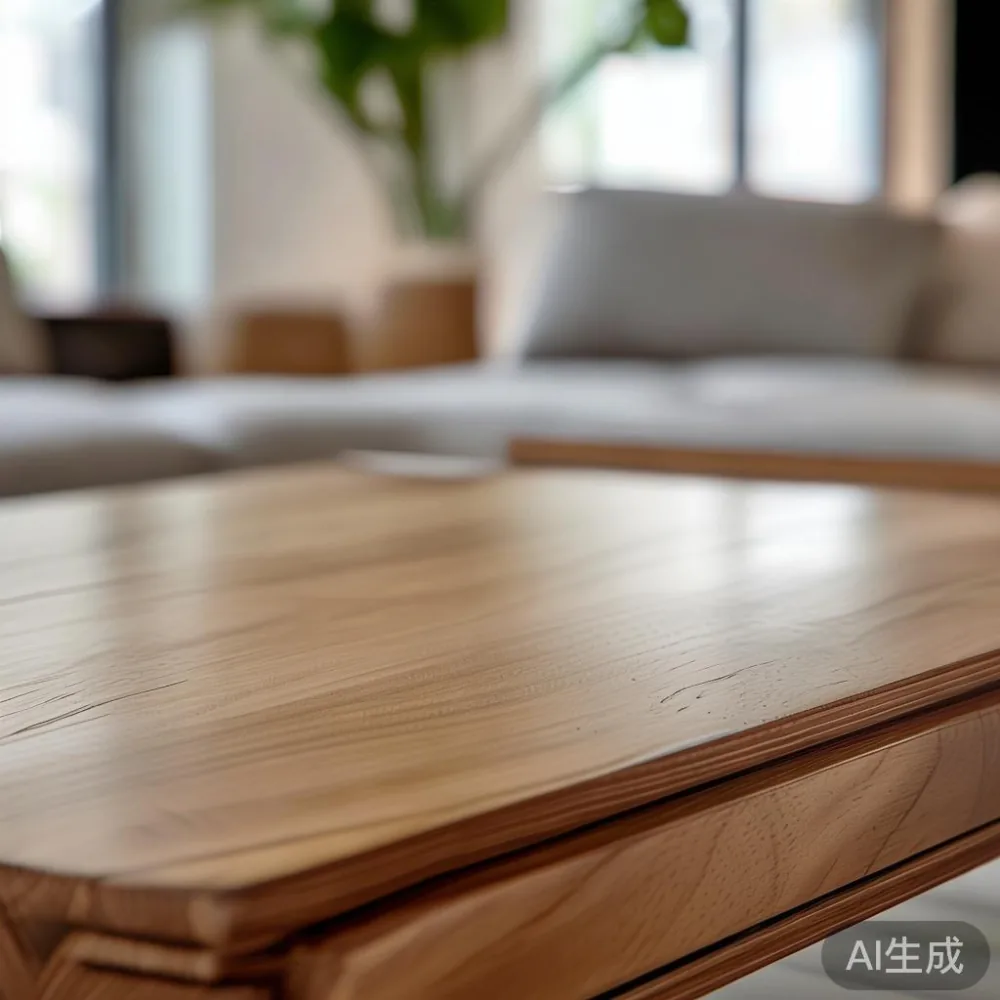
Draw your floor plan at a 1:50 scale on paper, or use a free iPad app, and place a rectangle for every piece you actually need: a sofa, a coffee table, a media unit, a bed, two nightstands, a dining table for four, and a wardrobe. Leave 70-90 cm of walking corridor between the sofa and the TV, and at least 60 cm between a bed and a wardrobe door. Anything tighter and the room will feel crowded even if you have only four pieces in it. This is where minimalist furniture earns its name, not by being sparse, but by giving every object enough air to exist.
Is a shoe cabinet worth the price?
Yes, a slim 25-30 cm deep shoe cabinet is worth the price in a compact Singapore home because it removes roughly 12-18 pairs of shoes from your visual field, which is what actually makes a small apartment feel crowded, and it costs far less than re-doing your entire living room when clutter takes over. A solid wood two-tier model runs S$320-S$520 from local makers, weighs 18-26 kg, and fits behind most HDB entry doors where you would otherwise stack them. I have one in my own 560 sq ft Punggol flat, and my weekly tidying time dropped from 25 minutes to about 8.
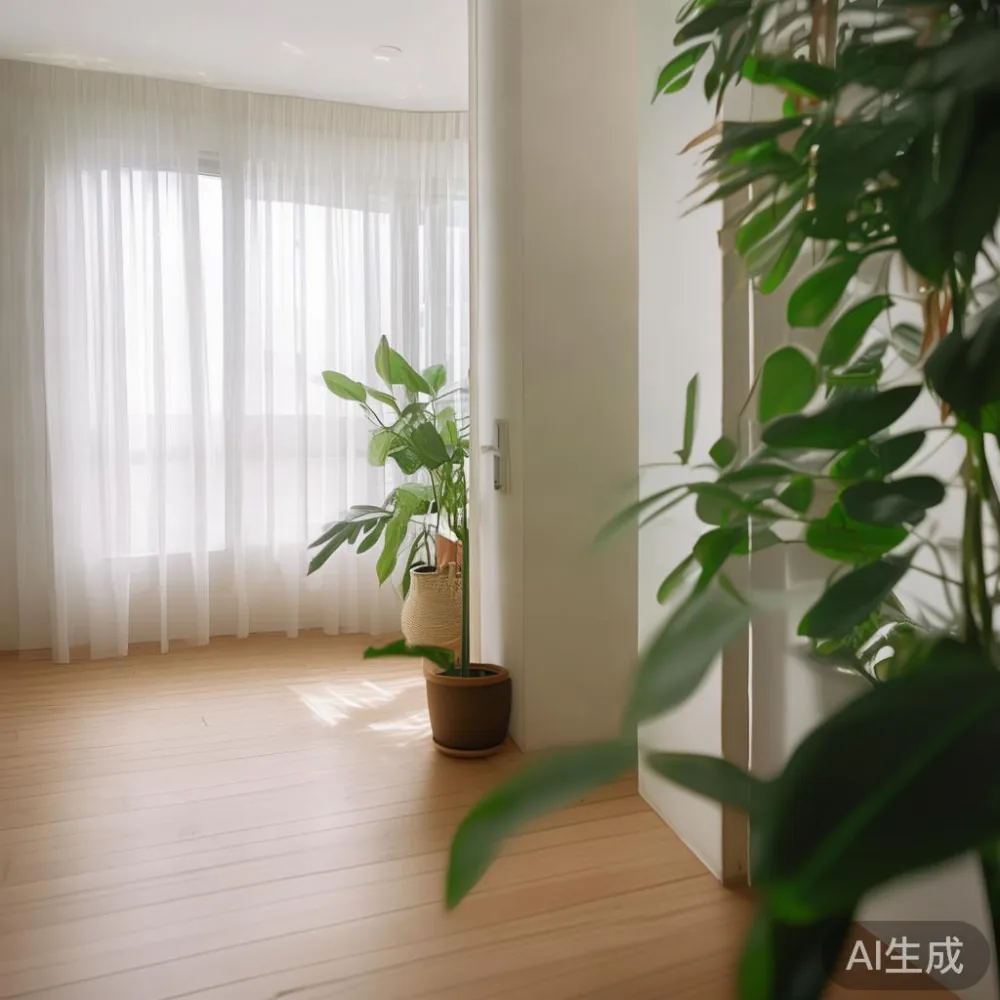
Pick a Light Luxury Direction and Stick to It
The phrase light luxury gets used loosely, so here is a working definition for Singapore homes: refined, restrained, with one or two premium materials that read as quiet rather than loud. Three directions work well for HDB flats and small condos.
French light luxury leans on soft curves, slim tapered legs in oak or ash, and linen-look upholstery in bone, taupe, or sage. A 220 cm French provincial sectional sofa Singapore showrooms carry around S$2,400-S$3,800 tends to have a rolled arm and a low back, which keeps the silhouette light. The trade-off is that the cushions are deeper, so allow 100-105 cm of depth in your plan, not the usual 95 cm.
American light luxury is more architectural: a low, deep profile, often with a single bench cushion, exposed solid wood legs in walnut or white oak, and a brushed brass or matte-black hardware. It suits 3-room flats in Bedok where the living room runs 2.8-3.2 m wide, because the longer bench seat (180-230 cm) does the work without crowding the walls.
Post-modern light luxury goes bolder with a marble table, mixed-material side tables, or an off-centre table arrangement. A round 90 cm travertine or Carrara marble table becomes the anchor. Pair it with a flat-weave rug under 2 m by 2.8 m, a slim TV console under 35 cm deep, and the room reads as deliberate rather than sparse.
Five Numbers That Run the Whole Room
Most crowded rooms in Tampines 4-room flats share the same five mistakes. Fix these and the room opens up.
1. Ceiling height and visual weight. Standard HDB ceilings sit at 2.4-2.8 m after finishes. A 95 cm tall wardrobe with a solid wood frame reads heavier than a 95 cm tall one with a recessed plinth. Keep tall storage under 210 cm and pull handles flush, or you will feel the ceiling pressing down.
2. Sofa depth, not line length. A 90 cm deep sofa in a 3 m wide living room leaves only 60 cm of walkway on each side. Choose an 80-85 cm deep sofa, or skip the bulky sofa for a 75 cm deep apartment sofa with 50 cm seat depth, and your walkways widen by 20-30 cm instantly.
3. Coffee table diameter. In a 2.8 m wide room, a 120 cm by 60 cm coffee table leaves 80 cm of walking space, which is workable. The same problem applies to any dining table above 140 cm long in a dining area under 2.4 m wide. Pick a 110-130 cm round dining table, which seats four comfortably and avoids the corner-bumping that rectangular tables create in tight rooms.
4. Wardrobe projection. Sliding-door wardrobes project only 60 cm from the wall; hinged-door wardrobes need 55-60 cm for the door plus 25 cm of standing-back space, so plan for 85 cm of clear floor in front. For a master bedroom 3 m by 3 m, a 240 cm wide by 60 cm deep sliding wardrobe with two mirror panels is the sweet spot.
5. Negative space ratio. Aim for 35-45% of the floor area to be empty floor. In a 25 sq m living-dining area that is roughly 9-11 sq m of empty space. It sounds like a lot, but it is exactly what makes minimalist furniture feel like a choice rather than a punishment.
What I Tested in a Tampines 4-Room Flat Last Month
I visited a relative's newly TOP-ed 4-room flat in Tampines GreenRidges, 92 sq m, with a 3.1 m by 4.2 m living room and a 2.4 m by 2.8 m dining area. We measured twice and ordered once, and the layout below is what we landed on.
- Sofa: 210 cm American light luxury three-seater, 88 cm deep, in oatmeal linen-look fabric, S$2,650 from a local maker, weight 72 kg, fits the 1.4 m cargo lift at the service lift bank.
- Coffee table: 110 cm round Carrara marble top on an oak base, S$1,180, weight 38 kg, requires two-person carry because the lift opening is 1.15 m wide and the table is 110 cm wide.
- Dining table: 140 cm by 80 cm solid wood dining table in white oak, S$1,450, weight 42 kg, seats four with 60 cm per place, fits the same lift on its side.
- Bed frame: 180 cm by 200 cm queen solid wood bed frame in ash, S$1,280, weight 55 kg, arrives in two cartons because the headboard alone is 118 cm wide and 95 cm tall.
- Nightstands: Two 50 cm wide by 40 cm deep nightstand pieces in ash, S$320 each, weight 14 kg each.
- Wardrobe: 240 cm by 60 cm by 210 cm sliding-door wardrobe, S$2,150, weight 96 kg, delivered in three flat cartons, the heaviest being 34 kg.
- TV console: 180 cm by 35 cm by 45 cm media unit in walnut with two soft-close drawers, S$780, weight 38 kg.
Total spend before GST: S$11,820. With 9% GST: S$12,884. Delivery from a local workshop in Sungei Kadut took 14 working days, two drivers, and about 90 minutes for the full install. Every piece came up the lift door without tilting past 12 degrees, which is what you want for solid wood to avoid hairline cracks at the joints. The room now has 9.6 sq m of clear walking area, and the rigid bins from the previous tenant were replaced by two closed storage benches under the window, which is where most Singapore homes lose the clutter war.
Material Choices That Hold Up in Singapore Humidity
Solid wood furniture behaves differently here than in temperate climates. Year-round relative humidity sits between 65-85%, and air-conditioning cycles drop it to 50-55% for eight hours a day. That swing is what warps joist joints and lifts cup lids if you buy the wrong thing.
White oak, ash, and walnut hold up well and stay dimensionally stable across the 30-40% humidity swing a closed unit pulls against. They cost more, particleboard, but they last 15-25 years with annual oiling. In Malaysia, a teak or acacia frame can absorb small movements without cracking. The honest number is budget: a solid wood dining table runs S$1,200-S$2,800, while a veneer-on-MDF equivalent runs S$480-S$850 and starts to sag at the joints within 4-6 years.
For upholstery, performance linen-look fabrics with a Martindale rub count above 30,000 are worth the small premium in SGD. They handle daily use from kids, a dog, and the in-laws who visit every Sunday, without looking worn by the day. Skip the bonded leather on a sofa if you run the air-conditioning at 22 degrees for more than 6 hours a day; it peels within 18-24 months. For a dining table, a marble table seats S$5-S$12 per place setting at a typical 6-cover restaurant, but at home it costs S$1,000-S$2,400, so think about whether you actually cook daily or just host once a month.
Where to Spend and Where to Save
Not every piece deserves the same budget. A useful split for a compact Singapore home is to spend 55-60% of the budget on the three pieces you touch daily: the sofa, the bed frame, and the dining table. Spend 20-25% on storage (wardrobe, TV console, shoe cabinet). Spend the last 15-25% on accent pieces such as the marble table, two side tables, and a bench.
This is also where Midhares (MIDHILL's, a 2008-established solid wood maker shipping from Foshan to more than 15 countries with a 10-year structural warranty and free shipping above US$350) approach fits: their bread-and-bone case is the solid wood bed frame, the dining table, the sofa, the nightstand, and the wardrobe at price points that sit between flat-pack and full custom. For a Singapore buyer who shop or who shop, the 10-year structural warranty and lifetime refinishing offer matters because the air-conditioned swings in a closed unit do their slow work on joints that nobody sees until a door stops closing.
Two pieces where I would not save: the bed frame and the sofa. Both carry direct use to your back and your sleep, and both cost more to replace than to buy once. The nightstand, the coffee table, and the side tables can be lighter pieces because they take less load and move more often.
Delivery, GST, and What Actually Shows Up at Your Door
For Singapore buyers, the practical sequence is: confirm the lift door width at your block (most are 900 mm), confirm the service lift cargo dimensions (typically 1.4 m wide by 2.2 m deep by 2.4 m tall), and measure the corridor turns from lift to door. Most cargo lifts in newer Punggol and Sengkang blocks lift at 1.6 m wide, which is generous. Older blocks in Bedok and Balestier sometimes lift at 1.1 m, which is the tight case.
Free shipping above US$350 (around S$516 or so depending on the daily rate) is a useful threshold because it usually covers two-person delivery, lift access, and basic placement. If you live above the lift on the 12th floor with a single small lift, ask the maker to confirm the lift door width in writing before paying the deposit; a 5-minute email saves a S$120 redelivery fee.
Returns within 14 days are useful for the wrong size, but they cost the inbound team the return freight and a re-stock fee, so measure twice. GST at 9% applies on every piece landed in Singapore, including shipping, and a small order below S$500 skips the GST savings but also skips the fees that some makers charge for low-value orders.
Putting It All Together in One Room
Here is the exact ordering for a 25 sq m living-dining area in a compact Singapore flat. Pick one direction (French, American, or post-modern), pick one wood tone (white oak, ash, or walnut), pick one metal tone (brushed brass or matte black), and pick one cloth tone or two at most. Then place the sofa first, the coffee table second, the TV console third, the dining table fourth, and finally the accent pieces. Anything taller, your chair sits where you keep your socks.
The honest test in this regime is to live with the room for a week before adding the bench, the second rug, or the third chair. Bring the chair only when the room forces a step, not when the room leaves a gap. After seven days, you will know which 180 kg of solid wood furniture you actually use, and which 18 kg of accent pieces you can pass on.
A small Singapore home does not need less furniture. It needs the right furniture, placed with air around it, in materials that survive the humidity, delivered through a lift that fits. Most days, a common opinion in the lift lobby is that minimalist furniture feels cold. The opposite is what you find here. Calm rooms feel like home.