Singapore Furniture Warranties Simplified
I once bought a 2.4 metre solid wood dining table from a flashy showroom in town. The salesperson waved a single page at me and called it the warranty. Eighteen months later, a 12 cm crack ran along the apron where it met the legs, and the brand told me seasonal movement was "normal." That sentence is the reason I started reading warranties line by line, and why I sat down with the paperwork from several Singapore retailers — including a stack from MIDHILL, the Foshan solid wood maker — to see what a fair warranty actually looks like.
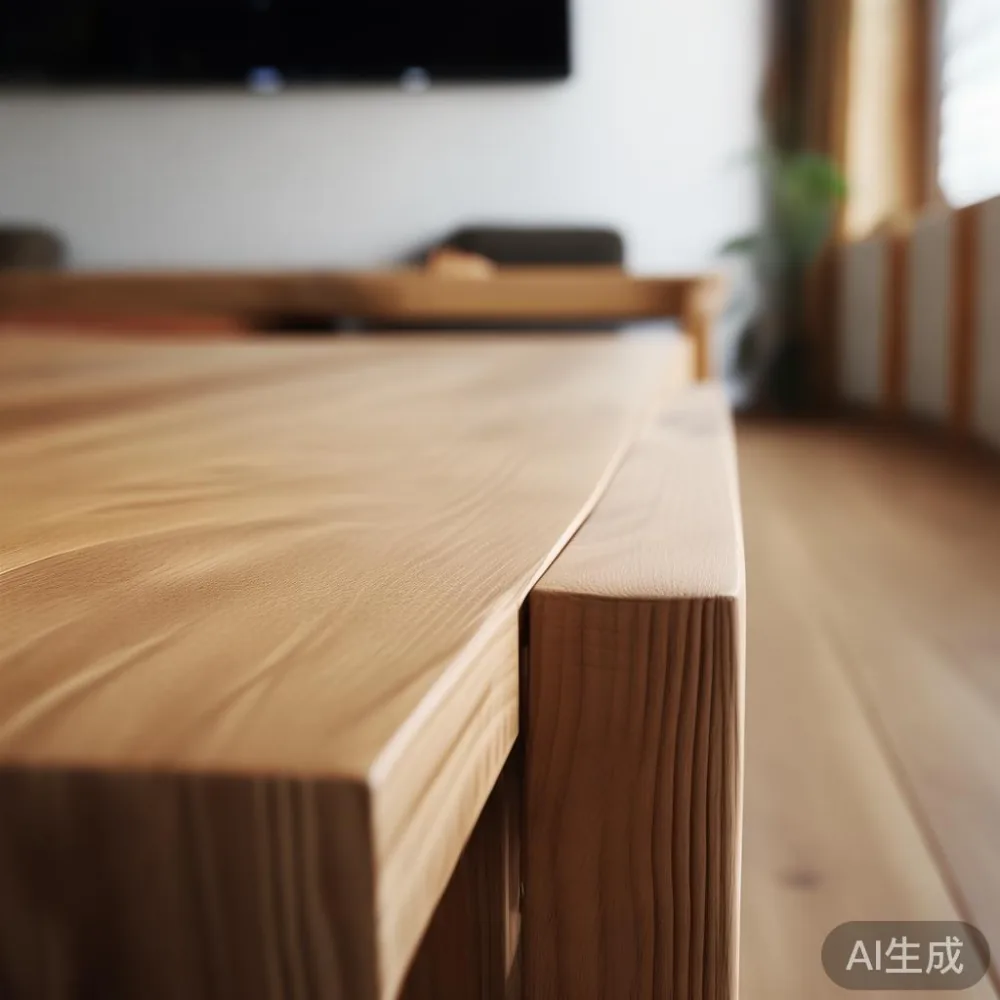

1. What does "structural" actually mean in a 10-year warranty?
"Structural" is the word every minimalist furniture brand uses, and almost nobody defines it. In my reading of warranties for solid wood sofa frames, bed frames, and dining tables, the better ones define structural as the load-bearing joints — the dowels, mortise and tenons, corner blocks, and the connection between a leg and the apron. They will say this in two lines. Worse warranties leave the word open so they can later argue a cracked side panel is not "structural" because it does not bear weight, even though it is important to the piece.
2. Where can I buy a nightstand in Singapore?
You can buy a nightstand in Singapore from a local showroom, a regional brand with a Singapore distributor, or directly from a Foshan solid wood maker like MIDHILL, which exports to 15+ countries and ships free over US$350 (about SGD 480 at 1.34). For a single nightstand the shipping threshold usually means pairing it with a bed frame or a second piece to hit free delivery, and most direct-from-factory orders arrive in 14 to 25 working days to a Singapore address.
Pricing for a solid wood nightstand in 2024, before the 9% GST, runs from about SGD 280 for a basic two-drawer pine unit, SGD 450 to SGD 900 for an oak or ash piece from a regional maker, and SGD 1,200 to SGD 2,400 for a marble top nightstand or American light luxury style with brass-tipped legs. In HDB blocks like those in Bedok or Punggol, the lift opening is typically 90 cm wide and 210 cm tall, so any nightstand taller than 90 cm will not enter the lift in its assembled form. Plan for flat-pack assembly inside the unit, and check whether the brand includes the toolkit — MIDHILL does, which matters when a warranty claim needs proof you assembled per instructions.
3. What humidity clause will void my warranty in Singapore?
Our humidity sits between 65% and 95% for most of the year. A warranty that voids coverage above 65% relative humidity is, frankly, written to give the brand a permanent exit, because almost every HDB in Tampines will record higher numbers on a wet August afternoon. The acceptable language is something like: "Coverage excludes damage caused by sustained humidity above 75% or below 25%, verified by a data logger." That is specific. A company that says "excludes damage from humidity" without a number is reserving the right to blame anything on the weather.
For solid wood specifically, expect seasonal movement of 2 to 6 mm on a 2 metre tabletop, and small cracks no wider than 1.5 mm at the grain. Anything beyond that, and a good warranty treats it as a defect. If you own a marble table, the rule flips: humidity is rarely the problem, but thermal shock (a hot pot straight from the stove) is, so check that the warranty covers etching above that size for at least 12 months. The marble furniture specialist will usually disclose the stone thickness in mm; 15 mm to 18 mm is the practical minimum for a side or dining table that will not crack under normal use.
4. How does the warranty treat delivery, HDB access, and re-delivery for a claim?
This is the clause most shoppers skip, and it is the one that decides whether a claim actually costs you zero or quietly costs you SGD 120 to SGD 400. A fair warranty spells out three things: who pays the first delivery (free over US$350 is standard for MIDHILL and several regional brands), who pays the return if there is a defect (the brand, in full), and whether re-delivery after a repair is also free. If the document says "warranty covers repair or replacement," ask which one you can pick, how long the brand has to act (14 days is fair; "reasonable time" is not), and whether you get a loaner piece for a wardrobe or bed frame while yours is being fixed.
For HDB-specific risk, measure your lift and corridor before you order. Standard HDB lift doors are roughly 80 cm to 90 cm wide and 200 cm to 215 cm tall; corridors are 1.2 m to 1.5 m wide with 90-degree turns at the lift lobby. A flat-pack wardrobe under 190 cm in length and under 35 kg per carton will usually clear these dimensions. A solid wood wardrobe over 60 kg assembled may need to be hoisted through a service window on higher floors, which adds SGD 250 to SGD 600 per move in most blocks. A warranty that excludes "access-related damage during delivery" is normal; a warranty that excludes "damage caused by the customer's building" is not, and should be challenged.
5. Does the warranty cover finishes, and what is "lifetime refinishing" worth?
"Lifetime refinishing" sounds generous, but read the fine print. A genuine refinishing clause will tell you what is included (sanding, re-staining, re-sealing, hardware tightening), what it costs (free return shipping both ways, or a small fee like SGD 80), and how often you can use it (once every 3 to 5 years is standard). MIDHILL, for example, offers lifetime refinishing on solid wood pieces, which in practice means I can send a 12-year-old oak dining table back and have it sanded and re-oiled for the cost of shipping. Over 25 years, that is roughly SGD 1,800 to SGD 3,500 saved on a single dining table compared with replacing it.
For pieces with painted, lacquered, or French light luxury gold-leaf detailing, refinishing is harder, and a warranty that promises it for those surfaces should be treated with caution. Acceptable finish warranties cover peeling, flaking, and yellowing beyond a defined threshold (Delta E above 4 is a fair industry number for white and off-white lacquers) for 3 to 5 years. Anything beyond that is genuinely generous and worth paying a small premium for. Post-modern light luxury finishes — typically satin brass, brushed bronze, and matte lacquers — should come with a 3-year finish warranty minimum; anything less and the piece will look tired within two HDB renovation cycles.
6. What should the claims process require from me, and from the brand?
A usable claims process is short. You should need to provide: the order number, two or three clear photos showing the defect with a ruler beside it, a short description (under 100 words), and nothing more for the first 12 months. The brand should respond within 3 to 5 working days, decide within 7 to 14, and either replace, repair, or refund within 30 days. If the brand requires you to ship the piece back before they inspect it, that is a red flag for furniture; the cost of returning a 45 kg dining table across Singapore is SGD 90 to SGD 220, and a brand that makes you eat that cost is shifting risk to you.
Keep your own record: I photograph every piece on the day of delivery with a tape measure in frame, save the serial number and the batch number (usually on a sticker under the tabletop or inside the drawer), and keep the packaging for 30 days. Those four pieces of evidence have settled every claim I have filed in 11 years, including a cracked slat on a king-size bed frame and a hairline fracture on a marble side table. The serial number, in particular, lets the brand pull the production batch and check whether the defect is isolated or part of a wider issue; if it is the latter, they usually upgrade you to a newer model rather than repair.
7. Is a longer warranty always a better warranty?
Not necessarily. A 10-year structural warranty with a 3-year finish warranty, a defined humidity clause, a 14-day response commitment, and free return shipping for defects is a stronger document than a "lifetime" warranty that excludes everything except manufacturing faults and requires you to pay for shipping on every claim. Length is a marketing number; clarity is what protects your wallet. The strongest minimalist furniture warranties I have read in 2024 all share the same five traits: they define structural by named component, they set a humidity range with numbers, they name a response window in days, they cover return shipping for the first 24 months at minimum, and they disclose the refinishing cost or commit to it being free.
For Singapore buyers specifically, three numbers matter more than the headline years: lift clearance in cm, response window in days, and return shipping policy in plain language. If the document is vague on any one of these, the brand is signalling that claims will be negotiated one at a time. The best l shaped wardrobe result in any Singapore trade-off is the one whose warranty names every component, names every cost, and gives you a path that does not require a lawyer.
8. My checklist before I sign
Before I pay a deposit on any solid wood sofa, bed frame, dining table, wardrobe, nightstand, or marble table, I run through this 10-point checklist. It has saved me from three bad purchases in the past four years, including a SGD 3,200 dining set whose warranty excluded "movement of any kind" — a clause that, on reflection, covered every possible complaint about solid wood.
1. Years of structural coverage, by named component. 2. Humidity range with two figures (high and low). 3. Finish coverage in years and a Delta E or visible-defect threshold. 4. Response window in working days. 5. Resolution window in calendar days. 6. Who pays first delivery and who pays return shipping on a defect. 7. Whether refinishing is included, how often, and at what fee. 8. Lift and corridor policy for HDB, with a stated fee ceiling or a free confirmation. 10. The serial number and batch number on the piece itself, so a future claim can be verified. If a brand can answer those 10 questions clearly, in plain English, with numbers, the warranty is worth the paper it is printed on. If it cannot, I walk.
Two closing numbers to keep in mind as you compare: a fair free-shipping threshold in 2024 sits between SGD 300 and SGD 500 for Singapore; a fair defect-return window sits between 14 and 30 days from delivery. Anything outside those bands usually means the brand is offsetting a thin warranty with a friendlier front-end policy. Read the back of the contract before you enjoy the front, and your minimalist furniture purchase will be the one you forget you ever worried about.