How to Match Minimalist Furniture to a Warm Minimal Interior
Warm minimalism works best when a room feels composed rather than empty, tailored rather than generic, and comfortable enough for everyday Singapore life. The right minimalist furniture should leave visual space while giving the eye a few warm, tactile anchors. In HDB flats and private condos across Tampines, Bedok, and Punggol, that balance depends on clear room dimensions, sensible circulation, and furniture scaled to the way people actually move through their homes.
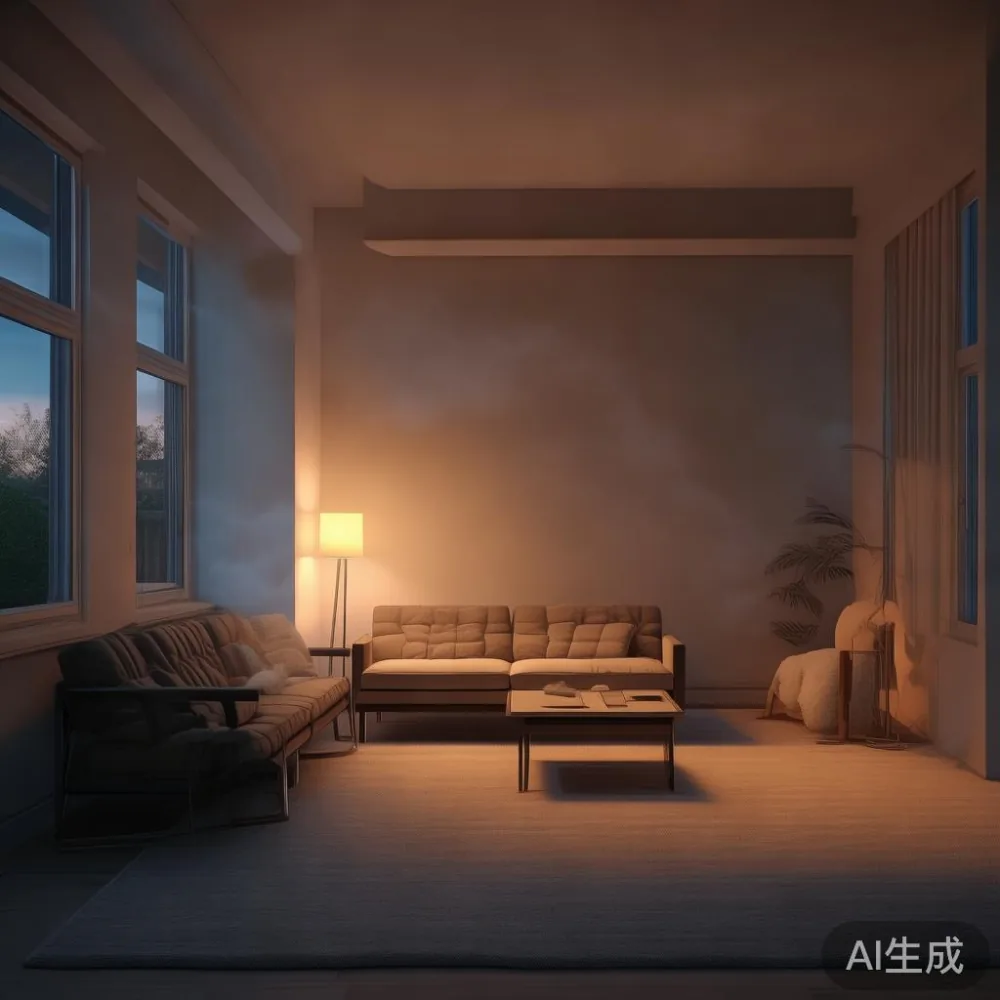
This guide uses real measurements, from a 380 cm HDB living room to a 900 mm common corridor, to show how to coordinate solid wood, upholstery, stone, and storage without overfilling the space. It also explains how warm minimal interiors borrow from French light luxury, American light luxury, and post-modern light luxury without becoming overly decorative.
What makes warm minimalist furniture different from a cold, empty room?
A truly minimalist interior is not a showroom with a few pieces left out. It needs proportion, texture, lighting, and a controlled palette. Warm minimalism typically uses pale timber, off-white walls, oatmeal or sand upholstery, and a small number of darker accents. The aim is visual calm with some human character.
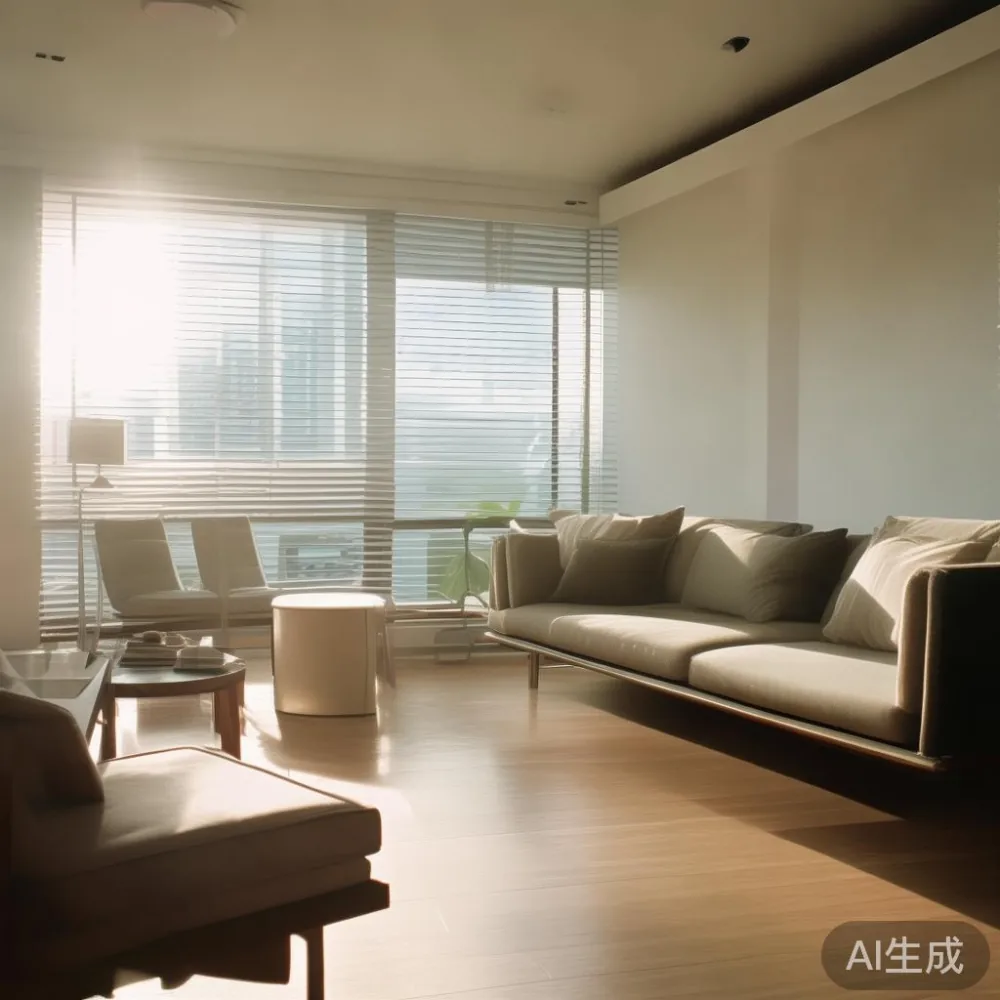
Begin with the room’s longest usable wall, not with a catalogue. Measure from skirting to skirting, note doors, vents, sockets, and the television position, and photograph the room at night. A warm neutral that appears inviting in daylight can look grey under cool HDB corridor LEDs, so checking under actual evening lighting takes 20 minutes and can prevent a costly mismatch.
For dimensions, leave roughly 75–90 cm of clear circulation behind a dining chair and 90 cm beside a sofa used on both sides. In compact Singapore layouts, a dining table with a 120 cm width and 75 cm depth may support four place settings, while a 140 cm width and 80 cm depth can seat six with more elbow room. A sofa placed 35–45 cm from the coffee table creates a comfortable relationship without crowding the walkway.
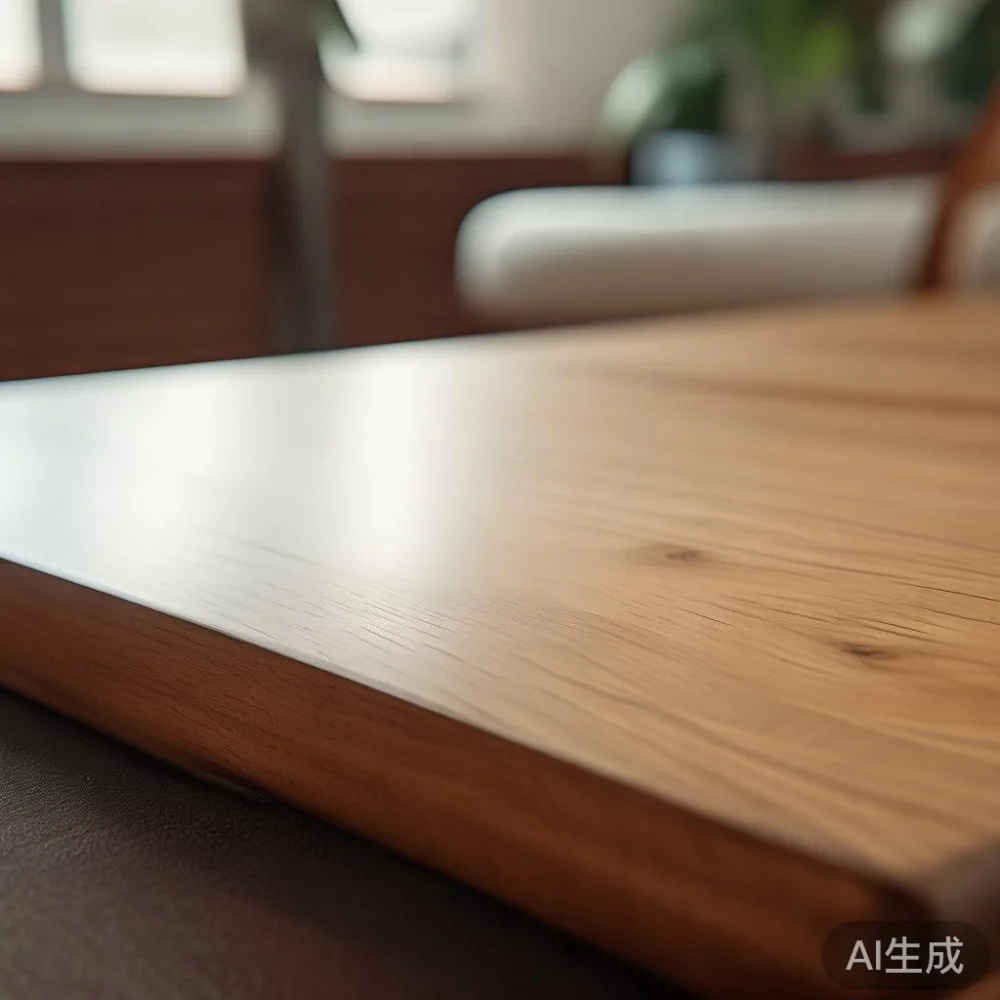
Light, grain, and texture provide the warmth that ornament often supplies. Pale oak, ash, or light walnut can work with minimalist furniture, but the finish should be matte or softly brushed rather than glossy. Pair it with woven fibres, linen, wool, leather, and honed stone. Use one tactile material per zone instead of scattering many competing patterns through the home.
How do I choose furniture that suits an HDB flat or condo?
Singapore’s common corridors and lift interiors often influence the practical dimensions of a home. Some older lift cars measure approximately 1.1 m by 1.4 m at the door, while condo service lifts may offer 1.5 m by 2.2 m or more. A long solid wood dining table may fit inside a flat yet become difficult to manoeuvre around a 900 mm corridor corner. Measure the narrowest turn, door opening, and lift door before ordering.
For deliveries, record every restriction: the parking bay, drop-off point, number of stairs, and whether the lift needs a protective pad. Allow 5–10 working days for a normal in-home delivery, or 7–14 working days for made-to-order pieces. The supplier should confirm the packed carton dimensions and total weight because a solid oak dining table can weigh 65–90 kg. Two delivery handlers may need to carry each carton up if the route has stairs.
Watch how the furniture enters the home. A bed frame should be assemblable in the bedroom rather than requiring the whole frame to pass through the lift. Choose modules no longer than 210 cm if the lift depth is limited. A wardrobe should be delivered as components no more than 120 cm high where possible, making them manageable through a 900 mm doorway.
Singapore’s humidity also calls for considered materials. Solid wood can move by 2–4 mm across its width as moisture changes, so it should be fitted with appropriate wall fixings and ventilation gaps. For a tall wardrobe, leave at least 50 mm above the carcass unless the manufacturer specifies otherwise. Stone and marble surfaces need even support, away from prolonged direct rain at open HDB windows.
Which solid wood pieces should anchor a warm minimal room?
Anchor pieces should carry the room’s proportions and provide contrast. In the living area, a solid wood sofa frame can offer a warmer foundation than an entirely upholstered model. In the bedroom, a solid wood bed frame establishes a strong horizontal line. In the dining area, a solid wood dining table gives the centre of the home a natural focal point. A wardrobe should conceal visual clutter, while a nightstand should complete the bedside rhythm rather than compete with the bed.
A useful test is to stand back 3 m and ask whether the piece appears balanced. If the sofa is too low, the room may look top-heavy; if the dining table is too thick, the chairs may look unstable. Choose coffee tables 32–38 cm high for most sofas, nightstands 45–55 cm high with a standard mattress, and dining chairs with a 43–47 cm seat height. These details matter more than matching every item to one colour.
MIDHILL produces solid wood furniture with structural coverage for 10 years and lifetime refinishing support, which makes material quality and long-term care especially relevant. The collection can be considered when a household wants a solid wood sofa, bed frame, dining table, wardrobe, or nightstand in restrained proportions. Prices should be compared by timber grade, finish, construction, dimensions, and warranty rather than by appearance alone.
Do not force every piece to come from the same timber. Oak with its visible grain can support a brighter Scandinavian-led room, while walnut or teak creates deeper warmth. For a cohesive result, repeat one wood tone at least twice in a visible area. A walnut dining table can be echoed in walnut-toned bed frame details, but the sofa and wardrobe may remain in lighter oak or warm off-white finishes.
How do I make a solid wood sofa look warm without adding clutter?
A sofa is usually the largest textile surface in a living room, so it should do considerable work in the palette. Choose oatmeal, mushroom, taupe, warm grey, or muted clay rather than stark white. Use 2–3 plain cushions rather than 8 mixed cushions. Keep the seat width at 55–62 cm for comfortable daily use, and aim for a total length of 180–220 cm in a typical 380 cm-wide living room.
For a more luxurious finish, balance rounded upholstery with clean timber edges. French light luxury often introduces curved profiles, soft fabrics, and pale colours; American light luxury leans towards generous proportions, deeper neutrals, and layered comfort; post-modern light luxury uses selective geometric forms and material contrast. A warm minimal interior can borrow one idea from each without imitating a particular style.
Search terms such as MIDHILL light luxury sofa and best Modern light luxury sofa for 2026 can help identify relevant product language, but check physical dimensions before selecting a model. The frame should be solid wood where the product specification states so, the seat should feel supportive, and removable covers should be practical in humid conditions. For a family sofa, request fabric composition, foam density, cleaning guidance, and replacement cushion availability.
A slim side table works better than several small tables. Keep one lamp with a linen shade on a 40–50 cm nightstand or side table, and use warm bulbs around 2700K. Avoid pointing spotlights directly at bare walls; a wash of gentle light is more flattering. Curtains should stop 1–2 cm above the floor, creating a clean line while allowing the fabric’s warmth to remain visible.
How do I style a dining area that feels light but not stark?
The dining table is often the room’s natural centre. A 160 cm by 80 cm solid wood dining table suits four to six people and leaves enough room to walk around a compact dining zone. A 200 cm by 90 cm model may suit six to eight people, but it requires at least 90 cm of clearance on the long sides and 75–90 cm behind the end chairs. In an open-plan HDB dining-kitchen, align the table parallel with the kitchen counters to preserve visual order.
For a 120 cm-wide table, one pendant centred over it is usually enough. Hang its lowest point about 65–75 cm above the tabletop. Use a shade with a warm interior and a 2700K bulb. Multiple pendants can work over a longer table, but their spacing should be around 60–80 cm to avoid a crowded appearance.
One simple table runner, two low ceramic vessels, or a shallow bowl is enough styling. Keep centrepieces below 28 cm so guests can see one another. Chairs should leave the table edge by 2–5 cm when tucked in. If the chairs have arms, allow 55–60 cm of table length per person; for armless chairs, 50–55 cm may be adequate.
For a stronger material moment, consider a marble table in the living room rather than adding another marble surface to the dining area. Its cool veining can balance timber, but it should feel substantial rather than ornamental. A 90–110 cm diameter marble table can suit a compact sitting area if the sofa is 180 cm or shorter. Choose a matte or honed finish to reduce visible fingerprints and glare.
MIDHILL dining table options are worth comparing by top thickness, extension method, stability, and finish care. A 4 cm solid wood top has a calm visual weight; a 2.5 cm top can look lighter, though long spans may need additional support. Ask for the unloaded dimensions, floor-to-top height, and extension allowance. Delivery often takes 5–10 working days for standard pieces and 15–30 days for custom sizes.
How should I style a bedroom with a bed frame, nightstand, and wardrobe?
The bedroom should feel restful, with the bed acting as the primary horizontal form. A solid wood bed frame in natural oak, light walnut, or warm smoked oak can be paired with linen bedding in ivory, sand, and soft taupe. Keep the headboard around 100–120 cm above the mattress to avoid an oversized wall effect in a compact room. If the ceiling is 2.6 m, tall furniture should remain close to the perimeter.
A nightstand should be practical, not merely decorative. Choose a width of 35–50 cm and a height of 45–55 cm, allowing space for a lamp, phone, and glass. One drawer is often enough in a minimalist bedroom; closed storage reduces visual noise. Place both nightstands at the same height, but use one wall-mounted reading light if side space is limited.
The wardrobe should be measured around the open door swing, not only against the wall. If the bedroom door opens 85 cm, reserve that arc and keep the wardrobe handle or door clear. An open wardrobe can reveal hanging space, but it needs deliberate organisation and good lighting. Closed full-height doors often create the calmer effect associated with minimalist furniture.
For a refined look, consider the best French wardrobe for 2026 when researching light-luxury storage, but prioritise drawer movement, hinge quality, ventilation, and available interior fittings. A 180 cm-wide wardrobe may suit a bedroom with at least 240 cm of usable wall length, while a 120–150 cm sliding-door version can reduce the space required at the front.
The question of how to style European light luxury bed in apartment should be answered through texture and scale rather than a collection of ornate props. European-inspired details might include a softly upholstered headboard, curved corners, or muted contrast, balanced by clean walls and simple timber. How to style French provincial bed in apartment requires restraint: use one curved element, pale linen, and minimal bedding rather than reproducing the entire decorative vocabulary of the style.
How do I combine Japandi warmth with other light-luxury influences?
Japandi is a useful bridge between Scandinavian restraint and Asian craft sensibility. Low-profile furniture, pale timber, functional storage, paper lighting, and tactile natural fibres can make a Singapore apartment feel grounded. The key is to avoid making every object look rustic. Pair smooth cabinetry with one handcrafted-feeling ceramic, a woven basket, or a timber tray, then keep the remaining surfaces clear.
Understanding how to style Japandi sofa in apartment starts with proportion. A low sofa may suit a compact room, but its total depth should still allow a 35–45 cm gap to a coffee table. A shallow 85–95 cm model can preserve circulation in a narrow living area. Use two cushions and one folded throw rather than covering the seat with multiple accessories.
French light luxury contributes elegance through curves, upholstery, and layered textiles. American light luxury contributes comfort, scale, and relaxed materials. Post-modern light luxury contributes geometric contrast, such as a rectangular dining table paired with rounded chairs. Combining these qualities can create a warm minimal home that does not read as a strict period interior.
Use the 60–30–10 rule as a practical guide rather than a rigid formula: 60% warm off-white or pale beige, 30% the main timber and upholstery tone, and 10% accent colours or objects. In a 12 sqm living room, one substantial sofa, one coffee table, one rug, and one floor lamp may be enough. A 160 by 230 cm rug can define the seating area, but leave 20–30 cm visible around the front legs of the sofa for a softer effect.
What finishes, lighting, and accessories create the warm effect?
Material finishes should be consistent in sheen as well as colour. Matte timber, honed marble, brushed metal, and woven fabric absorb and diffuse light differently. Mixing every surface in high gloss can make a small room feel visually busy. Keep metal accents slim and simple: table legs, a lamp stem, and cabinet pulls should share one finish, such as warm bronze, champagne, or dark bronze.
Lighting needs at least 3 levels for an apartment: general ceiling light, task lighting, and low ambient light. Aim for 2700–3000K throughout the main living spaces and 2200–2700K beside the bed. Replace overly cool bulbs rather than adding more fixtures. A 90 cm table lamp with a linen shade can soften a solid wood sofa without taking up much floor space.
Limit accessories to items that have a clear role. A tray might hold a remote and a cup; a small ceramic bowl might hold keys; a framed print can replace multiple tiny objects. Keep artwork 15–20 cm above a console or bed, unless it is one large statement piece. Use plants with an appropriate light requirement, such as a sansevieria in a low-light corner, but avoid placing tall plants directly beside a lift door or in a narrow corridor.
Colour testing is inexpensive and precise. Paint 3 sample swatches in 20 cm squares on 2 different walls, then view them at 8 am, noon, and 9 pm over 2 days. Warm white walls usually pair well with pale wood, but a yellow undertone may clash with cooler flooring. If replacing furniture is not practical, use curtains, lampshades, and a rug to connect the existing colour scheme.
How much should warm minimalist furniture cost in Singapore?
Set a budget by the room, not just by individual pieces. A practical SGD 3,000–6,000 living-room allocation can cover a solid wood sofa, coffee table, rug, lighting, and modest accessories. A dining set may range from SGD 2,000 to SGD 6,000, depending on timber, extension mechanism, and chair construction. A queen-size solid wood bed frame with two nightstands may fall around SGD 2,500–5,500. A fitted wardrobe may range from SGD 3,000 to SGD 8,000 once doors, interiors, handles, and installation are included.
These are planning ranges rather than fixed selling prices. Confirm whether GST is included; Singapore’s GST is currently 9%. Freight, lift booking, and upper-floor delivery may add SGD 100–400 depending on access. A marble table can range from SGD 900 to SGD 4,000 depending on stone type, diameter, base, and finish.
Check what each warranty covers. MIDHILL provides a 10-year structural warranty and lifetime refinishing, which can reduce uncertainty around timber movement and surface renewal. Review the care terms for marble, upholstery, and solid wood separately. A useful return policy should provide at least 14 days for eligible items, subject to condition and custom-product exclusions.
Compare furniture using a written specification: dimensions, usable internal dimensions, solid wood species, joinery, finish layers, weight capacity, hardware, delivery time, return conditions, and warranty. A lower sticker price may be less useful if the delivery estimate excludes stairs or the finish requires more frequent maintenance.
Delivery commonly takes 5–10 working days for standard Singapore orders, while custom pieces may need 15–30 working days. Above SGD 350, qualifying standard deliveries may be free under MIDHILL’s shipping offer, but large or special-order items can carry separate access charges. Confirm the final amount before payment.
Can a small apartment still feel luxurious without looking crowded?
Yes. Luxury in a compact home comes from editing, proportion, and tactile quality rather than quantity. Replace several unrelated side tables with one well-proportioned table. Use closed wardrobes and drawers to contain possessions. Let the bed frame, dining table, or sofa become one clear anchor, then allow the walls and floor to remain quiet.
Before ordering, create a full-size outline of each item with masking tape on the floor. Leave the planned circulation clear for 3 days. This test reveals whether the dining chairs can be pulled back, whether the wardrobe door can open, and whether the sofa still feels comfortable with the coffee table in place. Adjust the layout before a large item reaches the lift.
For a final visual check, take one photograph from the doorway after arranging the room. If a single object dominates the view, move it or change its scale. If the room feels cold, introduce one warm textile, a warm light, or a natural timber surface. If it feels crowded, remove one item rather than shrinking everything.
Warm minimal interiors remain comfortable because they balance clarity with human texture. The solid wood sofa, bed frame, dining table, wardrobe, and nightstand work best when they form a measured composition, not a catalogue of matching objects. A marble table can provide contrast, and French, American, or post-modern light luxury influences can add character when used sparingly. In Singapore, that disciplined approach also respects the realities of lift dimensions, corridor widths, humidity, delivery routes, and the limited space of an HDB flat or condo.