Lacquered Furniture Care in Singapore’s Tropical Heat
Lacquer can give minimalist furniture a quiet, polished character: soft reflections on a solid wood dining table, a clean-lined wardrobe, or a calm finish on a bed frame. In Singapore’s humidity, that beauty requires a measured routine. A HDB flat in Tampines may receive little direct sun, yet it remains warm and damp for most of the year. A condo in Bedok or Punggol can offer more space, but polished surfaces still collect kitchen vapour, fingerprints, dust, and salt residue carried on damp clothing.
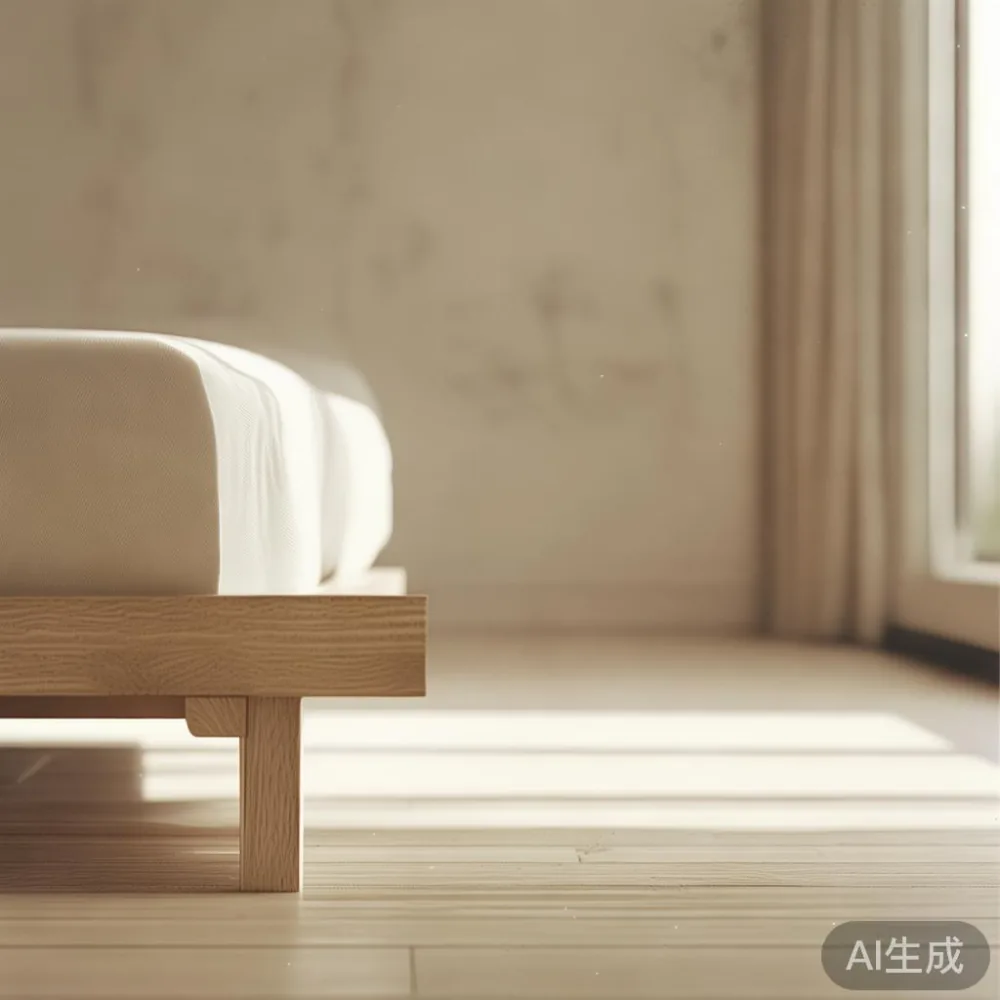
This guide explains how to protect lacquered surfaces without stripping away their character. It covers cleaning, daily habits, humidity, spills, scratches, and storage, with practical measurements for Singapore homes. The same care principles apply across a solid wood sofa, bed frame, dining table, wardrobe, nightstand, and marble table, although each surface needs slightly different handling.
MIDHILL has made lacquered furniture since 2008, supplying pieces to more than 15 countries. Its solid wood furniture carries a 10-year structural warranty, while refinishing service is available for the lifetime of the product. Good care does not replace sound manufacturing; it preserves the finish that makes minimalist furniture look composed rather than clinical.
What makes lacquer behave differently in tropical conditions?
Lacquer is a cured surface coating, not the same material as the timber underneath. Depending on the formulation and application method, it may contain resin, pigment, solvent, and a hardener. Once cured, the film resists ordinary contact, but heat, standing water, acidic liquids, and abrasive particles can affect it over time.
Singapore’s monthly relative humidity often falls between 70% and 90%, while indoor temperatures in a compact HDB flat may sit near 26–30°C. Air-conditioning can lower humidity to roughly 40–60%, but the transition matters. A finish that is comfortable at 24°C and 50% relative humidity may expand or contract when it moves into warmer, wetter conditions.
The lacquer itself does not necessarily absorb the same way as unfinished timber. The larger concern is the movement of the board beneath it. Solid wood expands across its grain as moisture changes. A dining table with a 180 × 90 cm top may move by several millimetres across its width as the environment changes, creating stress around a fixed joint or a tightly fitted edge.
Keep the piece away from persistent dampness, but avoid chasing the air with extreme controls. Aim for a stable indoor environment around 21–27°C and 45–60% relative humidity where the building allows it. Use a hygrometer, which often costs SGD 15–40, to check the room rather than guessing. If condensation appears on a window or the lacquer looks cloudy after mopping, improve airflow and address the moisture source.
Position lacquered furniture at least 30 cm from a bathroom doorway, 60 cm from a kitchen sink where practical, and 45–60 cm from an open window exposed to direct rain. In an HDB kitchen-dining area, that distance helps reduce repeated exposure to washing water and cooking oil. In a Punggol condo with floor-to-ceiling glazing, use sheer curtains and keep the surface 1 metre from the glass during the brightest afternoon hours.
How should I clean a lacquered surface daily?
Use a clean, soft microfibre cloth and plain water. The cloth should be damp, not dripping: wring it out until no droplet forms. Wipe in the direction of the grain or along one consistent path, then dry the area immediately with a second cloth. Cleaning a 120 × 60 cm dining table should take about 2–3 minutes, including drying.
For routine marks, dilute a small amount of mild dishwashing liquid in a bowl of lukewarm water. Use roughly 5 ml of detergent for 500 ml of water. Apply the solution to the cloth rather than the furniture, then wipe and dry. Test an inconspicuous 5 × 5 cm patch first, especially on a deep-toned finish.
Do not use vinegar, lemon juice, ammonia, alcohol, bleach, abrasive powder, metal wool, or ordinary bathroom cleaners. Their pH or solvent content may dull the sheen or leave a patch. Avoid paper towels, newspaper, and kitchen wipes with textured surfaces; they can leave fibres or microscopic scratches that become visible under reflected light.
Keep silicone spray, furniture polish, and “feeding oil” away from lacquer unless the manufacturer specifically approves them. Oil can make the surface slippery, gather dust, or complicate future refinishing. A satin lacquer and a high-gloss lacquer should also be treated differently: high gloss shows smudges more readily, while satin can conceal fine marks but can show uneven patches if over-polished.
On upholstered pieces such as a solid wood sofa, vacuum the removable covers according to their care label and blot spills rather than rubbing them. For lacquered timber panels, avoid letting a wet cleaning cloth run into a joint. A wardrobe in a narrow HDB bedroom corridor may have only 10–15 cm of clearance on each side, so place cleaning cloths in a caddy and work from the outer edges inward.
What should I do after a spill in a HDB kitchen or condo dining room?
Act within 30 seconds when possible. Lift food or liquid with a clean cloth, then blot rather than smear. For water, tea, coffee, juice, or wine, use a barely damp cloth and follow with a dry cloth. If the liquid has pooled along a lacquered edge, direct it toward a towel rather than letting it travel beneath the panel.
Oil requires a different approach. Place a clean paper towel over the spot and lift it straight up after 10 seconds. Repeat with fresh sections. For a larger stain, add 1 drop of mild detergent to 250 ml of lukewarm water, dampen the cloth, and work gently from the outside of the mark toward the centre. Avoid saturating the surface.
Acidic substances need prompt attention because they can react with some finishes. Wilt away residue with a clean cloth, then make a controlled pass with the diluted detergent solution. Rinse with a second damp cloth and dry immediately. If a dull patch remains, photograph it under diffuse daylight and consult the furniture maker before trying another product.
Never place a hot pot directly on a lacquered dining table, even over a protective mat. A 100°C pot can create a visible heat bloom or bubbling in the coating. Use a trivet with at least 15 cm of clearance between the vessel and the timber. A chilled glass can leave condensation; set it on a coaster and remove it when the moisture disappears.
In a compact kitchen, install a washing zone that keeps dirty cloths, sponge residue, and aerosol cleaners at least 90 cm from the lacquered sideboard. Wipe cooking splash from nearby walls before it dries, and open the window or run the hood for 10–15 minutes after cooking. This simple habit reduces the number of greasy fingerprints on the dining side of the room.
Can I use the polish that came with the furniture?
Only if the product label or maker specifies it for that lacquer type. Some supplied care products clean the surface without forming a film; others are intended for bare wood or oil finishes. A 100 ml bottle should be enough for several months when used correctly, provided it is stored in a dry cabinet and not exposed to heat above 30°C.
Apply any approved polish to a folded microfibre cloth, never directly onto the furniture. Use a quantity about the size of a 1 SGD coin for an area of roughly 30 × 30 cm. Buff lightly for 20–30 seconds, inspect from more than one angle, and remove residue with a clean section of cloth.
Test on a hidden area such as the underside of a nightstand shelf or the inside edge of a wardrobe door. Allow the test area to remain undisturbed for 24 hours. If it becomes sticky, hazy, or uneven, stop using the product and contact the maker.
Many people searching for cheap light luxury furniture are tempted by unknown bottles sold online. Low price is not the only issue; compatibility is. A cleaner designed for stone, oiled wood, or matte lacquer may change the gloss level. Keep the product label, batch details, and purchase receipt so the maker can identify the correct care method.
Is European light luxury wardrobe worth it in a humid bedroom?
For a Singapore bedroom, the answer depends on construction, door clearance, and the finish you can maintain. A properly fitted lacquered wardrobe can be practical in an HDB flat, but premium styling does not excuse poor humidity control or crowded installation.
Measure the opening before selecting a large unit. A common HDB bedroom door is about 80–90 cm wide, while a wider sliding door may run from 120 to 180 cm. Leave at least 5 cm of installation tolerance on each side, and check the lift, corridor turns, and stair width before delivery. In a Bedok condo, measure skirting, ceiling pipes, and the path from the service lift; in a Tampines flat, confirm whether the delivery team must carry the package beyond the lift lobby.
When comparing Italian light luxury for bedroom schemes, focus on the cabinet’s movement system, finish quality, and storage organisation rather than decorative labels alone. A wardrobe with a damp-resistant backing, stable shelves, and soft-close hinges may suit tropical conditions better than one with decorative MDF panels that are difficult to replace.
For a 3 m wide wall, avoid a continuous bank of hinged doors in a narrow room because several open leaves can obstruct the bed. Sliding panels may save 40–70 cm of swing space, though they require straight, accurate tracks. Keep stored clothes at least 10 cm from the back panel where ventilation is limited, and use desiccant packs in frequently closed compartments. Replace them when they become saturated rather than relying on scented sachets, which do not control moisture.
A French provincial for apartment setting can pair curved bed frames and shaped details with pale walls, but lacquered fronts should remain visually restrained in a 9–12 m² room. For a Japandi bedroom, simple joinery and warm timber usually create the calmer result. If your brief includes how to style Japandi sofa in apartment interiors, keep the sofa low, leave 60–75 cm for the main walkway, and use one pale textile rather than several competing patterns.
How do humidity and sunlight affect lacquer?
Keep direct sun off the finish for several hours each day where possible. Ultraviolet exposure can fade pigment unevenly, especially on a lacquered wardrobe placed beside a Punggol condo window. Sheer curtains can reduce exposure while preserving daylight. Rotate small items such as a lacquered nightstand occasionally so one face does not darken faster than the others.
Do not place a lacquered piece against an exterior wall that stays cool and damp. A gap of 3–5 cm behind the back allows air movement, and feet or adjustable glides should keep the base dry. For a wall-mounted wardrobe, maintain a similar ventilation gap and confirm that fixing points enter suitable masonry or framing.
Use coasters with a felt or cork underside. Natural stone coasters can be heavier, but they should not scratch lacquer through embedded grit. Replace a coaster whenever its underside collects dust. Felt pads under décor should be renewed every 6–12 months because compressed felt traps grit against the surface.
Marble table users should treat the stone and lacquer differently. Wipe marble with pH-neutral stone cleaner, never vinegar, and dry it immediately. If a lacquered tray or rim surrounds the marble, avoid allowing acidic cleaner to cross the boundary. This attention to small interfaces protects both materials and keeps the styling composed.
How should scratches and small marks be handled?
Do not polish a scratch until it disappears. Aggressive rubbing can create a wider dull area than the original mark. Clean the surface first, then examine it under indirect daylight. A fine hairline mark may respond to the maker’s approved touch-up product, while a deep tear, peeling edge, or exposed timber needs professional assessment.
For the light-luxury look associated with French, American, and post-modern light luxury furniture, restraint is important. A visible repair may be less noticeable on a low-sheen finish than on piano gloss, but colour matching still depends on the original batch and application method. Keep children away from the damaged area and avoid applying tape, wax, nail polish, or correction fluid.
Use a dust cover made from breathable cotton or a fitted stretch fabric rather than thick plastic. Plastic can trap moisture against lacquer, particularly in a humid HDB storage area. If a solid wood sofa must be covered during renovation, leave 10 cm of ventilation space and remove the cover within 48 hours of completing the work.
For larger furniture, confirm access before delivery. A lift with an internal door width around 80 cm and a car depth near 120 cm may not accept a packaged wardrobe, while a dining table should be checked diagonally. Ask the supplier for carton dimensions, and reserve a 2-person crew when the route includes stairs or tight corridor turns.
What is a sensible care schedule for Singapore homes?
A 10-minute weekly routine is usually enough for a lacquered dining table or nightstand. Dust first with a dry microfibre cloth, then wipe the touched areas with a barely damp cloth and dry them. Vacuum the floor and skirting nearby every 7 days so grit does not migrate onto furniture feet and table edges.
Check the hygrometer every morning for the first 2 weeks after delivery, then 2–3 times each week. Record readings on a small chart. If relative humidity remains above 65% for several consecutive days, improve ventilation and check for kitchen steam, wet laundry, leaking seals, or a refrigerator that is not clearing condensate.
Every 3 months, inspect the finish under daylight. Look for cloudiness, lifting at panel edges, stickiness, colour change, and swollen joints. Do not “fix” condensation with furniture polish. Clean the surface, improve the environment, and seek advice if the mark persists for 24 hours.
Every 6–12 months, replace felt pads and coasters that have compressed or collected grit. Review any lacquer care product with its label. For valuable lacquered pieces, retain the original finish specification and order records; these help a specialist select a compatible repair material.
For structural concerns, separate maintenance from warranty service. A 10-year structural warranty addresses qualifying structural faults, but it does not mean lacquer is immune to heat or standing water. Lifelong refinishing support, such as the service associated with MIDHILL products, can help restore a surface after years of use when repair is appropriate.
How can I keep delivery and after-sales arrangements practical?
Before ordering a large piece, measure the full route rather than only the room. Record the lift door width, lift car dimensions, hallway width, corners, staircase dimensions, and balcony door opening. Keep a delivery margin of at least 10 cm where the manufacturer allows it. For a dining table, note whether the top can be separated from the base to reduce turning problems.
Singapore’s GST is normally included in displayed consumer prices, but confirm the final invoice. Delivery timing also matters in renovations. Allow 7–14 days for many in-stock or made-to-order pieces, though complex wardrobes and built-ins may require 4–8 weeks. A written estimate should state the expected day, the crew size, stair charges, and whether assembly is included.
Products over US$350 qualify for free shipping under MIDHILL’s published delivery terms; the local invoice should still show the charge and currency clearly. A 14-day return period offers time to check colour, assembly, and finish in the actual room, but furniture should be returned in usable condition with its protective materials. Confirm local collection arrangements before confirming the order.
Choose a furniture maker that can explain finish compatibility, provide care instructions, and support repairs after delivery. That level of continuity matters more than a decorative phrase on a label. Minimalist furniture should remain uncomplicated in use, yet its care routine can still be detailed and precise.
In a Singapore home, lacquered minimalist furniture will last best with three habits: keep liquids away, control the indoor climate, and respond to marks without aggressive rubbing. Whether the piece is a solid wood sofa, a bed frame, a dining table, a wardrobe, a nightstand, or a marble table, the finish will retain more of its character when the surrounding room is stable and the cleaning method is restrained.